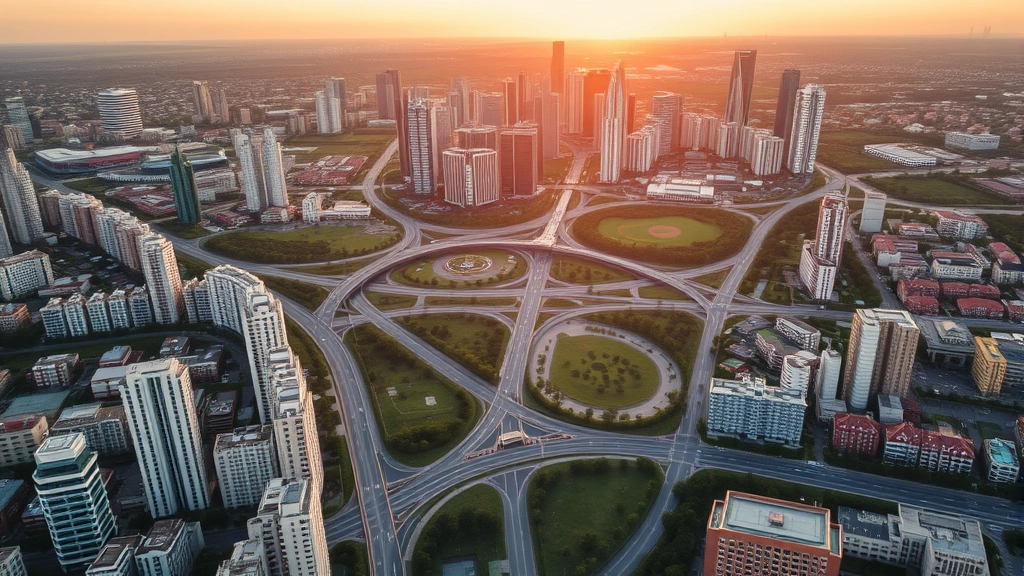
Built Environment’s Impact on Economy: A Study in Economic Geography
The built environment—comprising buildings, infrastructure, transportation networks, and urban systems—represents one of the most significant economic assets and drivers in modern economies. As cities expand and infrastructure develops, the relationship between physical spatial organization and economic performance becomes increasingly critical for policymakers, economists, and urban planners. Understanding this nexus requires examining how constructed spaces influence productivity, employment, investment patterns, and long-term economic growth across regions and nations.
In the context of human environment interaction, the built environment serves as a mediating layer between natural systems and economic activity. This article explores the multifaceted connections between architectural and infrastructural development and economic outcomes, drawing on contemporary research in ecological economics, urban studies, and human geography. We examine how environmental economics intersects with urban development, creating both opportunities and challenges for sustainable prosperity.
Defining the Built Environment in Economic Terms
The built environment encompasses all human-made physical structures and systems that shape economic activity and human settlement patterns. This includes residential buildings, commercial real estate, industrial facilities, transportation infrastructure, utilities networks, and public spaces. From an economic perspective, the built environment represents accumulated capital investment—typically accounting for 30-50% of total fixed capital stock in developed economies according to World Bank estimates.
Understanding the built environment through an environmental and natural resources lens reveals that this infrastructure operates within ecological constraints. The construction and maintenance of built environments consume finite resources, generate emissions, and alter natural systems. Yet simultaneously, efficient built environments can reduce per-capita resource consumption and facilitate economic activity that generates wealth and employment opportunities.
The economic value of built infrastructure extends beyond immediate construction spending. Quality infrastructure reduces transaction costs, enables specialization, facilitates trade, and attracts business investment. A city with efficient transportation networks, reliable utilities, and quality commercial spaces attracts entrepreneurs and skilled workers, creating agglomeration economies that boost productivity across multiple sectors.
Infrastructure Investment and Economic Growth
Empirical research consistently demonstrates strong correlations between infrastructure quality and economic growth rates. International Monetary Fund studies indicate that a 1% increase in infrastructure capital stock can contribute 0.1-0.2% to GDP growth, though effects vary by country development level and infrastructure type. Transportation infrastructure—roads, railways, ports, and airports—particularly influences economic geography by determining which regions can effectively participate in regional and global markets.
The built environment’s role in enabling commerce cannot be overstated. Efficient logistics networks reduce shipping costs, warehousing infrastructure enables supply chain management, and communication infrastructure facilitates information flows. Regions lacking adequate built infrastructure face systematic disadvantages in attracting investment and developing competitive industries. This infrastructure gap perpetuates geographic inequality, as developing regions struggle to accumulate the capital stock necessary for economic takeoff.
Public investment in infrastructure generates multiplier effects throughout economies. Construction spending directly employs workers and purchases materials, while completed infrastructure enables subsequent private investment. A newly completed highway corridor, for instance, attracts warehousing facilities, retail centers, and manufacturing plants that generate employment far exceeding initial construction jobs. However, infrastructure investment efficiency varies dramatically based on project selection, maintenance practices, and integration with broader development strategies.
Real Estate Markets and Wealth Creation
Real estate constitutes the largest component of built environment value, representing substantial wealth for property owners while functioning as collateral for credit systems. In developed economies, real estate typically comprises 30-40% of total household wealth, making property values central to household financial security and intergenerational wealth transfer. This wealth accumulation function creates powerful incentives for development while simultaneously raising affordability concerns that constrain economic mobility.
The real estate market’s economic significance extends beyond individual wealth to systemic financial stability. Property values influence consumption through wealth effects—homeowners with appreciating properties increase spending, stimulating economic activity. Conversely, real estate market collapses devastate economies, as witnessed during the 2008 financial crisis when built environment asset values evaporated, destroying household wealth and triggering systemic financial failure. The interconnection between real estate markets and broader economic performance makes property cycles critical for macroeconomic management.
Urban land use patterns profoundly affect real estate economics and broader economic geography. Concentrated development creates valuable commercial districts where businesses pay premium prices for accessibility and agglomeration benefits. Sprawling development patterns increase infrastructure costs per capita while reducing accessibility benefits, generating lower economic returns on infrastructure investment. The spatial organization of built environments thus directly influences the returns on real estate investment and the efficiency of economic activity.
Labor Productivity and Spatial Organization
The built environment’s spatial organization fundamentally shapes labor productivity and economic efficiency. Dense urban centers facilitate knowledge spillovers, worker mobility, and business networking that enhance innovation and productivity. Workers in well-designed office parks and commercial districts benefit from reduced commute times, improved access to services, and professional environments that enhance focus and collaboration. Conversely, poorly designed or congested built environments impose friction costs that reduce productivity and worker satisfaction.
Commuting represents a substantial economic cost often overlooked in productivity analyses. Workers spending two hours daily commuting lose productive capacity while incurring transportation costs. Cities with efficient public transit and compact development patterns reduce commuting burdens, effectively increasing working hours available for productive activity. Reducing transportation demands through urban design simultaneously improves productivity and environmental outcomes—a rare alignment of economic and ecological interests.
The quality of residential built environments influences labor supply and worker performance. Access to quality schools, parks, cultural amenities, and safe neighborhoods attracts and retains skilled workers essential for knowledge-intensive industries. Cities offering superior residential environments command wage premiums for comparable positions, reflecting worker preferences for quality of life. This creates competitive advantages for regions capable of providing both productive workplaces and desirable residential environments.
Environmental Costs and Economic Externalities
The built environment generates substantial negative externalities—costs borne by society rather than reflected in market prices. Construction processes consume raw materials, generate waste, and emit greenhouse gases. Operating buildings consume energy and water, producing emissions and waste streams. Transportation infrastructure enables mobility but generates congestion, air pollution, and greenhouse gas emissions. These environmental costs often exceed 5-10% of GDP in developed economies when comprehensively calculated, yet remain largely external to property and development economics.
The disconnect between built environment market prices and true environmental costs creates systematic misallocation of resources. Developers optimize for private returns rather than social welfare, leading to excessive sprawl, inefficient building designs, and transportation systems that impose environmental burdens on broader society. United Nations Environment Programme research demonstrates that internalizing environmental costs through carbon pricing and resource fees would fundamentally reshape development patterns, favoring compact, efficient development.
Climate change poses escalating risks to built environment investments. Coastal infrastructure faces flooding threats from sea-level rise, inland areas confront extreme weather events, and changing precipitation patterns threaten water security for urban centers. Existing built environments often exhibit climate vulnerability due to design assumptions based on historical climate patterns no longer applicable. This creates stranded asset risks where substantial infrastructure investments may become economically unviable or require costly adaptation.
Sustainable Development Frameworks
Addressing built environment externalities requires integrating sustainability principles into development economics. Green building standards, energy efficiency requirements, and sustainable site planning reduce operational environmental impacts while often decreasing long-term costs through reduced energy consumption. Renewable energy integration in built environments demonstrates how technological advancement can align economic and environmental interests.
Circular economy principles applied to built environments emphasize material reuse, waste reduction, and lifecycle thinking. Rather than extracting virgin materials, demolishing structures, and generating waste, sustainable frameworks prioritize adaptive reuse, material recovery, and modular design enabling future reconfiguration. These approaches reduce resource extraction pressures, lower construction costs through material efficiency, and create economic opportunities in deconstruction and material processing sectors.
Nature-based solutions integrated into built environments provide multiple economic and environmental benefits. Green infrastructure—permeable pavements, bioswales, green roofs—manages stormwater while reducing flooding risks and providing recreational value. Urban forests provide cooling, air quality improvement, and aesthetic benefits that increase property values while reducing energy costs. These multifunctional approaches generate superior economic returns compared to conventional gray infrastructure by delivering multiple services simultaneously.
Case Studies: Global Perspectives
Singapore exemplifies how strategic built environment development drives economic transformation. Systematic infrastructure investment, strategic land use planning, and investment in port facilities transformed a colonial trading post into a global financial center. The built environment’s efficiency—compact development, excellent public transit, strategic industrial zones—enables economic activity at scales impossible in sprawling cities. Singapore’s experience demonstrates that thoughtful spatial organization amplifies economic returns on infrastructure investment.
Copenhagen demonstrates sustainable urban development generating economic benefits. Extensive cycling infrastructure, efficient public transit, and mixed-use development patterns reduce transportation costs while improving quality of life. The city attracts talent and businesses seeking sustainable living environments, generating economic advantages beyond traditional productivity measures. Copenhagen’s experience shows that environmental sustainability and economic competitiveness need not conflict when built environments prioritize efficiency and livability.
However, many developing regions illustrate infrastructure deficits’ economic consequences. Inadequate transportation networks isolate productive regions from markets, limiting specialization and trade. Unreliable utilities deter manufacturing investment, constraining industrial development. Poor urban planning creates sprawling, inefficient cities where infrastructure costs per capita exceed affordable levels for developing economies. These infrastructure gaps perpetuate geographic inequality, as regions unable to accumulate adequate built environment capital remain trapped in lower-productivity economic activities.
The relationship between built environment and economic development remains bidirectional and complex. Prosperous economies generate surplus capital enabling infrastructure investment, while quality infrastructure attracts investment and enables prosperity. Breaking this cycle requires strategic intervention—either through public investment in infrastructure or through policies enabling private investment in underserved regions. The challenge intensifies as climate change and resource constraints increasingly pressure built environment development models.
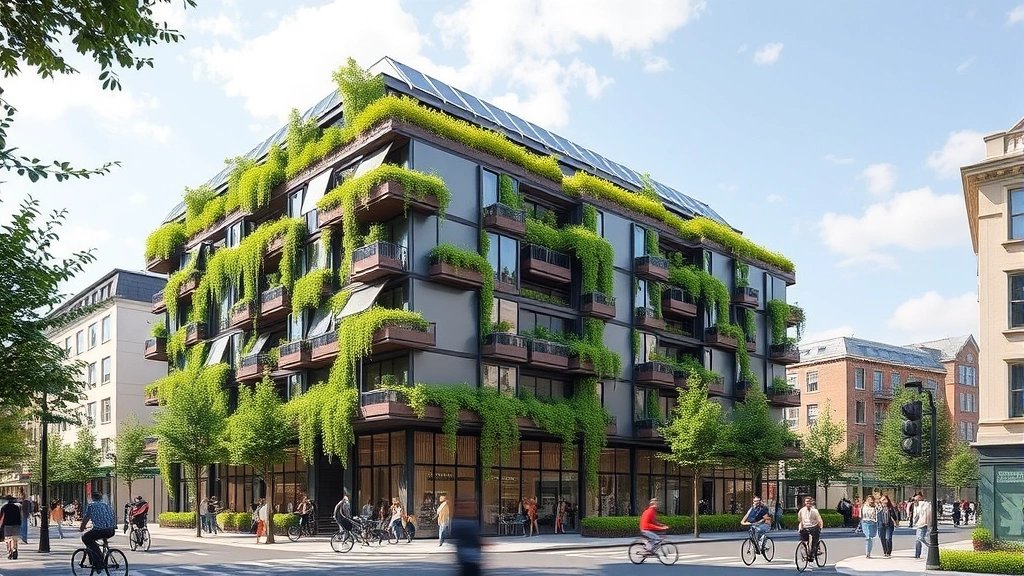
Emerging technologies promise to reshape built environment economics. Artificial intelligence optimizes building operations, reducing energy consumption and maintenance costs. Autonomous vehicles may dramatically alter transportation infrastructure requirements and real estate values. 3D printing and modular construction reduce building costs and construction timelines. Biotechnology enables novel building materials with lower environmental impacts. These technologies create opportunities for leapfrogging—developing regions may avoid inefficient infrastructure patterns by adopting advanced technologies directly rather than replicating developed-world pathways.
The COVID-19 pandemic exposed and altered built environment economics in unexpected ways. Remote work reduced commercial office demand while increasing residential space preferences, shifting real estate values. E-commerce growth increased warehouse and logistics infrastructure demands. Healthcare facilities gained prominence in urban planning. These shifts demonstrate that built environment economics remain dynamic, responding to technological, social, and economic changes. Planners must build flexibility into infrastructure design, avoiding lock-in to specific economic models.
Policy Implications and Future Directions
Optimal built environment policy requires balancing multiple objectives: economic efficiency, environmental sustainability, social equity, and climate resilience. Carbon pricing on building materials and operations would internalize environmental costs, shifting development toward efficiency. Zoning reforms enabling mixed-use, compact development would reduce infrastructure costs and transportation demands. Investment in public transit and active transportation infrastructure would reduce automobile dependence while improving accessibility and health outcomes.
Financing mechanisms significantly influence built environment development patterns. When capital markets favor speculative real estate investment over productive infrastructure, resources flow toward real estate bubbles rather than economically beneficial development. Public development banks and patient capital sources enable infrastructure investment with longer payback periods but greater social returns. Integrating climate risk into financial analysis would reduce investment in climate-vulnerable built environments while directing capital toward resilient infrastructure.
International cooperation on built environment standards and knowledge sharing accelerates sustainable development. Sharing design innovations, construction techniques, and policy approaches enables developing regions to leapfrog inefficient development stages. However, development models must adapt to local contexts—solutions effective in developed economies may not suit different climatic, economic, and social conditions. Customized approaches respecting local circumstances while incorporating global knowledge generate superior outcomes.
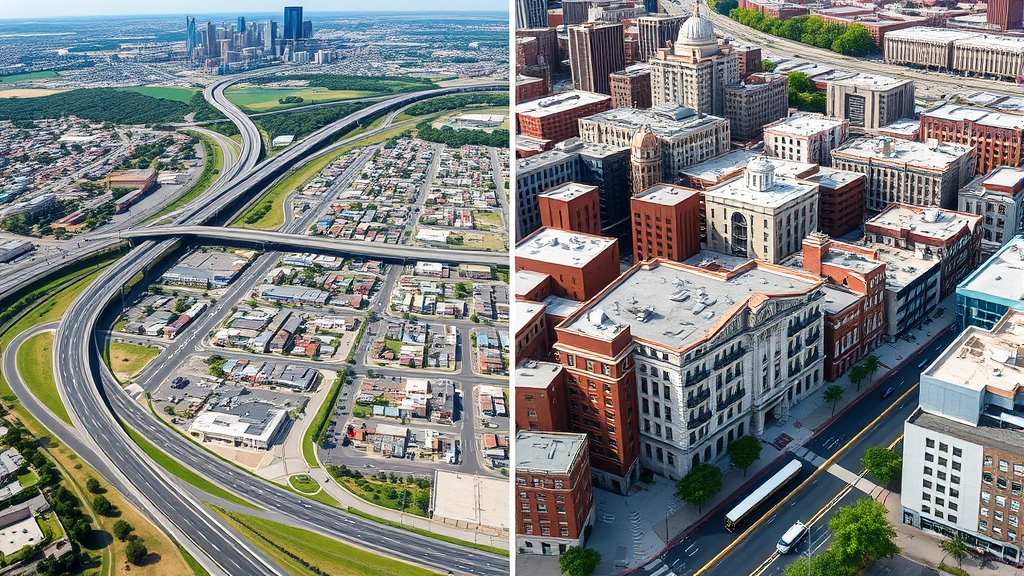
The built environment represents humanity’s largest capital investment and most enduring economic legacy. How societies design, develop, and maintain this infrastructure determines economic efficiency, distributional equity, and environmental sustainability for generations. Recognizing the built environment’s centrality to economic performance while acknowledging its environmental costs enables development of smarter, more sustainable spatial systems. Future prosperity depends on transitioning toward built environments that generate economic value while respecting ecological boundaries—an imperative that defines 21st-century development economics.
FAQ
What exactly constitutes the built environment in AP Human Geography?
The built environment encompasses all human-made physical structures including buildings, roads, bridges, utilities, parks, and urban systems. In AP Human Geography, it represents the human modification of natural landscapes through construction and development, reflecting cultural values, economic systems, and technological capabilities.
How does built environment quality affect economic development?
Quality built environment infrastructure reduces transaction costs, enables specialization, attracts investment, and enhances worker productivity. Regions with inadequate infrastructure face systematic disadvantages in economic competition, perpetuating geographic inequality and limiting development prospects.
What are the main environmental costs of built environments?
Construction consumes raw materials and generates emissions, operating buildings consume energy and water, transportation infrastructure enables mobility but generates pollution, and many built environments face climate vulnerability. These costs often exceed 5-10% of GDP but remain largely external to market prices.
Can sustainable built environments generate economic benefits?
Yes—green building standards reduce long-term operating costs, efficient urban design reduces transportation expenses, nature-based solutions provide multiple benefits simultaneously, and sustainable cities attract talent and investment. Environmental sustainability and economic competitiveness increasingly align rather than conflict.
How do real estate markets influence broader economic performance?
Real estate constitutes 30-40% of household wealth in developed economies, influences consumption through wealth effects, and connects directly to financial system stability. Real estate market cycles drive macroeconomic performance, making property markets central to economic management.
What role does infrastructure investment play in developing economies?
Infrastructure investment breaks development cycles by enabling specialization and trade, attracting business investment, and creating employment. However, infrastructure must align with broader development strategies to generate sustained returns rather than becoming stranded assets.


