
Environmental Impact on Economy: Key Insights from Studies
The relationship between environmental conditions and economic performance has emerged as one of the most critical research areas in contemporary economics. Scientific evidence increasingly demonstrates that environmental degradation is not merely an ecological concern but a fundamental economic challenge that affects productivity, resource availability, labor health, and long-term growth trajectories. Understanding this nexus requires examining how natural capital depletion, pollution, climate variability, and ecosystem collapse translate into measurable economic losses across sectors and geographies.
Recent comprehensive studies reveal that environmental externalities—costs imposed on society that are not reflected in market prices—represent trillions of dollars annually in unaccounted economic damage. From agricultural yield reductions due to soil degradation to healthcare expenditures from air pollution, from infrastructure damage caused by extreme weather to lost fishery productivity from ocean acidification, the economic case for environmental stewardship has become undeniable. This analysis synthesizes key research findings to demonstrate how environmental factors fundamentally shape economic outcomes and why integrating ecological considerations into economic policy is essential for sustainable prosperity.
Natural Capital Depletion and Economic Loss
Natural capital—the stock of environmental assets including forests, minerals, water, and biodiversity—forms the foundation of all economic activity. Yet traditional GDP accounting excludes resource depletion from economic measures, creating a false impression of prosperity when nations are essentially liquidating their natural wealth. Research from the World Bank demonstrates that when adjusted for natural capital depreciation, many nations’ actual economic growth rates are substantially lower than conventionally reported figures.
Studies measuring genuine wealth reveal alarming trends. A nation harvesting forests faster than they regenerate, depleting aquifers beyond recharge rates, or extracting minerals without restoration is reducing its true wealth even as GDP appears stable. The World Bank’s adjusted net savings methodology shows that countries experiencing rapid resource extraction often have negative genuine savings rates, meaning they are becoming poorer in real terms despite nominal economic growth. This accounting failure has profound policy implications, as governments make decisions based on incomplete economic information.
The economic consequences extend across multiple dimensions. Deforestation eliminates future timber revenues while destroying carbon sequestration capacity. Fishery collapse eliminates protein sources and livelihoods for millions. Aquifer depletion threatens agricultural production in regions representing 40 percent of global food production. These losses compound over time, creating what economists term “resource curse” dynamics where short-term extraction gains produce long-term economic stagnation. Understanding human activities that affect the environment reveals how economic decisions today determine resource availability tomorrow.
Quantitative analyses indicate that natural capital depreciation represents 5-15 percent of GDP annually in resource-dependent economies, fundamentally altering assessments of economic performance. When Brazil’s deforestation rates are converted to economic terms, the nation’s true income growth becomes negligible or negative despite reported GDP increases. Similar patterns emerge across Sub-Saharan Africa, Southeast Asia, and Latin America, where resource extraction dominates economic structures.
Pollution Costs and Healthcare Expenditures
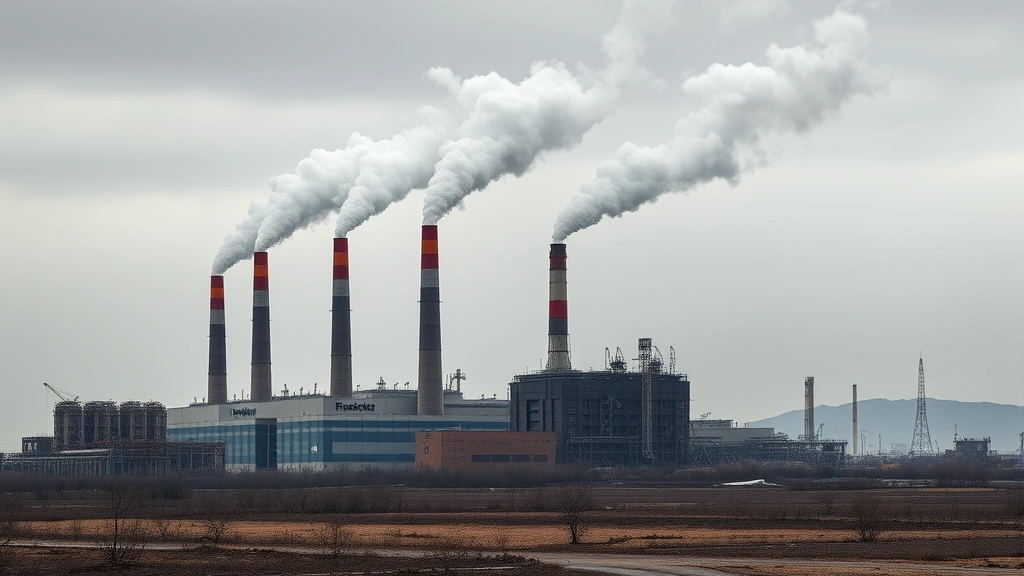
Environmental pollution imposes substantial direct and indirect economic costs through healthcare expenditures, productivity losses, and environmental remediation expenses. Air pollution alone generates economic costs exceeding $5 trillion annually globally when accounting for premature mortality, morbidity, lost work productivity, and healthcare treatments. Particulate matter, nitrogen dioxide, and ozone exposure correlate with respiratory diseases, cardiovascular conditions, cancer, and reduced cognitive development in children—each producing measurable economic consequences.
The relationship between ambient air quality and economic productivity demonstrates bidirectional causality. Poor air quality reduces worker productivity through illness and cognitive impairment, increases absenteeism, and diverts household income toward medical expenses rather than consumption and investment. Studies tracking workers’ performance across pollution level variations show productivity declines of 5-15 percent on high-pollution days, particularly affecting outdoor labor sectors. Manufacturing facilities in pollution-intensive regions experience higher employee turnover and training costs.
Water pollution generates comparable economic impacts through contaminated drinking water supplies, reduced agricultural yields from irrigating with polluted water, and compromised fisheries. Waterborne diseases impose healthcare burdens particularly acute in developing nations where sanitation infrastructure remains inadequate. Industrial pollution of freshwater systems creates remediation costs that often exceed prevention expenses by orders of magnitude. The economic principle of prevention being cheaper than cure applies directly to pollution management, yet short-term cost minimization frequently drives corporate and governmental decisions toward pollution acceptance.
Soil contamination from industrial activity, mining, and agricultural chemical accumulation reduces land productivity and creates remediation liabilities. Contaminated sites require expensive cleanup before productive use, representing stranded capital in many industrial regions. This relates directly to human environment interaction patterns where economic activity generates negative environmental consequences with delayed economic recognition.
Climate Change Economic Impacts
Climate change represents the largest economic externality in human history, with research from the United Nations Environment Programme quantifying annual costs that will exceed $1 trillion by 2050 without mitigation. Rising temperatures affect agricultural productivity, increase extreme weather damage, disrupt supply chains, reduce labor productivity in heat-stressed environments, and necessitate massive infrastructure adaptation investments.
Agricultural systems face particular vulnerability as temperature shifts alter growing seasons, precipitation patterns become erratic, and pest ranges expand. Crop yields for staple foods including wheat, rice, and maize decline 3-7 percent per degree Celsius of warming. Given that agriculture represents 25-30 percent of GDP in many developing nations and employs over 1 billion people globally, climate-driven productivity losses cascade through entire economies. Insurance markets struggle with increased extreme weather claims, raising business costs and reducing underwriting profitability.
Infrastructure damage from intensifying storms, flooding, and temperature extremes generates enormous economic costs. Coastal cities representing 40 percent of global GDP face inundation risks from sea level rise. Insurance systems become economically unviable in high-risk zones, disrupting capital flows. Cooling costs for buildings and industrial processes increase substantially in warming climates, raising operational expenses across sectors. Energy systems face disruption from both increased demand and supply constraints from water scarcity affecting hydroelectric and thermal generation.
Labor productivity declines in heat-stressed environments as human physiological capacity diminishes above certain temperature thresholds. Workers in outdoor sectors including agriculture, construction, and mining experience reduced output and health complications from heat exposure. This effect disproportionately impacts developing nations in tropical and subtropical regions, potentially widening global inequality as climate impacts concentrate economic losses in already vulnerable economies.
Ecosystem Services Valuation
Economic research increasingly quantifies the monetary value of ecosystem services—the benefits humans derive from natural systems—revealing massive economic dependence on environmental health. Pollination services alone generate $15-20 billion annually in agricultural value, yet receive minimal economic recognition. Forest carbon sequestration, water filtration, flood regulation, and nutrient cycling represent economic services worth trillions of dollars when valued at replacement cost.
Wetland ecosystems provide water purification, flood buffering, and fishery support worth $10,000-15,000 per hectare annually according to ecological economics research. Yet wetlands are destroyed at accelerating rates for agricultural expansion and development because their ecosystem service values remain invisible in standard economic accounting. Coral reef ecosystems support fisheries and tourism worth $375 billion annually while generating pharmaceuticals and genetic resources of incalculable value, yet face destruction from ocean acidification and warming.
Valuation methodologies including contingent valuation, hedonic pricing, and benefit transfer techniques now enable economists to quantify ecosystem service values with increasing precision. These valuations demonstrate that environmental protection frequently generates positive economic returns when accounting for ecosystem service preservation. A forest preserved for carbon sequestration and watershed protection often generates greater economic value than converted to agriculture or timber production, yet market failures prevent this value realization.
Understanding ecosystem services connects directly to work environment definition in that human productive capacity depends entirely on environmental quality and natural resource availability. Economic activity occurs within environmental constraints, making environmental stewardship a prerequisite for sustained prosperity.
Agricultural Productivity and Soil Health
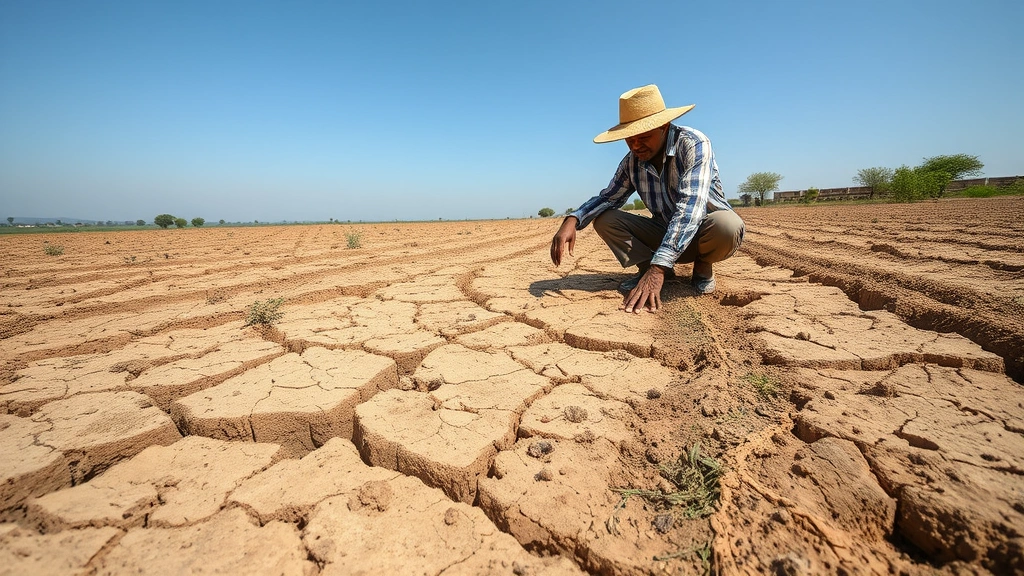
Soil degradation represents one of the most economically consequential environmental challenges, affecting food security and productivity across vast agricultural regions. Soil erosion, salinization, nutrient depletion, and contamination reduce yields while increasing input requirements and production costs. Global soil loss rates of 24 billion tons annually represent permanent productivity loss equivalent to removing 12 million hectares from agricultural production yearly.
Soil organic matter depletion through intensive monoculture and tillage reduces water retention capacity, requiring increased irrigation costs and creating drought vulnerability. Degraded soils require higher fertilizer inputs to maintain yields, raising production costs and creating environmental pollution from nutrient runoff. The economic consequence manifests as rising food prices, reduced farmer profitability, and increased vulnerability to supply disruptions.
Research demonstrates that regenerative agricultural practices including cover cropping, reduced tillage, and crop rotation restore soil health while reducing input costs and increasing productivity over medium-term horizons. Yet transition costs and initial yield reductions create barriers to adoption despite positive long-term economics. This represents a classic market failure where rational individual decisions produce collectively suboptimal outcomes, requiring policy intervention to align private incentives with social welfare.
Soil-based carbon sequestration offers additional economic benefits through carbon credit markets and climate mitigation value. Improved soil health increases agricultural resilience to climate variability while generating ecosystem services including enhanced water infiltration and biodiversity habitat. The economic case for soil conservation strengthens continuously as research quantifies productivity benefits and ecosystem service values.
Water Scarcity and Economic Constraints
Water scarcity increasingly constrains economic development across multiple sectors as population growth, agricultural expansion, and climate change reduce water availability. The World Bank estimates that 2 billion people face high water stress and 4 billion experience severe water scarcity at least one month annually. Economic sectors depending on water including agriculture, energy generation, and manufacturing face rising constraints and escalating costs.
Agricultural water demand represents 70 percent of global freshwater withdrawals, creating intense competition with urban and industrial users. As groundwater depletion accelerates and surface water availability stagnates, irrigation costs rise dramatically. Regions dependent on groundwater including the Indian subcontinent, Middle East, and North China Plain face potential agricultural collapse as aquifers deplete. Economic models project significant food price increases and agricultural output reductions in these regions within coming decades.
Hydroelectric power generation, providing 16 percent of global electricity, faces disruption from altered precipitation patterns and reduced water availability. Thermal power plants require enormous cooling water volumes, creating vulnerabilities during drought periods. Industrial water requirements for manufacturing, processing, and cooling create competitive pressures with agricultural and municipal water needs. Economic optimization of water allocation across competing uses becomes increasingly complex and contentious.
Water quality degradation from pollution compounds scarcity effects by reducing usable water supplies even when physical water availability remains adequate. Contaminated water sources require expensive treatment or alternative supply development, raising production costs across water-dependent sectors. This intersection of scarcity and quality challenges creates economic bottlenecks in regions where water infrastructure remains inadequate.
Biodiversity Loss and Supply Chain Risks
Biodiversity loss undermines economic stability by disrupting supply chains, reducing agricultural resilience, and eliminating genetic resources essential for crop breeding and pharmaceutical development. The ongoing extinction crisis, with species loss rates 100-1000 times above background rates, represents not merely an ecological tragedy but an economic catastrophe. Agricultural systems depending on narrow genetic bases face vulnerability to pests, diseases, and climate stress that diverse systems could withstand.
Pollinator population declines from habitat loss and pesticide use directly threaten global food security and agricultural productivity. Crop species depending on insect pollination represent 35 percent of global food production by volume and 75 percent by value. Declining pollinator populations increase crop failures and necessitate expensive manual pollination or crop substitution. Economic models project significant food price increases and agricultural output reductions if pollinator populations continue declining.
Genetic diversity in wild crop relatives provides essential breeding material for developing climate-resilient and disease-resistant crop varieties. As wild habitats disappear, these genetic resources vanish before scientists can catalog or preserve them. The economic value of preserved genetic diversity becomes apparent only when agricultural challenges emerge requiring traits available only in wild populations. Retrospective analyses demonstrate that past crop improvements derived from wild genetics generated returns far exceeding conservation investment costs.
Pharmaceutical development depends substantially on natural compounds from diverse organisms. Approximately 25 percent of modern pharmaceutical drugs derive from plants, with many others based on compounds isolated from microorganisms or animals. Biodiversity loss eliminates potential pharmaceutical sources before their value can be recognized. Economic models valuing pharmaceutical potential of preserved biodiversity suggest conservation generates returns exceeding opportunity costs from alternative land use.
Policy Frameworks for Economic-Environmental Integration
Addressing environmental-economic integration requires policy frameworks that internalize environmental costs into economic decision-making. Carbon pricing mechanisms including taxes and cap-and-trade systems create economic incentives for emissions reduction by making pollution costly. Research demonstrates that well-designed carbon pricing generates emissions reductions exceeding regulatory mandates while minimizing economic disruption compared to command-and-control approaches.
Environmental impact assessment requirements mandate consideration of ecological consequences before major projects proceed, preventing externality imposition through regulatory requirements. Natural resource accounting reforms that deduct resource depletion from GDP create more accurate economic measures that guide policy toward genuine wealth preservation. Payment for ecosystem services programs directly compensate environmental stewardship, creating market incentives for conservation.
Subsidy reform eliminating perverse incentives for environmental degradation represents high-return policy intervention. Agricultural subsidies encouraging intensive practices that degrade soils and water, fossil fuel subsidies that distort energy markets, and fishing subsidies that drive overharvesting all undermine economic efficiency while damaging environments. Removing these distortions improves both economic and environmental outcomes simultaneously.
International cooperation frameworks including the UNEP climate agreements and biodiversity conventions coordinate environmental protection across borders where transnational externalities require collective action. Trade policy integration of environmental standards prevents regulatory arbitrage where production shifts to jurisdictions with weaker environmental protections. These policy approaches reflect growing recognition that environmental health and economic prosperity are inseparable.
Understanding the environment awareness imperative drives policy innovation toward sustainable economic models. Research from ecological economics journals demonstrates that environmental degradation generates net economic losses far exceeding short-term extraction gains, justifying substantial investment in environmental protection and restoration.
FAQ
How much economic value do natural ecosystems provide annually?
Global ecosystem services worth an estimated $125-145 trillion annually when valued at replacement cost, exceeding global GDP several times over. This includes pollination ($15-20 billion), carbon sequestration ($50-100 billion), water purification ($70-100 billion), and fisheries support ($150-200 billion). These valuations demonstrate economic dependence on environmental health.
What percentage of economic losses result from environmental degradation?
Environmental degradation costs 5-15 percent of GDP annually in resource-dependent economies according to World Bank adjusted net savings methodology. Globally, environmental costs including pollution, climate impacts, and resource depletion total approximately $4-6 trillion annually, representing 5-7 percent of world GDP. This percentage increases substantially in vulnerable regions.
How does climate change affect labor productivity economically?
Heat stress reduces worker productivity 5-15 percent on high-pollution and high-temperature days, with outdoor workers experiencing greater impacts. Climate models project 10-30 percent productivity declines in tropical regions by 2100 under business-as-usual scenarios. This translates to massive economic losses concentrated in already vulnerable developing nations, potentially widening global inequality.
Why don’t markets automatically value environmental services?
Environmental services often lack property rights assignments, making them public goods without market prices. Pollution generates negative externalities imposed on society rather than priced to polluters. Information asymmetries prevent consumers from valuing environmental quality in purchasing decisions. These market failures require policy intervention through taxes, regulations, or payment schemes to align private incentives with social welfare.
What economic returns result from environmental investment?
Research from ecological economics research institutions demonstrates that environmental protection generates positive returns through ecosystem service preservation, productivity gains, and avoided damage costs. Reforestation generates returns of 10-30 percent annually through carbon sequestration, watershed protection, and biodiversity habitat. Wetland restoration produces returns of 5-15 percent through flood buffering and fishery support. These returns often exceed conventional investments while generating environmental benefits.
How can developing nations balance environmental protection with economic development?
Sustainable development pathways integrate environmental constraints into development planning, recognizing that environmental degradation undermines long-term prosperity. Renewable energy development creates employment while reducing pollution costs. Regenerative agriculture improves productivity while restoring soil health. Ecosystem-based adaptation provides climate resilience while generating biodiversity benefits. These approaches demonstrate that environmental protection and economic development reinforce rather than contradict each other when properly designed.


