Green Jobs Boosting Economy: Industry Insights and Growth Opportunities
The global economy stands at a critical inflection point where environmental sustainability and economic growth are no longer opposing forces but complementary drivers of prosperity. Green jobs—employment in industries that produce goods or provide services that benefit the environment or conserve natural resources—represent one of the most dynamic and resilient sectors in the modern economy. From renewable energy installations to sustainable agriculture, these roles are reshaping labor markets while addressing pressing ecological challenges.
The International Labour Organization estimates that the green economy could generate 24 million new jobs globally by 2030, with particular growth in emerging markets and developing nations. This expansion reflects a fundamental shift in how businesses, governments, and consumers perceive the relationship between economic development and environmental stewardship. Understanding these employment opportunities requires examining the intersection of ecological economics, labor market dynamics, and policy frameworks that incentivize sustainable practices.
The Green Jobs Landscape: Defining and Quantifying Opportunity
Green jobs encompass a remarkably diverse range of professions and skill levels, from entry-level positions in environmental cleanup to highly specialized roles in renewable energy engineering. The United Nations Environment Programme defines green jobs as employment that contributes to environmental sustainability, whether in traditional sectors being transformed by green practices or entirely new industries built around ecological principles.
Understanding the scope of green employment requires examining both direct and indirect job creation. Direct green jobs include solar panel installers, wind turbine technicians, and environmental scientists. Indirect employment emerges through supply chains—manufacturing components, transportation, and administrative support. Induced jobs result from increased spending by green workers in their communities, creating multiplier effects throughout local economies.
The economic data reveals compelling growth trajectories. Between 2017 and 2022, renewable energy employment grew at approximately 5% annually, significantly outpacing overall job market growth of 1.5%. This disparity reflects both technological advancement and policy support mechanisms. Countries implementing aggressive climate targets—such as Germany’s Energiewende or Denmark’s renewable energy initiatives—have experienced employment growth rates exceeding 10% in green sectors.
Sectoral analysis shows uneven distribution of green jobs. The renewable energy industry currently employs approximately 12.7 million people globally, with solar photovoltaic installation representing the largest sub-sector. Energy efficiency retrofitting, another crucial domain, has created substantial employment in construction and building trades. These sectors demonstrate how reducing carbon footprint through professional services generates sustainable livelihoods while advancing environmental goals.

Renewable Energy Sector: The Engine of Green Employment
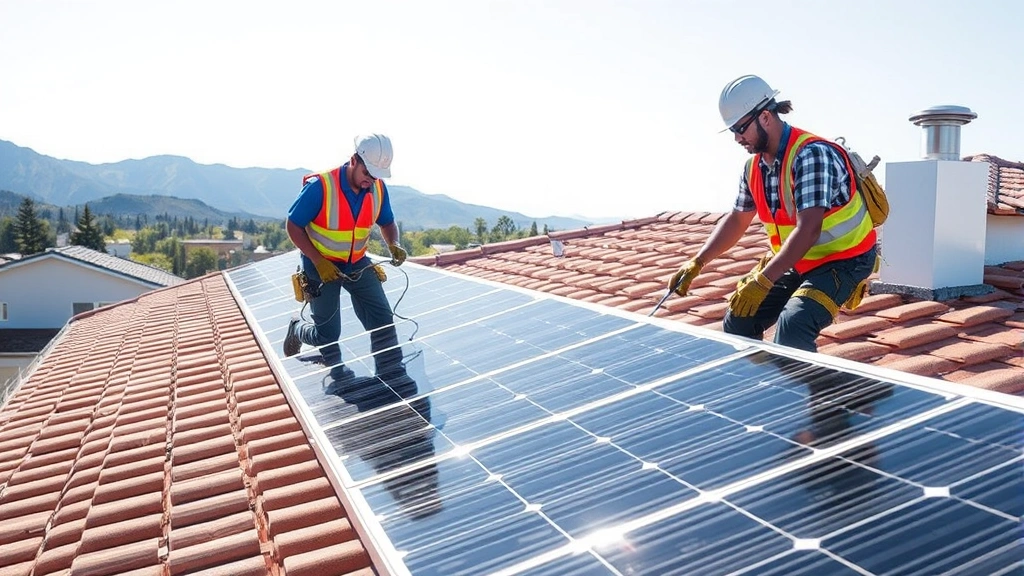
Renewable energy represents the fastest-growing employment sector globally, with solar and wind energy leading expansion. Solar photovoltaic installation has become the largest renewable energy employer, with positions ranging from electricians and roofers to system designers and quality assurance specialists. The International Renewable Energy Agency reports that solar employment alone exceeded 4.3 million positions in 2021, with projected growth of 15% annually through 2030.
Wind energy employment follows a similar trajectory, with onshore and offshore installations requiring diverse skill sets. Technicians must possess electrical, mechanical, and hydraulic expertise. The sector demands specialized training in turbine maintenance, a field where technicians earn median salaries 20-30% above comparable manufacturing positions. Geographic distribution of wind jobs concentrates in regions with strong wind resources and supportive policy environments—China, the United States, Germany, and increasingly India and Brazil.
The renewable energy supply chain extends employment far beyond installation and operation. Manufacturing facilities producing solar cells, inverters, and balance-of-system components employ hundreds of thousands. Logistics networks, warehousing, and distribution centers support rapid deployment of renewable infrastructure. Research and development positions in materials science, electrical engineering, and systems optimization drive technological innovation that enhances efficiency and reduces costs.
Geographic disparities in renewable energy employment reflect policy frameworks and resource availability. Germany’s feed-in tariff system created predictable revenue streams that stimulated manufacturing investment, generating 300,000 renewable energy jobs by 2020. China’s dominance in solar manufacturing—controlling approximately 80% of global photovoltaic production—has concentrated employment in coastal manufacturing hubs while creating distributed installation jobs nationwide.
Career progression in renewable energy demonstrates strong wage growth potential. Entry-level solar installers earn $35,000-$45,000 annually, with supervisory and engineering positions commanding $70,000-$120,000. These compensation levels, combined with job security and career advancement opportunities, make renewable energy increasingly attractive to young workers seeking stable, meaningful employment.
Sustainable Agriculture and Forestry Careers
Agricultural employment has historically been declining in developed economies due to mechanization and industrialization. However, sustainable agriculture and regenerative farming practices are reversing this trend by creating knowledge-intensive positions requiring ecological expertise. Organic farming operations employ 30-40% more workers per hectare than conventional agriculture, generating employment in crop management, soil conservation, and integrated pest management.
Agroforestry—integrating trees with crops or livestock—creates specialized positions combining forestry and agricultural knowledge. These systems enhance biodiversity, sequester carbon, and improve ecosystem resilience while maintaining productive capacity. Practitioners require understanding of both agricultural productivity and ecological dynamics, positioning them at the intersection of environmental science and food security.
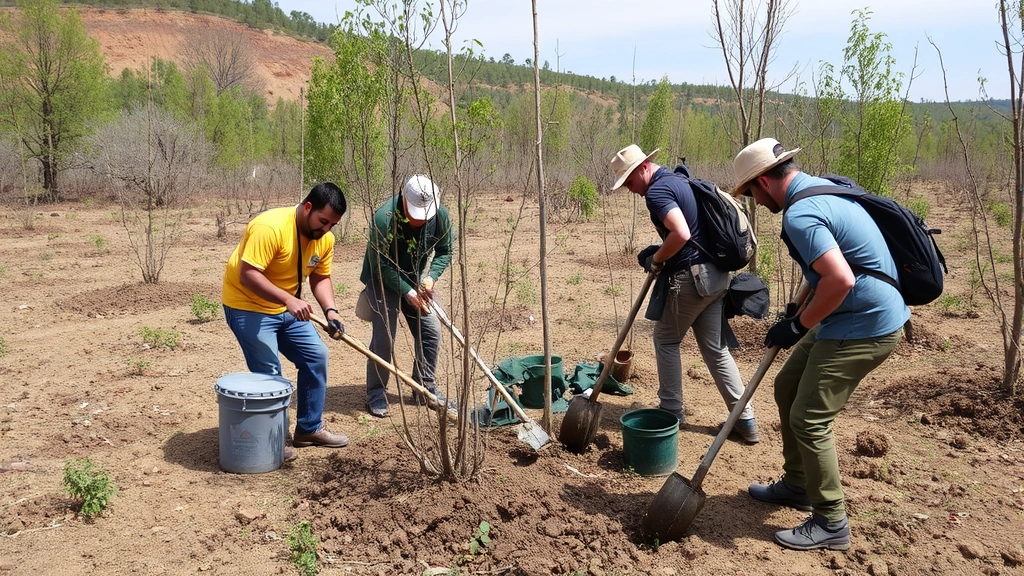
Forestry employment extends beyond timber harvesting to include conservation, reforestation, and ecosystem restoration. Carbon offset forestry—growing trees specifically for carbon sequestration—has created new market segments employing foresters, environmental monitors, and carbon accountants. The Nature Conservancy estimates that forest restoration initiatives globally could generate 1.5 million jobs by 2030.
Understanding human environment interaction in agricultural contexts reveals how employment practices can simultaneously support livelihoods and ecosystem health. Permaculture designers create agricultural systems that mimic natural ecosystems, requiring specialized training in systems thinking and ecological design. These positions command premium wages reflecting their expertise and the sustainability premium consumers increasingly pay for environmentally responsible products.
Supply chain employment in sustainable agriculture includes certification verification, marketing, distribution, and quality assurance. Fair trade and organic certification systems employ thousands of auditors and coordinators ensuring compliance with environmental and social standards. These roles support market mechanisms that reward sustainable practices, creating economic incentives for ecological stewardship.
Environmental Remediation and Conservation Work
Environmental remediation—addressing pollution, contamination, and ecological degradation—represents a massive employment opportunity rooted in addressing past environmental damage. Brownfield remediation, hazardous waste management, and contamination cleanup require specialized expertise in chemistry, engineering, and environmental science. These positions typically offer above-average compensation due to technical requirements and potential hazard exposure.
Conservation employment encompasses habitat restoration, invasive species management, wildlife protection, and ecosystem monitoring. National parks, nature reserves, and private conservation organizations employ biologists, ecologists, and field technicians. The Nature Conservancy and World Wildlife Fund collectively employ over 15,000 professionals globally, with thousands more working for governmental agencies and smaller nonprofits.
Water quality management and watershed restoration generate substantial employment. Positions include hydrologists, water quality technicians, riparian restoration specialists, and aquatic ecologists. As water scarcity and pollution increasingly challenge global food security and public health, these roles gain urgency and funding priority. The World Bank estimates that water and sanitation infrastructure investment could create 6 million jobs globally by 2030.
Ecosystem-based adaptation employment emerges from recognizing that nature-based solutions often provide superior climate resilience compared to purely engineered approaches. Positions in mangrove restoration, coral reef rehabilitation, and coastal wetland protection combine ecological science with climate adaptation strategy. These roles increasingly attract funding from climate finance mechanisms and adaptation-focused development programs.
Understanding definition of human environment interaction illuminates how remediation employment represents corrective human action—addressing past environmental degradation through deliberate restoration efforts. This sector demonstrates that ecological damage, while representing tragic loss, simultaneously creates employment opportunities for those committed to environmental restoration.
Green Building and Energy Efficiency
The building sector accounts for approximately 40% of global energy consumption and 30% of energy-related carbon emissions. Green building and energy efficiency retrofitting represents one of the largest green job sectors, employing millions in construction, engineering, and energy auditing. LEED certification, Passivhaus standards, and national building codes increasingly mandate efficiency improvements, driving consistent demand for specialized expertise.
Energy auditors assess building performance and recommend efficiency improvements, commanding median salaries of $55,000-$75,000. Positions require technical knowledge of building systems, thermography, and energy modeling software. The U.S. Department of Energy estimates that comprehensive building efficiency improvements could create 3 million jobs over a decade.
Weatherization and insulation specialists perform the hands-on work of improving building thermal performance. These positions require specific technical skills but lower educational barriers than engineering roles, making them accessible to workers transitioning from declining manufacturing sectors. Union apprenticeship programs increasingly emphasize green building skills, creating career pathways with strong wage progression.
Heat pump installation represents a rapidly expanding employment category as electrification replaces fossil fuel heating. Heat pump technicians require HVAC knowledge plus additional training in electric systems and refrigerant handling. As natural gas heating faces regulatory restrictions in major markets, heat pump installation demand is projected to increase 300-400% over the next decade.
Sustainable building materials manufacturing and supply chain positions support the green building transition. Workers in recycled materials processing, timber certification, and renewable material production increasingly fill manufacturing employment gaps created by declining conventional material industries. This transition demonstrates how environmental imperatives can be economically managed through deliberate workforce development and just transition policies.
Policy, Investment, and Economic Implications
Green job creation depends fundamentally on policy frameworks that create economic incentives for sustainable practices. Carbon pricing mechanisms, renewable energy mandates, building efficiency standards, and environmental regulations establish market conditions favoring green employment. The European Union’s Green Deal, committing to climate neutrality by 2050, explicitly targets job creation alongside emissions reduction, demonstrating policy integration of environmental and employment objectives.
Investment patterns reflect this policy orientation. Global investment in renewable energy reached $366 billion in 2022, with employment growth substantially exceeding job losses in declining fossil fuel sectors. However, transition equity remains contentious—workers in coal mining and fossil fuel production require deliberate support to access green economy opportunities. Just transition frameworks, combining income support, retraining programs, and community investment, address distributional concerns essential for political sustainability of climate policies.
Educational and training infrastructure determines whether green job opportunities reach workers across skill levels and geographic regions. Community colleges, vocational schools, and apprenticeship programs increasingly emphasize green building trades, renewable energy installation, and environmental science. These pathways prove particularly effective for workers without four-year degrees, democratizing access to growing employment sectors.
Understanding types of environments helps contextualize how employment opportunities vary by ecological context. Coastal communities may emphasize marine conservation and sustainable fisheries, while agricultural regions focus on regenerative farming and agroforestry. This geographic differentiation allows green job creation to leverage regional comparative advantages while addressing locally-relevant environmental challenges.
Economic multiplier effects from green job creation extend benefits beyond direct employment. Green workers spend wages in local communities, supporting retail, housing, and service sectors. Research indicates green jobs generate 10-20% higher economic multipliers than fossil fuel employment, meaning each green job supports 1.5-2.5 additional jobs in supporting sectors. This multiplier advantage, combined with reduced healthcare costs from improved air quality and ecosystem services, creates compelling economic cases for green transition investment.
The International Labour Organization emphasizes that green job creation must integrate labor standards, worker protections, and social dialogue to ensure quality employment. Green jobs that exploit workers or create precarious conditions undermine both social equity and environmental goals. Sustainable employment requires competitive wages, benefits, career advancement, and safe working conditions—standards that green sectors increasingly meet or exceed.
Global economic competitiveness increasingly hinges on green economy leadership. Nations investing early in green infrastructure, workforce development, and technology innovation establish competitive advantages in rapidly expanding markets. Germany’s renewable energy sector, despite higher labor costs, maintains global competitiveness through technological sophistication and workforce expertise. This dynamic suggests that green job creation, far from representing economic burden, enables economic dynamism and competitive advantage.
Examining environment examples demonstrates how diverse ecosystems and economic contexts enable varied green employment pathways. Tropical regions leverage biodiversity conservation and sustainable forestry, while temperate zones emphasize renewable energy and building efficiency. This diversity suggests that green transitions need not follow uniform paths but can reflect local ecological and economic conditions.
The financing mechanisms supporting green job creation continue evolving. Green bonds, dedicated to funding environmental projects, have grown from $11 billion (2013) to over $500 billion annually by 2022. Climate finance from developed to developing nations increasingly emphasizes employment co-benefits, recognizing that climate action can simultaneously address development and job creation objectives. The UNEP Finance Initiative coordinates private sector engagement in funding green transitions, mobilizing capital for employment-generating sustainable projects.
Labor market transitions require managing displacement and distributional impacts. Fossil fuel sector employment has declined from 10.5 million (2012) to approximately 8.5 million (2022) globally, with concentrated regional impacts. Supporting affected workers through income protection, retraining subsidies, and community investment prevents political opposition to necessary transitions. Evidence from Germany’s coal phase-out demonstrates that well-designed just transition policies can maintain public support while managing employment displacement.
FAQ
What qualifications do I need for green jobs?
Qualifications vary dramatically across green sectors. Solar installation typically requires high school education plus technical certification (often 6-12 months). Environmental science positions require bachelor’s degrees or higher. Many green jobs offer apprenticeship pathways combining on-the-job training with classroom instruction, enabling career entry without extensive prior education. Community colleges increasingly offer green building and renewable energy certificates requiring 1-2 years of study.
Are green jobs recession-proof?
Green jobs demonstrate greater recession resilience than average employment due to policy support and infrastructure investment continuity. However, they’re not entirely recession-proof—the 2008 financial crisis temporarily reduced renewable energy investment and construction employment. Long-term policy commitments and climate urgency create stronger structural support than typical economic sectors, but macroeconomic conditions still influence employment levels.
What’s the average salary for green jobs?
Green job salaries vary substantially by sector and position. Entry-level environmental technicians earn $30,000-$40,000, while experienced engineers and specialists command $80,000-$150,000+. Renewable energy and green building trades often offer above-average compensation compared to traditional construction due to specialized skills and growing demand. Benefits packages increasingly include healthcare, retirement, and professional development opportunities.
How quickly is the green job sector growing?
Green sector employment has grown 5-15% annually over the past decade, substantially exceeding overall job market growth of 1-2%. Growth rates vary by region and sector—renewable energy installation grows fastest at 10-15%, while environmental remediation and conservation grow 3-7%. Projections suggest 20-30 million green jobs globally by 2030, representing 5-8% of total employment.
Can I transition to green jobs from other sectors?
Career transitions to green jobs are increasingly feasible. Manufacturing workers transition to renewable energy installation, construction workers move into green building, and agricultural workers adopt sustainable farming practices. Retraining programs, apprenticeships, and community college certificates facilitate transitions. Government workforce development programs increasingly fund green job training for displaced workers, recognizing employment co-benefits of environmental transitions.
Which regions have the most green job opportunities?
Green job opportunities concentrate in regions with strong climate policies and renewable energy investment: Northern Europe (particularly Germany and Scandinavia), China, the United States (especially California and Northeast), and increasingly India and Brazil. However, opportunities exist globally—developing nations are establishing green manufacturing capacity, creating distributed employment across regions. Local opportunities depend on specific environmental priorities and available resources.


