Can Economy Thrive Without Ecosystem? Study Insights
The relationship between economic growth and ecological health represents one of the most pressing questions of our time. For decades, conventional economic theory treated the environment as an external factor—a resource to be exploited rather than a foundational system upon which all economic activity depends. However, mounting scientific evidence and comprehensive economic analyses now reveal a starkly different reality: economies cannot sustainably thrive without healthy, functioning ecosystems.
Recent studies from leading research institutions and international organizations demonstrate that ecosystem services—the benefits humans derive from natural systems—contribute trillions of dollars annually to global economic output. When we examine the intricate connections between environmental degradation and economic decline, a compelling narrative emerges: the collapse of ecosystems inevitably leads to economic stagnation, reduced productivity, increased healthcare costs, and diminished human wellbeing across all income levels.
This comprehensive analysis explores the scientific evidence, economic data, and policy implications of the ecosystem-economy nexus, challenging the persistent myth that environmental protection and economic prosperity are mutually exclusive goals.
The Economic Value of Ecosystem Services
Ecosystem services encompass the multitude of benefits that natural systems provide to human populations. These include provisioning services like food, fresh water, and raw materials; regulating services such as climate regulation, water purification, and disease control; supporting services including nutrient cycling and habitat provision; and cultural services providing recreational, spiritual, and aesthetic value.
A landmark 1997 study published in Nature estimated the total value of global ecosystem services at approximately $33 trillion annually—nearly twice the global gross domestic product at that time. More recent analyses have refined these estimates, accounting for inflation and improved methodology, suggesting values approaching $125 trillion when considering the full range of services and their interdependencies.
Consider pollination services alone: honeybees and wild pollinators contribute an estimated $15-20 billion annually to agricultural production in the United States. Without these ecosystem services, food production would collapse, prices would skyrocket, and rural economies dependent on agriculture would face catastrophic decline. Yet conventional GDP accounting assigns zero value to pollinator populations until they disappear and markets respond with crisis pricing.
Water purification represents another critical ecosystem service. Natural wetlands, forests, and riparian zones filter water, removing contaminants and pathogens at a cost far below what municipalities must spend on artificial treatment infrastructure. When these natural systems are destroyed, governments and businesses must invest billions in replacement technologies—essentially paying for services nature previously provided freely.
The relationship between human environment interaction and economic value becomes evident when examining coastal ecosystems. Mangrove forests, seagrass meadows, and coral reefs provide storm protection, nursery habitats for commercial fish species, and tourism revenue. The economic value of these services—estimated at $37,000 per hectare annually for mangroves—far exceeds short-term profits from aquaculture or coastal development that destroys them.
How Ecosystem Collapse Triggers Economic Decline
The causal pathway from ecological degradation to economic contraction operates through multiple mechanisms, creating cascading effects throughout interconnected economic systems. Understanding these pathways is essential for policymakers seeking to prevent preventable economic crises.
Agricultural productivity loss represents the most direct mechanism. Soil degradation affects 33% of global agricultural land, reducing yields and requiring increased inputs of fertilizers, pesticides, and irrigation. This drives up production costs while reducing output—a devastating combination for agricultural-dependent economies. Sub-Saharan Africa, where agriculture comprises 15-30% of GDP in many nations, faces particular vulnerability to soil erosion and desertification.
Supply chain disruption emerges as ecosystem services degrade. Freshwater scarcity affects 4 billion people periodically and constrains manufacturing, power generation, and agricultural production. The semiconductor industry, for example, requires massive quantities of ultrapure water; Taiwan’s recent droughts directly impacted global chip production and economic output worldwide.
Public health crises follow ecosystem collapse through multiple pathways. Deforestation increases zoonotic disease spillover risk—diseases jumping from wildlife to humans. The economic costs of pandemic response, healthcare burden, and productivity loss dwarf the short-term profits from forest conversion. COVID-19’s economic impact exceeded $10 trillion globally, yet pandemic risk directly correlates with habitat destruction and biodiversity loss.
Climate instability imposes massive economic costs through extreme weather events, infrastructure damage, and agricultural disruption. The World Bank estimates that without climate action, global GDP could decline by 10-23% by 2100. These costs dwarf investments required for ecosystem restoration and renewable energy transition.
Labor productivity decline occurs as environmental degradation increases heat stress, water scarcity, and disease burden. Workers in agriculture, construction, and outdoor industries experience reduced productivity and increased health costs. Studies show that each degree Celsius of warming reduces labor productivity by 1.7% in outdoor work sectors.
Understanding the scientific definition of environment helps clarify why these interconnections matter: the environment isn’t separate from economy—it’s the foundational system within which all economic activity occurs.

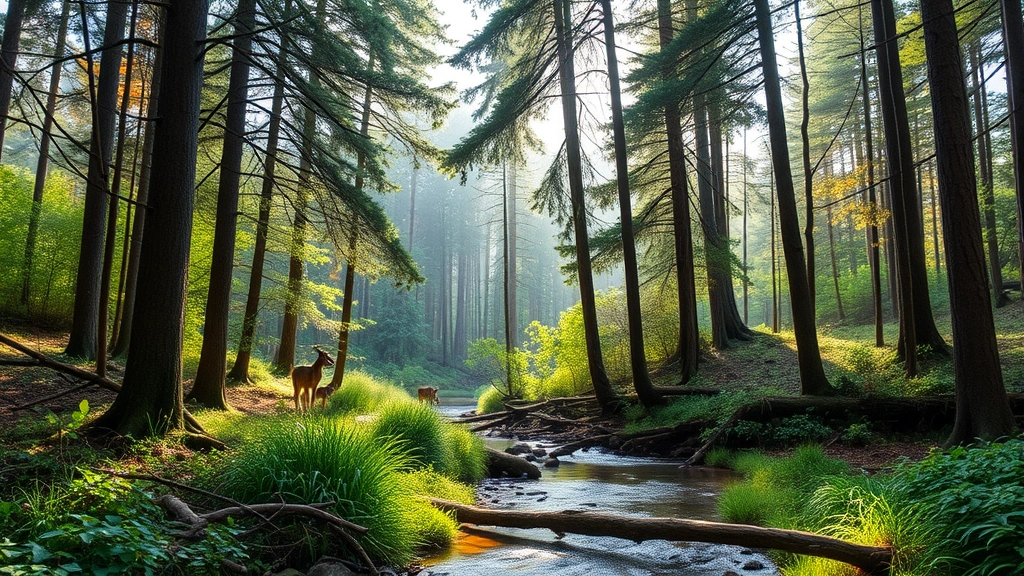
” alt=”Forest ecosystem demonstrating biodiversity and carbon sequestration”/>
Natural Capital Accounting and GDP Limitations
Traditional GDP accounting measures economic activity but fails to account for natural capital depletion—the destruction of environmental assets. When a nation harvests all its forests, GDP increases from timber sales while natural capital decreases by far more. This accounting error creates the illusion of economic growth while actual wealth declines.
Natural capital accounting, endorsed by the United Nations Environment Programme, incorporates ecosystem asset values into national accounts. Countries implementing adjusted net savings measures—which subtract environmental degradation from GDP—reveal starkly different economic trajectories.
Botswana, for example, shows robust conventional GDP growth, yet adjusted net savings accounting reveals that resource depletion and environmental degradation reduce true economic growth by 3-5% annually. This hidden erosion of wealth explains why populations in resource-rich nations sometimes experience declining living standards despite GDP expansion.
The definition of environment and environmental science increasingly incorporates economic valuation, recognizing that environmental science and economics must integrate for accurate policy analysis.
Carbon accounting exemplifies this challenge. Burning fossil fuels generates GDP through energy production and consumption, yet imposes climate costs—estimated at $51 per ton of CO2 in social damages—that never appear in national accounts. Adjusted accounting reveals that many nations’ true economic growth is negative when environmental costs are included.
Biodiversity loss similarly escapes GDP measurement. A 68% decline in global wildlife populations since 1970 represents massive natural capital destruction, yet GDP continues rising. This accounting failure incentivizes environmental destruction: converting forests to agriculture increases GDP while reducing wealth in natural capital.
Case Studies: Economic Consequences of Environmental Degradation
The Aral Sea Disaster: Soviet-era irrigation projects diverted water from the Aral Sea for cotton production. The sea’s surface area declined by 90%, destroying fisheries that employed 60,000 workers and supported regional economies. Salt dust from the exposed seabed created health crises, reducing labor productivity and life expectancy. The short-term agricultural gains proved ephemeral as soil salinization eventually reduced cotton yields below pre-diversion levels. Economic recovery requires decades of ecosystem restoration investment.
Indonesian Peatland Conversion: Between 2000-2016, Indonesia converted 2.3 million hectares of peatland to palm oil plantations. Peatland drainage releases carbon, degrading soil carbon stocks worth trillions in climate regulation services. Palm oil profits accrued to corporations while costs—increased carbon emissions, fire risks, methane release—distributed across global populations. The 2015 fires in peatlands generated $16 billion in economic losses across Southeast Asia from air pollution alone.
Fisheries Collapse: The Grand Banks cod fishery in Canada, once producing 250,000 tons annually, collapsed in 1992 from overharvesting. 40,000 people lost livelihoods. The fishery remains closed decades later, representing permanent loss of economic productivity. Ecosystem restoration costs exceed immediate harvesting profits by orders of magnitude.
Agricultural Soil Degradation: Global soil loss rates of 24 billion tons annually reduce agricultural productivity, requiring increased inputs and driving farmer debt. Sub-Saharan Africa loses $4 billion annually in agricultural productivity from soil degradation. Without ecosystem restoration, these regions face increasing food insecurity and economic decline.
Climate Change as Economic Multiplier Risk
Climate change amplifies ecosystem-economy linkages through multiple reinforcing mechanisms. Rising temperatures stress ecosystems beyond adaptation capacity, triggering cascading failures that propagate through economic systems.
Agricultural vulnerability: Each degree Celsius of warming reduces global crop yields by 3-7%. Simultaneously, extreme weather events—floods, droughts, hurricanes—destroy agricultural infrastructure and stored crops. Developing nations dependent on agriculture face simultaneous yield decline and increased production volatility, creating food security crises and economic instability.
Water stress: Climate change alters precipitation patterns, creating water scarcity in agricultural regions. The Indus, Ganges, and Yellow Rivers—supporting billions—face reduced flows from glacier melt and altered monsoon patterns. Water scarcity triggers agricultural decline, hydropower loss, and conflict, destabilizing economies across Asia.
Biodiversity collapse acceleration: Climate change combines with habitat destruction to drive species extinctions at rates 100-1000 times background levels. Ecosystem functions degrade as species diversity declines, reducing ecosystem resilience and service provision. Economic consequences compound as multiple services degrade simultaneously.
Infrastructure vulnerability: Coastal cities housing 40% of global population face inundation from sea-level rise. Trillions in real estate, ports, and industrial facilities become economically stranded. Insurance costs rise exponentially as climate risks increase, reducing capital availability for productive investment.
The relationship between carbon footprint reduction and economic resilience demonstrates that climate action and economic prosperity align rather than conflict.
Pathways to Inclusive Economic Growth
Evidence increasingly demonstrates that ecosystem restoration and economic development are complementary rather than contradictory objectives. Multiple pathways exist for achieving prosperity while regenerating natural capital.
Regenerative agriculture: Farming practices incorporating crop rotation, cover crops, and reduced tillage rebuild soil carbon while maintaining yields. Costs are minimal while benefits include improved resilience, reduced input requirements, and premium market prices. Farmers adopting regenerative practices experience 20-30% yield increases over time while building natural capital.
Renewable energy transition: Solar and wind technologies now cost less than fossil fuels in most markets. Transitioning energy systems creates more jobs than fossil fuel industries while eliminating carbon emissions and air pollution health costs. Economic analysis demonstrates net job creation and cost savings from renewable energy deployment.
Circular economy models: Designing products for reuse and recycling reduces resource extraction, manufacturing costs, and waste management expenses. Circular business models create jobs in remanufacturing and recycling while reducing environmental impacts. Companies adopting circular models report 15-40% cost reductions and improved market competitiveness.
Ecosystem restoration investment: Restoring forests, wetlands, and grasslands creates jobs while rebuilding natural capital. Studies show ecosystem restoration generates $7-15 in economic benefits for every dollar invested through improved water quality, carbon sequestration, and biodiversity recovery.
Sustainable tourism: Ecotourism generates revenue while incentivizing ecosystem protection. Communities protecting forests earn more through sustainable tourism than through logging or conversion. Costa Rica demonstrates this model’s viability: forest cover increased from 25% (1987) to 52% (2020) while tourism became the largest economic sector.
The concept of human environment interaction evolves toward regenerative rather than extractive models, creating economic opportunities while restoring ecological health.
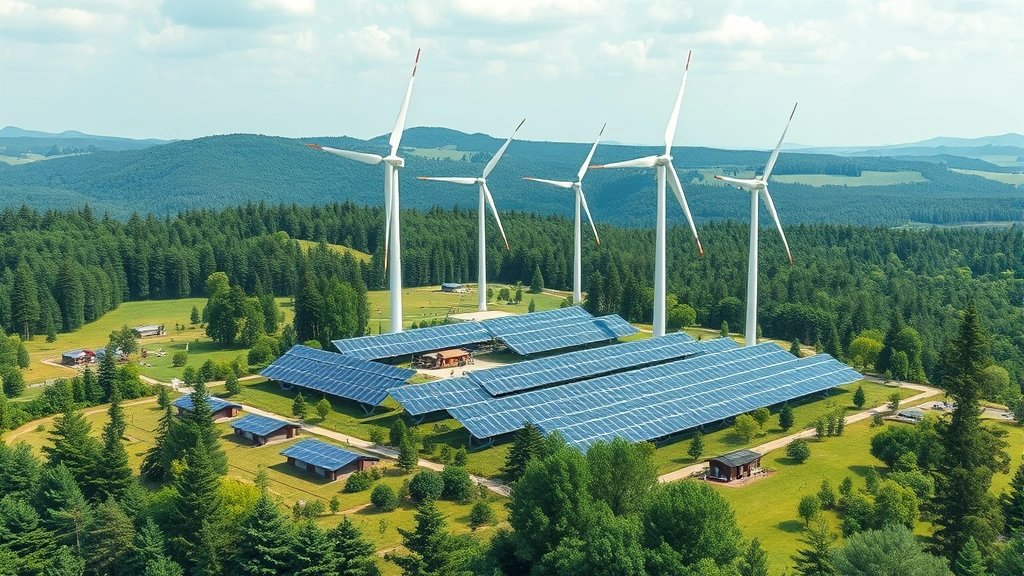
” alt=”Renewable energy infrastructure integrated with restored natural landscape”/>
Policy Frameworks and Implementation
Translating ecosystem-economy understanding into effective policy requires comprehensive frameworks addressing market failures, distributional concerns, and implementation challenges.
Natural capital accounting: Governments implementing adjusted net savings measures gain accurate understanding of true economic growth. The World Bank’s Natural Capital Accounting initiative supports countries developing comprehensive environmental-economic accounts. Integration into national accounting systems creates incentives for ecosystem protection.
Payment for ecosystem services: Direct compensation for ecosystem protection aligns economic incentives with conservation. Costa Rica’s Payment for Ecosystem Services program compensates landowners for forest conservation, water protection, and carbon sequestration. The program costs $50-100 per hectare annually while ecosystem services provide $1000+ in value.
Carbon pricing: Carbon taxes or cap-and-trade systems internalize climate costs into economic decisions. Studies demonstrate carbon prices of $50-100 per ton drive rapid renewable energy deployment and energy efficiency improvements. Revenue recycling—returning carbon tax revenue to households and workers—addresses distributional concerns while supporting transition.
Subsidy reform: Eliminating $500+ billion in annual fossil fuel subsidies redirects capital toward clean energy. Subsidy removal, coupled with clean energy investment support, accelerates transition while improving fiscal positions. Political challenges remain significant, but economic logic is clear.
Biodiversity protection: Protected area networks, habitat corridors, and species protection programs maintain ecosystem functions essential for economic stability. Investment in protected areas costs $10-15 billion annually while providing $100+ billion in ecosystem service value.
Climate adaptation investment: Building resilience to unavoidable climate change requires investment in drought-resistant agriculture, flood-resistant infrastructure, and climate-resilient water systems. Adaptation costs are 5-10 times lower than disaster recovery costs, making adaptation economically rational.
Implementation requires overcoming political economy barriers, including incumbent interests benefiting from status quo. The Ecological Economics Society and research institutions provide scientific foundation for policy innovation, yet political will remains critical bottleneck.
Supporting resources like the Ecorise Daily Blog document policy innovations and implementation examples, demonstrating feasibility of ecosystem-economy integration.
FAQ
Can economic growth continue without ecosystem degradation?
Yes. Decoupling economic growth from environmental impact is achievable through renewable energy, circular economy models, and regenerative agriculture. Several wealthy nations have reduced emissions while maintaining GDP growth. However, global decoupling at scale remains incomplete, requiring accelerated transition.
What is the economic value of ecosystem services?
Global ecosystem services provide $125 trillion annually in value. This includes pollination ($15-20 billion in US agriculture alone), water purification, climate regulation, and biodiversity support. Traditional GDP accounting omits these values, creating policy distortions.
How does ecosystem collapse affect employment?
Ecosystem collapse destroys livelihoods in agriculture, fisheries, forestry, and tourism while creating expensive recovery needs. Transition toward sustainable practices creates more jobs than extractive industries, though geographic and occupational transitions require support.
What policies most effectively integrate ecosystem protection and economic growth?
Natural capital accounting, carbon pricing, ecosystem service payments, subsidy reform, and protected area investment all demonstrate effectiveness. Comprehensive policy packages addressing multiple market failures prove more effective than single-instrument approaches.
How does climate change relate to ecosystem-economy linkages?
Climate change amplifies ecosystem-economy connections through agricultural disruption, water scarcity, infrastructure vulnerability, and biodiversity loss. Climate impacts impose massive economic costs—$10-23% of GDP by 2100 without action—while climate solutions create economic opportunities.
Can developing nations afford ecosystem protection?
Yes. Ecosystem restoration costs $10-15 billion annually while providing $100+ billion in benefits. Developing nations particularly benefit from ecosystem protection given greater dependence on ecosystem services and greater climate vulnerability. International climate finance should support ecosystem restoration.


