
Texas Economy: Impact of Hostile Workplaces? Study
The Texas economy, spanning diverse sectors from energy and agriculture to technology and manufacturing, faces an often-overlooked challenge: the pervasive impact of hostile work environments on economic productivity and growth. Recent research reveals that workplace hostility—encompassing harassment, discrimination, bullying, and toxic management practices—creates measurable economic consequences that ripple through corporate profitability, employee retention, healthcare costs, and regional competitiveness. As one of the nation’s largest economies with a GDP exceeding $2.3 trillion, Texas’s economic resilience depends significantly on workforce stability, innovation capacity, and human capital development, all of which deteriorate in hostile workplace conditions.
Understanding the relationship between workplace culture and economic performance requires examining multiple dimensions: direct costs associated with employee turnover and absenteeism, indirect expenses tied to reduced productivity and innovation, and systemic effects on regional economic development. When workers experience hostile environments, they disengage from their roles, seek employment elsewhere, and contribute less to organizational innovation—factors that compound across Texas’s diverse industrial base. This analysis synthesizes emerging research on workplace hostility’s economic footprint while exploring Texas-specific implications for business competitiveness, workforce development, and long-term regional prosperity.
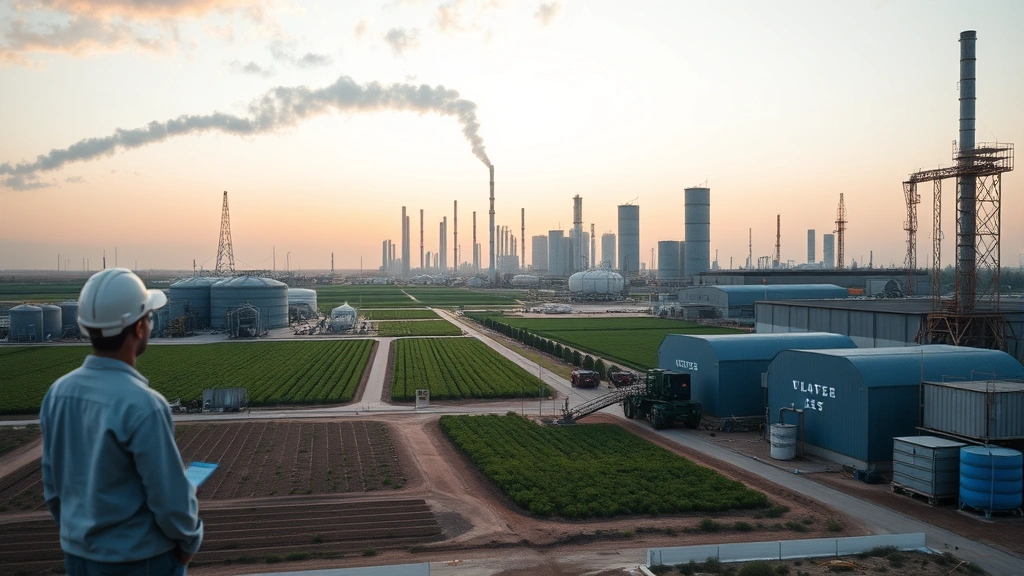
Defining Hostile Work Environments in Economic Context
A hostile work environment extends beyond legal definitions used in employment law to encompass a broader spectrum of workplace conditions that undermine employee wellbeing and organizational effectiveness. From an economic perspective, hostile workplaces include environments characterized by persistent interpersonal conflict, discriminatory practices, inadequate psychological safety, poor management practices, and systemic barriers to equitable treatment. These conditions manifest across Texas industries—from oil and gas operations to healthcare facilities, agricultural enterprises, and technology firms—affecting workers across wage levels and demographic categories.
The economic significance of workplace hostility lies in its impact on human capital utilization. When employees work in hostile conditions, their cognitive capacity diverts from productive tasks toward self-protection, stress management, and conflict navigation. This psychological drain reduces the effective labor supply available to organizations, diminishing returns on human capital investments. Research from the International Labour Organization documents that hostile workplace cultures generate measurable performance deficits across organizational metrics. For Texas, where competitive advantage increasingly depends on innovation and knowledge-worker productivity, these efficiency losses threaten economic dynamism.
Understanding human environment interaction provides valuable context for analyzing workplace dynamics as an economic system. Just as ecological systems require balance and mutual support, economic systems depend on healthy interpersonal environments where trust, cooperation, and psychological safety enable optimal performance. When workplace environments become hostile—analogous to ecological degradation—the entire system experiences reduced capacity and resilience.
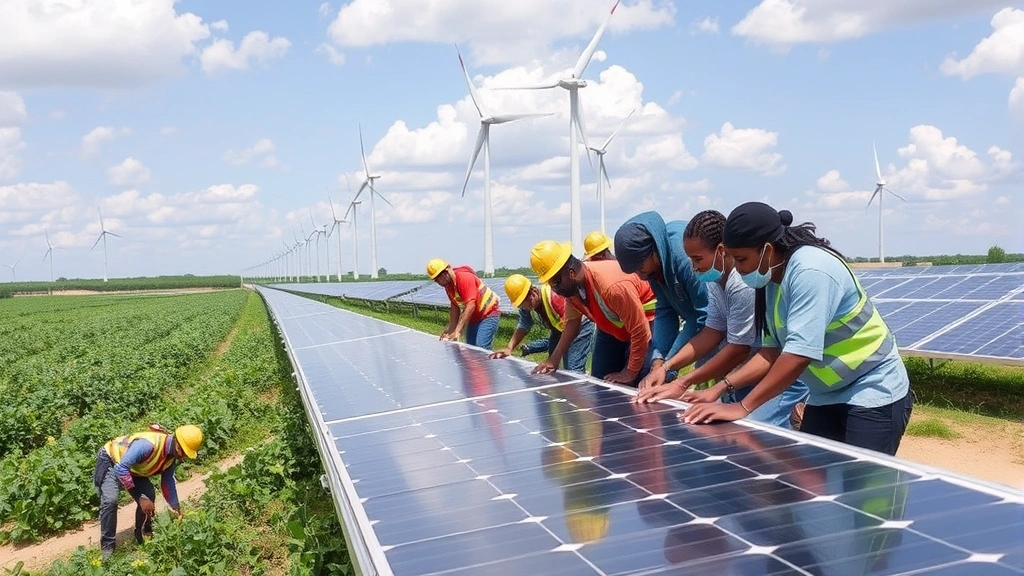
Quantifying Direct Economic Costs
Direct economic costs of hostile work environments in Texas encompass employee turnover expenses, recruitment and training investments, legal liabilities, and healthcare expenditures. Research indicates that replacing an employee costs between 50-200% of their annual salary, depending on position level and specialization. In Texas’s competitive labor markets, particularly for skilled positions in technology, energy, and healthcare sectors, replacement costs escalate significantly. When hostile workplaces drive above-average turnover rates—studies suggest 40-60% higher turnover in toxic environments compared to healthy ones—the accumulated financial burden becomes substantial.
Consider a mid-sized Texas energy company employing 500 workers with average salaries of $75,000. If hostile workplace conditions increase annual turnover from 15% (industry baseline) to 25%, the organization loses 50 additional employees annually. At conservative replacement costs of $30,000 per employee, this represents $1.5 million in direct turnover costs. Extrapolated across Texas’s workforce, these dynamics suggest billions in annual economic losses concentrated in industries with documented workplace culture challenges.
Legal and compliance costs compound direct expenses. Organizations with documented hostile workplace practices face litigation costs, settlements, regulatory penalties, and compliance training investments. The Equal Employment Opportunity Commission reports increasing hostile workplace complaints across Texas, with average settlement amounts ranging from $50,000 to $500,000+ for substantiated cases. These financial exposures incentivize workplace culture improvements while documenting the real economic consequences of continued hostility.
Healthcare expenditures represent another significant direct cost. Employees experiencing workplace hostility exhibit higher rates of stress-related conditions, depression, hypertension, and cardiovascular disease. Texas employers bear these costs through health insurance premiums, workers’ compensation claims, and disability expenses. Studies indicate that workers in hostile environments generate 30-50% higher healthcare costs compared to counterparts in psychologically safe workplaces, translating to thousands of dollars per employee annually.
Productivity Loss and Innovation Decline
Beyond direct financial costs, hostile work environments generate substantial productivity losses that undermine Texas’s competitive advantage in knowledge-intensive sectors. When employees experience workplace hostility, their engagement declines, absenteeism increases, and discretionary effort—the extra commitment that drives organizational excellence—evaporates. Research from the Gallup Organization demonstrates that engaged employees demonstrate 17% higher productivity compared to disengaged counterparts, while hostile environments typically reduce engagement scores by 40-60%.
Innovation capacity suffers particularly severely in hostile workplace environments. Breakthrough innovations emerge from psychological safety, where employees feel comfortable proposing unconventional ideas, collaborating across boundaries, and iterating on failures. Hostile workplaces suppress such behaviors, causing employees to restrict communication to minimal required interactions. For Texas’s emerging technology hubs, biotech clusters, and innovation-dependent energy companies pursuing renewable transitions, this innovation suppression directly threatens competitive positioning and long-term growth trajectories.
The productivity-hostility relationship compounds over time as organizational culture deteriorates. High-performing employees—those with strongest market options—depart first, leaving behind less engaged workforces with reduced capability to drive organizational performance. This creates downward spirals where declining performance pressures remaining managers, often exacerbating hostile behaviors and accelerating further departures. Texas organizations experiencing these dynamics find themselves locked in destructive cycles that require substantial intervention to reverse.
Quantifying productivity losses requires examining output metrics across industries. In manufacturing, hostile environments correlate with 10-15% productivity declines. In service sectors, customer satisfaction metrics decline 20-30% when employee engagement suffers. For knowledge workers in technology and professional services, productivity losses manifest in delayed projects, reduced code quality, and slower problem-solving. Aggregated across Texas’s diverse economy, these productivity losses likely represent 2-4% of total economic output in affected organizations—a staggering figure when applied to the state’s trillion-dollar economic base.
Texas-Specific Labor Market Implications
Texas’s labor market dynamics amplify hostile workplace impacts in distinctive ways. The state’s rapid population growth, attracting workers from across the nation and globally, creates competitive talent markets where workers increasingly exercise choice about employment conditions. Texas’s absence of state income tax and business-friendly regulatory environment have historically attracted businesses, but these advantages erode when workplace cultures drive talented workers toward competitors in California, Colorado, and other states investing in inclusive, psychologically safe workplace standards.
Specific Texas industries face particular challenges. The energy sector, historically central to Texas prosperity, confronts generational workforce transitions as younger employees prioritize workplace culture and values alignment alongside compensation. A hostile workplace culture in an oil and gas company may cause millennial and Gen-Z workers to pursue renewable energy opportunities elsewhere, exacerbating workforce development challenges during critical industry transitions. Similarly, Texas healthcare systems competing nationally for nursing and clinical talent find that hostile workplace reputations significantly impair recruitment in already tight labor markets.
The Ecorise Daily Blog explores interconnections between human systems and environmental sustainability, relevant to understanding how workplace quality affects broader economic resilience. When hostile workplaces drive talented workers away, communities lose human capital crucial for developing sustainable business practices and green economy transitions. Texas’s opportunity to lead renewable energy adoption and sustainable development depends partly on retaining and attracting workers committed to these missions—outcomes undermined by hostile workplace cultures.
Agricultural sectors in Texas face distinct challenges where seasonal employment, immigrant worker populations, and rural isolation sometimes create environments susceptible to exploitation and hostility. When agricultural employers establish hostile conditions, they damage Texas agriculture’s capacity to attract permanent workforce talent and modernize operations. This has cascading effects on rural economic development, community stability, and agricultural productivity across the state.
Health Care and Social Costs
Hostile work environments generate substantial public health costs that extend beyond individual employers to affect Texas’s healthcare systems and social infrastructure. Workers experiencing workplace hostility exhibit elevated rates of mental health disorders, substance abuse, cardiovascular disease, and chronic stress conditions. These health impacts translate into increased utilization of emergency departments, mental health services, and chronic disease management resources—costs ultimately borne by Texas’s healthcare system and taxpayers.
Mental health impacts prove particularly significant. Research indicates that employees in hostile workplaces experience depression and anxiety at rates 2-3 times higher than workers in psychologically safe environments. These mental health challenges often persist beyond employment termination, affecting workers’ subsequent job performance and healthcare utilization. For Texas, where mental health resources already face supply constraints, workplace-derived mental health burdens strain existing systems and divert resources from other public health priorities.
Substance abuse correlates strongly with workplace stress and hostility. Workers experiencing hostile conditions show elevated rates of alcohol and drug use as coping mechanisms. This creates cascading social costs including increased traffic fatalities, family disruption, criminal justice system involvement, and lost productivity from substance-related impairment. Texas communities with concentrated hostile workplace industries experience elevated substance abuse rates, creating public health crises that extend far beyond workplace boundaries.
Family and community impacts multiply individual health consequences. Workers experiencing workplace hostility bring stress home, affecting family relationships, parenting capacity, and children’s developmental outcomes. Children of parents in hostile workplaces show elevated rates of behavioral problems, academic underperformance, and stress-related health conditions. These intergenerational effects reduce human capital development across Texas communities, with long-term implications for workforce quality and economic competitiveness.
Regional Competitiveness and Business Migration
Texas’s economic competitiveness increasingly depends on attracting and retaining knowledge workers, entrepreneurs, and innovative companies. Workplace culture—including freedom from hostility and discrimination—significantly influences location decisions for both individual workers and companies. As remote work capabilities expand, workers increasingly prioritize workplace culture over geographic proximity, enabling them to avoid hostile employers regardless of location advantages. Companies evaluating relocation decisions now systematically assess regional workplace culture, diversity metrics, and employee satisfaction indicators.
When Texas regions develop reputations for hostile workplace cultures—whether in specific industries or geographic areas—they face competitive disadvantages in attracting talent and investment. Young professionals considering relocating to Texas weigh not only compensation and cost of living but also workplace quality and inclusive culture. Companies evaluating Texas locations consider whether local labor markets include workers aligned with their organizational values. Hostile workplace cultures undermine both individual and organizational location decisions, gradually shifting competitive advantages toward regions with stronger workplace culture commitments.
This competitive dynamic proves particularly consequential for Texas’s emerging technology sectors. Austin, Dallas, and Houston compete nationally for tech talent, startups, and venture capital investment. Companies and workers evaluating these markets consider not only technical talent availability and business incentives but also workplace culture and inclusivity. Hostile workplace incidents in Texas tech companies generate national attention, affecting regional reputation and talent recruitment. Similarly, healthcare systems competing for nursing talent find that workplace culture reputations significantly impact recruitment success in competitive national markets.
Understanding environment and environmental science concepts illuminates how workplace systems function as ecosystems where quality of relationships, trust, and mutual support determine system health. Just as environmental degradation reduces ecosystem capacity, workplace hostility reduces organizational and regional economic capacity. Texas regions investing in psychologically safe, inclusive workplace cultures build competitive advantages in attracting talent and investment—advantages that compound over time as positive cultures self-reinforce through attraction of like-minded workers and companies.
Environmental and Ecosystem Connections
Connections between hostile workplace cultures and environmental sustainability prove significant when examined through ecological economics frameworks. Companies with toxic workplace cultures typically prioritize short-term financial extraction over long-term stakeholder value creation, including environmental stewardship. Workers experiencing hostility lack psychological resources and organizational trust necessary for engaging in sustainability initiatives or raising environmental concerns. This creates correlations between workplace hostility and environmental degradation—companies with poor internal cultures often demonstrate weak environmental practices.
Texas’s energy transition toward renewable sources depends partly on workforce engagement and commitment. Workers in renewable energy companies with hostile cultures show lower innovation capacity and higher turnover, directly impairing the state’s capacity to develop and deploy clean energy solutions. Conversely, renewable energy companies with strong, inclusive workplace cultures attract talent committed to sustainability missions, generating positive feedback loops where workplace quality and environmental performance reinforce each other.
The how to reduce carbon footprint discussion increasingly encompasses organizational practices, including workplace culture. Companies reducing environmental footprints require workforce engagement, innovative thinking, and cross-functional collaboration—all undermined by hostile workplace conditions. Sustainable business transformation requires psychological safety, trust, and employee commitment to organizational missions—precisely the conditions destroyed by workplace hostility.
Ecological economics perspectives emphasize that economic systems depend on healthy social and natural capital foundations. Hostile workplaces deplete social capital—the trust, cooperation, and mutual support enabling economic coordination. When social capital erodes through workplace hostility, organizations lose capacity for the complex coordination required for sustainable practices, innovation, and long-term value creation. Texas’s transition toward sustainable economic models depends on rebuilding social capital through workplace cultures that eliminate hostility and foster psychological safety.
Agricultural sectors illustrate these connections concretely. Texas agriculture’s capacity to adopt sustainable practices—water conservation, soil health, integrated pest management—depends on engaged, stable workforces with psychological safety to experiment with new approaches. Hostile agricultural workplaces characterized by exploitation and poor treatment generate high turnover, preventing implementation of sustainable practices requiring long-term workforce commitment and learning. Improving workplace conditions in Texas agriculture simultaneously addresses human welfare, economic sustainability, and environmental stewardship—interconnected outcomes reflecting ecological economics principles.
FAQ
What constitutes a hostile work environment in Texas?
A hostile work environment in Texas encompasses conditions where harassment, discrimination, bullying, or abusive management practices create an intimidating, offensive, or threatening workplace. This includes behaviors based on protected characteristics (race, gender, religion, disability, age), general bullying unrelated to protected status, and management practices that create pervasive psychological harm. Texas law incorporates federal employment standards while allowing specific state protections.
How much does workplace hostility cost the Texas economy annually?
Quantifying exact costs proves challenging, but research suggests hostile workplaces generate tens of billions in annual losses across Texas through turnover, healthcare expenses, productivity decline, and legal costs. Conservative estimates suggest 2-4% productivity losses in affected organizations, translating to hundreds of billions across the state economy. Direct turnover costs alone likely exceed $5-10 billion annually given Texas’s workforce size.
Which Texas industries face the greatest hostile workplace challenges?
Energy, agriculture, healthcare, construction, and manufacturing sectors report elevated hostile workplace incidents in research literature. These industries often feature hierarchical management structures, physical hazards creating stress, seasonal employment reducing workforce stability, and demographic patterns enabling discriminatory practices. However, hostile workplaces occur across all industries and organizational sizes.
How does workplace hostility affect Texas’s competitiveness?
Hostile workplace cultures impair Texas’s capacity to attract and retain talented workers, particularly in competitive national labor markets. They reduce innovation capacity in knowledge-intensive sectors, damage regional reputations, increase legal liabilities, and undermine workforce development in growing industries like renewable energy. These factors gradually shift competitive advantages toward regions with stronger workplace culture commitments.
What economic benefits result from eliminating hostile workplaces?
Organizations eliminating hostile workplace practices typically experience 15-40% turnover reductions, 10-20% productivity increases, 20-30% healthcare cost reductions, and significant improvements in innovation metrics. Scaled across Texas’s economy, eliminating hostile workplaces could generate hundreds of billions in economic value through improved productivity, reduced turnover, enhanced innovation, and stronger regional competitiveness.
How do hostile workplaces affect environmental sustainability in Texas?
Hostile workplace cultures undermine environmental sustainability by reducing worker engagement in sustainability initiatives, impairing innovation capacity required for clean technology development, and correlating with companies prioritizing short-term extraction over long-term stewardship. Texas’s energy transition and sustainable agriculture adoption depend partly on workforce engagement and commitment—outcomes undermined by workplace hostility.
What policy approaches could address Texas hostile workplace economics?
Effective approaches include strengthening workplace culture standards in business incentive programs, enhancing enforcement of existing employment protections, supporting workplace culture assessments and improvement initiatives, integrating workplace quality metrics into business competitiveness rankings, and developing workforce development programs emphasizing psychological safety and inclusive management practices. World Bank research on inclusive economic development provides relevant frameworks for policy design.


