Is Washington Boulevard Safe? LA Sanitation Insights and Environmental Health Analysis
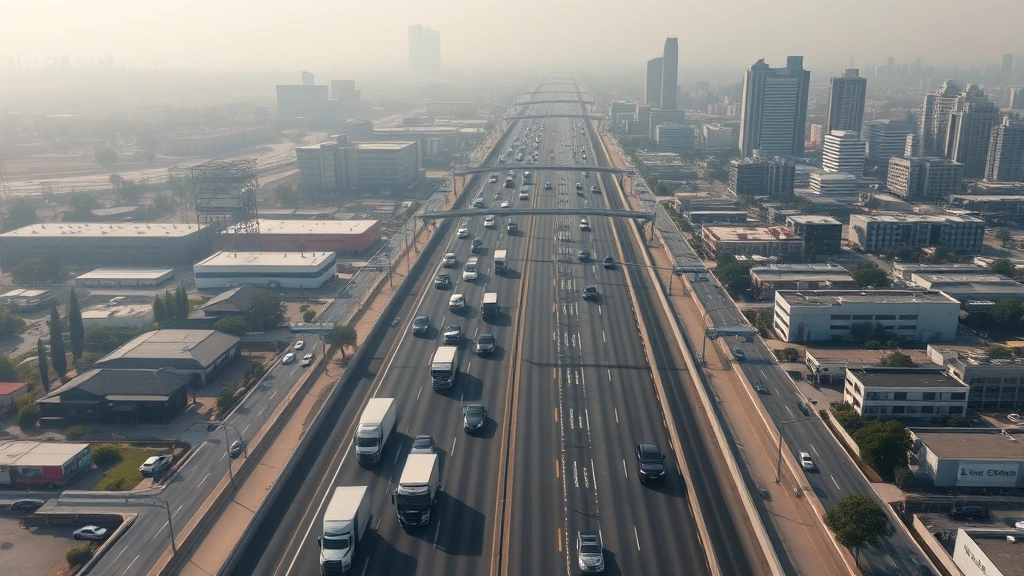
Washington Boulevard in Los Angeles has become a focal point for discussions about urban safety, public health, and environmental sanitation infrastructure. As one of the city’s major arterial roads, the boulevard intersects multiple neighborhoods and industrial zones, raising critical questions about waste management practices, air quality, and the ecological implications of concentrated human activity. Understanding the safety profile of Washington Boulevard requires examining both traditional crime statistics and the often-overlooked dimension of environmental sanitation—factors that directly impact public health outcomes and community resilience.
The relationship between sanitation infrastructure and urban safety extends beyond conventional metrics. Poor waste management systems correlate with increased disease transmission, pest infestations, and deteriorating community conditions that can compound social challenges. Los Angeles’s Department of Sanitation and Environment (LASAN) oversees critical operations affecting Washington Boulevard’s corridor, managing everything from street cleaning to hazardous waste disposal. This comprehensive analysis explores the intersection of environmental health, sanitation practices, and community safety along this important urban thoroughfare.
Understanding Washington Boulevard’s Environmental Profile
Washington Boulevard extends across diverse Los Angeles neighborhoods, from the industrial areas near the port to residential communities inland. This geographic diversity creates complex environmental challenges that demand integrated solutions. The boulevard serves as a transportation corridor for commercial vehicles, waste collection trucks, and daily commuter traffic—all contributing to environmental stress and potential health hazards.
The environmental science perspective on urban corridors recognizes that streets function as ecosystems themselves. Washington Boulevard’s environment encompasses atmospheric composition, soil contamination potential, stormwater systems, and the biological communities affected by ongoing human activities. Heavy vehicle traffic generates particulate matter, nitrogen oxides, and volatile organic compounds that accumulate along the corridor, particularly during peak traffic hours.
Environmental health researchers have documented that residents living within 300 meters of major traffic corridors experience elevated exposure to air pollutants. Washington Boulevard’s status as a regional connector means continuous exposure for nearby populations. The human-environment interaction in this context demonstrates how urban design decisions directly affect community health outcomes. Property values, disease prevalence rates, and life expectancy statistics show measurable correlations with proximity to heavily-trafficked arterial roads.
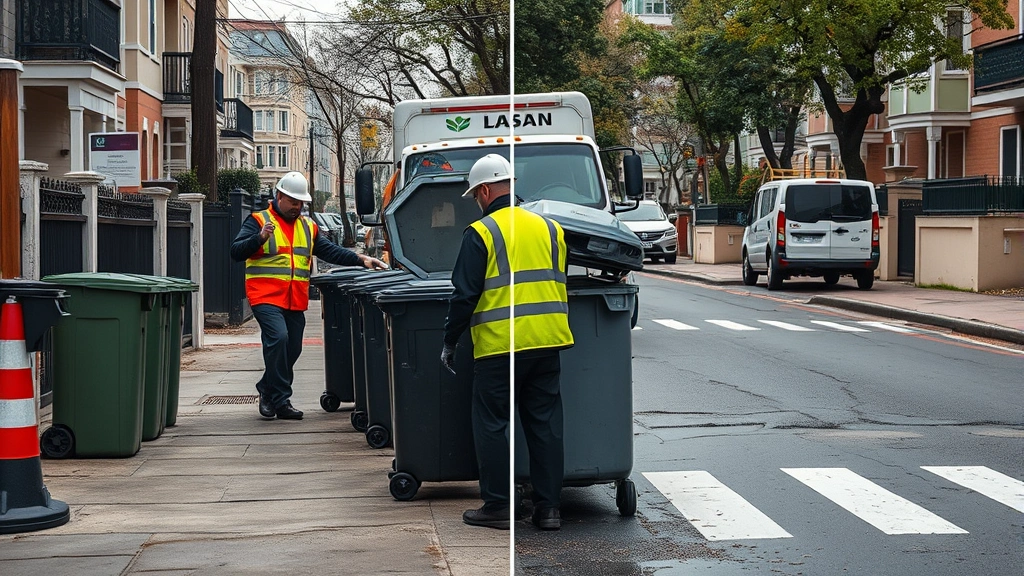
LASAN’s operational zones along Washington Boulevard must address the dual challenge of managing waste streams while mitigating environmental impacts. The agency oversees street sweeping operations, illegal dumping prevention, and coordination with waste haulers. Data from LASAN indicates that certain segments of Washington Boulevard experience higher volumes of illegal dumping—a symptom of inadequate waste disposal infrastructure accessibility and enforcement resource limitations.
LA Sanitation Infrastructure and Waste Management Systems
Los Angeles’s sanitation system represents one of the largest municipal waste management operations in North America. LASAN manages approximately 16,000 tons of solid waste daily, operating through integrated systems of collection, processing, and disposal. Washington Boulevard’s safety profile depends significantly on the effectiveness of these sanitation operations.
The city operates through a hybrid system combining municipal collection with private hauler networks. Residential areas along Washington Boulevard typically receive weekly curbside collection, while commercial districts require more frequent service. The effectiveness of these operations directly impacts environmental sanitation—inadequate collection schedules lead to accumulation of waste, attracting vectors for disease transmission and creating nuisance conditions.
Sanitation infrastructure includes underground storm drains, catch basins, and treatment systems designed to manage runoff and prevent contamination. However, many of LA’s systems date from the mid-20th century and face capacity challenges during heavy precipitation events. Washington Boulevard’s position relative to watershed systems and drainage infrastructure affects how effectively pollutants are captured or dispersed into receiving waters.
The economic dimension of sanitation services reveals important insights about safety outcomes. LASAN’s budget constraints have historically limited street sweeping frequency in lower-income neighborhoods—creating environmental inequities where vulnerable populations experience higher exposure to accumulated pollutants and waste. Research on environmental justice demonstrates that this disparity contributes to measurable health disparities, with asthma rates, respiratory diseases, and other pollution-related conditions clustering in under-served areas.
Hazardous waste management along Washington Boulevard presents particular concerns. Industrial facilities, automotive repair shops, and commercial operations generate hazardous materials requiring specialized disposal. Improper handling or illegal dumping of these substances poses acute health risks. LASAN maintains monitoring programs and conducts enforcement actions, but resource limitations mean that detection and response rates remain below ideal levels.
Air Quality and Pollution Concerns
Air quality along Washington Boulevard reflects the cumulative impact of vehicular emissions, industrial activities, and regional atmospheric conditions. The South Coast Air Quality Management District (SCAQMD) maintains monitoring stations throughout Los Angeles, providing data on pollutant concentrations. Historical data shows that areas near Washington Boulevard frequently exceed federal air quality standards for particulate matter (PM2.5 and PM10) and ozone.
Diesel particulate matter from heavy-duty trucks represents a primary concern along this commercial corridor. Research published in environmental health journals documents that diesel exhaust contains over 40 toxic air contaminants, including benzene, formaldehyde, and polycyclic aromatic hydrocarbons. Chronic exposure to these compounds increases risks for cardiovascular disease, respiratory diseases, and certain cancers.
The carbon footprint implications of transportation activities along Washington Boulevard extend beyond local air quality. Heavy vehicle traffic contributes substantially to greenhouse gas emissions, with climate change creating secondary health impacts through heat stress and altered disease transmission patterns. The World Bank’s research on urban air quality demonstrates that congested corridors in developing and middle-income cities experience health costs exceeding 2-3% of GDP.
Seasonal variations affect air quality significantly. During winter months, temperature inversions trap pollutants near ground level, creating hazardous conditions. Summer ozone formation accelerates during high-temperature periods, driven by reactions between nitrogen oxides and volatile organic compounds—both abundant along Washington Boulevard. Children, elderly populations, and individuals with respiratory conditions face elevated health risks during poor air quality episodes.
Mitigation strategies require coordinated approaches involving traffic management, emission standards enforcement, and land-use planning. LASAN collaborates with SCAQMD on initiatives to reduce emissions from municipal operations, including conversion of waste collection vehicles to cleaner fuels. However, comprehensive air quality improvement requires regional cooperation and investment in public transit alternatives to reduce vehicle traffic along the corridor.
Water Quality and Runoff Management
Washington Boulevard’s position within Los Angeles’s watershed system affects water quality in receiving streams and coastal waters. Urban runoff from the boulevard carries pollutants accumulated on street surfaces—including tire wear particles, brake dust, oil residues, and atmospheric fallout. During rain events, this accumulated material mobilizes, creating pulses of contamination in stormwater systems.
The Los Angeles River, which Washington Boulevard crosses in multiple locations, has historically received significant stormwater pollution loads. Recent restoration efforts have improved water quality, but continued challenges persist. Pollutants of particular concern include heavy metals (lead, zinc, copper), petroleum hydrocarbons, and suspended sediments. These contaminants accumulate in sediments and bioaccumulate in aquatic food chains, affecting fish populations and ultimately human consumers.
Green infrastructure implementation represents a promising approach to improving water quality along Washington Boulevard. Permeable pavements, bioswales, and rain gardens can capture and filter stormwater before it enters storm drains. However, retrofitting established urban corridors presents significant technical and financial challenges. Property ownership patterns, existing utility conflicts, and maintenance requirements complicate implementation.
Illegal dumping directly impacts water quality when hazardous materials enter stormwater systems. LASAN’s enforcement efforts address this challenge, but deterrence requires adequate surveillance resources and rapid response capabilities. Community reporting mechanisms and public awareness campaigns can enhance detection, but sustained funding for enforcement remains inconsistent.
Public Health Indicators and Community Impact
Comprehensive safety assessment of Washington Boulevard requires examination of public health data reflecting environmental exposures. The Los Angeles County Department of Public Health maintains epidemiological data on disease prevalence, hospitalizations, and mortality outcomes disaggregated by geographic area. Communities adjacent to Washington Boulevard show elevated rates of respiratory diseases, cardiovascular conditions, and asthma—conditions directly linked to air pollution exposure.
Environmental epidemiology research has established dose-response relationships between air pollutant concentrations and health outcomes. Studies following cohorts exposed to different pollution levels document measurable impacts on life expectancy, with heavily-polluted urban corridors showing 1-3 year reductions in average lifespan compared to less-polluted areas. These disparities concentrate among lower-income and communities of color—populations with limited residential mobility and disproportionate exposure to environmental hazards.
The intersection of environmental health and traditional safety concerns creates compounding vulnerabilities. Communities experiencing elevated environmental pollution often simultaneously face higher violent crime rates, inadequate police resources, and reduced investment in public services. This clustering of disadvantage reflects historical patterns of environmental racism and discriminatory land-use planning that concentrated polluting industries in minority neighborhoods.
Occupational health considerations apply to LASAN workers and other professionals regularly exposed to conditions along Washington Boulevard. Sanitation workers face elevated risks for respiratory diseases, infectious disease exposure, and musculoskeletal injuries. Adequate personal protective equipment, medical surveillance, and ergonomic accommodations represent necessary components of occupational safety programs.
Economic Implications of Environmental Health
The economics of environmental health along Washington Boulevard extend far beyond direct healthcare costs. Environmental economics research quantifies the economic value of ecosystem services, health benefits from pollution reduction, and costs of environmental degradation. Washington Boulevard’s environmental conditions generate substantial economic impacts across multiple dimensions.
Healthcare costs attributable to air pollution exposure represent measurable economic burdens. The American Heart Association estimates that air pollution-related cardiovascular disease costs the U.S. economy over $30 billion annually in medical expenses and lost productivity. Washington Boulevard’s contribution to regional pollution loads translates into quantifiable healthcare expenses concentrated among nearby populations.
Property values reflect market capitalization of environmental amenities and hazards. Research on hedonic property pricing demonstrates that proximity to pollution sources reduces property values by 5-15%, depending on pollution intensity and demographic characteristics. This capitalization effect creates wealth disparities, as lower-income populations unable to relocate experience both greater environmental exposure and reduced home equity appreciation.
Productivity losses from illness and premature mortality represent additional economic costs. Workers experiencing pollution-related respiratory symptoms show reduced work attendance and decreased productivity. Students in heavily-polluted areas demonstrate lower academic achievement, with longitudinal studies documenting impacts on educational attainment and lifetime earnings potential.
Environmental remediation and infrastructure investment requirements generate economic opportunities. Conversion of waste collection vehicles to electric or hydrogen fuel cell technology requires capital investment but creates operational savings through reduced fuel costs. Green infrastructure implementation generates employment while improving environmental outcomes. However, realizing these economic benefits requires sustained public investment and policy commitments prioritizing environmental health.
The World Bank’s environmental economics framework emphasizes that environmental degradation represents a form of capital depletion—reducing the productive capacity of communities and regions. Investing in environmental restoration and pollution prevention represents economically rational policy, generating returns through improved health, increased productivity, and enhanced ecosystem services.
Los Angeles’s broader economic competitiveness depends on environmental quality improvements. Talent recruitment and retention challenges intensify in regions with poor environmental conditions. Technology companies and knowledge-intensive industries increasingly prioritize locations with high environmental quality, creating competitive disadvantages for regions with degraded air and water quality.
FAQ
What specific health risks are associated with Washington Boulevard proximity?
Proximity to Washington Boulevard exposes residents to elevated concentrations of air pollutants including particulate matter, nitrogen oxides, and volatile organic compounds. These exposures increase risks for respiratory diseases (asthma, chronic obstructive pulmonary disease), cardiovascular disease, and certain cancers. Children and elderly populations face elevated vulnerability due to developing or compromised respiratory systems.
How frequently does LASAN conduct street cleaning operations on Washington Boulevard?
Street cleaning frequency varies by location and neighborhood classification. Commercial districts typically receive more frequent service than residential areas. However, resource constraints mean that cleaning schedules often fall below optimal frequencies for pollution control. Residents can check LASAN’s website for specific schedules for their location.
Are there illegal dumping hotspots along Washington Boulevard?
Yes, certain segments experience higher illegal dumping rates, particularly near industrial areas and underutilized properties. LASAN maintains an online reporting system for illegal dumping incidents. Community reporting facilitates rapid response and enforcement actions. Adequate lighting, surveillance, and regular monitoring reduce dumping incidence.
What air quality standards apply to Washington Boulevard?
Federal Clean Air Act standards establish National Ambient Air Quality Standards (NAAQS) for criteria pollutants including ozone, particulate matter, nitrogen dioxide, and sulfur dioxide. California standards often exceed federal requirements. SCAQMD monitors compliance and implements air quality management plans targeting attainment of standards.
How does Washington Boulevard’s environmental quality compare to other LA corridors?
Comparative analysis depends on specific metrics and monitoring locations. Washington Boulevard’s heavy truck traffic generates higher diesel emissions than residential streets but may show lower pollution concentrations than corridors with greater industrial activity. Regional monitoring data from SCAQMD enables detailed comparisons of specific pollutants across different locations.
What community initiatives address environmental health along Washington Boulevard?
Community organizations, environmental justice groups, and local government agencies collaborate on initiatives including green infrastructure projects, air quality monitoring programs, and advocacy for stricter emissions standards. UNEP’s environmental programs provide frameworks for community-based environmental health protection. Resident participation in local planning processes influences land-use and transportation decisions affecting environmental quality.
How does environmental sanitation affect traditional crime safety?
Environmental conditions influence community well-being and public safety through multiple pathways. Neighborhoods experiencing environmental degradation often show reduced civic investment and community cohesion, potentially contributing to higher crime rates. Conversely, visible environmental improvements signal community investment and can enhance neighborhood perception and safety. The concept of environmental quality extends to creating conditions where communities thrive.
What role do residents play in improving Washington Boulevard’s environmental health?
Residents influence environmental quality through multiple actions: proper waste disposal reducing illegal dumping, participation in community clean-up events, reporting environmental violations to LASAN, supporting policy initiatives for pollution reduction, and advocating for investment in public transit and active transportation alternatives. Individual and collective action contributes to measurable environmental improvements.


