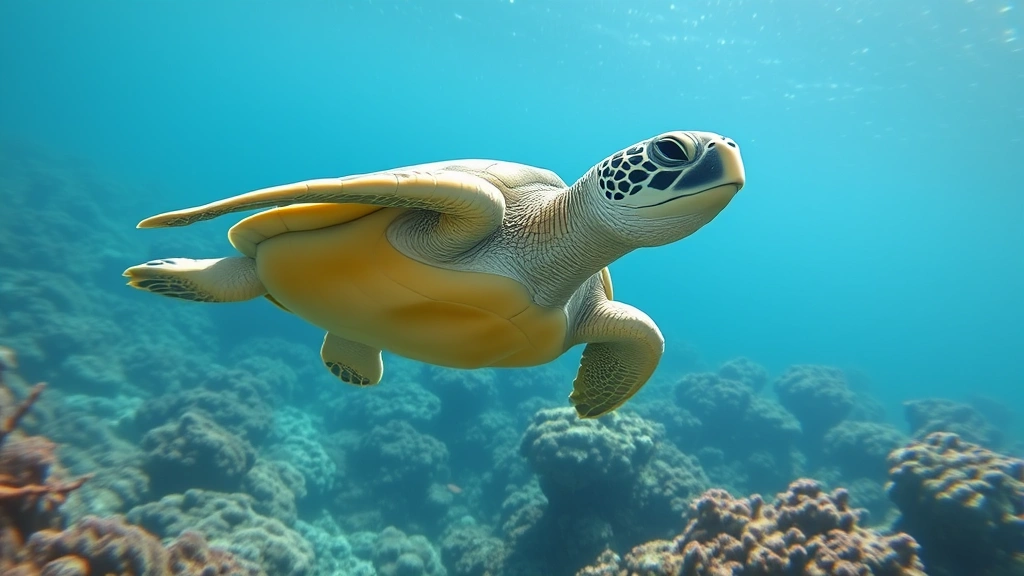
Turtle Conservation Boosts Economy: Study Shows
Recent comprehensive research demonstrates that turtle conservation initiatives generate substantial economic returns while simultaneously protecting critical ecosystem services. A groundbreaking study reveals that investments in turtle habitat restoration and population management programs yield measurable financial benefits across multiple sectors, challenging the traditional narrative that environmental protection competes with economic growth. This convergence of ecological preservation and economic prosperity represents a pivotal shift in how policymakers and businesses approach conservation strategy.
The emerging evidence suggests that turtle populations function as economic assets rather than liabilities. From supporting tourism industries to maintaining healthy aquatic ecosystems that provide commercial benefits, these reptiles contribute billions in ecosystem service value annually. Understanding the economic dimensions of turtle conservation requires examining the intricate relationships between biodiversity protection, ecosystem function, and human economic systems—a framework increasingly recognized as essential for sustainable development.
This comprehensive analysis explores the economic mechanisms through which turtle conservation drives economic growth, the quantifiable benefits documented in recent research, and the policy implications for integrating biodiversity protection with economic development strategies. By examining real-world case studies and empirical data, we can understand how environmental stewardship and economic prosperity become mutually reinforcing rather than contradictory objectives.
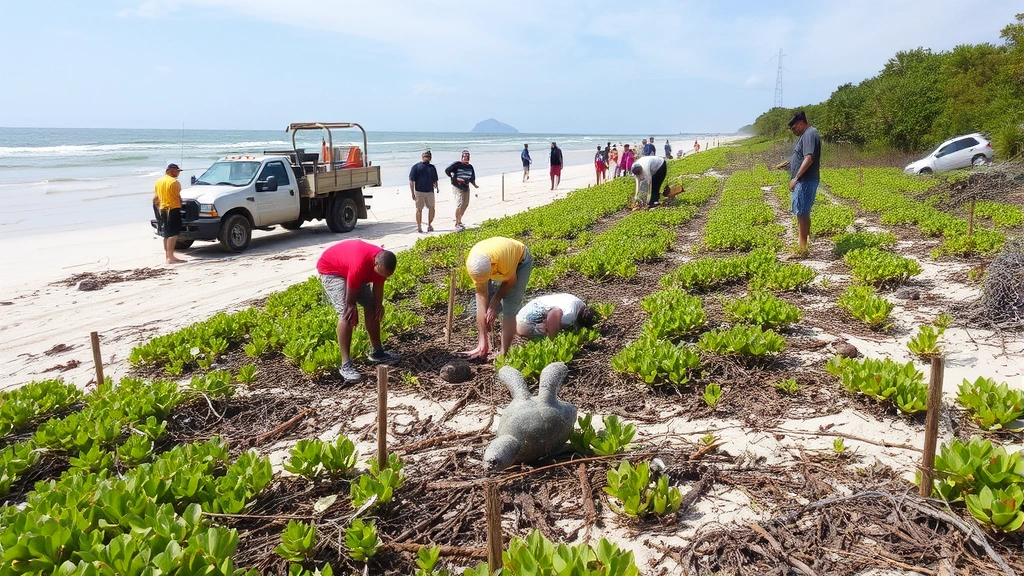
Economic Value of Turtle Ecosystems
Turtles occupy critical ecological niches in both aquatic and terrestrial environments, providing services that generate measurable economic value. The concept of environmental services and their economic valuation has become central to modern conservation economics. Marine turtles, for instance, maintain seagrass beds and coral reef health through their feeding behaviors, protecting fisheries that support millions of livelihoods globally.
Research from the World Bank indicates that marine turtle conservation in the Caribbean alone supports approximately $3.1 billion in annual economic activity through fisheries protection and tourism. These figures represent direct economic benefits rather than speculative valuations, demonstrating that turtle conservation translates into concrete financial outcomes. The economic multiplier effect extends through local communities, where conservation employment generates spending that stimulates broader economic activity.
Freshwater turtles contribute similarly significant economic benefits through their roles in aquatic food webs and nutrient cycling. In Southeast Asian regions where freshwater turtle populations remain substantial, their presence maintains water quality standards that reduce treatment costs for communities dependent on these water sources. The cost avoidance from natural water purification services—provided by turtle-supported ecosystems—represents tangible economic savings that rarely appear in conventional economic accounting.
Understanding the scientific definition of environment and ecosystem dynamics reveals why turtle populations function as economic infrastructure. When turtle populations decline, the cascading ecological effects—algal blooms, fish stock collapse, water quality degradation—impose enormous costs on human economies. These negative externalities demonstrate that turtle extinction would represent not merely an environmental tragedy but an economic catastrophe.
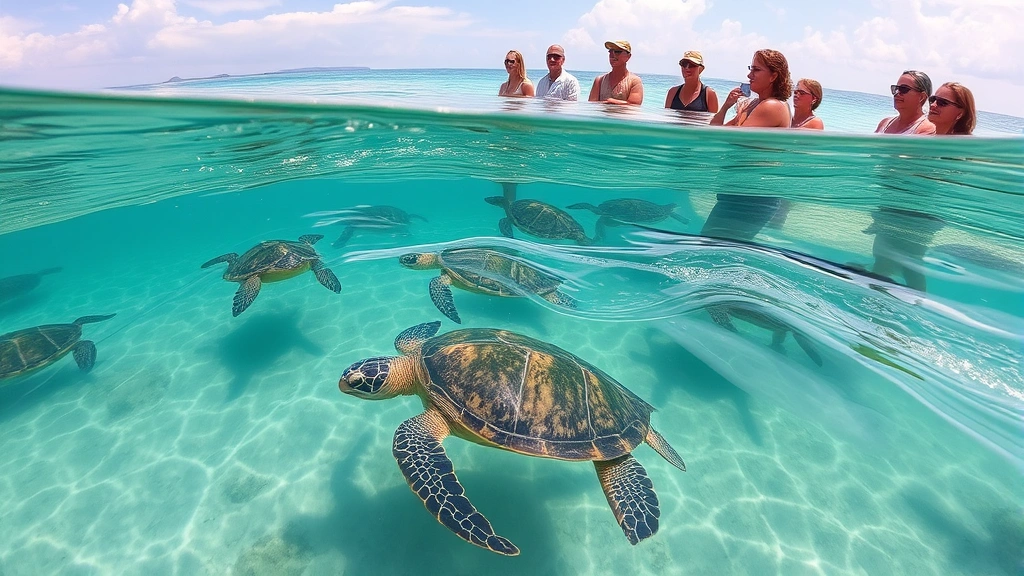
Tourism Revenue and Conservation Success
Turtle-based ecotourism generates substantial revenue streams that directly fund conservation efforts while creating employment in rural and coastal communities. Costa Rica’s sea turtle tourism program exemplifies this economic model, generating approximately $25 million annually while supporting over 2,000 direct and indirect jobs. These tourism revenues exceed the opportunity costs of alternative land uses, making conservation economically rational from a purely business perspective.
The tourism multiplier effect amplifies initial conservation investments. Visitors traveling to observe nesting sea turtles require accommodation, transportation, dining, and guide services, creating economic activity throughout regional supply chains. Local communities benefit from improved infrastructure, enhanced services, and educational opportunities that accompany tourism development. Importantly, this economic model creates incentives for local stakeholders to protect rather than exploit turtle populations, aligning individual economic interests with conservation objectives.
Turtle diving tourism in destinations like the Galápagos and Indonesia generates premium pricing due to the rarity and iconic status of sea turtles. Premium ecotourism experiences command higher per-visitor expenditures than conventional beach tourism, meaning conservation yields greater economic returns per unit of environmental impact. This economic advantage has motivated several developing nations to invest substantially in marine protection areas specifically designed to enhance turtle populations and associated tourism experiences.
The relationship between human environment interaction and economic development becomes particularly evident in turtle tourism models. Communities that historically viewed turtles primarily as protein sources have shifted toward conservation-based economies where living turtles generate greater lifetime economic value than harvested individuals. This economic transformation demonstrates how proper valuation can realign human behavior with ecosystem preservation.
Ecosystem Services and Market Economics
Contemporary ecological economics quantifies the market value of ecosystem services that turtle populations maintain. UNEP research on ecosystem services valuation demonstrates that turtle-dependent ecosystems provide services worth billions annually when properly accounted for in economic models. These services include fisheries support, coastal protection, nutrient cycling, and water purification—all functions that would require expensive technological alternatives if provided by human infrastructure.
The economics of ecosystem service replacement costs reveals why turtle conservation represents rational economic investment. Constructing artificial water treatment facilities to replace services naturally provided by turtle-supported ecosystems would cost exponentially more than conservation programs. Similarly, building coastal defenses to replace natural protection provided by healthy seagrass beds and coral reefs (maintained by turtle herbivory) would require massive capital expenditures that most nations cannot sustain.
Market-based conservation mechanisms increasingly incorporate turtle ecosystem service values into economic instruments. Payment for Ecosystem Services (PES) programs reward communities for maintaining turtle habitats, creating direct financial incentives for conservation. These programs have successfully reduced illegal turtle harvesting in regions where PES payments exceed potential poaching revenues, demonstrating that economic incentives effectively drive conservation behavior when properly designed.
The integration of turtle ecosystem values into national accounting systems represents a significant evolution in environmental economics. When nations calculate genuine savings and adjusted net domestic product—metrics that account for natural capital depletion—turtle conservation emerges as a critical investment rather than a cost. This accounting framework shift has influenced policy decisions in several countries toward greater conservation emphasis.
Job Creation Through Conservation
Turtle conservation generates employment across diverse sectors including research, habitat management, tourism, education, and policy implementation. Studies analyzing conservation employment trends reveal that protected areas supporting turtle populations create 3-5 jobs per 1,000 hectares, comparable to or exceeding employment from extractive industries while providing greater long-term sustainability. These employment opportunities disproportionately benefit rural communities with limited alternative economic prospects.
Conservation employment offers advantages over resource extraction industries regarding job stability and skill development. Turtle research and monitoring positions require advanced technical training, elevating workforce capabilities and enabling economic diversification. Communities transitioning from turtle harvesting to conservation-based economies experience improved employment quality, with positions offering health benefits, career advancement, and educational opportunities absent in informal hunting sectors.
The economic multiplier from conservation employment extends through local economies as workers spend wages on goods and services. In developing regions where conservation employment represents a significant income source, this spending generates secondary economic activity supporting local businesses. Research from ecological economics institutions demonstrates that conservation employment multipliers range from 1.8 to 2.4, meaning each conservation job creates 0.8 to 1.4 additional jobs in supporting sectors.
Youth employment in turtle conservation programs provides particular economic and social benefits. Young people trained in marine biology, conservation technology, and ecosystem management acquire skills applicable across growing green economy sectors. This workforce development component transforms conservation from a temporary employment program into a strategic investment in human capital development, with long-term economic multiplier effects extending decades beyond initial employment.
Policy Frameworks and Economic Integration
Effective turtle conservation requires policy frameworks that integrate environmental protection with economic development objectives. The World Bank’s environmental economics initiatives increasingly emphasize integrating biodiversity values into development planning, recognizing that conservation and economic growth need not compete. Policy instruments including marine spatial planning, sustainable fisheries management, and habitat restoration programs create synergies where conservation enhances rather than restricts economic opportunity.
International policy coordination through agreements like the Convention on Biological Diversity establishes frameworks enabling countries to pursue turtle conservation while accessing green finance mechanisms. Debt-for-nature swaps, conservation trust funds, and bilateral conservation financing have mobilized billions for turtle protection while generating economic benefits for participating nations. These mechanisms demonstrate that global cooperation on conservation can distribute economic benefits equitably while achieving environmental objectives.
Domestic policy frameworks increasingly incorporate turtle conservation into broader sustainable development strategies. Countries integrating turtle protection into fisheries management regulations simultaneously protect fish stocks, enhancing rather than reducing fisheries productivity. Similarly, coastal zone management policies protecting turtle nesting habitat often coincide with coastal protection benefits that reduce vulnerability to storm surge and erosion, generating economic co-benefits beyond biodiversity preservation.
The relationship between reducing environmental impact through integrated policies extends to turtle conservation. Marine protected areas designed for turtle conservation simultaneously reduce carbon footprint of fishing industries by limiting fuel-intensive operations in designated zones. These multi-benefit policy approaches maximize economic efficiency while achieving conservation objectives, representing optimal resource allocation.
Global Conservation Investment Returns
Quantitative analysis of global turtle conservation investments reveals remarkable return on investment ratios. Studies published in leading conservation and environmental research journals document that every dollar invested in sea turtle conservation generates $4-7 in economic benefits through tourism, fisheries enhancement, and ecosystem service maintenance. These returns rival or exceed investment performance in conventional economic sectors while providing additional social and environmental benefits.
Longitudinal studies tracking conservation investment outcomes over 10-20 year periods demonstrate that benefits compound as turtle populations recover and ecosystem functions regenerate. Initial conservation investments in marine protected areas yield modest returns during early implementation phases, but as turtle populations stabilize and rebound, economic benefits accelerate exponentially. This temporal benefit trajectory justifies substantial upfront conservation investments despite delayed return realization.
Regional analysis reveals significant variation in conservation returns based on local economic contexts and conservation effectiveness. Tropical regions with high tourism demand and substantial fisheries value experience the greatest economic returns from turtle conservation, with some programs achieving 10:1 return ratios. Even in temperate regions with lower tourism intensity, ecosystem service values from turtle populations support positive economic returns, though at lower ratios than tropical counterparts.
The global turtle conservation investment landscape has shifted dramatically toward recognizing economic benefits. Major conservation organizations now emphasize economic analysis alongside ecological metrics when evaluating conservation programs, reflecting growing recognition that sustained funding depends on demonstrating tangible economic returns. This economic framing has paradoxically strengthened conservation efforts by attracting business and financial sector participation previously focused on other investment categories.
FAQ
How much economic value do turtles generate annually?
Global turtle-related economic activity—including tourism, fisheries support, and ecosystem services—is estimated at $10-15 billion annually. This figure reflects direct economic activity from turtle-based tourism and indirect benefits from ecosystem services provision. As conservation effectiveness improves and populations recover, these values continue increasing, potentially reaching $20+ billion as turtle populations stabilize at healthier levels.
Which countries benefit most from turtle conservation economics?
Tropical developing nations derive disproportionate economic benefits from turtle conservation due to high tourism demand, substantial fisheries value, and limited alternative economic opportunities. Costa Rica, Indonesia, Mexico, and several Caribbean nations have documented particularly high economic returns. However, all nations with turtle populations experience positive economic returns from conservation, though magnitudes vary based on local economic structures and conservation effectiveness.
How does turtle conservation create jobs?
Turtle conservation creates employment through direct positions in research, monitoring, and habitat management; indirect jobs in tourism, hospitality, and transportation sectors; and induced employment from conservation worker spending. Studies document 3-5 jobs per 1,000 hectares of protected turtle habitat, with particular concentration in rural coastal communities.
Can conservation investments compete with fishing industry interests?
Strategic conservation design can align conservation with fishing industry interests by protecting fish populations that depend on turtle-maintained ecosystems. Marine protected areas supporting turtle populations often enhance fisheries productivity outside protected zones through spillover effects. This complementarity means conservation and fishing need not compete economically when properly designed.
What role does international finance play in turtle conservation economics?
International conservation finance mechanisms including green bonds, conservation trust funds, and bilateral agreements mobilize capital for turtle conservation while distributing economic benefits across nations. These mechanisms enable developing nations to access conservation financing while maintaining sovereign control over implementation, creating economic partnerships that strengthen both conservation effectiveness and development outcomes.
How do ecosystem services from turtles compare to technological alternatives?
Turtle-maintained ecosystem services would cost substantially more if provided through technological alternatives. Water purification, coastal protection, nutrient cycling, and fisheries support services provided by healthy turtle populations would require infrastructure investments costing billions if replaced technologically. This cost comparison demonstrates that conservation represents economically rational investment compared to technological alternatives.


