
Environment’s Role in Economy: A Detailed Study
The relationship between the environment and the economy represents one of the most critical intersections in modern policy discourse and scientific inquiry. Understanding how natural systems underpin economic activity—and conversely, how economic decisions reshape ecological conditions—is essential for building sustainable prosperity. The environment provides the foundational resources, services, and regulatory functions that enable all economic production, from agriculture to manufacturing to service industries. Yet this dependency has historically been undervalued in traditional economic models, leading to externalities that threaten both ecological integrity and long-term economic stability.
This comprehensive examination explores the multifaceted connections between environmental systems and economic structures, integrating ecological economics perspectives with empirical evidence from global research institutions. We will investigate how natural capital functions within economic frameworks, the costs of environmental degradation, pathways toward circular economies, and policy mechanisms that align economic incentives with ecological sustainability. By synthesizing interdisciplinary approaches, we can better understand how to spell out strategies for genuine economic-environmental integration.
Understanding the Environment’s Economic Foundation
The environment encompasses all natural systems—atmosphere, hydrosphere, lithosphere, and biosphere—that provide the material and energetic basis for human civilization. To properly spell environment in economic terms requires recognizing it as both a resource provider and a service provider. The definition of environment and environmental science establishes that natural systems operate according to thermodynamic principles and ecological laws that cannot be circumvented by economic activity.
Traditional neoclassical economics largely ignored environmental constraints, treating nature as an infinite source of inputs and an infinite sink for outputs. This paradigm has proven inadequate for addressing contemporary challenges. The scientific definition of environment emphasizes finite carrying capacities, regeneration rates, and critical thresholds beyond which ecosystem collapse accelerates. Economic systems must operate within these biophysical boundaries, yet current GDP metrics fail to account for natural capital depletion.
Research from the World Bank’s environmental economics division demonstrates that countries experiencing rapid resource extraction without adequate reinvestment in natural capital replacement face genuine economic decline when adjusted for environmental depreciation. Nations that appear economically prosperous on conventional measures often experience declining genuine wealth when environmental losses are properly quantified. This fundamental accounting error has perpetuated unsustainable development trajectories globally.

Natural Capital and Ecosystem Services
Natural capital comprises the stock of environmental assets—forests, fisheries, mineral deposits, freshwater aquifers, soil, and atmospheric composition—that yield flows of ecosystem services essential for economic activity. These services include provisioning services (food, water, materials), regulating services (climate stabilization, flood control, pollination), supporting services (nutrient cycling, soil formation), and cultural services (recreation, spiritual value, aesthetic appreciation).
The economic valuation of ecosystem services has advanced significantly through methodologies that assign monetary values to natural processes. A landmark study by the United Nations Environment Programme estimated that ecosystem services globally are worth approximately $125 trillion annually—roughly 1.5 times global GDP. This valuation underscores the staggering economic dependence on functioning natural systems. Yet markets systematically undervalue or ignore these services, creating persistent market failures.
The relationship between human environment interaction and economic productivity becomes evident when examining specific sectors. Agriculture depends entirely on soil formation (a supporting service taking centuries to develop), pollination (an ecosystem service worth $15-20 billion annually in crop production), and freshwater availability. Fisheries depend on marine ecosystem regeneration rates. Pharmaceutical and biotechnology industries rely on genetic diversity contained within ecosystems. When these natural capital stocks decline below critical thresholds, economic losses cascade across multiple sectors simultaneously.
Ecological economics scholars have developed frameworks distinguishing between weak and strong sustainability. Weak sustainability assumes human-made capital can substitute for natural capital at declining ratios. Strong sustainability recognizes that certain natural capital stocks—critical ecosystems, biodiversity, atmospheric composition—are non-substitutable and must be maintained above minimum thresholds. Economic policy that fails to distinguish between these categories systematically overestimates sustainable output levels.
Environmental Degradation and Economic Costs
Environmental degradation imposes substantial economic costs through multiple mechanisms: reduced productivity of natural systems, increased expenditures on remediation and adaptation, health impacts from pollution, and potential irreversible losses of ecological functions. The World Health Organization estimates that air pollution alone costs the global economy approximately 5% of global GDP through health impacts, lost productivity, and healthcare expenses. This represents an annual economic burden exceeding $5 trillion—a cost entirely absent from conventional accounting systems.
Soil degradation affects agricultural productivity across 2 billion hectares globally, reducing yields and requiring increased chemical inputs to maintain production. The economic cost of soil loss through erosion, salinization, and organic matter depletion exceeds $400 billion annually in foregone agricultural output. Yet agricultural accounting systems typically treat soil as a renewable resource despite regeneration rates measured in centuries. This temporal mismatch between depletion and regeneration creates genuine economic losses masked by short-term productivity metrics.
Water scarcity and quality degradation impose escalating costs across industrial, agricultural, and municipal sectors. The World Bank estimates that water-related disasters cost approximately $104 billion annually in economic damages, with projections rising substantially as climate disruption intensifies. Groundwater depletion in major aquifer systems—the Ogallala Aquifer in North America, the Indus Basin in South Asia, the North China Plain—represents liquidation of natural capital that took millennia to accumulate, yet appears as income in GDP calculations rather than capital depletion.
Biodiversity loss carries profound economic implications extending beyond direct use values. Genetic diversity within crop species, livestock breeds, and wild populations represents irreplaceable economic insurance against future environmental shocks. The economic value of preserving biodiversity options—potential medicines, agricultural traits, industrial compounds—far exceeds current extraction values, yet markets provide zero incentive for preservation. This represents a classic case of option value being economically invisible until irreversibly lost.
Circular Economy Models and Resource Efficiency
Circular economy frameworks represent a fundamental reimagining of industrial metabolism, replacing the linear take-make-dispose model with cyclical systems where material flows mimic natural nutrient cycles. In circular systems, waste from one process becomes input for another, dramatically reducing resource extraction requirements and environmental impacts. The transition toward circular economies aligns economic incentives with ecological regeneration, creating what researchers term “win-win” scenarios where environmental protection enhances economic efficiency.
Technical cycles (synthetic materials, metals, plastics) and biological cycles (organic materials, nutrients) operate according to different principles requiring distinct management strategies. Biological cycles should return safely to soil within timeframes compatible with soil regeneration. Technical cycles should circulate indefinitely without quality degradation, requiring design for disassembly and material purity. Current linear systems ignore these distinctions, contaminating biological cycles with synthetic materials and degrading technical materials through uncontrolled mixing.
The economics of circular transitions reveal counterintuitive efficiency gains. Extended producer responsibility policies—holding manufacturers accountable for end-of-life product management—create incentives for designing durable, repairable, recyclable products. This shifts competitive advantage toward innovation in material science and product longevity rather than planned obsolescence. Companies implementing circular principles report reduced material costs (through recycling and reuse), lower waste management expenses, and premium pricing for sustainable products, often achieving superior profitability alongside environmental benefits.
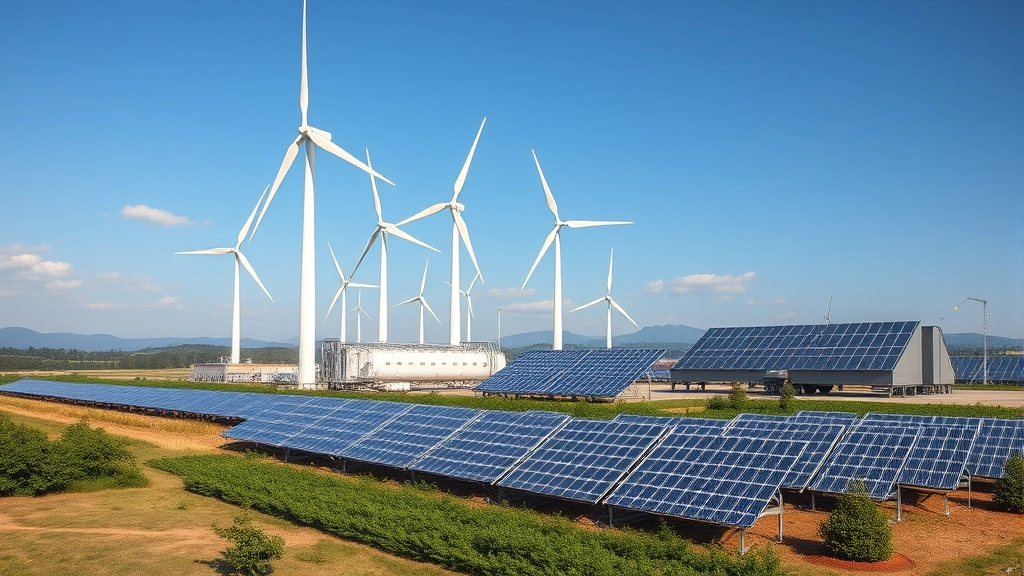
Renewable energy integration represents a critical circular economy transition, replacing finite fossil fuel extraction with perpetually regenerating solar and wind resources. The cost of renewable energy has declined 89% for solar photovoltaic and 70% for wind power over the past decade, making renewable systems economically competitive with fossil fuels even before accounting for environmental externalities. Further integration of renewable energy requires developing renewable energy solutions for homes and distributed generation systems, enabling energy security while reducing transmission losses.
Climate Economics and Carbon Markets
Climate disruption represents the ultimate externality—the costs of greenhouse gas emissions borne entirely by society while benefits accrue to emission sources. The Stern Review on the Economics of Climate Change estimated that unmitigated climate impacts could reduce global GDP by 5-20% permanently, while mitigation costs approximately 1% of GDP annually. This asymmetry reveals climate action as economically rational insurance against catastrophic outcomes, yet markets fail to price this risk appropriately.
Carbon pricing mechanisms—whether through carbon taxes or cap-and-trade systems—attempt to internalize climate externalities by assigning monetary value to emissions. Effective carbon prices must reflect the social cost of carbon, currently estimated at $51-$185 per ton of CO2 equivalent depending on discount rates and damage function assumptions. Current market prices for carbon typically range from $5-$30 per ton, indicating massive underpricing that fails to create adequate incentives for decarbonization. This pricing gap explains persistent fossil fuel dependence despite availability of cost-competitive alternatives.
The relationship between climate action and economic opportunity extends beyond risk mitigation. Decarbonization drives innovation in clean energy, energy efficiency, sustainable materials, and circular production systems. Countries investing substantially in climate solutions—Denmark in wind power, Germany in solar integration, Costa Rica in renewable energy—have achieved economic growth alongside emissions reductions, contradicting narratives of climate-economy tradeoffs. The transition to low-carbon economies creates employment in renewable energy installation, retrofit of building stock, and development of sustainable infrastructure, offsetting employment losses in fossil fuel industries when managed with adequate transition support.
To properly spell environment in climate economics requires recognizing that carbon emissions represent theft of atmospheric commons—appropriating planetary capacity without compensation. Economic models that fail to price this appropriation systematically overestimate sustainable output levels and underestimate transition urgency. The convergence of climate science and economic analysis increasingly supports aggressive decarbonization timelines, with net-zero emissions by 2050 representing a minimum requirement for limiting warming to 1.5°C.
Policy Instruments for Environmental-Economic Integration
Effective environmental policy requires deploying multiple complementary instruments addressing market failures through different mechanisms. Price-based instruments (carbon taxes, resource taxes, pollution charges) correct market signals by internalizing externalities. Quantity-based instruments (emissions caps, resource quotas, marine protected areas) establish absolute limits on environmental impact. Command-and-control regulations establish minimum standards and prohibited practices. Voluntary programs and information disclosure create market pressure through transparency.
Tax reform represents a foundational policy lever for environmental-economic integration. Shifting taxation from productive activities (labor income, capital investment) toward environmentally destructive activities (resource extraction, emissions, waste generation) would improve both economic efficiency and environmental outcomes. Ecological tax reform implemented in Scandinavia, Germany, and Switzerland has generated revenue for reducing labor taxes while decreasing resource intensity and emissions. Yet most jurisdictions maintain tax structures that subsidize environmental destruction through fossil fuel subsidies, agricultural supports for resource-intensive production, and deductions for pollution-generating activities.
Natural capital accounting represents an essential information infrastructure for environmental-economic integration. The System of Environmental-Economic Accounting (SEEA) standardizes methods for measuring natural capital stocks and flows, enabling countries to calculate genuine savings rates adjusted for environmental depreciation. Countries implementing SEEA accounting—Botswana, Namibia, Philippines, Indonesia—reveal that conventional GDP growth masks declining genuine wealth when environmental losses are properly quantified. This accounting transparency creates political pressure for policy reform.
Regulatory frameworks addressing specific environmental challenges—air quality standards, water pollution limits, biodiversity protection requirements—remain essential despite market-based instruments. Command-and-control regulations establish non-negotiable environmental minimums below which economic activity cannot proceed. The Clean Air Act in the United States, despite implementation costs, generated health benefits exceeding costs by a factor of 30:1, demonstrating that environmental protection often yields net economic benefits when properly quantified. However, regulations must be designed to allow flexibility in compliance mechanisms, enabling cost-effective achievement of environmental objectives rather than mandating specific technologies.
Case Studies in Sustainable Economic Development
Costa Rica exemplifies successful integration of environmental protection with economic development, achieving 99% renewable electricity generation while maintaining GDP growth rates comparable to regional peers. Payments for ecosystem services programs have incentivized forest conservation, reversing deforestation trends while providing rural income. Ecotourism has become a major economic sector, generating revenue that exceeds traditional extractive industries while creating employment and economic incentives for environmental protection. Costa Rica’s approach demonstrates that environmental leadership need not entail economic sacrifice.
Denmark’s renewable energy transition illustrates how industrial policy can align economic development with environmental objectives. Wind energy now provides 80% of Denmark’s electricity, supported by manufacturing of wind turbines that has become a major export industry. The transition created high-value employment in engineering, manufacturing, and installation while reducing energy imports and associated geopolitical risks. Denmark simultaneously reduced emissions by 44% since 1990 while growing GDP by 80%, contradicting narratives of climate-economy tradeoffs. Policies supporting this transition included feed-in tariffs guaranteeing renewable energy prices, investment in grid modernization, and support for manufacturing clusters.
Rwanda’s environmental restoration initiatives following civil conflict demonstrate how ecological recovery can drive economic development. Reforestation programs have restored forest cover from 25% to over 50% of land area, sequestering carbon while improving water security and agricultural productivity. The restoration has created employment in forestry, agroforestry, and ecotourism while positioning Rwanda as a regional leader in environmental stewardship. This case illustrates that environmental recovery need not wait for economic development—it can catalyze development through employment creation and productivity improvements.
The transition toward sustainable fashion and consumption patterns offers opportunities for economic transformation while reducing environmental impact. Sustainable fashion brands demonstrating that premium pricing and strong environmental credentials can drive profitability and market growth. The fashion industry’s transition from linear to circular models—designing for durability and recyclability, establishing take-back programs, using regenerative materials—reduces environmental impact while creating value through improved product quality and brand loyalty. This demonstrates that environmental sustainability can enhance rather than constrain economic competitiveness.
Individual and organizational approaches to reducing environmental impact create cumulative economic effects. Understanding how to reduce carbon footprint through consumption changes, energy efficiency, and sustainable transportation shifts demand toward lower-impact products and services. This demand shift creates market opportunities for sustainable alternatives, driving innovation and scale economies that reduce costs. As adoption increases, sustainability transitions from niche markets to mainstream economics, fundamentally reshaping industrial systems and employment patterns.
FAQ
How does the environment contribute to economic growth?
The environment provides essential inputs for all economic production: natural resources (minerals, fossil fuels, timber), ecosystem services (pollination, water purification, climate regulation), and waste absorption capacity. Environmental degradation reduces the productivity of these inputs, constraining economic growth potential. Sustainable management of natural capital enables stable, long-term economic development, while exploitative extraction creates short-term growth followed by collapse as resource stocks decline below productive thresholds.
What is the relationship between environmental protection and employment?
Environmental protection creates employment through renewable energy installation, building retrofit, sustainable agriculture, ecosystem restoration, and environmental monitoring. Studies indicate that clean energy sectors generate more employment per dollar invested than fossil fuel industries. Green jobs typically offer better working conditions and higher wages than resource extraction industries. The transition toward environmental sustainability requires managing employment displacement in declining industries through retraining programs and transition assistance, ensuring that environmental progress includes social justice dimensions.
How can circular economy principles improve economic efficiency?
Circular economies reduce material extraction requirements, lower waste management costs, and decrease pollution-related expenses. Designing products for durability and reuse extends product lifespans, increasing value extraction per unit of material. Recycling and material recovery reduce virgin resource extraction costs while creating employment. Circular systems also reduce supply chain risks by decreasing dependence on finite resources and geopolitically concentrated supply chains. The economic efficiency gains from circular approaches often exceed environmental benefits, creating powerful economic incentives for transition.
What role should government play in environmental-economic integration?
Governments must establish policy frameworks that align economic incentives with environmental objectives through price signals (carbon taxes, resource pricing), quantity controls (emissions caps, protected areas), information systems (environmental accounting, disclosure requirements), and regulations (pollution standards, safety requirements). Government investment in infrastructure supporting environmental sustainability—renewable energy grids, public transportation, ecosystem restoration—creates employment while establishing foundations for private sector development. International coordination is essential for addressing transboundary environmental challenges and preventing regulatory arbitrage where production shifts to jurisdictions with weaker environmental standards.
How do we measure whether economic development is truly sustainable?
Genuine sustainability requires measuring genuine savings—economic output minus depletion of natural capital and human capital. GDP growth that occurs alongside declining natural capital stocks represents unsustainable liquidation of assets rather than sustainable income. Environmental accounting systems measuring natural capital stocks and flows provide more accurate sustainability metrics than conventional GDP. Indicators combining economic, environmental, and social dimensions—such as the Human Development Index adjusted for environmental sustainability—offer more comprehensive assessments of whether development trajectories are truly sustainable across temporal and equity dimensions.


