
Impact of Economy on Ecosystems: An In-depth Study
The relationship between economic systems and ecological health represents one of the most pressing challenges of our time. As global economies expand and consumption patterns intensify, the degradation of natural ecosystems accelerates at an unprecedented rate. Understanding this complex interplay is essential for policymakers, businesses, and individuals seeking to create a sustainable future. The economic activities that drive prosperity—from agriculture and manufacturing to energy production and transportation—simultaneously extract resources from and deposit waste into the biosphere, creating cascading effects across interconnected ecological systems.
Recent research published in Science of the Total Environment and similar peer-reviewed journals demonstrates that economic growth, when decoupled from environmental considerations, inevitably leads to ecosystem collapse, biodiversity loss, and climate destabilization. Yet this relationship is not irreversible. By examining the mechanisms through which economic systems impact ecosystems, we can identify intervention points where policy, innovation, and behavioral change can redirect economic activity toward regenerative rather than extractive pathways. This comprehensive study explores the multifaceted connections between economy and ecology, revealing both the challenges and opportunities embedded within this critical relationship.
Economic Systems and Ecosystem Degradation
The industrial economy, which has dominated global commerce for the past two centuries, operates on a linear extraction-production-disposal model fundamentally misaligned with ecological principles. This system treats natural resources as infinite inputs and the atmosphere, oceans, and land as costless repositories for waste. The concept of defining environment and environmental science becomes crucial when examining how economic frameworks have historically excluded ecological costs from financial calculations.
Economic growth, traditionally measured by Gross Domestic Product (GDP), increases regardless of whether it depletes natural capital or generates social harm. A forest cleared for timber production contributes positively to GDP, but the loss of carbon sequestration capacity, habitat destruction, and hydrological disruption are not deducted. This accounting failure has permitted decades of ecosystem degradation while maintaining the appearance of prosperity. The science definition of environment encompasses the complex web of biological, chemical, and physical systems that sustain all life, yet conventional economics treats these systems as external to market calculations.
Studies indicate that global ecosystems have lost approximately 68% of vertebrate populations since 1970, correlating precisely with periods of accelerated economic expansion. Tropical rainforests, wetlands, and coral reefs—among Earth’s most biodiverse ecosystems—are being converted to agricultural land, mining operations, and urban development at rates that exceed their capacity for regeneration. The economic drivers behind this destruction include commodity speculation, subsidies for extractive industries, and the externalization of environmental costs onto communities and future generations.
The relationship between economic scale and ecological impact operates through several mechanisms. First, increased consumption requires proportionally increased resource extraction. Second, industrial production generates pollution and waste that exceeds natural assimilation capacity. Third, economic concentration creates power imbalances that permit corporations and wealthy nations to shift environmental burdens onto poorer regions and communities. Understanding these mechanisms reveals that ecosystem degradation is not incidental to economic growth but rather intrinsic to its current structure.
Resource Extraction and Biodiversity Loss
Biodiversity loss represents perhaps the most visible manifestation of economic-ecological conflict. The extraction of timber, minerals, fossil fuels, and agricultural products drives habitat destruction across all terrestrial and aquatic ecosystems. A single copper mine can displace indigenous communities and destroy thousands of hectares of forest and wetland. Oil extraction in the Amazon and Southeast Asia contaminates water sources and fragments critical migration corridors. Industrial agriculture, driven by economic incentives to maximize yield and minimize labor costs, has eliminated 87% of the world’s wetlands and degraded soil quality across 1.5 billion hectares of land.
The economic system incentivizes this resource extraction through several mechanisms. Capital investments in extraction industries expect rapid returns, creating pressure to maximize extraction rates. Commodity markets reward efficiency in extraction but ignore ecological costs. Trade policies and investment agreements protect corporate profits while limiting governments’ ability to enforce environmental protections. Subsidies for fossil fuels, industrial agriculture, and mining artificially lower the price of extracted resources, making destructive practices economically competitive with sustainable alternatives.
Biodiversity loss cascades through ecosystems in ways that economic models poorly capture. The collapse of pollinator populations due to pesticide use and habitat loss threatens food security. The depletion of fish stocks through industrial overfishing undermines nutrition for millions. The loss of soil microbiota through chemical-intensive agriculture reduces soil carbon sequestration and increases vulnerability to drought. These ecological failures eventually generate economic costs—crop failures, fishery collapses, increased disease—but these costs materialize years or decades after the initial extraction, allowing economic actors to evade responsibility.
According to research from the World Bank, the economic value of ecosystem services—including pollination, water purification, climate regulation, and nutrient cycling—exceeds $125 trillion annually. Yet markets capture almost none of this value, meaning economic actors who destroy these services face no financial penalty. This valuation gap represents a fundamental failure of economic systems to account for their dependence on natural systems. Addressing this requires understanding human environment interaction at the level of economic incentives and market structures.
Pollution, Waste, and Ecosystem Contamination
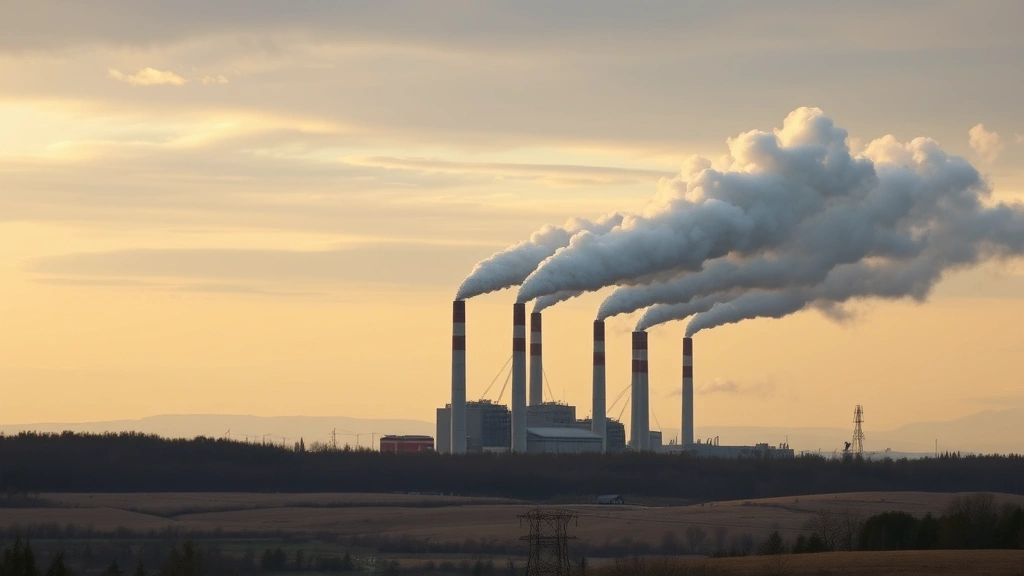
Industrial production generates pollution as an inevitable byproduct, contaminating air, water, and soil at scales that exceed natural detoxification capacity. Manufacturing processes release heavy metals, persistent organic pollutants, and synthetic chemicals that accumulate in organisms and persist in ecosystems for decades or centuries. The economic system treats the atmosphere, oceans, and soil as free waste repositories, shifting disposal costs onto public health and environmental systems.
Plastic pollution exemplifies this dynamic. The petrochemical industry, valued at hundreds of billions of dollars, produces single-use plastics designed for convenience and profit maximization, not durability. These plastics fragment into microparticles that now contaminate every ocean, accumulate in food chains, and have been detected in human blood and tissue. The economic benefit accrues to plastic producers and users, while the ecological and health costs are borne by marine ecosystems, coastal communities, and future generations. Similar patterns characterize pesticide, fertilizer, and industrial chemical pollution.
Agricultural runoff from commodity crop production creates dead zones in coastal waters where nutrient pollution triggers algal blooms that deplete oxygen and kill aquatic life. The Mississippi River dead zone in the Gulf of Mexico, created by fertilizer runoff from Midwestern agriculture, encompasses an area larger than New Jersey. These ecological disasters are externalities in economic accounting—costs not borne by the farmers or chemical companies responsible but rather socialized across affected ecosystems and communities.
Electronic waste, generated by rapid obsolescence in consumer electronics, contains toxic materials including lead, mercury, and cadmium. Economic incentives drive manufacturers to design products with short lifespans and minimal repairability, maximizing replacement sales. The resulting waste streams are often exported to developing nations where informal recycling operations expose workers and communities to extreme toxicity while recovering valuable materials for resale. This system generates profits for manufacturers while concentrating environmental and health harms in vulnerable populations.
Climate Change as an Economic-Ecological Crisis
Climate change represents the ultimate expression of economic-ecological disconnection. The burning of fossil fuels—coal, oil, and natural gas—powers industrial economies but releases carbon dioxide that accumulates in the atmosphere, trapping heat and destabilizing climate systems. The economic system treats the atmosphere as a free waste repository, permitting the largest polluters to emit greenhouse gases without financial penalty. This externalization of climate costs has permitted decades of carbon-intensive growth while shifting climate impacts onto vulnerable populations and future generations.
The fossil fuel industry, valued at trillions of dollars, has actively suppressed climate science and blocked climate policy for decades. Economic and political power derived from fossil fuel wealth has been deployed to deny climate reality, prevent carbon pricing, and protect extraction rights. This represents a direct conflict between economic interests and ecological stability, where powerful economic actors have consistently chosen profits over planetary health.
Climate impacts cascade through ecosystems and economies simultaneously. Rising temperatures alter precipitation patterns, creating droughts in agricultural regions and floods in others. Ocean acidification and warming disrupt marine food webs and coral reef ecosystems. Shifting climate zones force species migrations that fragment populations and reduce genetic diversity. Extreme weather events—hurricanes, wildfires, heatwaves—generate economic losses while destroying ecosystems. Yet the economic system that generated these impacts remains largely unchanged, continuing to prioritize short-term growth over long-term stability.
The True Cost of Economic Growth
Conventional economic accounting measures growth through GDP, which captures monetary transactions but ignores resource depletion, pollution, and ecosystem degradation. A nation could clear its entire forest, convert all agricultural land to mining operations, and pollute its water to toxic levels, and GDP would increase. This fundamental accounting failure explains how economies have grown dramatically while ecological indicators have collapsed.
Natural capital accounting attempts to correct this by measuring changes in natural resources and environmental quality. When properly applied, natural capital accounting reveals that many supposedly growing economies are actually depleting their resource base and accumulating environmental liabilities. A developing nation extracting timber and minerals may experience GDP growth while losing wealth in the form of depleted forests and degraded soil. Wealthy nations consuming resources from global supply chains may experience GDP growth while outsourcing environmental destruction to supplier nations.
The true cost of economic growth includes all ecological and social impacts, whether or not they pass through markets. A factory that generates profits for shareholders while poisoning local water supplies has generated negative net value when accounting for health impacts and remediation costs. A development project that creates jobs while destroying habitat has created net loss when accounting for ecosystem service values. This comprehensive accounting reveals that much contemporary economic growth represents wealth transfer from nature and future generations to current economic beneficiaries.
Research in ecological economics, published in journals focused on Science of the Total Environment impact factor and similar publications, increasingly documents these hidden costs. Studies quantify the economic value of pollination services, water filtration, carbon sequestration, and other ecosystem services. When these values are incorporated into economic analysis, the case for business-as-usual becomes untenable. The economic case for environmental protection becomes not a constraint on growth but rather a prerequisite for genuine prosperity.

Pathways to Ecological Economics
Ecological economics represents a fundamental reorientation of economic theory and practice toward sustainability. Rather than treating the economy as a system that can grow indefinitely within a finite planet, ecological economics recognizes the economy as a subsystem embedded within the larger ecological system. This reframing implies that economic activity must operate within planetary boundaries and regenerate rather than deplete natural systems.
Circular economy models attempt to redesign production and consumption to minimize resource extraction and waste generation. Rather than linear extraction-production-disposal, circular models emphasize reuse, repair, remanufacturing, and recycling. This requires redesigning products for durability and disassembly, developing systems to collect and process used materials, and creating markets for recovered resources. Companies implementing circular models often discover increased efficiency and reduced costs, demonstrating that environmental sustainability and economic performance can align.
Regenerative agriculture goes beyond sustainability to actively improve soil health, biodiversity, and water cycles while producing food. Practices including crop rotation, cover cropping, reduced tillage, and integrated pest management rebuild soil organic matter, increase carbon sequestration, and reduce input costs. While regenerative agriculture currently represents a small percentage of global food production, it demonstrates that food production can support rather than degrade ecosystems. Understanding how to reduce carbon footprint in agriculture requires embracing these regenerative approaches.
Renewable energy systems—solar, wind, geothermal, and hydroelectric power—can replace fossil fuels while eliminating the primary driver of climate change. The rapid cost reductions in renewable technologies have made them economically competitive with fossil fuels in many contexts. However, fossil fuel subsidies and entrenched infrastructure investments continue to favor carbon-intensive energy. Transitioning to renewable energy requires policy support, infrastructure investment, and managed decline of fossil fuel industries.
Nature-based solutions—ecosystem restoration, wetland protection, forest conservation—often provide more cost-effective approaches to environmental challenges than technological alternatives. Mangrove forests protect coastal communities from storms while providing nursery habitat for fish. Wetlands filter water and provide wildlife habitat. Forests sequester carbon while supporting biodiversity. Protecting and restoring these ecosystems generates multiple benefits while often requiring lower investment than engineered solutions.
Policy Frameworks and Market Mechanisms
Transforming economic systems toward sustainability requires policy frameworks that align economic incentives with ecological outcomes. Carbon pricing mechanisms—carbon taxes or cap-and-trade systems—attempt to incorporate climate costs into market prices, making fossil fuels more expensive and renewable alternatives more competitive. However, carbon prices currently remain too low to drive rapid transition, and political resistance from fossil fuel interests prevents price increases.
Subsidy reform represents another critical policy lever. Governments worldwide spend approximately $7 trillion annually on subsidies for fossil fuels, industrial agriculture, and other environmentally destructive activities when accounting for environmental externalities. Redirecting these subsidies toward renewable energy, regenerative agriculture, and ecosystem restoration would dramatically accelerate sustainability transitions. However, subsidy reform faces fierce opposition from industries benefiting from current arrangements.
Extended producer responsibility policies require manufacturers to manage the end-of-life disposal of their products, creating economic incentives for designing durable, repairable, and recyclable goods. By making producers responsible for product impacts throughout their lifecycle, these policies align economic incentives with environmental outcomes. sustainable fashion brands increasingly adopt extended responsibility models, designing for durability and implementing take-back programs.
Environmental impact assessment requirements mandate evaluation of ecological consequences before approving development projects. When properly implemented with genuine enforcement, these assessments can prevent the most destructive projects and require mitigation of unavoidable impacts. However, assessment rigor varies widely, and political pressure often overrides environmental findings.
International agreements including the Paris Climate Accord and Convention on Biological Diversity establish targets for environmental protection and require countries to develop implementation plans. However, without enforcement mechanisms and adequate funding, these agreements often remain aspirational. Strengthening international environmental governance requires increased political commitment and resources.
The United Nations Environment Programme and similar institutions provide research, technical assistance, and coordination for environmental policy. Ecological economics journals and research centers affiliated with universities generate the scientific evidence base for sustainability transitions. Conservation organizations mobilize public support and pressure governments and corporations toward environmental protection.
Transformation also requires changes in corporate governance and investment practices. Environmental, Social, and Governance (ESG) investing attempts to direct capital toward companies with strong environmental performance. Benefit corporations and similar legal structures permit companies to prioritize environmental and social outcomes alongside profits. Divestment campaigns have successfully pressured institutions to withdraw investments from fossil fuels, reducing social legitimacy for carbon-intensive industries.
FAQ
How does economic growth impact ecosystems?
Economic growth typically increases resource extraction, pollution generation, and habitat destruction unless deliberately decoupled from environmental impacts. Conventional GDP growth measures monetary transactions while ignoring ecological costs, permitting growth that depletes natural capital. Sustainable economic models require measuring and accounting for environmental impacts in economic decisions.
What is the relationship between biodiversity loss and economic systems?
Economic incentives to maximize extraction of timber, minerals, agricultural products, and other resources drive habitat destruction and biodiversity loss. Market failures that fail to price ecosystem services create economic advantages for destructive practices. Addressing biodiversity loss requires restructuring economic incentives to value and protect natural systems.
Can economic growth and environmental protection coexist?
Yes, but only through fundamental transformation of economic systems. Decoupling economic growth from resource consumption and environmental impact requires circular economy models, renewable energy, regenerative agriculture, and policy frameworks that internalize environmental costs. Some sectors have demonstrated that environmental protection and profitability can align through efficiency improvements and innovation.
What are the most effective policies for reducing economic-ecological damage?
Effective policies include carbon pricing, subsidy reform redirecting funds toward sustainability, extended producer responsibility, environmental impact assessment requirements, and international environmental agreements with enforcement mechanisms. Combining multiple policy approaches proves more effective than relying on single interventions. Implementation rigor and political commitment determine policy effectiveness.
How can individuals contribute to reducing economic-ecological impacts?
Individual actions including reducing consumption, choosing sustainable products, supporting regenerative and circular businesses, and advocating for policy change all contribute to system transformation. While individual action cannot solve systemic problems, collective consumer and citizen pressure creates political space for policy change and business transformation.


