World Environment Day 2025’s Impact on Economy: A Comprehensive Study
World Environment Day 2025 represents a critical inflection point for understanding how environmental consciousness translates into measurable economic outcomes. As nations worldwide mobilize resources, policies, and corporate initiatives around this annual observance, the intersection of ecological stewardship and economic performance has never been more significant. This comprehensive analysis explores the multifaceted economic implications of World Environment Day 2025, examining how environmental commitments reshape markets, influence investment patterns, and create both challenges and opportunities across global economies.
The economic dimension of environmental awareness extends far beyond corporate philanthropy or government spending on green initiatives. It encompasses fundamental shifts in consumer behavior, supply chain restructuring, technological innovation, and the reallocation of trillions in capital toward sustainable ventures. Understanding these dynamics requires an interdisciplinary approach that combines ecological economics, environmental policy analysis, and market research to illuminate the true economic footprint of global environmental movements.

Economic Value of Environmental Awareness
World Environment Day 2025 catalyzes quantifiable economic value creation through enhanced environmental awareness and commitment. Recent economic analyses demonstrate that heightened ecological consciousness directly correlates with increased spending on sustainable products, renewable energy adoption, and ecosystem restoration services. The World Bank’s environmental economics division estimates that global awareness campaigns around environmental stewardship generate between $300-500 billion in annual economic activity when aggregated across consumer spending, corporate investment, and government expenditure.
The concept of natural capital—encompassing forests, wetlands, marine ecosystems, and atmospheric conditions—represents approximately $125 trillion in economic value globally. World Environment Day amplifies recognition of this asset base, fundamentally altering how economists, policymakers, and business leaders calculate return on investment. When human-environment interaction is properly valued, previously “externalized” costs become visible, prompting market corrections and resource reallocation toward conservation and restoration activities.
Environmental awareness generates economic value through several mechanisms. First, it reduces information asymmetries between consumers and producers, enabling more efficient market pricing of environmental goods and services. Second, it creates demand for new product categories and service sectors that didn’t previously exist at scale. Third, it incentivizes technological innovation aimed at reducing environmental impact while maintaining or improving economic productivity. Fourth, it influences capital allocation decisions across financial markets, redirecting investment toward sustainable enterprises.
The biodiversity economy alone—encompassing ecotourism, biopharmaceuticals, agricultural pollination services, and genetic resources—generates approximately $125 billion annually and supports over 2 billion jobs globally. World Environment Day 2025 amplifies awareness of these economic interdependencies, demonstrating that environmental protection and economic prosperity are not competing objectives but complementary imperatives.

Market Transformation and Green Investment Flows
Global capital markets have experienced unprecedented transformation in response to intensified environmental consciousness. Environmental, Social, and Governance (ESG) investing has grown from a niche strategy to a mainstream investment approach, with assets under management in ESG-focused funds exceeding $35 trillion as of 2024. World Environment Day 2025 serves as a focal point for accelerating this transition, compelling institutional investors, pension funds, and asset managers to reassess their portfolios through environmental impact lenses.
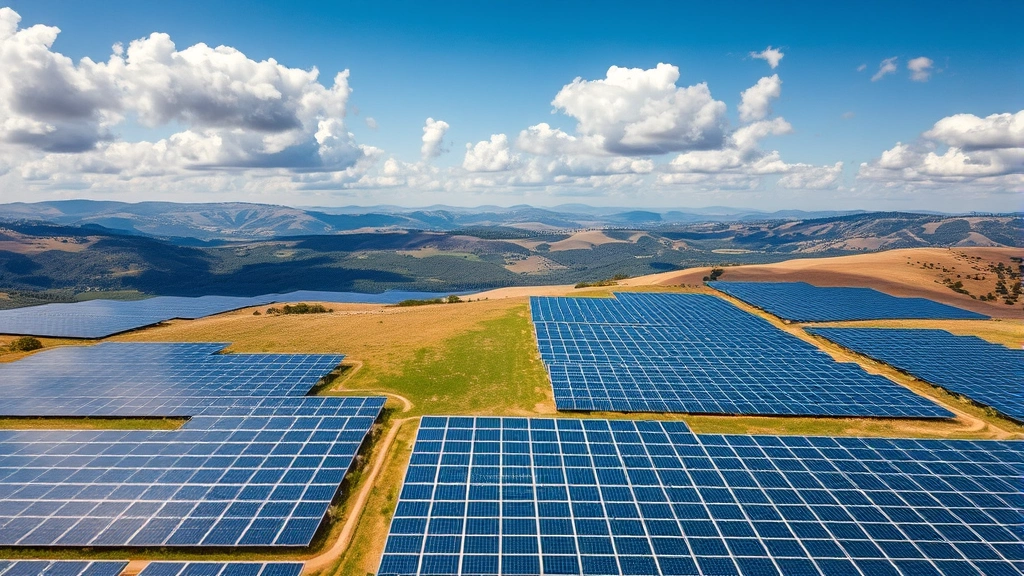
The renewable energy sector exemplifies this market transformation. Investment in renewable energy for homes and commercial applications reached $500 billion globally in 2024, representing a 200% increase over the past five years. This sector now employs more workers than fossil fuel industries in developed nations, creating sustained economic growth decoupled from carbon emissions. World Environment Day initiatives amplify consumer and investor demand for renewable technologies, accelerating the economic viability of solar, wind, and other clean energy solutions.
Green bonds—debt instruments financing environmental projects—have become a $500 billion annual market, with cumulative issuance exceeding $2 trillion. These instruments redirect capital from speculative financial markets toward tangible environmental infrastructure, creating measurable economic and ecological returns. Environmental awareness campaigns surrounding World Environment Day 2025 increase demand for such instruments, enabling governments and corporations to finance sustainability initiatives at lower cost.
Ecosystem services markets represent another critical transformation vector. Carbon markets, wetland mitigation banking, water quality trading, and biodiversity offset programs collectively represent a $100+ billion annual market. These mechanisms monetize environmental protection, creating financial incentives for conservation that align with capitalist economic structures. World Environment Day amplifies understanding of these market mechanisms, enabling broader participation and capital deployment.
Corporate Response and Business Model Innovation
World Environment Day 2025 catalyzes corporate strategic repositioning, with businesses recognizing that environmental leadership generates competitive advantage, cost reduction, and market expansion opportunities. The circular economy model—designing products for longevity, repairability, and material recovery—demonstrates how environmental responsibility creates economic value. Companies implementing circular principles report 5-20% cost reductions through waste elimination and material efficiency gains.
Supply chain restructuring represents a significant economic consequence of heightened environmental awareness. Companies increasingly evaluate suppliers based on environmental performance metrics, creating competitive pressure for sustainable practices throughout production networks. This transformation generates economic activity in environmental compliance services, sustainable materials development, and supply chain transparency technologies. The sustainable supply chain services market is projected to exceed $100 billion annually by 2030.
Product innovation accelerated by environmental consciousness creates entirely new market categories. Plant-based alternatives to animal products, sustainable building materials, zero-waste packaging solutions, and circular fashion represent multi-billion-dollar markets barely existing fifteen years ago. World Environment Day 2025 amplifies consumer demand for such innovations, enabling companies to invest confidently in research and development for sustainable alternatives.
Corporate sustainability reporting has evolved from peripheral public relations function to core business intelligence. Companies now track environmental metrics with the same rigor applied to financial performance, recognizing that physical environment conditions directly impact operational resilience, supply chain stability, and long-term profitability. This integration generates economic value through risk mitigation, operational efficiency, and stakeholder trust enhancement.
B-Corporation certification, carbon neutrality commitments, and science-based emission reduction targets have become competitive necessities rather than differentiators. World Environment Day intensifies these trends, creating market momentum for companies to announce ambitious environmental commitments. The economic value of such positioning includes premium pricing power, enhanced employee recruitment and retention, and reduced regulatory and reputational risk.
Labor Market Dynamics in the Green Economy
Environmental consciousness drives profound labor market transformation, creating employment opportunities while disrupting traditional industries. The renewable energy sector now employs 12.7 million workers globally, surpassing fossil fuel employment in most developed nations. Weatherization, sustainable construction, ecosystem restoration, and environmental monitoring represent rapidly expanding employment sectors offering competitive wages and career advancement opportunities.
World Environment Day 2025 amplifies awareness of career opportunities in the green economy, influencing educational choices and workforce development priorities. Universities increasingly offer environmental economics, sustainable business, and ecological restoration degree programs, creating pipeline of skilled workers for emerging industries. This talent development generates economic value through increased productivity, innovation, and competitive advantage for early-adopting companies.
The transition from carbon-intensive to sustainable economic activities creates both job creation and displacement challenges. While renewable energy, sustainable agriculture, and environmental services generate more employment than fossil fuel industries, geographic and sectoral mismatches create transition costs. Effective policy responses to these challenges—including worker retraining programs, place-based economic development initiatives, and social safety net enhancements—represent significant government expenditure but generate substantial economic returns through maintained consumer spending, reduced social costs, and preserved community stability.
Green collar jobs demonstrate higher wage growth, greater job security, and stronger benefits compared to average employment. Environmental management, renewable energy installation and maintenance, sustainable agriculture, and ecosystem restoration offer middle-class employment pathways for workers without advanced degrees. This wage premium reflects both market demand for environmental expertise and policy commitments to ensure just transition outcomes.
Consumer Behavior Shifts and Market Segmentation
World Environment Day 2025 intensifies consumer segmentation based on environmental values and purchasing behavior. Research indicates that 73% of global consumers consider sustainability important in purchasing decisions, with 62% willing to pay premium prices for sustainable products. This consumer consciousness creates market opportunities for sustainable fashion brands and other eco-conscious companies while creating pressure on traditional industries to reformulate business models.
Conscious consumption generates economic value through several mechanisms. Premium pricing for sustainable products creates higher profit margins, enabling companies to invest in environmental innovation. Consumer demand for transparency and accountability incentivizes supply chain improvements, worker safety enhancements, and environmental remediation. Consumer activism around environmental issues creates political pressure for regulatory reform that addresses market failures and internalizes environmental costs.
The experience economy—encompassing ecotourism, nature-based recreation, and environmental education—represents a rapidly expanding economic sector generating $600+ billion annually. World Environment Day 2025 amplifies demand for such experiences, supporting rural economies dependent on ecosystem services, creating incentives for conservation, and generating revenue for environmental protection initiatives. Ecotourism supports 21.7 million jobs globally and contributes $250 billion to GDP.
Generational differences in environmental consciousness create market segmentation opportunities. Younger consumers demonstrate significantly higher willingness to support environmental causes through purchasing decisions, investment choices, and political engagement. This demographic transition ensures sustained market momentum for sustainable products and environmental initiatives as younger cohorts increase purchasing power and investment influence.
Policy Frameworks and Economic Incentives
World Environment Day 2025 occurs within evolving policy frameworks designed to align economic incentives with environmental objectives. Carbon pricing mechanisms—including carbon taxes and cap-and-trade systems—now cover approximately 23% of global emissions, generating $84 billion in government revenue annually. These policies create economic incentives for emissions reduction while generating resources for climate adaptation and clean energy investment.
Subsidy reform represents another critical policy mechanism. Governments globally spend approximately $7 trillion annually on subsidies for fossil fuels, agriculture, and other environmentally damaging activities when accounting for environmental externalities. Redirecting these subsidies toward sustainable alternatives would generate substantial economic benefits while accelerating environmental improvements. World Environment Day campaigns amplify political support for such reforms, demonstrating their economic rationality and environmental necessity.
Regulatory frameworks establishing environmental standards, emissions limits, and sustainability requirements create market conditions favoring sustainable innovation. The European Union’s Green Deal, targeting climate neutrality by 2050, exemplifies how comprehensive policy frameworks generate sustained economic activity in clean technology development, infrastructure modernization, and ecosystem restoration. Economic analyses project the Green Deal will generate €1.7 trillion in cumulative investment and create 1 million jobs by 2050.
Payment for ecosystem services programs monetize environmental protection, creating direct financial incentives for conservation. REDD+ (Reducing Emissions from Deforestation and Forest Degradation) programs direct approximately $3 billion annually toward forest conservation, generating income for forest communities while protecting carbon stocks and biodiversity. World Environment Day amplifies awareness of such mechanisms, enabling broader implementation and capital deployment.
Challenges and Economic Trade-offs
While World Environment Day 2025 amplifies environmental consciousness and catalyzes positive economic transformation, significant challenges and trade-offs merit careful analysis. The transition to sustainable economies requires substantial capital investment, estimated at $2.4 trillion annually through 2035 according to United Nations Environment Programme analysis. Mobilizing this capital while managing debt sustainability and ensuring equitable distribution of transition costs represents a central economic challenge.
Developing nations face particular challenges in funding environmental transitions while addressing poverty, healthcare, and education needs. Climate finance commitments from developed nations—pledged at $100 billion annually—fall short of actual needs, estimated at $300+ billion annually. World Environment Day 2025 must grapple with these equity dimensions, ensuring that environmental protection does not exacerbate global inequality or compromise development aspirations for lower-income nations.
Sectoral disruption creates concentrated costs even as broader society benefits. Coal miners, oil field workers, and fossil fuel-dependent communities face employment displacement and economic hardship as energy transitions accelerate. While renewable energy employment exceeds fossil fuel employment in aggregate, geographic and skill mismatches create real hardship. Effective policy responses require substantial investment in worker transition support, community economic development, and regional diversification initiatives.
The rebound effect—wherein efficiency improvements reduce costs, enabling increased consumption that partially offsets environmental gains—represents a fundamental economic challenge. As renewable energy becomes cheaper than fossil fuels, increased electricity consumption may partially offset emissions reduction benefits. Similarly, efforts to reduce carbon footprint through individual consumption choices may be overwhelmed by population growth and rising living standards in developing nations.
Market failures in environmental goods provision persist despite heightened awareness. Biodiversity protection, ocean health, and atmospheric stability provide global public goods with benefits accruing broadly while costs concentrate on specific actors. Coordinating international environmental action requires overcoming free-rider problems and ensuring fair burden-sharing—challenges that World Environment Day awareness alone cannot resolve without supporting policy mechanisms.
Future Economic Trajectories
World Environment Day 2025 occurs at a critical juncture where environmental and economic trajectories will diverge significantly based on collective action or inaction. Optimistic scenarios envision accelerating clean technology deployment, reaching renewable energy dominance by 2050, and stabilizing atmospheric CO2 concentrations near 450 ppm. Such outcomes require sustained economic investment in sustainable infrastructure, research and development, and ecosystem restoration—generating cumulative economic benefits exceeding $26 trillion through avoided climate damages, improved human health, and ecosystem service preservation.
The circular economy transition represents a fundamental economic restructuring with profound implications. Shifting from linear extraction-production-disposal models to circular systems where materials cycle continuously through economic processes requires redesigning production systems, establishing reverse logistics networks, and developing secondary material markets. This transition generates employment, reduces resource scarcity risks, and creates competitive advantages for early adopters. The circular economy could generate $4.5 trillion in economic benefits and create 9 million jobs by 2030 according to Ellen MacArthur Foundation analysis.
Climate-adjusted financial systems represent an emerging economic frontier. Central banks increasingly recognize climate risks as financial stability threats, prompting stress testing of bank portfolios for climate scenarios and integration of climate considerations into monetary policy frameworks. This systemic reorientation redirects capital toward sustainable enterprises while imposing capital costs on carbon-intensive industries, accelerating economic transition.
Nature-positive economic models—expanding beyond carbon neutrality to regenerative environmental impact—represent the frontier of sustainable economics. Rather than merely minimizing environmental damage, nature-positive approaches enhance ecosystem health, biodiversity, and natural capital stocks through economic activity. Regenerative agriculture, ecosystem restoration enterprises, and wildlife-supporting business models demonstrate that economic value creation can simultaneously improve environmental conditions.
The green economy transition requires unprecedented coordination across national governments, international institutions, private sector entities, and civil society organizations. World Environment Day 2025 serves as organizing principle for mobilizing this coordination, amplifying political will, and accelerating capital deployment toward sustainable alternatives. The economic stakes are profound: failure to transition generates climate damages estimated at 10-20% of global GDP by 2100, while successful transition creates sustainable prosperity benefiting all global populations.
FAQ
How does World Environment Day directly impact economic growth?
World Environment Day amplifies consumer and investor demand for sustainable products and clean technologies, accelerating capital deployment toward green sectors. This creates measurable economic activity through renewable energy installation, sustainable product manufacturing, ecosystem restoration services, and environmental consulting. Studies indicate that environmental awareness campaigns generate $300-500 billion in annual economic activity when aggregated across these sectors. Additionally, heightened environmental consciousness drives policy reforms that correct market failures, enabling more efficient resource allocation and reducing hidden costs from environmental degradation.
What is the relationship between environmental protection and job creation?
Renewable energy, sustainable agriculture, ecosystem restoration, and environmental management sectors generate more employment per unit of energy or food production compared to fossil fuel and conventional agriculture industries. The renewable energy sector currently employs 12.7 million workers globally with faster employment growth than most economic sectors. Green collar jobs offer competitive wages, benefits, and career advancement opportunities, making them viable middle-class employment pathways. However, geographic and sectoral mismatches between declining fossil fuel employment and growing renewable energy jobs create transition challenges requiring targeted policy support.
How do carbon markets work economically?
Carbon markets create financial value for emissions reductions by allowing companies and nations to trade emission allowances or carbon credits. Cap-and-trade systems establish total emissions caps, allocating allowances to emitters who can trade excess allowances or purchase additional allowances to meet compliance obligations. Carbon taxes directly price emissions, creating incentives for reduction. These mechanisms generate government revenue while incentivizing cost-effective emissions reductions. Presently covering 23% of global emissions, carbon markets generate $84 billion in government revenue annually and direct capital toward clean technology investment and ecosystem protection.
What economic challenges does environmental transition pose?
Environmental transition requires $2.4 trillion annual investment through 2035, straining public and private capital availability. Developing nations face equity challenges in funding transitions while addressing poverty and development needs. Fossil fuel-dependent communities and workers experience concentrated costs through employment displacement and economic disruption. The rebound effect—wherein efficiency improvements increase consumption—can partially offset environmental gains. International coordination challenges in environmental action persist due to free-rider incentives and burden-sharing disputes. Addressing these challenges requires comprehensive policy frameworks, just transition support, and international cooperation mechanisms.
How do businesses profit from environmental sustainability?
Sustainable businesses achieve profitability through premium pricing for eco-conscious products, cost reduction from waste elimination and material efficiency, risk mitigation through supply chain resilience, enhanced employee recruitment and retention, and market expansion into growing sustainable product categories. Companies implementing circular economy principles report 5-20% cost reductions. Sustainable products command price premiums of 20-40% in many categories. Additionally, early adoption of sustainable practices positions companies advantageously as regulatory requirements tighten and consumer preferences evolve, creating competitive moats that generate sustained economic returns.


