
Wasps’ Role in Ecosystems: Expert Insights on Environmental Importance
Wasps occupy a critical yet frequently misunderstood position within global ecosystems. While many people perceive these insects primarily through the lens of their stinging behavior, scientific research reveals that wasps provide essential ecological services worth billions of dollars annually. From pest control to pollination and nutrient cycling, wasps function as keystone species that maintain the delicate balance of natural and agricultural systems. Understanding what wasps do for the environment requires examining their multifaceted contributions across different ecosystem types and geographical regions.
The ecological significance of wasps extends far beyond their direct interactions with humans. These insects have evolved over millions of years to occupy specialized niches within food webs, predator-prey relationships, and nutrient cycles. Their presence influences plant reproduction, insect population dynamics, and soil health. As environmental degradation accelerates globally, the conservation of wasp populations becomes increasingly important for maintaining ecosystem resilience and productivity. This comprehensive analysis explores the scientific evidence supporting wasp conservation and the economic implications of their ecological services.
Predation and Pest Control Services
The most quantifiable ecosystem service provided by wasps involves pest control through predation. Solitary wasps and parasitoid wasps actively hunt arthropod pests that would otherwise devastate agricultural crops and natural vegetation. Research from the World Bank estimates that natural pest control services, including those provided by wasps, prevent crop losses valued at approximately $57 billion annually worldwide. A single wasp colony can consume thousands of pest insects during a single growing season, reducing the need for chemical pesticides that damage ecosystems and human health.
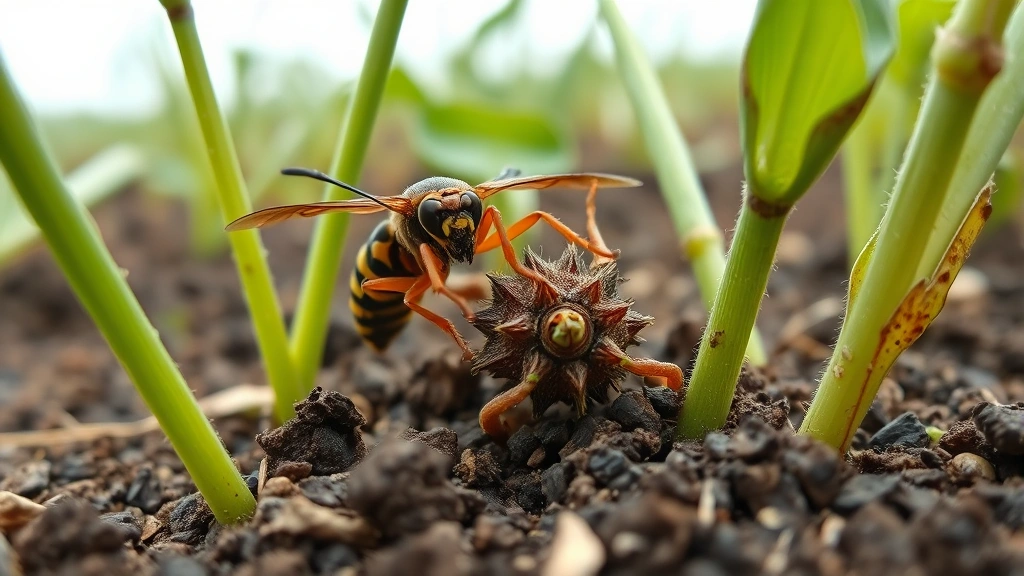
Parasitoid wasps represent the most effective biological control agents in both agricultural and natural settings. These wasps lay their eggs inside or on host insects, with developing larvae consuming the host from within. Species like Trichogramma wasps target lepidopteran pests including corn borers and cabbage worms. Solitary hunting wasps such as mud daubers and digger wasps provision their nests with paralyzed prey, including spiders, flies, and caterpillars. This predatory behavior directly reduces pest populations without synthetic chemicals, supporting sustainable agriculture and reducing carbon footprints associated with pesticide production and application.
The ecological cascade effects of wasp predation extend throughout food webs. By controlling herbivorous insect populations, wasps indirectly protect plant communities from overexploitation. This protection maintains plant diversity, which subsequently supports other herbivores, pollinators, and decomposers. In agricultural contexts, the presence of diverse wasp communities correlates with improved crop yields and reduced pesticide dependency, demonstrating direct economic benefits alongside environmental advantages.

Pollination Contributions
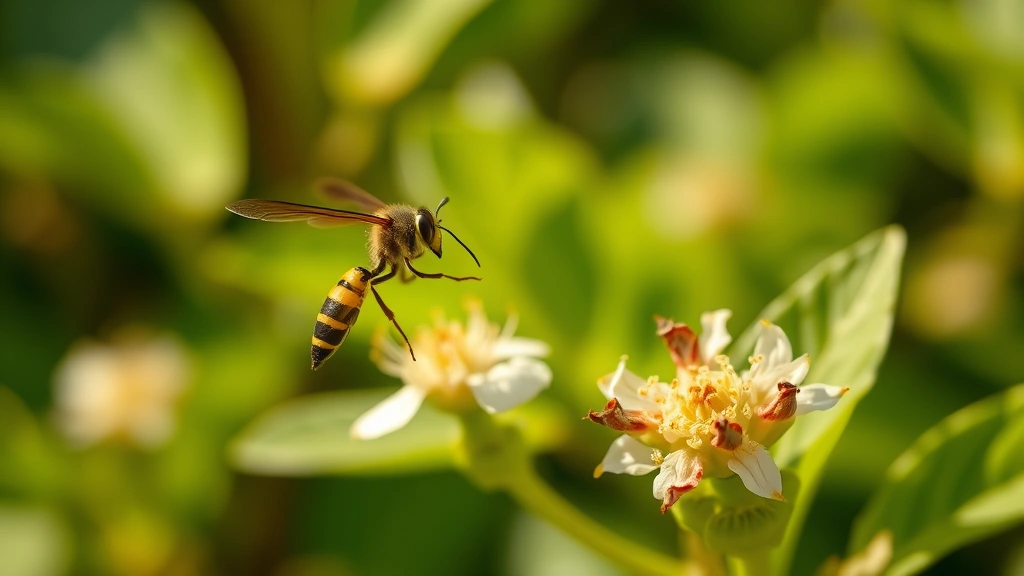
Although less recognized than bee pollination, wasps contribute significantly to plant reproduction through pollination services. While most wasp species do not possess the specialized morphological adaptations for pollination that bees exhibit, many wasps actively visit flowers for nectar and pollen consumption. During these foraging trips, wasps inadvertently transfer pollen between flowers, facilitating plant reproduction. Research published in ecological economics journals demonstrates that wasp-mediated pollination supports numerous plant species, particularly in tropical and subtropical ecosystems where wasp diversity reaches maximum levels.
Certain wasp species exhibit more specialized pollination relationships with specific plant groups. Fig wasps, for instance, maintain obligate mutualisms with fig species, with the wasp serving as the exclusive pollinator while the fig provides a breeding site for wasp larvae. This relationship, spanning over 60 million years of co-evolution, represents one of nature’s most intricate ecological partnerships. The loss of fig wasps would eliminate fig reproduction, cascading through ecosystems where figs support diverse frugivorous animals and provide critical food resources during seasonal scarcity.
Beyond fig wasps, numerous other wasp species pollinate flowers while foraging for nectar and pollen. In Mediterranean ecosystems, parasitoid wasps visiting flowers for energy resources contribute to pollination of wildflowers and herbs. The economic value of these pollination services, while difficult to quantify precisely, likely represents hundreds of millions of dollars annually when considering the reproductive success of plants dependent on wasp visitation. Understanding wasp pollination becomes increasingly important in contexts of living environment conservation and agricultural sustainability.
Decomposition and Nutrient Cycling
Wasps contribute to nutrient cycling through multiple pathways, including their roles as scavengers, decomposers, and prey for other organisms. Adult wasps consume carrion, decaying organic matter, and nectar, facilitating the breakdown of dead organisms and the return of nutrients to soil systems. When wasps die, their bodies provide nutrient-rich food sources for decomposers and other organisms, completing nutrient cycles essential for ecosystem productivity. This role becomes particularly important in systems where alternative scavenging pathways are limited or where introduced predators have disrupted traditional decomposer communities.
The larvae of many wasp species also participate in decomposition processes. Certain solitary wasps provision nests with dead arthropods, which gradually decompose while supporting larval development. This process concentrates nutrients in specific soil locations, creating nutrient hotspots that influence plant growth patterns and soil microbial communities. Research on ecosystem nutrient budgets increasingly recognizes the quantitative importance of insect-mediated nutrient redistribution, with wasps representing significant contributors in many biomes.
Wasp populations themselves cycle nutrients through ecosystems in ways that influence productivity and resilience. As predators, wasps concentrate nutrients from multiple prey organisms into their biomass, which subsequently becomes available to predators, parasites, and decomposers. This nutrient concentration and redistribution supports food web complexity and ecosystem stability. The loss of wasp populations would alter nutrient cycling rates and patterns, potentially reducing ecosystem productivity and resilience to environmental disturbances.
Food Web Dynamics and Trophic Interactions
Wasps occupy multiple trophic levels simultaneously, functioning as predators, parasites, herbivores, and prey organisms. This complex positioning within food webs makes wasps critical nodes for energy flow and nutrient transfer. Hundreds of bird species, reptiles, spiders, and other insects depend on wasps as food sources. The loss of wasp populations would directly reduce food availability for these predators, potentially triggering secondary extinctions and food web collapse in affected ecosystems.
The energy captured by wasps from plant nectar and arthropod prey becomes incorporated into their biomass, which subsequently fuels higher trophic levels. Research on energy flow through ecosystems demonstrates that insects, including wasps, transfer approximately 10-20% of energy from one trophic level to the next. This efficiency, while seemingly low, represents the primary pathway through which solar energy captured by plants becomes available to vertebrate predators. Eliminating wasps would reduce energy transfer efficiency and alter the carrying capacity of ecosystems for vertebrate species.
Wasp populations also regulate the populations of other arthropods through predation and parasitism, preventing any single species from achieving dominance. This predation-mediated diversity maintenance supports ecosystem stability and productivity. When wasp populations decline, target arthropod species may experience population explosions, leading to overgrazing of vegetation or disease spread. Conversely, wasp predation on competitor species can facilitate resource availability for less competitive arthropods, maintaining the arthropod diversity essential for ecosystem function.
Agricultural Economic Value and Crop Protection
The economic value of wasp-mediated pest control in agricultural systems represents one of the most directly quantifiable ecosystem services. Studies evaluating biological control programs utilizing parasitoid wasps demonstrate return-on-investment ratios exceeding 10:1, meaning every dollar invested in wasp conservation yields ten dollars in crop protection benefits. In cotton agriculture alone, parasitoid wasp populations prevent losses estimated at $500 million annually in the United States. Globally, wasp-mediated pest control prevents crop losses exceeding $10 billion annually when considering all major commodity crops.
Organic agriculture systems depend particularly heavily on wasp populations for pest management. Farms implementing integrated pest management strategies that conserve and promote wasp populations achieve yields comparable to conventional agriculture while eliminating synthetic pesticide costs and health risks. This economic advantage, combined with premium pricing for organic products, creates strong financial incentives for wasp conservation in agricultural contexts. Human and environment interaction in agricultural systems increasingly recognizes wasps as essential partners in sustainable food production.
The replacement cost of wasp-mediated pest control through synthetic pesticides includes direct chemical costs, application equipment and labor, environmental remediation, and health care for pesticide-related illnesses. When these full costs are calculated, wasp conservation emerges as economically superior to chemical-dependent agriculture. Additionally, pesticide-dependent systems face escalating pest resistance, requiring increasingly expensive chemical combinations. Wasp populations, conversely, exhibit evolutionary flexibility enabling continued pest suppression even as target pests develop resistance to individual insecticides.
Climate Change Implications and Conservation Urgency
Climate change poses significant threats to wasp populations through habitat alteration, phenological mismatches, and range shifts. Many wasp species exhibit narrow thermal tolerances and depend on specific host insects or plants that respond differently to temperature changes. When wasp emergence times shift out of synchronization with host insect availability, reproductive success declines dramatically. Simultaneously, some wasp species are expanding ranges poleward and to higher elevations, potentially disrupting established ecological relationships in previously stable ecosystems.
The conservation of wasp populations becomes increasingly urgent as climate change accelerates. Protecting diverse wasp communities requires maintaining habitat complexity, reducing pesticide applications, and preserving corridors enabling range shifts. Research from the United Nations Environment Programme emphasizes that insect conservation, including wasps, represents a critical component of climate change mitigation strategies. Diverse wasp communities enhance ecosystem resilience to climate variability, maintaining ecosystem services even as environmental conditions fluctuate.
The relationship between renewable energy adoption and ecosystem conservation extends to wasp populations. Renewable energy infrastructure can be designed to minimize habitat disruption and preserve wasp breeding and foraging areas. Conversely, poorly sited renewable energy development can fragment wasp habitats and reduce population connectivity. Strategic planning integrating wasp conservation with renewable energy development supports both climate change mitigation and biodiversity preservation.
Predictive models examining wasp population responses to climate change scenarios reveal concerning trends. Many temperate region wasp species face potential range contractions or local extinctions under high-emission climate scenarios. Tropical regions, currently containing the highest wasp diversity, may experience range shifts toward cooler mountain areas, potentially creating conservation challenges in regions with limited protected area networks. The economic implications of wasp population declines extend beyond agriculture to include reduced pollination services, altered nutrient cycling, and ecosystem productivity losses.
FAQ
What specific ecosystem services do wasps provide?
Wasps provide pest control through predation and parasitism, pollination services, nutrient cycling through decomposition and redistribution, and food web support as both predators and prey. These services collectively generate ecosystem value exceeding tens of billions of dollars annually across global agricultural and natural systems.
How much pest control value do wasps provide annually?
Research estimates that natural pest control services, including substantial contributions from wasps, prevent crop losses valued at approximately $57 billion globally each year. In specific commodities like cotton, wasps prevent losses exceeding $500 million annually in the United States alone.
Are all wasp species beneficial?
The vast majority of wasp species provide net ecosystem benefits through pest control and pollination. While some wasp species can become problematic in specific contexts, their ecological services vastly outweigh any negative impacts. Even species occasionally considered pests, such as yellowjackets, provide significant predation on agricultural pest insects.
How do wasps compare to bees in ecosystem importance?
While bees receive more public attention for pollination, wasps provide equally important but less visible ecosystem services through pest control and nutrient cycling. Both groups are essential for ecosystem function, and conservation efforts should prioritize both. Wasps support many plant species that bees do not visit, complementing rather than competing with bee pollination services.
What threatens wasp populations?
Primary threats to wasp populations include pesticide applications, habitat loss from agricultural intensification and urban development, climate change-induced phenological mismatches, and parasites. Broad-spectrum insecticides are particularly harmful, eliminating both target pests and beneficial wasp populations.
How can individuals support wasp conservation?
Reducing pesticide use, maintaining diverse vegetation including flowering plants, preserving dead wood and soil habitats, and avoiding nest destruction support wasp populations. Exploring environmental blogs and research provides additional conservation guidance. Landscape-scale conservation through participation in habitat restoration projects amplifies individual conservation efforts.
What role do wasps play in organic agriculture?
Organic agriculture systems depend heavily on wasp populations for pest management, as synthetic pesticides are prohibited. Farms implementing organic practices combined with habitat conservation for wasps achieve economically competitive yields while eliminating pesticide costs and health risks. This economic advantage creates strong incentives for wasp-friendly agricultural practices.
How do wasps influence plant communities?
Through pest control, wasps reduce herbivorous insect populations, protecting plants from overexploitation. Through pollination, wasps support plant reproduction. Through nutrient cycling, wasps influence soil fertility and plant growth. These multiple pathways make wasps critical regulators of plant community composition and productivity.