Can Green Economy Boost Jobs? Economist Insights
The transition to a green economy represents one of the most significant economic restructuring opportunities of our time. As climate pressures mount and environmental degradation accelerates, policymakers, business leaders, and economists increasingly ask whether sustainable economic models can simultaneously address ecological crises and generate meaningful employment. The evidence suggests a compelling answer: yes, but with important caveats and strategic implementation requirements.
The green economy encompasses economic activities that reduce environmental impact while improving human wellbeing and social equity. This includes renewable energy development, sustainable agriculture, circular manufacturing, ecosystem restoration, and energy efficiency retrofitting. Unlike traditional economic models that externalize environmental costs, the green economy internalizes these costs, creating new market opportunities and employment pathways that conventional sectors cannot match.
Recent analyses from the World Bank and the United Nations Environment Programme demonstrate that green sectors already employ millions globally, with employment growth rates consistently outpacing traditional industries. Understanding these dynamics requires examining labor market data, sectoral analysis, and the complex relationship between environmental policy and job creation.
Green Economy Employment: Current Data and Trends
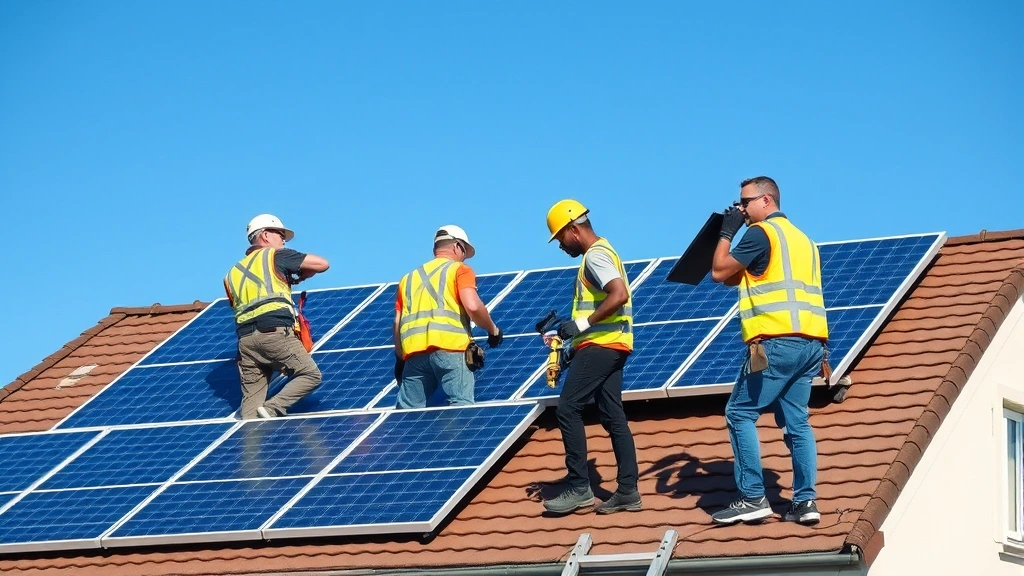
Global employment in renewable energy and related sectors reached approximately 12.7 million jobs in 2021, according to the International Renewable Energy Agency (IRENA). This figure represents a 5.3% increase from the previous year, substantially outpacing overall employment growth rates in developed economies. Solar photovoltaic installation alone employs more workers than coal mining globally—a remarkable reversal that illustrates structural economic transformation.
The UNEP reports that green jobs typically offer better wages, improved working conditions, and greater job security compared to extractive industries. Average earnings in renewable energy sectors exceed traditional fossil fuel employment by 10-15% in many developed nations, challenging assumptions that environmental protection requires economic sacrifice.
Employment growth concentrates in specific regions and sectors. China dominates solar manufacturing employment with 3.4 million workers, while the United States leads in wind energy jobs with approximately 120,000 positions. Europe maintains strong employment across multiple green sectors—retrofitting, public transportation, and ecosystem management—creating diverse economic opportunities across education and income levels.
This employment expansion reflects fundamental market dynamics. As renewable energy costs decline—solar costs decreased 89% between 2010 and 2020—market competitiveness drives deployment acceleration and workforce expansion. Unlike subsidized industries, green energy increasingly succeeds through economic efficiency, suggesting sustainable job growth foundations.
Sectoral Job Growth in Renewable Energy
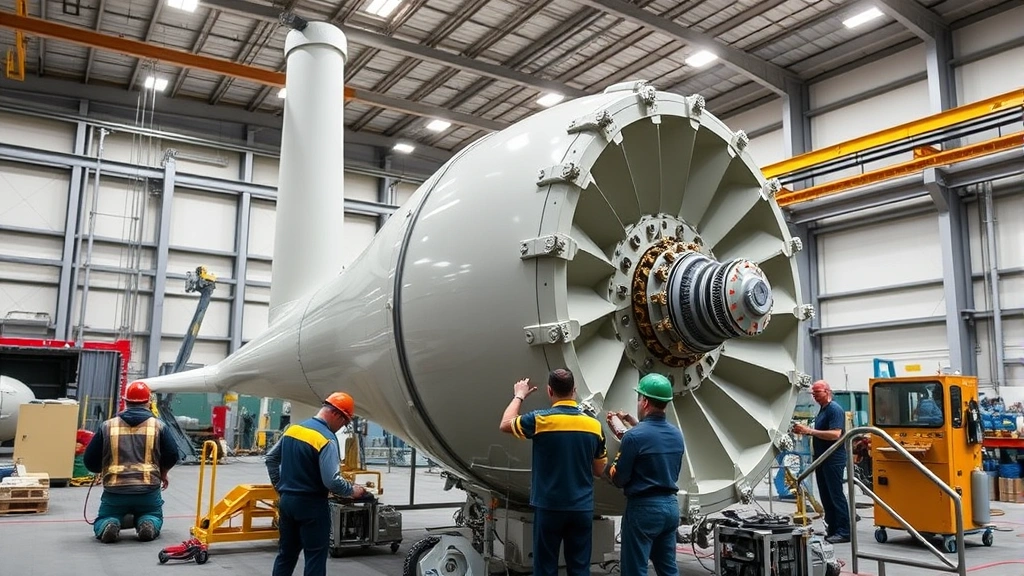
Renewable energy represents the fastest-growing employment sector within the broader green economy. Wind energy installations generated 1.2 million jobs globally, including manufacturing, installation, maintenance, and supply chain positions. Solar photovoltaic deployment supports approximately 4 million jobs across manufacturing, installation, and related services. These figures exclude upstream manufacturing and downstream distribution employment, suggesting actual job multipliers significantly exceed direct employment counts.
Energy efficiency retrofitting creates substantial employment opportunities with immediate local economic benefits. Building sector decarbonization—improving insulation, upgrading HVAC systems, installing smart controls—requires skilled trades including electricians, plumbers, and construction workers. This sector employs 3.2 million people globally and demonstrates particular promise for workforce transitions from declining industries, as skills transfer readily to green construction applications.
Sustainable agriculture and forestry management employ over 1 billion people globally, though many work in subsistence conditions. Transitioning these sectors toward regenerative practices—soil conservation, agroforestry, integrated pest management—enhances productivity while creating specialized employment requiring training and certification. Human environment interaction improves through these transitions as communities develop economic stake in ecosystem health.
Electric vehicle manufacturing represents an emerging employment frontier. Tesla, Volkswagen, and traditional automakers collectively employ over 500,000 workers in EV production, with projections suggesting this sector will employ 3-5 million by 2035. Supply chain employment—battery production, charging infrastructure, recycling—multiplies direct manufacturing positions substantially.
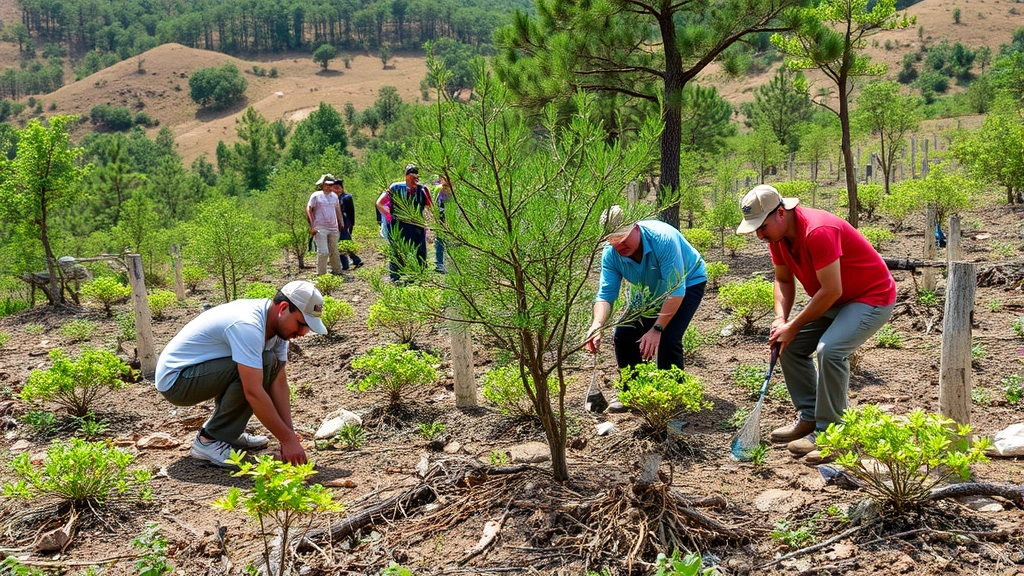
Ecosystem restoration and conservation management generate employment through habitat restoration, invasive species removal, and biodiversity monitoring. These positions often locate in rural areas experiencing economic decline, providing employment alternatives to extractive industries. The Nature Conservancy and similar organizations demonstrate that conservation creates competitive-wage employment while restoring ecological function.
Workforce Transition and Skills Development
Successful green economy expansion requires managing labor market transitions thoughtfully. Workers in fossil fuel industries—coal mining, oil refining, natural gas production—face displacement as energy systems decarbonize. Effective transition policies determine whether green growth delivers broadly distributed prosperity or concentrates benefits while externalizing costs onto displaced workers.
Coal industry employment declined from 176,000 to 44,000 in the United States between 2011 and 2023, yet only 10-15% of displaced workers obtained employment in renewable energy sectors without substantial retraining investments. This gap illustrates transition challenges. Successful models combine wage insurance, relocation assistance, and comprehensive skills training. Germany’s Energiewende (energy transition) invested €40 billion in worker retraining, enabling coal workers to transition to renewable energy installation and maintenance roles.
Skills requirements differ substantially between fossil fuel and green energy sectors. Coal mining demands different competencies than solar installation, though both require technical proficiency and safety training. Effective transition programs identify transferable skills—spatial reasoning, safety protocols, equipment operation—and provide bridging education. Community colleges increasingly offer certificate programs in renewable energy installation, energy auditing, and sustainable building practices, reducing transition friction.
Apprenticeship models accelerate skills development while providing income security. Germany’s dual education system, combining classroom instruction with paid apprenticeships, produces workers ready for immediate employment. The United States is expanding similar programs through Department of Labor initiatives, creating pathways for workers without bachelor’s degrees to access quality green employment.
Importantly, green economy jobs span educational attainment levels. While some positions require advanced degrees—renewable energy engineers, environmental economists, policy analysts—many positions offer middle-class wages without four-year degrees. Solar installation, weatherization, and maintenance positions typically require high school education plus technical training, democratizing access to quality employment.
Economic Multiplier Effects and Local Communities
Green economy employment generates economic multiplier effects exceeding direct job creation. When renewable energy companies hire locally, workers spend wages in community businesses—restaurants, retail, housing—creating secondary employment. Research indicates green energy investments generate 1.5-2.5 jobs indirectly for every direct job created, compared to 0.8-1.2 multipliers in fossil fuel industries.
This reflects supply chain structures. Renewable energy manufacturing depends on local suppliers—electrical components, concrete, steel—creating distributed employment benefits. Solar panel installation particularly benefits local economies as installation remains location-specific; panels cannot be shipped from distant factories but require on-site skilled workers. Communities hosting renewable energy facilities experience sustained economic activity rather than extractive boom-bust cycles.
Property tax revenues from renewable energy installations provide stable municipal funding. A utility-scale solar facility typically generates $15,000-$25,000 annual property tax revenue, supporting schools and infrastructure without depleting underlying resources. Coal mining, by contrast, leaves environmental remediation costs—acid mine drainage treatment, land reclamation—that communities bear after extraction concludes.
Rural economic development particularly benefits from green economy transitions. Agricultural communities can integrate solar installations on marginal lands while maintaining farming operations, generating dual-use income. Carbon footprint reduction initiatives often locate in rural regions, creating employment while addressing climate change. This geographic distribution prevents excessive urbanization pressures while revitalizing declining regions.
Community ownership models amplify local benefits. When communities collectively own renewable energy facilities, revenue remains local rather than flowing to distant shareholders. Denmark’s wind cooperatives demonstrate this model’s viability—farmers collectively own 80% of onshore wind capacity, generating wealth retained in communities. Similar models emerging globally show green economy employment combined with wealth building creates transformative local economic development.
Policy Frameworks and Job Creation Mechanisms
Government policy fundamentally shapes whether green economy growth translates into job creation. Effective mechanisms include carbon pricing, renewable energy standards, green infrastructure investment, and just transition programs. Understanding these tools illuminates how economists influence employment outcomes.
Carbon pricing—implemented through taxes or cap-and-trade systems—makes fossil fuels more expensive, increasing renewable energy competitiveness. European carbon prices exceeding €80 per ton accelerated renewable energy deployment, driving employment growth. Conversely, carbon prices below €10 per ton provide insufficient incentive for investment. Economists debate optimal pricing levels, but evidence suggests €50-100 per ton generates substantial employment transitions without excessive economic disruption.
Renewable energy standards mandate utilities purchase increasing renewable percentages, creating guaranteed markets for green energy producers. These policies drive manufacturing investment and workforce expansion. California’s renewable portfolio standard, requiring 60% renewable electricity by 2030, supported 500,000+ jobs in renewable energy and related sectors. Similar policies across Europe, Asia, and increasingly in developing nations create employment momentum.
Green infrastructure investment—public spending on transit, clean water, ecosystem restoration—directly creates employment while building productive capital. The United States’ Inflation Reduction Act allocated $369 billion for climate and clean energy investments, projected to create 9-10 million jobs over the decade. These investments employ construction workers, engineers, and technicians across geographic regions, distributing economic benefits broadly.
Just transition policies determine whether displaced workers share green economy benefits. Successful programs include wage insurance maintaining 80-90% of previous earnings during retraining, relocation assistance, pension protections, and education subsidies. Blog resources increasingly document effective transition models as policymakers prioritize equitable transitions.
Research institutions including the World Bank and ecological economics journals increasingly emphasize policy optimization for employment outcomes. Studies demonstrate that well-designed green policies generate net employment growth while reducing emissions, contrary to earlier assumptions requiring employment-environment tradeoffs.
Challenges and Realistic Expectations
Despite compelling employment opportunities, realistic assessment requires acknowledging challenges and limitations. Green economy growth does not automatically solve unemployment or inequality; policy design determines distributional outcomes. Without intentional inclusion efforts, green jobs may concentrate in specific regions and education levels, potentially exacerbating existing inequalities.
Geographic concentration presents challenges. Renewable energy manufacturing concentrates where labor costs remain low, typically in Asia. This creates employment growth in manufacturing hubs but may not directly benefit communities losing fossil fuel employment. Effective policy must deliberately locate green manufacturing and installation in transition regions through incentives and infrastructure investment.
Skills gaps persist despite training expansion. Renewable energy sectors demand technical competency, safety awareness, and problem-solving abilities that require education and training investments. Workers without foundational education struggle accessing green jobs despite training availability. Addressing this requires strengthening K-12 STEM education, vocational training accessibility, and removing credential barriers limiting employment access.
Capital intensity varies across green sectors. Some renewable energy manufacturing demands substantial capital investment, limiting small business participation. Conversely, installation and maintenance services support small contractors and distributed employment. Policy should encourage labor-intensive green sectors providing broad employment access rather than capital-intensive automation that concentrates benefits.
Energy transition pace matters significantly for employment outcomes. Rapid transitions create shock effects—facility closures, community disruption—potentially overwhelming transition support systems. Gradual transitions allow workforce natural attrition and planned retraining. Economists debate optimal transition speeds; evidence suggests 10-15 year timelines allow managed transitions while maintaining employment continuity.
Environmental science increasingly emphasizes that transition speed reflects carbon budget constraints rather than economic preferences. Climate physics demands rapid decarbonization, potentially requiring faster transitions than labor markets comfortably accommodate. This tension requires policy innovation balancing climate urgency with employment security.
Developing nations face particular challenges. Green technology manufacturing concentrates in wealthy nations; developing countries may become consumers rather than producers, limiting employment opportunities. Technology transfer and capacity building investments must accompany climate finance to ensure developing nations capture green economy employment benefits.
Importantly, green economy employment does not guarantee quality jobs. Some positions offer low wages, precarious contracts, and poor working conditions. Renewable energy deployment in some regions relies on exploitative labor practices. Ensuring green jobs provide fair wages, benefits, and security requires strong labor standards and enforcement, not merely employment creation.
FAQ
How many jobs does the green economy currently support globally?
The green economy supports approximately 12.7-13 million jobs directly in renewable energy, energy efficiency, sustainable agriculture, and related sectors. Including indirect and induced employment from supply chains and local economic activity, estimates suggest 25-30 million jobs globally. This figure grows 5-7% annually, substantially exceeding overall employment growth rates.
Do green jobs pay better than traditional employment?
On average, yes. Renewable energy positions offer 10-15% higher wages than fossil fuel employment in developed nations. Energy efficiency and skilled trades in green sectors typically offer middle-class wages—$50,000-$90,000 annually in the United States—without requiring four-year degrees. However, wages vary substantially by region, skill level, and employer, so individual outcomes differ.
What skills do green economy jobs require?
Skills span education levels. Installation and maintenance positions require high school education plus technical training—typically 6-24 month programs. Engineering and management roles demand bachelor’s or advanced degrees. Many positions value practical skills—troubleshooting, electrical work, equipment operation—that apprenticeships and vocational programs effectively teach. Transferable skills from traditional industries—safety protocols, equipment operation, project management—facilitate workforce transitions.
How can governments maximize green economy employment?
Effective strategies include: carbon pricing creating renewable energy market competitiveness; renewable energy standards guaranteeing markets; green infrastructure investment directly creating employment; skills training and education programs; just transition support for displaced workers; and local content requirements ensuring manufacturing occurs in transition regions. Combining policies optimizes employment outcomes while achieving climate objectives.
What happens to workers in declining fossil fuel industries?
Outcomes depend critically on transition support. With comprehensive retraining, wage insurance, and relocation assistance, most workers transition successfully to green sectors. Without support, many face permanent job loss or lower-wage employment. Germany and Denmark demonstrate successful transition models through substantial investment in worker retraining and community economic development. The United States is expanding similar programs through recent legislation.
Can green economy jobs reach developing nations?
Yes, but requires intentional policy. Technology transfer, capacity building, and green finance supporting developing nation renewable energy manufacturing and deployment can create substantial employment. China’s renewable energy dominance demonstrates that developing nations can become green technology leaders. However, without deliberate inclusion, benefits may concentrate in wealthy nations while developing countries face energy transition disruption without employment compensation.
Do green jobs require living in specific regions?
Green economy employment distributes geographically more broadly than fossil fuel industries. Renewable energy installations, energy efficiency retrofitting, and sustainable agriculture create employment opportunities across regions. However, manufacturing concentrates in specific areas, and some regions benefit more than others. Deliberate policy can locate green manufacturing and training in economically disadvantaged areas, distributing transition benefits broadly.


