Wasps’ Role in Ecosystems: Ecologist Insights on Environmental Importance
Wasps occupy a fascinating yet frequently misunderstood position within ecological systems worldwide. While many people instinctively react with fear or annoyance to these insects, ecologists recognize wasps as essential contributors to ecosystem health and stability. Their ecological roles extend far beyond their reputation as aggressive insects, encompassing pest control, pollination, nutrient cycling, and food web dynamics that sustain countless other species. Understanding what do wasps do for the environment reveals a complex network of ecological services that directly and indirectly support human agriculture, forestry, and natural ecosystem functions.
The global wasp population comprises over 100,000 described species, with estimates suggesting millions more remain undiscovered. From solitary hunting wasps to highly social colonies, these insects have evolved remarkable behavioral and physiological adaptations that make them indispensable ecological engineers. Their presence in ecosystems indicates environmental health, while their absence often signals ecosystem degradation or imbalance. This comprehensive analysis explores the multifaceted environmental contributions of wasps, drawing on entomological research and ecological theory to demonstrate why protecting wasp populations matters for planetary health.
Biological Pest Control and Natural Population Management
The most significant ecological contribution wasps make involves regulating populations of agricultural pests and forest insects without requiring synthetic chemical interventions. Parasitoid wasps—comprising approximately 15% of all described wasp species—lay their eggs inside or on host insects, with developing wasp larvae consuming the host from within. This biological control mechanism has proven remarkably effective across agricultural landscapes, controlling populations of aphids, caterpillars, beetles, flies, and other herbivorous insects that damage crops and native vegetation.
Research published by the World Bank and agricultural economists demonstrates that parasitoid wasps provide ecosystem services valued at billions of dollars annually through natural pest suppression. In agricultural systems, a single parasitoid wasp can parasitize dozens of pest insects throughout its lifetime, creating exponential population control effects. This biological regulation prevents pest outbreaks that would otherwise require intensive pesticide applications, reducing chemical contamination of soil and water while maintaining crop productivity.
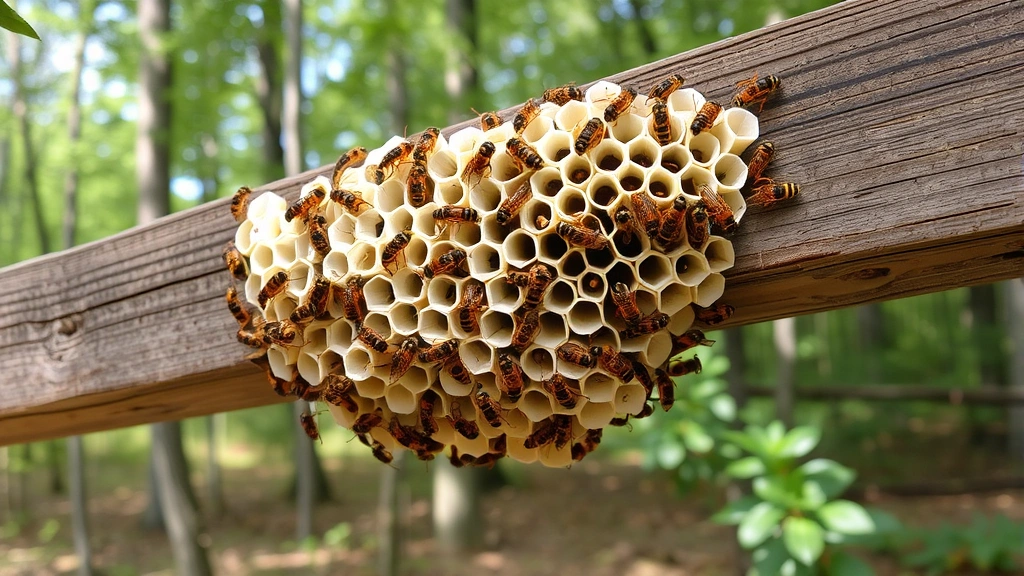
Predatory wasps—including paper wasps, mud daubers, and solitary hunting wasps—capture live prey to provision their nests, consuming substantial quantities of flies, caterpillars, spiders, and other arthropods. A single paper wasp colony can consume thousands of insects during a breeding season, directly reducing populations of disease vectors like house flies and disease-carrying mosquitoes. This predatory behavior extends beyond agricultural contexts into urban and forest ecosystems, where wasps help maintain arthropod community balance and prevent vector-borne disease transmission.
The economic value of natural pest control through wasps becomes apparent when comparing integrated pest management systems that preserve wasp populations versus conventional monoculture agriculture relying on pesticides. Studies indicate that preserving natural enemy populations, particularly parasitoid wasps, can reduce pest management costs by 30-50% while improving long-term soil health and ecosystem resilience. This economic-ecological intersection demonstrates how human environment interaction can benefit from understanding and protecting natural predator-prey relationships.
Pollination Services and Plant Reproduction
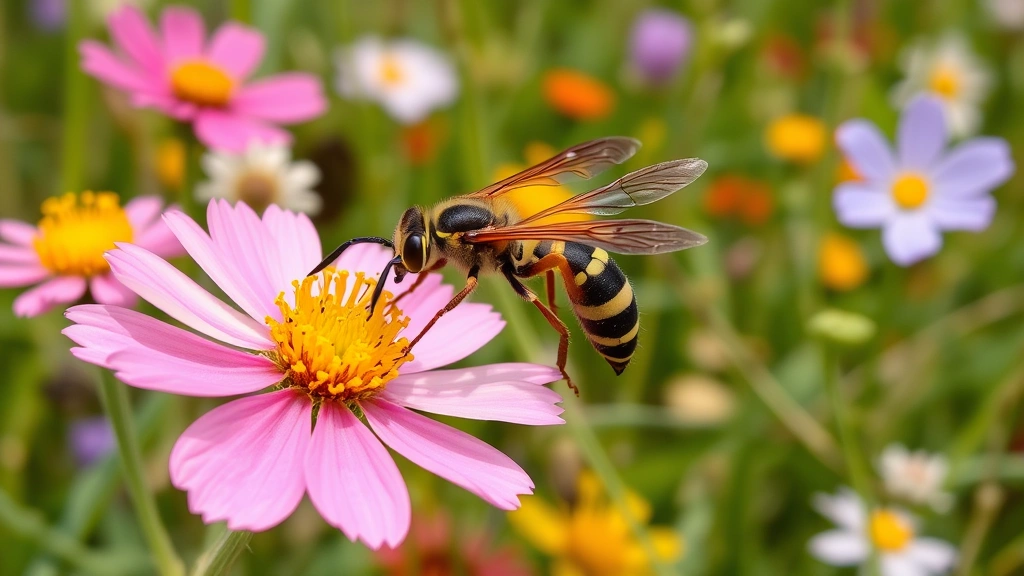
Beyond their reputation as predators and parasitoids, wasps provide essential pollination services that support plant reproduction and ecosystem productivity. While less efficient pollinators than bees, wasps visit flowers to collect nectar and pollen, transferring pollen between plants and facilitating sexual reproduction in numerous plant species. This pollination role proves particularly important in ecosystems where bee populations have declined due to habitat loss, disease, or pesticide exposure.
Certain wasp species have evolved specialized relationships with specific plant species, creating mutualistic interactions where wasps depend on plant resources while plants benefit from pollination services. Fig wasps demonstrate the most remarkable example of this specialization—fig plants depend entirely on small parasitoid wasps for pollination, with each fig species hosting a unique wasp pollinator. This co-evolutionary relationship illustrates the intricate ecological dependencies that structure plant communities and maintain genetic diversity within plant populations.
The pollination services provided by wasps extend to wild plant communities, agricultural crops, and ornamental plants. Research indicates that in some ecosystems, wasps contribute 5-15% of total pollination services, a contribution that becomes increasingly valuable as bee populations face mounting pressures. The economic value of wasp pollination services, though less quantified than bee pollination, likely exceeds hundreds of millions of dollars annually in global agricultural and natural ecosystem contexts.
Nutrient Cycling and Soil Ecosystem Functions
Wasps contribute to nutrient cycling processes that maintain soil fertility and ecosystem productivity through multiple mechanisms. When wasps consume insects and arthropods, they extract nutrients from prey biomass, incorporating these nutrients into their own tissues and excreting waste products that enrich surrounding soil. This nutrient transfer from arthropod prey to wasp biomass to soil represents a critical pathway for redistributing nutrients within ecosystems.
Additionally, wasp colonies accumulate large quantities of insect prey, and the decomposition of unconsumed prey portions returns nitrogen, phosphorus, and other essential nutrients to soil ecosystems. In forest and grassland ecosystems, the nutrient cycling services provided by predatory and parasitoid wasps help maintain soil nutrient availability for plant growth. This contribution becomes particularly significant in nutrient-limited ecosystems where alternative nutrient sources prove scarce.
The decomposition of dead wasps themselves contributes to nutrient cycling, as their protein-rich bodies return to soil ecosystems through decomposer food webs. This may appear negligible for individual wasps, but across landscapes supporting millions of wasps, the cumulative nutrient contribution becomes ecologically meaningful. Understanding these nutrient pathways reveals how definition of environment science encompasses interconnected biogeochemical cycles where even small organisms play significant roles.
Wasps also influence soil structure and water infiltration through their nesting behaviors. Solitary wasps that nest in soil create small burrows and cavities that improve soil aeration and water movement, benefiting soil microbial communities and plant root development. These physical modifications to soil structure, though localized, contribute to overall soil ecosystem health and resilience.
Food Web Architecture and Trophic Dynamics
Wasps occupy critical positions within food webs, serving simultaneously as predators of arthropods and prey for numerous vertebrate and invertebrate species. Birds, reptiles, mammals, spiders, and other predatory insects depend on wasps as protein sources, particularly during breeding seasons when nutritional demands peak. The energy and nutrients captured by wasps from their arthropod prey become available to higher trophic levels through these predator-prey relationships.
The removal of wasps from ecosystems cascades through food webs, reducing food availability for wasp predators and potentially triggering trophic cascades that alter ecosystem structure and function. In temperate forests, for example, woodpeckers and other insectivorous birds depend partly on parasitoid wasp populations for maintaining manageable pest levels, allowing birds to allocate energy to reproduction rather than constant foraging. The loss of wasp populations would increase pest pressures on these bird species while simultaneously reducing available prey.
Social wasps create additional food web complexity through their colony structure and resource allocation. Large paper wasp or yellowjacket colonies accumulate substantial biomass and represent concentrated nutritional resources for predators. Some predatory insects and vertebrates have evolved specialized hunting strategies targeting wasp colonies, indicating the ecological significance of wasps within broader predator-prey networks.
The trophic position of wasps—typically occupying intermediate positions as both predators and prey—makes them crucial for energy transfer efficiency within ecosystems. Their presence affects the stability and resilience of food webs by providing alternative prey sources when preferred prey becomes scarce, thereby buffering predator populations against fluctuations in primary prey availability.
Parasitoid Wasps in Agricultural Systems
Agricultural ecosystems represent human-modified environments where wasp ecological services prove particularly valuable and economically quantifiable. Parasitoid wasps naturally suppress populations of major crop pests including Lepidoptera (butterflies and moths), Hemiptera (true bugs), and Diptera (flies), reducing crop damage while eliminating the need for synthetic pesticide applications. Farmers increasingly recognize the economic advantages of preserving and promoting parasitoid wasp populations through habitat management and reduced pesticide use.
Integrated pest management programs deliberately cultivate parasitoid wasp populations by maintaining hedgerows, flowering plant strips, and native vegetation patches within agricultural landscapes. These habitat features provide wasps with alternative food sources, overwintering sites, and shelter, maintaining wasp populations throughout growing seasons. The investment in habitat management typically returns substantial economic benefits through reduced pest damage and decreased pesticide expenditures.
Specific parasitoid wasp species have become commercially important biological control agents, with farmers purchasing and releasing captive-bred populations to suppress pest outbreaks. Species like Trichogramma wasps, which parasitize moth and butterfly eggs, have become standard components of organic and conventional agricultural systems worldwide. The global biological control wasp market represents a multi-billion-dollar industry, demonstrating the economic significance of wasp ecological services in food production systems.
The effectiveness of parasitoid wasps in agricultural contexts depends on landscape complexity and pesticide use patterns. Simplified monoculture landscapes with intensive pesticide applications eliminate parasitoid populations, forcing farmers into dependence on synthetic pest control. Conversely, diversified agricultural landscapes that support diverse wasp populations achieve lower pest densities with reduced external inputs, improving long-term sustainability and profitability. This economic-ecological relationship connects to broader questions about how do humans affect the environment through agricultural practices.
Wasp Decline and Ecosystem Consequences
Global wasp populations face mounting pressures from habitat loss, pesticide exposure, climate change, and disease, with potential consequences extending throughout ecosystems. Research from UNEP and ecological research institutions documents significant declines in wasp abundance and diversity across multiple continents, particularly in intensively managed agricultural regions and urban areas.
The widespread application of neonicotinoid and other broad-spectrum pesticides has devastated parasitoid wasp populations, eliminating natural pest control capacity and requiring increased pesticide dependence. This creates a vicious cycle where pesticide use reduces wasp populations, increasing pest pressures that prompt further pesticide applications. Breaking this cycle requires transitioning toward agricultural systems that preserve wasp populations and other natural enemies.
Habitat loss through agricultural intensification, urban development, and forest conversion eliminates nesting sites and food sources for wasp species, causing population declines even in regions with reduced pesticide use. Grassland conversion to monoculture crops, wetland drainage, and removal of hedgerows and woody vegetation destroy wasp habitat, fragmenting populations and reducing genetic diversity. Climate change further stresses wasp populations by altering phenological timing between wasps and their prey, disrupting synchronized predator-prey relationships.
The ecological consequences of wasp population declines manifest through multiple pathways. Reduced parasitoid wasp populations allow pest insect populations to increase, potentially causing crop damage and forest pest outbreaks. Lower predatory wasp populations reduce food availability for wasp predators, potentially triggering secondary declines in bird and reptile populations. Diminished wasp pollination services reduce plant reproductive success, particularly for plant species dependent on wasp pollinators. These cascading effects demonstrate the ecological centrality of wasps and the importance of their conservation.
Economic analyses suggest that wasp population declines impose substantial costs through increased pest management expenditures, reduced agricultural productivity, and ecosystem service losses. Reversing these declines requires proactive conservation efforts and fundamental shifts in agricultural and land management practices that currently prioritize short-term productivity over ecosystem health.
Conservation Strategies for Wasp Populations
Protecting and restoring wasp populations requires multifaceted conservation approaches operating across individual, landscape, and policy levels. At individual and farm scales, reducing pesticide use—particularly broad-spectrum insecticides—provides immediate benefits to wasp populations. Organic and integrated pest management systems that minimize synthetic pesticide applications consistently support higher wasp abundance and diversity compared to conventional systems.
Habitat management represents a critical conservation tool for maintaining wasp populations. Creating and maintaining flowering plant strips, hedgerows, and native vegetation patches within agricultural and urban landscapes provides wasps with nectar and pollen resources, prey insects, and nesting sites. Leaving dead wood, brush piles, and undisturbed soil areas supports solitary wasp nesting, while maintaining native trees and shrubs provides cavities for cavity-nesting wasp species.
Landscape-scale conservation efforts that maintain ecosystem connectivity and reduce habitat fragmentation benefit wasp populations through improved gene flow and resource availability. Protected areas that maintain natural vegetation and restrict pesticide use serve as wasp population reservoirs, supporting recolonization of surrounding areas. Regional conservation networks that coordinate habitat management across multiple properties maximize conservation effectiveness.
Policy interventions supporting wasp conservation include restricting broad-spectrum pesticide use, providing agricultural subsidies for habitat management, and incorporating wasp conservation into environmental regulations. Several European countries have implemented neonicotinoid restrictions that have resulted in wasp population recovery, demonstrating policy effectiveness. Climate change mitigation efforts that reduce warming rates and ecosystem disruption provide essential support for wasp population persistence.
Public education campaigns highlighting wasp ecological importance help overcome negative cultural perceptions and build support for conservation efforts. Communicating the economic value of wasp ecosystem services—particularly pest control and pollination—to farmers and policymakers creates economic incentives for conservation. Understanding types of environment and their specific conservation needs enables targeted strategies that maximize conservation effectiveness.
Research investments in wasp ecology, monitoring, and conservation biology provide essential knowledge for effective management. Long-term population monitoring studies document wasp population trends and identify drivers of decline, informing evidence-based conservation strategies. Experimental research on wasp habitat requirements and responses to management interventions guides practical conservation implementation.
FAQ
What are the main ecological roles of wasps in ecosystems?
Wasps fulfill multiple essential ecological roles including biological pest control through parasitism and predation, pollination of flowering plants, nutrient cycling through prey consumption and decomposition, and food web support as prey for numerous vertebrate and invertebrate predators. These diverse ecological functions make wasps indispensable for ecosystem health and stability.
How do parasitoid wasps control pest populations?
Parasitoid wasps lay eggs inside or on host insects, with developing wasp larvae consuming the host from within. This parasitism kills the host insect while simultaneously reproducing the wasp population, creating natural population control of pests including aphids, caterpillars, and other agricultural and forest pests. A single parasitoid wasp can parasitize dozens of pest insects throughout its lifetime.
Do wasps pollinate plants effectively?
While less efficient pollinators than bees, wasps visit flowers to collect nectar and pollen, transferring pollen between plants and facilitating reproduction. Wasps contribute 5-15% of total pollination services in some ecosystems and prove particularly important where bee populations have declined. Some plant species depend entirely on wasp pollinators for reproduction.
How much economic value do wasps provide through ecosystem services?
Wasp ecosystem services—particularly biological pest control—provide billions of dollars in economic value annually through natural pest suppression, reduced pesticide expenditures, and maintained crop productivity. Agricultural systems preserving parasitoid wasp populations achieve 30-50% reductions in pest management costs compared to pesticide-dependent systems.
What threats do wasp populations face?
Wasp populations face mounting pressures from habitat loss through agricultural intensification and urban development, broad-spectrum pesticide exposure, climate change disrupting predator-prey synchronization, and disease. Research documents significant wasp population declines across multiple continents, with consequences extending throughout ecosystems dependent on wasp ecological services.
How can individuals support wasp conservation?
Individuals can support wasp conservation by reducing pesticide use in gardens and yards, maintaining flowering plants and native vegetation that provide wasp food sources, leaving dead wood and undisturbed soil for nesting, and supporting agricultural practices that preserve natural pest control. Policy advocacy for pesticide restrictions and agricultural subsidies supporting habitat management amplifies conservation impact.
Why should we care about wasp population declines?
Wasp population declines trigger cascading ecosystem effects including increased pest populations, reduced food availability for wasp predators, diminished pollination services, and ecosystem service losses. These declines impose substantial economic costs through increased pest management expenditures and reduced agricultural productivity while undermining ecosystem health and resilience. Reversing wasp declines requires fundamental shifts toward sustainable land management practices.


