Hornets’ Role in Ecosystems: Ecologist Insights on Environmental Impact
Hornets represent one of nature’s most sophisticated predatory systems, yet their ecological significance remains largely misunderstood by the general public. These aggressive aerial hunters occupy critical niches within terrestrial food webs, performing functions that span pest regulation, pollination services, and nutrient cycling. Understanding what hornets do for the environment requires examining their multifaceted contributions through the lens of ecological economics and systems thinking, where biodiversity maintenance directly correlates with ecosystem service valuations and economic resilience.
Recent ecological research demonstrates that hornets contribute substantially to agricultural productivity and natural ecosystem stability. A single hornet colony can consume thousands of kilograms of arthropod biomass annually, including agricultural pests, disease vectors, and competing invertebrates. This predatory efficiency translates into measurable economic value when quantified through the framework of ecosystem services—the benefits humans derive from natural systems. The United Nations Environment Programme (UNEP) increasingly recognizes predatory insects like hornets as critical components of natural pest management systems, reducing humanity’s dependence on synthetic pesticides and their associated environmental costs.
Predatory Efficiency and Pest Control Services
Hornets function as apex predators within arthropod communities, targeting herbivorous insects, other predatory arthropods, and disease-carrying organisms. The ecological economics perspective values this service through replacement cost analysis: if hornets were absent, agricultural systems would require intensified pesticide applications, incurring substantial direct costs and generating negative externalities including water contamination, soil degradation, and non-target organism mortality. Research from the World Bank estimates that natural pest control services provide annual global economic benefits exceeding $57 billion.
Different hornet species exhibit specialized predatory behaviors. Asian giant hornets demonstrate extraordinary hunting efficiency, capable of decimating honeybee colonies while simultaneously controlling agricultural pest populations. European hornets focus on dipteran larvae and other soft-bodied arthropods, providing targeted biocontrol within specific ecological niches. This dietary specialization creates redundancy within predatory systems—when one hornet species declines, others partially compensate, maintaining ecosystem function. The economic principle of portfolio diversification applies directly: ecosystems with multiple predatory species maintain more stable pest suppression services than monocultures dependent on single control organisms.
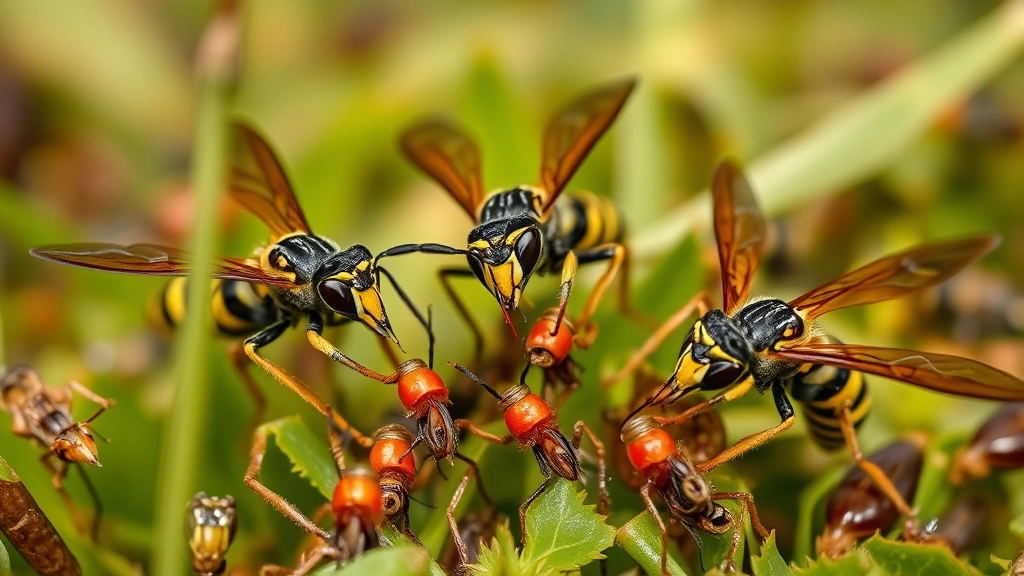
Quantifying pest control services requires understanding predation rates and target organism population dynamics. A single hornet colony containing 300-500 workers can consume 1,500-2,000 insects daily during peak foraging seasons. Over a six-month active period, this translates to 270,000-360,000 prey organisms removed from agricultural and natural systems. When multiplied across thousands of colonies within regional ecosystems, hornet predation represents a substantial ecological service. The opportunity cost of losing this service—measured through increased pesticide expenditures and reduced crop yields from pest damage—substantially exceeds the occasional economic losses from hornet-human conflicts.
Pollination and Plant Reproduction
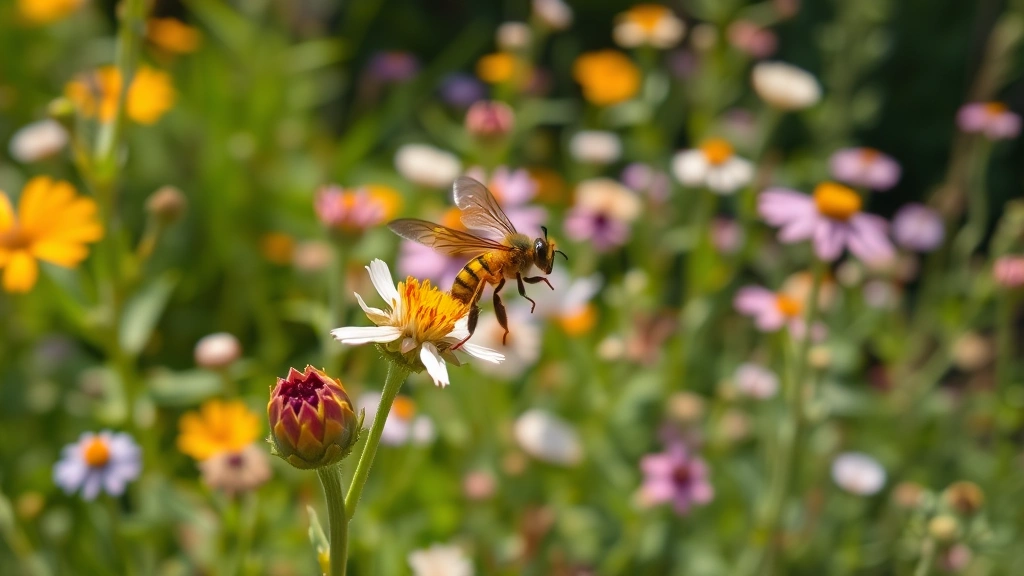
While hornets lack the specialized morphological features of dedicated pollinators, they contribute meaningfully to plant reproduction through incidental pollen transfer during foraging activities. Unlike bees, hornets visit flowers primarily for nectar—a high-energy fuel source supporting their predatory activities. However, this behavior generates ecological spillovers: as hornets move between flowering plants, pollen adheres to their bodies and transfers to stigmatic surfaces, facilitating sexual reproduction in diverse plant species.
The pollination contribution varies by hornet species and regional flora composition. Paper wasps and bald-faced hornets demonstrate greater flower visitation frequencies than their more carnivorous relatives, suggesting variable contributions to pollination services. This ecological heterogeneity reflects the principle of types of work environments in nature—different species occupy distinct ecological niches with corresponding functional roles. The interdisciplinary field of ecological economics recognizes these overlapping services: organisms simultaneously perform multiple ecosystem functions, creating complex valuation challenges.
Research published in journals specializing in ecological economics demonstrates that wild pollinator communities—including hornets—provide pollination services valued at $15-20 billion annually across global agricultural systems. The loss of hornet populations would require compensatory pollination services, either through managed honeybee intensification or hand-pollination in critical crop systems. Both alternatives incur substantial costs and environmental tradeoffs, highlighting the economic importance of maintaining diverse wild pollinator assemblages that includes hornet species.
Nutrient Cycling and Soil Health
Hornets participate in nutrient cycling processes through multiple pathways. Predation removes biomass from arthropod populations, but hornet colonies themselves represent nutrient sinks and sources. Adult hornets consume prey organisms, metabolizing proteins and transferring energy through food webs. Their feces—containing partially processed insect biomass—redistribute nutrients across foraging territories. When hornets die, their bodies decompose, returning accumulated biomass to soil systems and supporting decomposer communities.
The nest construction process generates additional ecosystem effects. Paper wasps construct nests from wood fibers, creating structural complexity within vegetation that modifies microclimatic conditions and provides habitat for other arthropods. This architectural function contributes to human environment interaction dynamics, as hornet nests become focal points for ecosystem observation and education. The ecological role extends beyond simple predation: hornets reshape physical environments, creating heterogeneous habitat structures that support biodiversity.
Nutrient cycling implications become apparent when examining regional nutrient budgets. Hornets concentrate nutrients from dispersed prey populations into localized colony structures, then redistribute these nutrients through mortality, feces, and abandoned nest materials. This process accelerates nutrient availability in vegetation patches, potentially enhancing plant productivity. The economic valuation of nutrient cycling services traditionally employs replacement cost methods: what would it cost to artificially redistribute and make available equivalent nutrient quantities? For most natural systems, such artificial interventions prove economically prohibitive, underscoring the value of maintaining hornet populations as nutrient cycling agents.
Food Web Architecture and Biodiversity Support
Hornets occupy intermediate trophic positions within complex food webs, functioning simultaneously as predators and prey. Their populations support diverse predator species including certain birds, spiders, and parasitoid wasps. This trophic role creates energy transfer pathways that sustain upper-level predators and maintain food web stability. The loss of hornet populations would cascade through food webs, potentially destabilizing predator communities dependent on hornet biomass.
Ecosystem resilience—the capacity to recover from disturbances—depends partly on food web complexity and redundancy. Systems with multiple species performing similar functions maintain greater stability when individual species decline. Hornets contribute to this resilience by occupying predatory niches alongside other arthropod predators. Their presence creates functional redundancy: if hornet populations temporarily decline, other predators partially compensate, preventing pest population explosions that might otherwise occur. This insurance function provides substantial economic value by stabilizing agricultural productivity and natural ecosystem services.
The biodiversity-productivity relationship, extensively documented in ecological economics literature, suggests that diverse predatory communities generate more stable ecosystem services than depauperate systems. Hornets contribute to predatory diversity, and their conservation supports the broader biodiversity portfolio that underpins ecosystem functioning. Research from ecological economics journals demonstrates that ecosystem service provision increases with species diversity up to saturation points, after which additional species provide marginal benefits. Most temperate and tropical ecosystems operate below diversity saturation, meaning hornet conservation contributes meaningfully to ecosystem service enhancement.
Economic Valuation of Hornet Ecosystem Services
Quantifying hornet ecosystem services requires integrating ecological data with economic valuation methodologies. The primary services include pest control, pollination, nutrient cycling, and biodiversity support. Researchers employ multiple valuation approaches: replacement cost (what would synthetic alternatives cost), hedonic pricing (inferring service values from market prices of related goods), and contingent valuation (surveying willingness-to-pay for ecosystem services).
Pest control services represent the most readily quantifiable hornet contribution. Agricultural pest management expenditures—encompassing pesticide purchases, application labor, and equipment—exceed $60 billion globally. Natural pest control from wild predators like hornets reduces required pesticide applications, generating cost savings and environmental benefits. Conservative estimates suggest hornets provide pest control services valued at $2-5 billion annually across global agricultural systems, though regional variations reflect local agricultural practices and hornet population densities.
Integrating these valuations within broader ecosystem service frameworks reveals that hornet populations generate substantial net economic benefits. The occasional costs from hornet-human conflicts—medical treatment for stings, property damage, and psychological stress—pale in comparison to ecosystem service values. This asymmetry creates economic justification for hornet conservation policies, particularly in agricultural regions where natural pest control provides substantial farmer benefits.
The World Bank and international development institutions increasingly incorporate ecosystem service valuations into environmental policy frameworks. Recognition of hornet economic value informs land-use planning, agricultural subsidy structures, and conservation prioritization. Ecological economics provides the analytical framework connecting biological function to economic value, enabling policymakers to make informed decisions about hornet conservation versus removal in specific contexts.

Human-Wildlife Conflict and Management Strategies
Hornet-human conflicts arise from overlapping spatial distributions and defensive behaviors protecting nests and food sources. Aggressive hornet species create safety concerns, particularly in high-density human settlements and agricultural areas. Balancing human safety with hornet conservation requires sophisticated management strategies that recognize ecological value while addressing legitimate safety concerns.
Integrated Pest Management (IPM) frameworks provide evidence-based approaches to hornet management. Rather than indiscriminate extermination, IPM emphasizes nest relocation, habitat modification to discourage nesting in human-occupied areas, and targeted removal only when immediate safety threats exist. This approach maintains hornet populations in surrounding landscapes while reducing human exposure to aggressive species. The United Nations Environment Programme promotes IPM as a sustainable alternative to chemical pest control, recognizing that arthropod management requires ecological sophistication rather than simple eradication.
Educational programs contribute substantially to human-wildlife coexistence. Public understanding of hornet ecological roles increases tolerance for their presence and reduces unnecessary nest destruction. Connecting hornets to broader environment awareness initiatives helps communities recognize the ecosystem services that support their agricultural productivity and food security. Schools and community organizations can leverage hornet biology to teach ecological principles and ecosystem interdependence.
Regional variation in hornet species, human settlement patterns, and agricultural systems requires adaptive management approaches. Tropical regions with highly aggressive hornet species face different management challenges than temperate areas with less aggressive species. Climate change will alter hornet distribution ranges and seasonal activity patterns, requiring flexible management frameworks that respond to emerging ecological conditions. The intersection of ecological science, economic analysis, and social dynamics creates complex management challenges that resist simple solutions.
Exploring what are the work environment conditions that support hornet populations reveals that agricultural landscapes with reduced pesticide use, diverse flowering plants, and preserved nesting habitat support robust hornet populations. These same conditions typically enhance overall biodiversity and ecosystem service provision, creating win-win scenarios where hornet conservation aligns with broader environmental benefits. Agroecological transitions toward sustainable farming practices simultaneously support hornets and generate multiple ecosystem service improvements.
FAQ
Do hornets provide significant pest control benefits?
Yes, hornets consume enormous quantities of arthropod prey, including agricultural pests and disease vectors. A single colony removes hundreds of thousands of insects annually, providing pest control services valued at billions of dollars globally. This natural biocontrol reduces pesticide dependence and associated environmental costs.
Are hornets important for plant pollination?
While not specialized pollinators like bees, hornets contribute to pollination through incidental pollen transfer during nectar foraging. Their pollination contribution varies by species but contributes meaningfully to wild plant reproduction and agricultural crop pollination services.
How do hornets support other wildlife?
Hornets occupy intermediate food web positions, providing biomass for predators including certain bird species and parasitoid wasps. They contribute to ecosystem resilience through functional redundancy in predatory communities and support overall biodiversity through habitat modification and nutrient cycling.
What economic value do hornets provide?
Hornets provide ecosystem services including pest control, pollination, nutrient cycling, and biodiversity support, collectively valued at billions of dollars annually. These benefits substantially exceed the costs of hornet-human conflicts, creating economic justification for conservation policies.
How can communities coexist with hornets safely?
Integrated Pest Management approaches emphasizing nest relocation, habitat modification, and targeted removal when necessary enable human-hornet coexistence. Educational programs increase understanding of hornet ecological roles and tolerance for their presence in human-dominated landscapes.
Will climate change affect hornet populations and ecosystem services?
Climate change will alter hornet distribution ranges, seasonal activity patterns, and prey availability, potentially disrupting established ecological relationships. Adaptive management frameworks will become increasingly important for maintaining hornet populations and associated ecosystem services under changing environmental conditions.
The ecological and economic evidence demonstrates that hornets provide substantial ecosystem services supporting human wellbeing and environmental sustainability. Recognition of hornet value informs conservation policies, agricultural practices, and human settlement planning that balances legitimate safety concerns with ecosystem service preservation. As global society confronts environmental challenges including pollinator decline, agricultural sustainability, and ecosystem degradation, hornets emerge as valuable allies in maintaining the ecological systems that sustain civilization. Integrating ecological science with economic analysis reveals that hornet conservation represents not merely environmental virtue but economic rationality—protecting these organisms generates measurable economic returns through ecosystem service provision. Future policy frameworks should reflect this integrated understanding, incorporating hornets into broader biodiversity conservation and sustainable development agendas.
Consulting Ecorise Daily’s blog provides additional insights into environmental science and sustainability topics. Engagement with ecological economics literature, available through peer-reviewed journals and international research institutions, offers sophisticated frameworks for valuing ecosystem services and informing environmental policy. The convergence of ecological science, economic analysis, and practical management creates opportunities for developing hornet conservation strategies that serve both human interests and environmental protection objectives.


