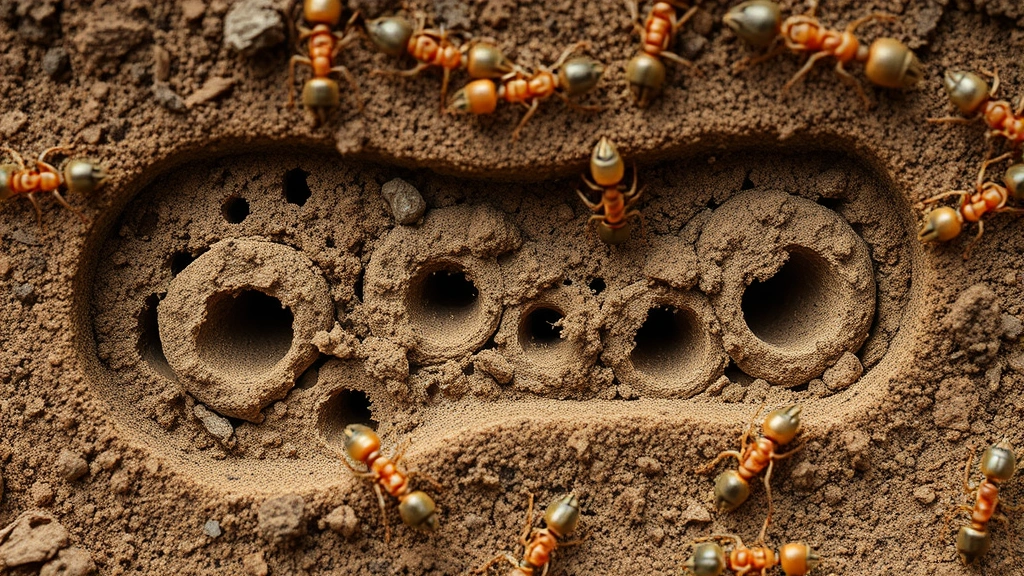
Ants Boost Soil Health: A Scientific Overview
Ants represent one of nature’s most sophisticated engineering forces, yet their contribution to soil health and ecosystem function remains underappreciated in mainstream environmental discourse. These tiny organisms, comprising an estimated 20 quadrillion individuals globally, function as ecological architects whose activities fundamentally reshape soil structure, nutrient cycling, and microbial communities. Understanding what ants do for the environment requires examining their multifaceted roles across physical, chemical, and biological dimensions of soil systems.
The relationship between ants and soil health extends far beyond simple pest control. Scientific research increasingly demonstrates that ant colonies operate as integrated biological systems capable of enhancing soil porosity, redistributing nutrients, and promoting plant growth across diverse ecosystems. From tropical rainforests to temperate grasslands, ants influence ecosystem productivity through mechanisms that modern agricultural and conservation practices are only beginning to fully appreciate and replicate.
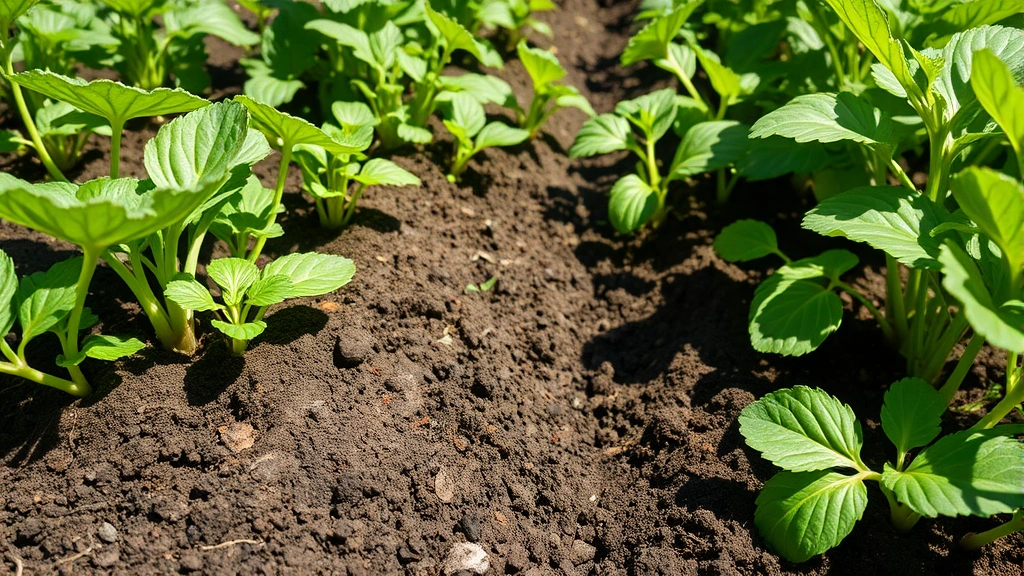
Physical Soil Structure and Porosity Enhancement
Ant tunneling activity represents a primary mechanism through which these insects physically modify soil architecture. When ants excavate underground galleries and chambers, they create extensive networks of burrows that fundamentally alter soil porosity and water infiltration rates. Studies published in soil science journals demonstrate that ant-modified soils exhibit significantly higher porosity compared to control sites, with some research indicating increases of 20-40% in air-filled pore space within the upper soil profile.
The physical restructuring accomplished by ants occurs through both excavation and soil particle rearrangement. As workers remove soil particles to construct chambers and tunnels, they inadvertently create pathways that remain stable due to the cohesive properties of ant-produced chemicals and the careful engineering of gallery walls. These burrow systems facilitate water movement through soil profiles, reducing surface runoff and promoting deeper water infiltration—a critical function in regions experiencing variable precipitation patterns.
Research from international development institutions examining ecosystem services has quantified the value of improved water infiltration resulting from ant activity. In arid and semi-arid regions, ant-created soil structures can increase water retention by 15-25%, directly supporting vegetation growth and reducing soil erosion. The economic value of this natural soil engineering translates to reduced infrastructure costs for water management and enhanced agricultural productivity without synthetic inputs.
Beyond water movement, ant tunnels create preferential pathways for root penetration, allowing plants to access deeper soil layers and access nutrient reserves unavailable to shallow-rooted species. This vertical integration of the soil profile enhances overall ecosystem productivity and resilience, particularly important given climate variability and anthropogenic environmental pressures.

Nutrient Cycling and Redistribution
The nutrient cycling functions performed by ant colonies operate through multiple interconnected pathways that fundamentally reshape soil nutrient availability. Ants engage in harvesting, processing, and redistribution of organic matter—from dead insects to plant seeds and fungal material—creating nutrient hotspots throughout the soil profile. The concentration of organic material within ant nests creates localized zones of high microbial activity and nutrient mineralization.
Nitrogen cycling particularly benefits from ant activity. When ants transport organic matter into their colonies, this material undergoes decomposition in the presence of diverse microbial communities adapted to the nest environment. Research examining nitrogen isotope ratios in ant-modified soils reveals enrichment patterns consistent with accelerated nitrification and denitrification processes. The scientific definition of environment encompasses these biogeochemical processes as essential components of ecosystem function, with ants serving as key facilitators.
Phosphorus redistribution by ants has received increasing scientific attention, particularly in phosphorus-limited ecosystems common to tropical regions. Ants transport phosphorus-rich materials—including arthropod exoskeletons and plant debris—into soil depths where they become available to plant roots over extended timeframes. This vertical redistribution increases phosphorus bioavailability and reduces losses to surface runoff, effectively concentrating limiting nutrients where plant uptake occurs.
The economic implications of ant-mediated nutrient cycling extend to agricultural systems, where reduced synthetic fertilizer requirements represent significant cost savings. In organic and regenerative agriculture contexts, understanding and promoting ant populations offers pathways toward sustainable productivity enhancement. Studies comparing ant-abundant and ant-depleted agricultural plots demonstrate yield differences of 10-20% in some crop systems, with implications for food security and agricultural economics.
Potassium and calcium cycling also benefit from ant activity, though these processes have received less research attention than nitrogen and phosphorus dynamics. Ants that feed on plant fluids and arthropods accumulate these essential elements, later redistributing them through their waste products and deceased colony members. This internal nutrient cycling within ant colonies effectively concentrates elements that subsequently become available to soil microbial communities and plant roots.
Microbial Community Dynamics
The soil microbiota represents the foundation of soil health and ecosystem function, and ant activity profoundly influences microbial community composition and activity. Ant nests create distinctive microenvironments characterized by elevated moisture, organic matter concentration, and stable temperature conditions—factors that select for specific microbial taxa adapted to these conditions. Research employing molecular characterization techniques reveals that ant-nest soils harbor microbial communities distinct from surrounding soil matrices.
The relationship between ants and mycorrhizal fungi deserves particular emphasis, as this symbiotic association has substantial implications for plant growth and nutrient acquisition. Many ant species actively cultivate fungal gardens, most notably leafcutter ants that farm fungus as their primary food source. These fungal gardens represent sophisticated agricultural systems where ants maintain optimal conditions for fungal growth while harvesting fungal biomass for colony nutrition. The fungal material produced in these gardens subsequently influences soil fungal communities when ants dispose of spent fungal matter.
Bacteria-ant interactions extend beyond simple predation and transport relationships. Ants harbor diverse bacterial communities within their digestive systems and on their body surfaces, effectively serving as vectors for bacterial dispersal through soil environments. Some bacterial species have evolved specific associations with ants, developing mutualistic relationships that enhance ant fitness while gaining dispersal advantages. These bacteria-ant relationships contribute to soil microbial diversity and functional redundancy—critical components of soil ecosystem resilience.
The antimicrobial compounds produced by ants—including formic acid and various alkaloid secretions—create selective pressures that favor microbial communities resistant to these compounds. This selection process may enhance soil microbial community resistance to pathogenic organisms and contribute to disease suppression in ant-modified soils. Agricultural implications include potential reductions in soil-borne pathogenic pressures without synthetic fungicide applications.
Carbon Sequestration and Climate Regulation
Ant activity influences soil carbon dynamics through multiple mechanisms, with implications for atmospheric carbon dioxide concentrations and climate regulation. The physical disruption of soil aggregates by ant tunneling exposes previously protected organic carbon to decomposition, potentially accelerating carbon mineralization in some contexts. However, this apparent negative effect is counterbalanced by enhanced plant productivity resulting from improved soil conditions, leading to increased organic matter inputs and carbon sequestration in plant biomass.
Research examining long-term soil carbon accumulation in ant-rich ecosystems reveals net carbon sequestration benefits, particularly in grassland and savanna systems where ant activity stimulates vegetation productivity. The enhanced water infiltration and nutrient availability created by ant engineering support increased plant biomass accumulation, with corresponding increases in soil carbon stocks. Studies tracking soil carbon over decadal timescales demonstrate that ecosystems with abundant ant populations accumulate carbon at rates 15-30% higher than ant-depleted systems.
The creation of stable soil structures by ants contributes to physical carbon protection mechanisms. Soil aggregates stabilized by ant-produced mucopolysaccharides and fungal hyphal networks protect enclosed organic matter from rapid decomposition. This physical protection mechanism, combined with chemical stabilization through organic matter binding to mineral surfaces, contributes to persistent soil carbon pools resistant to decomposition.
Given the urgency of climate change mitigation, understanding and enhancing ant-mediated carbon sequestration pathways offers practical ecosystem-based approaches complementary to technological solutions. Renewable energy transitions and carbon sequestration through natural systems represent integrated approaches toward climate stabilization, with soil-based carbon storage offering permanence and multiple co-benefits.
Agricultural and Economic Implications
The application of ant ecology principles to agricultural systems represents an emerging frontier in sustainable agriculture. Understanding what ants do for the environment enables farmers and agricultural practitioners to design systems that leverage ant services for productivity enhancement. Ant-friendly agricultural practices—including reduced soil disturbance, maintenance of vegetation cover, and elimination of insecticide applications—promote ant population establishment and activity.
Economic analyses of ant-mediated ecosystem services quantify substantial value flows. A comprehensive assessment by United Nations Environment Programme valued ant-provided soil ecosystem services at multiple hundred dollars per hectare annually in agricultural contexts. These valuations encompass improved water infiltration, reduced erosion, nutrient cycling services, and pest management functions—all quantifiable economic benefits.
The transition toward ant-compatible agriculture offers particular advantages for smallholder farmers in developing regions where external input costs constrain productivity. By promoting ant populations through agroecological practices, farmers access ecosystem services traditionally provided through purchased synthetic inputs, reducing production costs while improving long-term soil health. Studies in sub-Saharan Africa and South Asia demonstrate yield improvements of 20-35% following ant-promoting agricultural transitions, with concurrent improvements in soil quality metrics.
Pest management services provided by predatory ants constitute significant economic value. Ants preying on crop pests reduce herbivory damage and disease vector populations, effectively providing biological pest control services. Research quantifying these services demonstrates that ant-provided pest control can reduce crop losses by 10-25% depending on crop type and pest pressure, translating to substantial economic benefits at regional scales.
Biodiversity Support Systems
Ant colonies function as biodiversity hotspots, supporting diverse arthropod communities through food provision, nesting habitat creation, and microhabitat engineering. The structural complexity created by ant mounds and tunnel systems supports specialist arthropod species found nowhere else in the landscape. Some arthropods maintain obligate associations with specific ant species, having evolved behavioral and morphological adaptations ensuring nest colonization and exploitation.
The expansion of ant-created habitat heterogeneity increases landscape-scale biodiversity by creating microhabitats unavailable in homogeneous soil systems. This habitat diversification supports increased species richness and functional diversity, enhancing ecosystem resilience and adaptive capacity. Research employing biodiversity assessment protocols demonstrates that ant-rich ecosystems harbor 30-50% greater arthropod diversity compared to ant-depleted systems, with cascading effects on higher trophic levels.
Plant biodiversity benefits from ant-mediated soil improvements and seed dispersal services. Many plant species depend on ants for seed transport, with ants carrying seeds to favorable microsites for germination. This myrmecochory—seed dispersal by ants—influences plant community composition and spatial distribution patterns. Additionally, the improved soil conditions created by ant engineering support increased plant species establishment and growth, contributing to plant diversity maintenance and enhancement.
The relationship between ant biodiversity and ecosystem function has received increasing research attention, with evidence suggesting that greater ant species diversity enhances multiple ecosystem services. Different ant species exhibit distinct nesting behaviors, foraging strategies, and colony size characteristics, creating functional complementarity that amplifies ecosystem service provision. Protecting ant diversity therefore represents a practical strategy for maintaining ecosystem function and resilience across multiple service dimensions.
Understanding these biodiversity relationships connects directly to environmental science definitions emphasizing interconnectedness and complexity of natural systems. Ants exemplify how seemingly minor organisms drive major ecosystem properties through complex networks of interactions.
FAQ
How much soil can ants move annually?
Research estimates that ant colonies can move between 100-500 kilograms of soil per hectare annually, depending on ant species, colony density, and environmental conditions. In some tropical ecosystems with high ant biomass, soil movement exceeds 1,000 kilograms per hectare yearly, creating substantial landscape-scale impacts on soil profile development.
Do all ant species provide equal ecosystem benefits?
Different ant species exhibit distinct ecological roles and ecosystem service provision levels. Leafcutter ants, harvester ants, and soil-nesting species like Pheidole create particularly pronounced soil modifications. Smaller species contribute less dramatically but remain important components of soil ecosystem function. Ecosystem benefits correlate with colony size, nesting depth, and foraging intensity, with larger colonies providing proportionally greater services.
Can ant populations decline due to environmental change?
Yes, ant populations show vulnerability to habitat fragmentation, pesticide exposure, climate change, and soil disturbance. Agricultural intensification, particularly insecticide applications and tillage operations, substantially reduces ant populations. Climate shifts altering temperature and precipitation regimes create stress for species adapted to historical climate conditions, potentially causing range contraction and local extirpation in sensitive regions.
How do ants compare to earthworms in soil ecosystem importance?
Both ants and earthworms provide critical soil engineering services, but through distinct mechanisms. Earthworms primarily affect deeper soil layers through burrowing and cast production, while ants concentrate activity in upper soil profiles. The complementary nature of these organisms suggests that soil systems with both ants and earthworms achieve maximum ecosystem service provision compared to systems with either organism alone.
What practical steps promote ant populations in agricultural systems?
Reducing soil disturbance through conservation agriculture, eliminating broad-spectrum insecticides, maintaining vegetation cover, and creating nesting habitat through mulching promote ant population establishment. Crop rotation incorporating nitrogen-fixing legumes supports ant nutrition through increased arthropod abundance. These practices align with broader sustainability principles emphasizing ecosystem-based management approaches.
How do research methodologies assess ant ecosystem service contributions?
Scientists employ multiple complementary approaches including direct measurement of soil physical properties in ant-presence and ant-absence sites, stable isotope tracing of nutrient cycling, molecular characterization of microbial communities, and economic valuation frameworks translating ecosystem services into monetary units. Long-term experimental manipulations removing ants or excluding them from soil microsites provide causal evidence of ant effects on soil properties and plant growth.


