
Sustainable Economy: A Path to Ecosystem Recovery?
The relationship between economic systems and ecosystem health represents one of the most pressing challenges of our time. For decades, conventional economic models have prioritized growth and resource extraction, often at the expense of natural systems that sustain all life on Earth. Today, a growing body of evidence suggests that sustainable economy models offer a viable pathway toward genuine ecosystem recovery—not merely environmental stabilization, but active restoration of degraded landscapes and depleted biological systems.
The transition toward sustainability requires fundamental restructuring of how we measure value, allocate resources, and define progress. Rather than viewing environmental protection as an economic burden, emerging research demonstrates that ecological restoration and economic prosperity can be mutually reinforcing objectives. This article explores the mechanisms through which sustainable economic frameworks facilitate ecosystem recovery, examines real-world implementations, and addresses the structural barriers that continue to impede widespread adoption.
Understanding this connection demands interdisciplinary analysis spanning ecological economics, environmental policy, and systems thinking. The evidence increasingly shows that economies designed around regenerative principles—rather than extractive ones—create conditions where both human communities and natural systems can thrive simultaneously.
Defining Sustainable Economy and Its Ecological Foundations
A sustainable economy fundamentally redefines the relationship between human economic activity and the biotic environment examples that provide essential services. Unlike conventional economics, which treats nature as an infinite resource to be exploited, sustainable economic frameworks recognize ecological limits and design production and consumption systems accordingly.
The concept encompasses several interconnected principles: circular resource flows that minimize waste, regenerative practices that restore rather than deplete natural capital, fair distribution of both benefits and environmental costs, and long-term thinking that prioritizes intergenerational equity. These principles directly address what economists call market failures—situations where conventional markets fail to account for environmental costs.
When we examine human environment interaction through an ecological economics lens, we recognize that all economic activity depends upon ecosystem services: pollination, water purification, climate regulation, nutrient cycling, and countless others. The Blog Home resources emphasize that traditional accounting ignores these services’ monetary value until they collapse.
Research from the World Bank’s environmental economics division demonstrates that ecosystem service degradation costs the global economy approximately 5-10% of GDP annually. This hidden economic burden represents a massive subsidy to extractive industries—their profits depend on not paying for environmental destruction.
The Economics of Ecosystem Degradation
Current economic systems create systematic incentives for ecosystem degradation. Corporations maximize profits by externalizing environmental costs—transferring them to society, future generations, and non-human species. A factory that pollutes a river imposes costs on downstream communities and ecosystems, yet these costs don’t appear on corporate balance sheets.
This dynamic generates what economists term tragedy of the commons—when shared resources lack clear ownership and pricing mechanisms, individual actors rationally exploit them to maximize personal gain, resulting in collective destruction. Fisheries collapse, forests disappear, and aquifers deplete not because individual actors are irrational, but because economic structures reward extraction over conservation.
The data is sobering: global biodiversity has declined by an average of 68% since 1970, according to the United Nations Environment Programme. Simultaneously, economic output has grown substantially in many regions. This inverse relationship—rising GDP alongside declining ecosystem health—reveals the fundamental incompatibility between conventional growth models and ecological stability.
However, this incompatibility isn’t inevitable. Rather, it reflects specific policy choices and economic structures. Different economic systems create different incentives. Understanding this opens pathways toward redesign.
Mechanisms of Recovery Through Economic Restructuring
Sustainable economy models facilitate ecosystem recovery through several interconnected mechanisms:
- Internalizing Environmental Costs: Carbon pricing, ecosystem service valuation, and natural capital accounting force economic actors to bear environmental consequences of their choices. When pollution becomes expensive, alternatives become competitive.
- Incentivizing Regeneration: Payment for ecosystem services programs directly compensate landowners for conservation and restoration. Rather than profiting from deforestation, landowners profit from maintaining forests.
- Circular Material Flows: Sustainable fashion brands demonstrate how circular design reduces resource extraction. When products are designed for disassembly and reuse, waste becomes feedstock for new production.
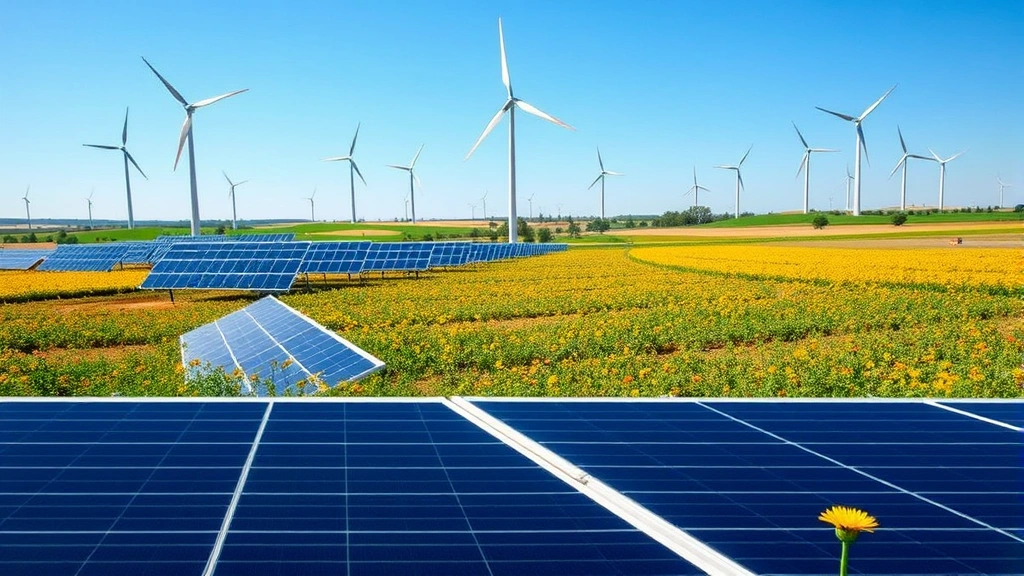
- Renewable Energy Transition: Renewable energy for homes and industrial applications replaces fossil fuel extraction, eliminating both direct environmental damage from extraction and atmospheric carbon emissions.
- Regenerative Agriculture: Farming practices that build soil health and enhance biodiversity simultaneously restore degraded lands and improve farmer resilience to climate variability.
These mechanisms work synergistically. As renewable energy costs decline, electric vehicle adoption increases, reducing oil extraction pressure. As agricultural practices shift toward regeneration, soil carbon sequestration increases while chemical runoff decreases. As how to reduce carbon footprint becomes integrated into economic decision-making, businesses discover efficiency innovations that simultaneously reduce costs and environmental impact.
Research published in Ecological Economics journal demonstrates that ecosystems under regenerative management show measurable recovery within 5-10 years: increased biodiversity, improved water quality, enhanced carbon storage, and greater resilience to climate shocks. Critically, these recoveries correlate with improved economic outcomes for local communities.
Real-World Models and Implementation Strategies
Several regions have begun implementing sustainable economy frameworks with measurable results:
Costa Rica’s Payment for Ecosystem Services Program: Since 1997, Costa Rica has compensated landowners for forest conservation and reforestation. Forest coverage increased from 21% in 1987 to 52% by 2020, while the economy diversified into ecotourism and renewable energy—now providing 99% of electricity from renewables.
New Zealand’s Natural Capital Accounting: New Zealand pioneered comprehensive natural capital accounting, measuring ecosystem health alongside GDP. This framework influences policy decisions, ensuring environmental considerations receive equal weight to economic metrics.
Scotland’s Circular Economy Strategy: Scotland’s comprehensive approach to circular material flows, renewable energy, and regenerative agriculture targets 75% reduction in resource extraction by 2050 while maintaining economic growth.
Indigenous Land Management: Indigenous territories, representing 22% of global land area, contain 80% of remaining biodiversity. This reflects centuries of sustainable management practices. Recognizing indigenous land rights and incorporating traditional ecological knowledge into policy accelerates ecosystem recovery.
These examples share common features: policy frameworks that align economic incentives with ecological health, investment in regenerative infrastructure, recognition of natural capital, and long-term commitment beyond electoral cycles.
Measuring Success: Beyond GDP
Sustainable economy implementation requires new measurement frameworks. Gross Domestic Product, the standard growth metric, measures economic activity regardless of whether it increases or decreases well-being. A hurricane increases GDP (through reconstruction spending) while destroying wealth and ecosystems.
Alternative metrics address these limitations:
- Genuine Progress Indicator (GPI): Adjusts GDP for environmental degradation, resource depletion, income inequality, and social factors. GPI often shows declining trends while GDP rises—revealing that conventional growth is hollow.
- Natural Capital Accounting: Measures ecosystem health and services in monetary terms, revealing their true economic value. Forests’ carbon storage, water purification, and biodiversity support services often exceed timber extraction value by orders of magnitude.
- Wellbeing Economics: Measures life satisfaction, health, education, and environmental quality rather than mere consumption. Research shows wellbeing plateaus at relatively modest income levels; beyond that point, additional income contributes minimally to happiness.
- Ecological Footprint Analysis: Quantifies resource consumption in terms of Earth’s regenerative capacity. Current global consumption exceeds planetary regeneration by approximately 75%—we’re using 1.75 Earths’ worth of resources annually.
The UNEP Resource Efficiency initiative documents how nations adopting comprehensive measurement frameworks make better policy decisions. When environmental costs become visible, political support for sustainable transitions strengthens.
Barriers and Transition Challenges
Despite growing evidence supporting sustainable economy models, implementation faces substantial barriers:
Political Economy of Extraction: Industries profiting from environmental destruction invest heavily in blocking policy change. Fossil fuel companies, industrial agriculture, and extractive industries collectively spend billions annually lobbying against environmental regulations and sustainable economy policies.
Short-Term Financial Incentives: Stock markets reward quarterly earnings growth, incentivizing extraction over regeneration. Sustainable transitions often require upfront investment with benefits accruing over decades—misaligned with financial market timescales.
Distributional Challenges: Sustainable transitions create winners and losers. Coal miners, oil workers, and industrial farmers face genuine livelihood disruption. Without proactive support for affected communities—retraining, economic diversification, and income replacement—political opposition becomes insurmountable.
Global Coordination Problems: Individual nations adopting sustainable policies face competitive disadvantages if others don’t. Corporations relocate to jurisdictions with lax environmental standards. International agreements struggle with free-rider problems.
Infrastructure Lock-in: Decades of investment in fossil fuel infrastructure, sprawling development patterns, and industrial agriculture create path dependency. Transitioning away requires massive capital investment and coordinated change across multiple systems.
Addressing these barriers requires integrated policy approaches: carbon pricing, renewable energy investment, agricultural transition support, trade agreements incorporating environmental standards, and genuine commitment to just transitions for affected workers.
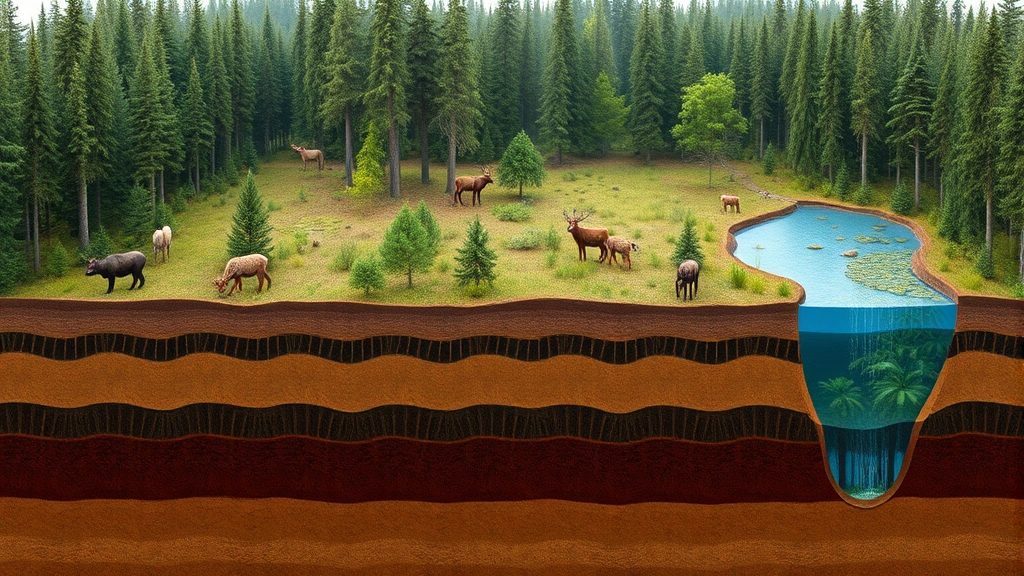
” alt=”A restored wetland ecosystem with diverse native vegetation and water birds, showing recovery of biodiversity through regenerative land management practices and sustainable economic policies”>
Research from environmental economics research centers demonstrates that well-designed sustainable transitions can actually create net employment growth. Renewable energy industries employ more workers per dollar invested than fossil fuels. Regenerative agriculture and ecosystem restoration are labor-intensive. Circular economy manufacturing creates new sectors.
The transition challenge isn’t economic impossibility—it’s political will and coordinated action across institutions operating on different timescales and incentive structures.
Ecosystem Recovery Trajectories and Economic Benefits
When ecosystems recover under sustainable economic management, cascading benefits emerge:
Climate Stabilization: Restored forests, wetlands, and grasslands sequester atmospheric carbon. Regenerative agriculture builds soil carbon. Renewable energy eliminates emissions. These combined approaches address climate change while creating economic opportunities in restoration, renewable energy, and sustainable agriculture.
Water Security: Ecosystem recovery improves water cycle function. Restored wetlands filter water and reduce flood severity. Healthy forests maintain springs and groundwater recharge. Agricultural soils with higher organic matter retain moisture better. These improvements reduce costs of water treatment and flood management while improving agricultural productivity.
Food Security: Regenerative agriculture produces higher yields while rebuilding soil health, unlike industrial agriculture which depletes soil annually. Diverse ecosystems support pollination services essential for crop production. Fish stocks recover in managed fisheries. These improvements ensure long-term food supply while reducing chemical inputs.
Health Benefits: Cleaner air and water, reduced chemical exposure, and increased access to nature all improve public health. Healthcare cost reductions offset sustainable economy transition costs. Mental health improvements from nature access and community engagement contribute to overall wellbeing.
Resilience Enhancement: Biodiverse ecosystems prove more resilient to climate variability, pests, and diseases than simplified industrial systems. Economically, this translates to reduced disaster losses, more stable agricultural production, and lower insurance costs.
” alt=”Solar panels and wind turbines integrated into agricultural landscape with native vegetation, demonstrating renewable energy infrastructure supporting ecosystem recovery and sustainable economic development”>
Pathways Forward: Policy and Investment Priorities
Accelerating the sustainable economy transition requires coordinated action across policy, investment, and institutional domains:
Carbon Pricing: Implementing carbon taxes or cap-and-trade systems forces fossil fuels to compete on equal footing with renewables. Evidence from British Columbia, the EU, and other jurisdictions shows carbon pricing effectively reduces emissions while generating government revenue for sustainable transitions.
Regenerative Agriculture Support: Transitioning from industrial to regenerative agriculture requires temporary income support and technical assistance. Governments should provide this as an investment—the long-term benefits in soil health, water quality, and resilience far exceed short-term support costs.
Renewable Energy Investment: Accelerating renewable energy deployment requires continued investment in grid modernization, energy storage, and transmission infrastructure. Public investment remains essential despite declining technology costs, particularly in early-stage technologies.
Ecosystem Restoration Funding: Restoration projects require substantial upfront investment but generate returns through carbon sequestration, water purification, and biodiversity services. Green bonds and conservation finance mechanisms can mobilize capital for these projects.
Just Transition Support: Communities dependent on extraction industries require genuine support: retraining programs, income replacement, economic diversification assistance, and community infrastructure investment. This isn’t charity—it’s essential for political viability of sustainable transitions.
Institutional Reform: Central banks should incorporate climate and ecosystem risks into financial regulation. Accounting standards should require natural capital reporting. Trade agreements should incorporate environmental standards. These institutional changes align financial incentives with ecological health.
FAQ
Can a sustainable economy actually recover degraded ecosystems?
Yes, with important caveats. Ecosystems show remarkable recovery capacity when destructive pressures cease and regenerative management begins. However, recovery timescales vary: some ecosystems recover within years, others require decades. Some degradation (species extinction, soil loss) proves irreversible. Sustainable economy models prevent further degradation while enabling recovery of resilience and function in damaged systems.
Won’t sustainable economy transitions eliminate jobs?
Poorly managed transitions could harm workers in extractive industries. However, well-designed transitions typically create net employment growth. Renewable energy, ecosystem restoration, regenerative agriculture, and circular manufacturing employ more workers than fossil fuels and industrial extraction. The challenge is ensuring affected workers access retraining and transitional income support rather than bearing transition costs alone.
How do we ensure sustainable economy benefits reach poor communities?
This requires intentional policy design. Payment for ecosystem services programs should prioritize smallholder farmers and indigenous communities. Green jobs training should target disadvantaged populations. Carbon pricing revenue should fund just transition programs. Without deliberate inclusion, sustainable transitions risk perpetuating inequality.
Is sustainable economy viable at global scale?
Scaling sustainable economy models globally faces coordination challenges but remains technically feasible. Renewable energy can meet global energy demand. Regenerative agriculture can feed the world population. Circular manufacturing can satisfy material needs. The barriers are political and institutional, not physical or economic.
What’s the relationship between sustainable economy and ecosystem recovery?
They’re mutually reinforcing. Sustainable economy models eliminate incentives for ecosystem degradation while creating incentives for regeneration. Recovered ecosystems provide more reliable ecosystem services, supporting economic stability. The relationship is positive feedback: better economics enables better ecology, which enables better economics.


