Green Economy Benefits: Economist’s Perspective
The transition toward a green economy represents one of the most significant paradigm shifts in modern economic theory and practice. From an economist’s perspective, this transformation is not merely an environmental imperative but a fundamental restructuring of how we measure value, allocate resources, and define prosperity. The work environment within green economies differs markedly from traditional industrial models, creating new opportunities for employment, skill development, and sustainable livelihoods across multiple sectors.
Understanding what constitutes the work environment in green economies requires examining the intersection of ecological constraints, technological innovation, and labor market dynamics. As organizations worldwide commit to carbon neutrality and environmental stewardship, the nature of work itself is evolving. Workers now navigate spaces where environmental performance metrics are integrated into operational efficiency, where supply chains must account for ecological impact, and where job creation increasingly depends on renewable resource management and circular economy principles.
This comprehensive analysis explores how green economy development transforms workplace conditions, employment patterns, and economic outcomes through the lens of ecological economics and sustainable development frameworks.
Defining the Green Economy Work Environment
The work environment in a green economy fundamentally differs from conventional industrial settings through its integration of ecological limits into operational frameworks. Economists define the green economy as economic activity that improves human wellbeing and social equity while reducing environmental risks and ecological scarcities. This definition directly influences workplace conditions, organizational structures, and employment relationships.
Within green economy settings, the work environment encompasses several distinctive characteristics. First, environmental accounting becomes embedded in daily operations. Workers must understand how their activities affect carbon emissions, water consumption, waste generation, and biodiversity. This requires different skill sets compared to traditional manufacturing or service sectors. Second, the temporal dimension of work shifts—green economy jobs often emphasize long-term sustainability over short-term profit maximization, affecting project timelines, performance metrics, and career progression pathways.
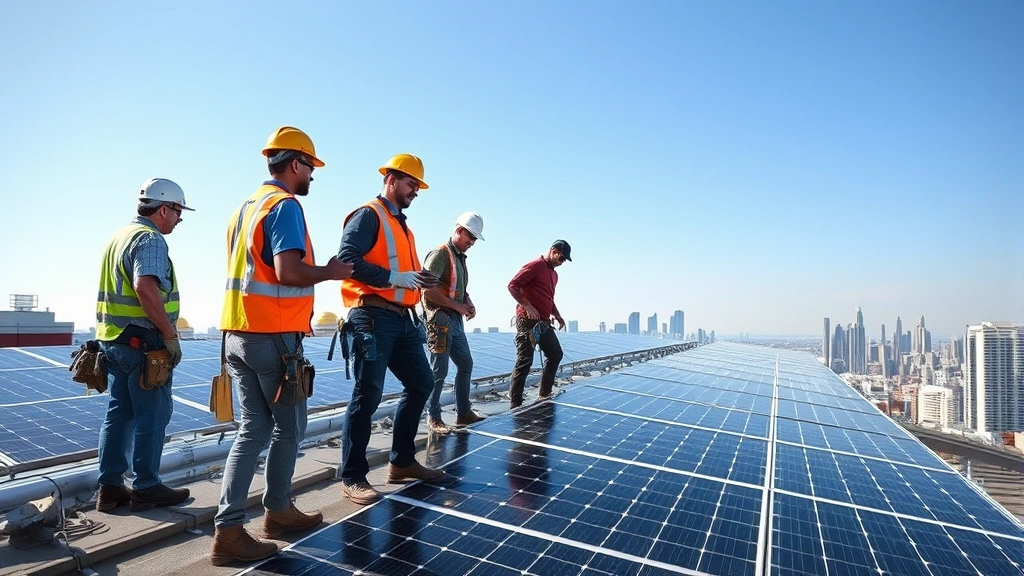
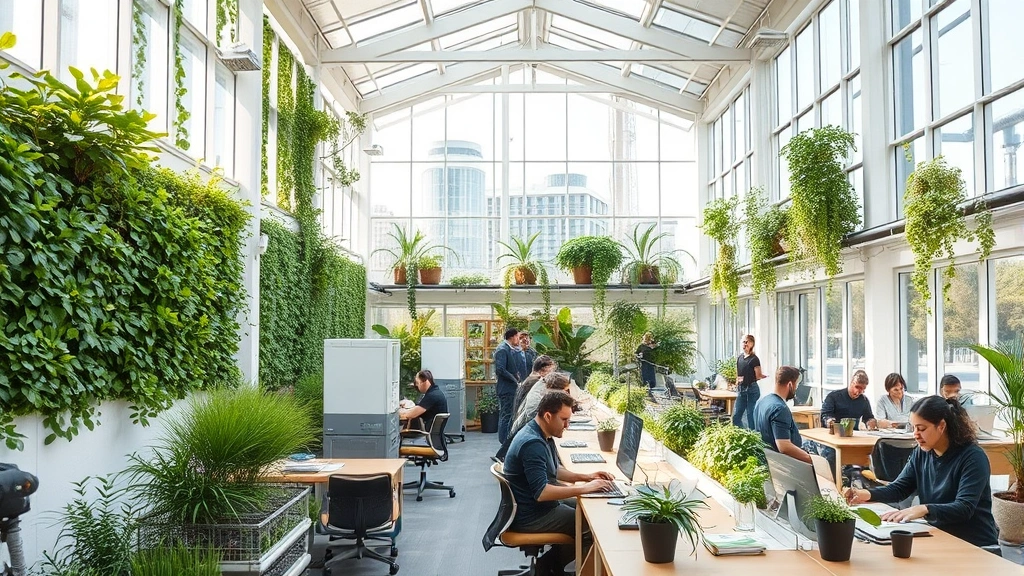
The physical work environment also transforms. Organizations investing in renewable energy infrastructure, sustainable agriculture, ecosystem restoration, and circular economy models create workspaces that reflect their environmental commitments. Solar-powered facilities, green building certifications, and nature-integrated office designs become standard rather than exceptional. These physical transformations influence worker productivity, health outcomes, and job satisfaction metrics.
Research from the United Nations Environment Programme demonstrates that green economy transitions correlate with improved workplace safety standards, better occupational health outcomes, and reduced workplace-related environmental hazards. Workers in renewable energy sectors, for instance, face fewer chemical exposure risks compared to fossil fuel extraction industries.
Employment Dynamics in Sustainable Sectors
Green economy expansion generates substantial employment growth across diverse sectors. According to the World Bank, green sectors currently employ over 10 million workers globally, with projections suggesting this figure will exceed 40 million by 2030. This employment growth occurs across multiple occupational categories, from high-skilled technical positions to entry-level roles accessible to workers transitioning from declining industries.
The renewable energy sector exemplifies these employment patterns. Solar photovoltaic installation, wind turbine maintenance, and energy efficiency retrofitting create diverse job opportunities. A single solar installation project might employ electricians, structural engineers, project managers, and administrative staff—each requiring different skill levels and educational backgrounds. This employment diversity strengthens labor market resilience and reduces dependency on single industries or employers.
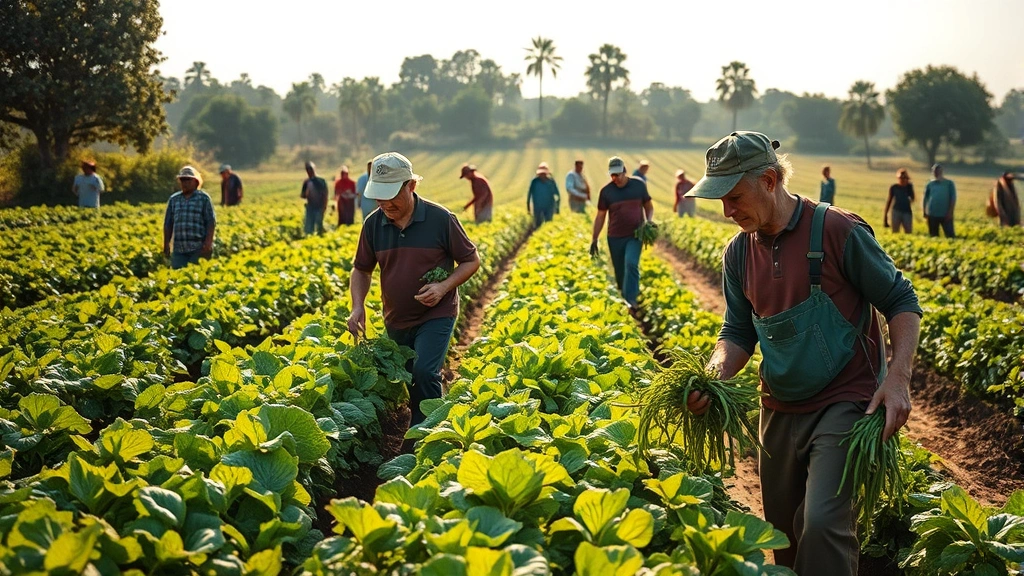
Sustainable agriculture and forestry represent another significant employment domain within green economies. These sectors employ millions of workers globally, often in rural communities where traditional agricultural employment has declined. Regenerative agriculture practices, organic certification management, agroforestry systems, and forest conservation create employment while restoring ecosystem function. The International Labour Organization documents that sustainable forestry creates approximately 10 million jobs worldwide, with additional employment in forest-dependent communities.
When examining human environment interaction through employment, we recognize that green jobs fundamentally redefine worker-nature relationships. Rather than extracting resources and externalizing environmental costs, green economy workers actively participate in restoration, conservation, and sustainable resource management. This psychological and operational shift influences workplace culture, employee motivation, and organizational identity.
Circular economy enterprises create additional employment pathways. Recycling facilities, repair services, remanufacturing operations, and waste management firms employ workers in activities that reduce resource extraction and extend product lifecycles. These jobs often provide employment opportunities for workers with diverse educational backgrounds and can be geographically distributed throughout communities.
Workplace Infrastructure and Conditions
The physical and organizational infrastructure of green economy workplaces reflects sustainability principles. Organizations operating within green frameworks typically implement comprehensive environmental management systems, integrate sustainability metrics into performance evaluation, and create decision-making structures that account for ecological impacts.
Workplace conditions in green sectors generally exceed minimum regulatory standards. Organizations committed to sustainability often provide:
- Enhanced safety protocols: Green industries typically maintain lower injury rates than traditional manufacturing, reflecting better working conditions and worker protections
- Health and wellness programs: Integration of occupational health, mental wellness, and preventive care into organizational culture
- Work-life balance initiatives: Flexible scheduling, remote work options, and reduced overtime characterize many green economy employers
- Environmental health protections: Elimination of toxic chemical exposure, improved air quality monitoring, and reduced occupational disease risk
- Community engagement: Workplace structures that connect employees with broader sustainability initiatives and community environmental projects
The work environment also reflects different compensation and benefits structures. Research indicates that green economy jobs increasingly incorporate performance-based compensation linked to environmental outcomes. Workers might receive bonuses for exceeding energy efficiency targets, reducing waste generation, or successfully implementing sustainability innovations. This compensation structure aligns individual financial incentives with organizational and environmental goals.
Workplace hierarchy and decision-making structures often evolve in green organizations. Many sustainability-focused enterprises implement participatory management approaches where workers contribute to environmental policy development, operational improvements, and strategic planning. This organizational democratization creates more engaging work environments and leverages worker knowledge for continuous improvement.
Skills Development and Human Capital
The transition toward green economies requires substantial human capital development. Workers need technical skills specific to renewable energy systems, sustainable agriculture, ecosystem management, and circular economy operations. Simultaneously, workers require broader competencies in systems thinking, environmental literacy, and adaptive management.
Educational institutions and employers are responding to these skill demands through expanded training programs. Technical certifications in solar installation, wind turbine maintenance, energy auditing, sustainable agriculture, and environmental management have proliferated. Community colleges, vocational institutions, and employers collaborate to develop curricula aligned with green economy labor market demands.
Beyond technical skills, green economy workers require competencies in data analysis, environmental accounting, and sustainability reporting. These skills enable workers to understand and contribute to organizational environmental performance measurement. Workers must interpret carbon accounting methodologies, lifecycle assessment frameworks, and environmental management standards—knowledge areas rarely emphasized in traditional workforce development.
The emphasis on carbon footprint reduction throughout organizations creates demand for workers who understand emissions measurement, mitigation strategies, and verification methodologies. Supply chain managers, production supervisors, and quality assurance specialists increasingly require environmental competencies alongside traditional operational expertise.
Soft skills become increasingly important in green economy work environments. Collaboration, communication, systems thinking, and adaptive problem-solving enable workers to navigate complex sustainability challenges. Organizations emphasize these competencies in hiring and professional development, recognizing that technical expertise alone proves insufficient for addressing multifaceted environmental and economic problems.
Career pathways in green sectors often emphasize continuous learning. As technologies evolve and sustainability science advances, workers must regularly update their knowledge and skills. Organizations supporting professional development create more stable employment relationships and improve worker retention rates.
Economic Multiplier Effects
From an economist’s perspective, green economy employment generates significant multiplier effects throughout broader economic systems. When workers earn wages in renewable energy, sustainable agriculture, or environmental restoration sectors, they spend income locally, supporting retail, food service, healthcare, and educational services. This spending stimulates additional employment and business activity.
Research on economic multipliers reveals that green economy sectors often generate larger multiplier effects than traditional industries. Renewable energy installations, for instance, typically source materials and services from local suppliers, keeping money within regional economies. This localized spending pattern strengthens community economic resilience and reduces economic leakage to distant corporate headquarters or overseas suppliers.
The transition toward green economies also reduces expenditures on environmental remediation and healthcare costs associated with pollution exposure. When workers transition from fossil fuel extraction or chemical manufacturing to renewable energy or organic agriculture, they experience health improvements that reduce medical expenses and increase productive work capacity. These health benefits represent real economic gains, though conventional accounting systems often fail to capture them.
Green infrastructure investments create employment multipliers through construction, operations, and maintenance phases. A renewable energy project generates employment during installation, then sustains jobs through operations and maintenance for 20-30 years. This employment stability contrasts with extractive industries characterized by boom-bust cycles dependent on commodity prices.
Examining renewable energy for homes reveals additional economic multiplier effects. Residential renewable installations employ local electricians, construction workers, and equipment suppliers. Homeowners reduce energy expenses, freeing income for other economic activities. This distributed economic activity strengthens local economies and creates resilience against energy price volatility.
Challenges and Transition Considerations
Despite substantial benefits, green economy transitions present significant challenges for workers, communities, and policymakers. Workers in declining industries—particularly coal mining, oil extraction, and fossil fuel-dependent manufacturing—face employment displacement. While green sectors create new jobs, geographic and skill mismatches often prevent affected workers from directly transitioning to emerging employment.
Wage considerations present another complexity. Some green economy jobs command premium wages, particularly skilled technical positions in renewable energy. However, agricultural and environmental restoration positions often pay below prevailing wages in declining industries, creating economic hardship for transitioning workers. Policymakers must address this wage gap through targeted support, skills training, and wage insurance programs.
The work environment in green sectors may not universally improve. Some environmental restoration work involves hazardous conditions, including exposure to contaminated sites, heavy physical labor, and occupational injuries. Greenwashing—where organizations superficially adopt environmental practices without substantive change—can create work environments where employees experience cognitive dissonance between organizational environmental claims and actual practices.
Regional concentration of green economy opportunities creates geographic inequality. Renewable energy installations concentrate in areas with favorable solar radiation or wind resources, potentially bypassing communities dependent on traditional industries. Policymakers must actively distribute green economy development to ensure equitable geographic employment growth.
The work environment also reflects power dynamics within supply chains. While green economy sectors theoretically offer improved conditions, global supply chains for renewable energy components often involve exploitative labor practices in manufacturing regions. Environmental sustainability in consumption regions may mask labor exploitation elsewhere, requiring comprehensive supply chain transparency and accountability.
Examining sustainable fashion brands illustrates these complexities. While sustainable fashion emphasizes environmental responsibility, the work environment for garment workers may remain challenging despite environmental certifications. Comprehensive green economy development requires simultaneous attention to environmental, labor, and social equity dimensions.
Access to green economy opportunities varies by educational background, capital resources, and social networks. Entry barriers to skilled green sectors may exclude workers from marginalized communities, potentially reproducing existing economic inequalities within new sectors. Inclusive workforce development requires intentional efforts to remove barriers and create pathways for underrepresented populations.
FAQ
What defines the work environment in green economies?
The green economy work environment integrates environmental performance metrics into daily operations, emphasizes long-term sustainability over short-term profits, and creates physical workspaces reflecting environmental commitments. Workers navigate spaces where ecological impact measurement, sustainable resource management, and environmental restoration are central to organizational operations.
How many jobs does the green economy currently create?
The green economy currently employs over 10 million workers globally, with projections suggesting employment will exceed 40 million by 2030. Employment spans renewable energy, sustainable agriculture, environmental restoration, circular economy enterprises, and green building sectors.
What skills are most valuable in green economy employment?
Technical skills in renewable energy systems, sustainable agriculture, environmental management, and circular economy operations are essential. Equally important are systems thinking, environmental literacy, data analysis, sustainability reporting, and soft skills including collaboration, communication, and adaptive problem-solving.
Do green economy jobs pay competitive wages?
Wages vary significantly across green sectors. Skilled technical positions in renewable energy typically offer competitive or premium wages. Agricultural and environmental restoration positions often pay below prevailing wages in declining industries, though comprehensive benefits and employment stability sometimes compensate.
How can communities transition workers from declining industries to green sectors?
Effective transitions require comprehensive support including skills training aligned with green economy labor demands, wage insurance for workers earning less in new positions, geographic distribution of green economy opportunities, and intentional efforts to remove barriers for underrepresented populations. Explore our blog home for additional resources on sustainable economic transitions.
What environmental benefits emerge from green economy employment?
Green economy employment reduces environmental hazards in workplaces, decreases pollution-related health impacts, extends resource lifecycles through circular economy activities, restores ecosystem function through environmental restoration work, and transitions economies away from extraction-based models toward regenerative practices.
How does the work environment differ between green and traditional industries?
Green economy workplaces integrate environmental accounting into operations, emphasize worker participation in sustainability decisions, provide improved occupational health and safety protections, create longer-term employment stability, and align compensation with environmental performance. Traditional industries typically externalize environmental costs and focus on short-term financial returns.
The transition toward green economies represents a fundamental reimagining of the work environment itself. Rather than treating ecology as external to economic activity, green economy workplaces position environmental stewardship at the center of organizational operations. This transformation creates employment opportunities, improves working conditions for many workers, and aligns economic activity with ecological sustainability. However, equitable transitions require intentional policy support, comprehensive workforce development, and genuine commitment to environmental and social justice alongside economic growth. When implemented comprehensively, green economy transitions offer pathways toward prosperity that respect both human dignity and ecological boundaries.


