Iron’s Role in Ecosystems: Environmental Insights
Iron stands as one of Earth’s most critical yet often overlooked elements in maintaining ecosystem health and balance. While discussions about environmental sustainability frequently center on carbon cycles and nitrogen dynamics, iron’s multifaceted contributions to planetary well-being deserve equal attention. From oceanic productivity to soil fertility and atmospheric chemistry, iron orchestrates complex biogeochemical processes that sustain life across terrestrial and aquatic environments. Understanding iron’s ecological significance becomes increasingly vital as anthropogenic activities alter natural iron cycles, with cascading consequences for biodiversity, food security, and climate regulation.
The relationship between well-balanced iron environments and ecosystem resilience represents a fundamental principle in ecological economics and environmental science. Iron deficiency or excess in ecosystems creates cascading imbalances that ripple through food webs, microbial communities, and nutrient cycling pathways. This comprehensive analysis explores iron’s multifaceted ecological roles, examining how environmental iron balance influences productivity, biodiversity, and ecosystem services that underpin human prosperity.
Iron’s Biogeochemical Cycles and Environmental Distribution
Iron exists in Earth’s crust at approximately 5% by mass, making it the fourth most abundant element after oxygen, silicon, and aluminum. However, bioavailability—the proportion accessible to living organisms—varies dramatically across ecosystems due to oxidation states, pH conditions, and chemical complexation. Iron cycles through multiple oxidation states (primarily Fe²⁺ and Fe³⁺), transitioning between soluble and insoluble forms depending on environmental redox conditions and pH levels. This chemical versatility fundamentally shapes iron’s ecological roles and environmental distribution patterns.
The terrestrial iron cycle begins with weathering of iron-containing minerals in bedrock and soils, releasing ferrous iron that subsequently oxidizes to ferric forms under aerobic conditions. Microbial communities actively participate in iron transformations, with specialized bacteria catalyzing oxidation-reduction reactions that mobilize or immobilize iron depending on local geochemical conditions. Living environment systems depend on these iron availability dynamics for maintaining metabolic functions across trophic levels.
Atmospheric iron transport represents a significant but poorly quantified component of global iron cycling. Desert dust particles, volcanic emissions, and anthropogenic aerosols carry iron across continental and oceanic boundaries, depositing bioavailable iron in remote regions far from terrestrial sources. This atmospheric pathway delivers approximately 0.5-2.6 million metric tons of iron annually to ocean surfaces, with profound implications for marine productivity in nutrient-limited regions. The solubility of atmospheric iron varies with particle composition, atmospheric processing, and deposition chemistry, creating complex feedbacks between atmospheric chemistry and ecosystem productivity.
Aquatic iron cycles differ fundamentally from terrestrial pathways due to water’s solvent properties and stratification dynamics. In oxygenated surface waters, iron precipitates as ferric hydroxide complexes, rendering it largely unavailable to phytoplankton despite seemingly adequate concentrations. Anaerobic bottom waters accumulate dissolved ferrous iron, creating vertical gradients that influence nutrient cycling and microbial community structure. Redox fluctuations at oxic-anoxic boundaries trigger rapid iron transformations, generating biogeochemical hot spots where iron availability fluctuates dramatically on hourly timescales.
Iron’s Influence on Marine Productivity and Ocean Health
Iron limitation fundamentally constrains primary productivity across approximately 40% of global ocean surface area, despite adequate macronutrient concentrations. This paradoxical phenomenon, termed the “high-nutrient, low-chlorophyll” (HNLC) problem, occurs in regions including the Southern Ocean, equatorial Pacific, and subarctic North Pacific. These iron-limited ecosystems demonstrate the critical importance of trace metal bioavailability for marine food webs and global carbon cycling. Human environment interactions increasingly influence iron delivery patterns through atmospheric pollution, industrial discharge, and land-use changes.
Phytoplankton require iron for multiple essential functions: electron transport in photosynthesis, oxygen evolution, nitrogen fixation, and various enzymatic processes. Iron deficiency triggers characteristic physiological responses including reduced chlorophyll synthesis, altered photosynthetic efficiency, and diminished growth rates. Some phytoplankton species develop specialized iron acquisition mechanisms including siderophore production and membrane transporters that extract iron from scarce dissolved pools. This iron acquisition competition creates selective pressures favoring particular phytoplankton communities, ultimately determining food web structure and ecosystem productivity.
The Southern Ocean exemplifies iron limitation’s ecological consequences. Despite abundant macronutrients (nitrogen, phosphorus, silica), this region exhibits relatively modest primary productivity compared to temperate oceans. Natural iron fertilization events, triggered by upwelling along continental shelves or iron-rich glacial discharge, temporarily alleviate iron limitation and stimulate phytoplankton blooms. These episodic productivity pulses propagate through food webs, supporting krill populations that sustain whale populations, seals, and seabirds. Climate change-induced alterations in iron delivery mechanisms threaten these coupled ecological dynamics.
Marine iron cycling interfaces critically with carbon sequestration and climate regulation. Phytoplankton productivity directly influences the biological carbon pump—the process by which atmospheric CO₂ is fixed into organic matter that subsequently sinks to abyssal depths. Enhanced iron availability stimulates primary productivity, potentially increasing carbon sequestration rates. However, iron fertilization effects remain contested among marine scientists, with debates persisting regarding net carbon sequestration efficiency, ecosystem disruption risks, and permanence of sequestered carbon. Large-scale iron fertilization experiments have yielded variable results, complicating predictive models of iron’s climate influence.
Coastal marine ecosystems experience different iron dynamics than open oceans. Terrestrial iron inputs from river discharge, groundwater seepage, and atmospheric deposition concentrate iron in coastal waters, generally alleviating iron limitation. However, iron speciation and bioavailability depend on water chemistry, bacterial communities, and organic ligand concentrations. Coastal eutrophication can paradoxically exacerbate iron limitation through pH acidification and increased iron precipitation rates. Understanding well-balanced iron environments in coastal zones requires integrating terrestrial and marine iron cycle components.
Terrestrial Ecosystems: Iron and Soil Fertility Dynamics
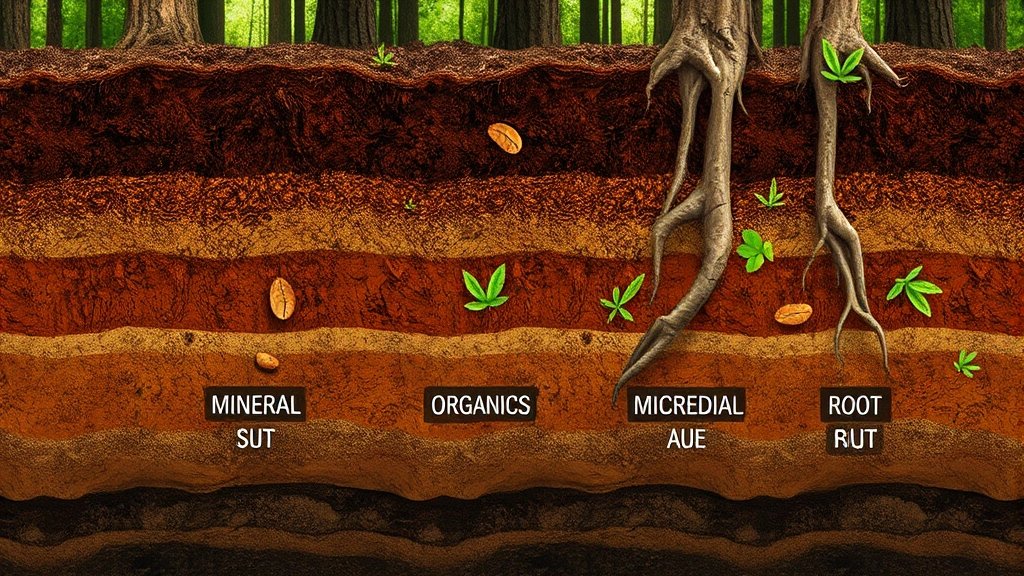
Soil iron content and speciation profoundly influence terrestrial ecosystem productivity, particularly in tropical and subtropical regions where iron-rich weathering products accumulate. Iron oxides serve multiple soil functions: nutrient sorption capacity, water retention, structural stability, and pH buffering. Soil iron availability depends on pH, redox conditions, organic matter content, and microbial activity. Highly weathered tropical soils often contain substantial total iron yet exhibit iron deficiency symptoms in vegetation, demonstrating the critical distinction between total iron content and bioavailable iron.
Plant iron acquisition involves complex root-soil interactions mediated by organic acids, phytosiderophores, and specialized root morphologies. Dicotyledonous plants typically employ Strategy I mechanisms (acidification and reduction), while grasses use Strategy II mechanisms (phytosiderophore chelation). These contrasting acquisition strategies create plant community-specific iron requirements and tolerances. Understanding plant-soil iron dynamics becomes essential for agricultural productivity and sustainable land management practices that minimize environmental impacts.
Soil iron cycling intimately connects with carbon dynamics through multiple pathways. Iron oxides catalyze organic matter decomposition through electron transfer mechanisms, influencing soil respiration rates and greenhouse gas emissions. Conversely, organic matter chelates iron, maintaining bioavailability and influencing iron’s environmental mobility. Wetland and paddy soils experience dramatic iron transformations during flooding, with reducing conditions mobilizing iron and creating toxic concentrations in some cases. These iron-carbon-water interactions represent critical interfaces in terrestrial ecosystem functioning.
Acidic forest soils often exhibit iron toxicity rather than deficiency, particularly in aluminum-rich regions where iron mobilization accompanies acidification. Acid rain and atmospheric deposition alter soil chemistry, increasing iron solubility and plant uptake rates. Excessive iron accumulation causes oxidative stress, photosynthetic impairment, and reduced plant growth. Managing these iron imbalances requires understanding well-balanced iron environments and implementing soil remediation strategies that restore appropriate iron speciation and availability.
Microbial Communities and Iron-Dependent Metabolic Pathways
Microorganisms orchestrate much of Earth’s iron cycling through specialized metabolic pathways. Iron-oxidizing bacteria catalyze ferrous iron oxidation, generating energy and driving biogeochemical transformations in acidic mine drainage, groundwater, and marine environments. These chemolithoautotrophic bacteria obtain energy exclusively through iron oxidation, demonstrating life’s remarkable metabolic diversity. Iron-reducing bacteria perform the reciprocal process, utilizing ferric iron as terminal electron acceptors during anaerobic respiration. These microbial processes create biogeochemical feedback loops linking iron cycling to carbon and nitrogen dynamics.
Magnetotactic bacteria represent a fascinating example of iron’s biological importance. These microorganisms synthesize magnetite crystals that align with Earth’s magnetic field, facilitating navigation through aquatic sediments toward optimal redox conditions. This iron biomineralization process represents a sophisticated adaptation to iron-rich environments, simultaneously utilizing iron for navigation and metabolism. Magnetite precipitation removes dissolved iron from solution, influencing iron speciation and bioavailability in microbial habitats.
Siderophore-producing microorganisms generate iron-chelating compounds that solubilize and acquire iron from insoluble mineral phases and iron oxides. These secondary metabolites represent a crucial competitive advantage in iron-limited environments, enabling certain microbial taxa to dominate communities under iron scarcity. Siderophore production involves significant metabolic investment, creating trade-offs between iron acquisition efficiency and growth rate. Microbial community structure in iron-limited environments reflects these complex competitive dynamics shaped by siderophore production capabilities.
Symbiotic associations between iron-metabolizing microorganisms and larger organisms extend iron cycling’s ecological significance. Legume-rhizobia symbioses require substantial iron for nitrogenase synthesis and function, creating iron demands that rival nitrogen fixation benefits in some ecosystems. Mycorrhizal fungi enhance plant iron acquisition through hyphal networks that access soil iron pools unavailable to plant roots alone. These mutualistic partnerships illustrate how iron availability constrains ecological interactions and ecosystem functioning across biological scales.
Iron and Climate System Interactions
Iron’s role in climate regulation extends beyond direct effects on marine productivity to encompass multiple atmospheric and biogeochemical pathways. Iron-containing aerosols influence solar radiation absorption and cloud formation, with direct and indirect radiative effects that remain poorly quantified in climate models. Dust storms carrying iron-rich particles from arid regions scatter incoming solar radiation, potentially exerting cooling influences on regional and global climate systems. However, black iron oxides absorb solar radiation, potentially contributing to atmospheric heating.
Iron fertilization of iron-limited ocean regions could theoretically enhance carbon sequestration and provide a negative feedback to atmospheric CO₂ increases. However, this geoengineering approach raises substantial ecological and ethical concerns. Unintended consequences might include altered phytoplankton community composition, oxygen depletion in subsurface waters, and disrupted marine food webs. The United Nations Environment Programme and international scientific bodies maintain cautious positions regarding large-scale iron fertilization, emphasizing need for further research before implementation.
Climate change-induced alterations in iron cycling pathways create feedback mechanisms that potentially amplify or dampen warming trends. Reduced sea ice extent in polar regions increases dust deposition rates, potentially enhancing iron delivery to previously ice-covered ocean regions. Conversely, reduced terrestrial dust storm frequency due to land-use changes and vegetation expansion may decrease atmospheric iron transport. These competing mechanisms create substantial uncertainty regarding iron’s net climate feedback potential.

Anthropogenic Alterations of Iron Cycles
Industrial activities profoundly alter iron cycling at local, regional, and global scales. Iron mining and processing release substantial quantities of iron oxides and sulfides into atmospheric and aquatic systems. Acid mine drainage, characterized by extremely low pH and high iron concentrations, creates toxic conditions that eliminate most biota and mobilize other heavy metals. Remediation of acid mine drainage requires neutralization and iron precipitation, generating substantial costs and long-term management burdens.
Atmospheric iron deposition has increased substantially due to anthropogenic dust generation, industrial emissions, and biomass burning. Saharan dust export to the Atlantic Ocean carries bioavailable iron to iron-limited surface waters, potentially stimulating phytoplankton productivity. However, anthropogenic iron deposition patterns differ from natural backgrounds, with potential for ecosystem disruption in regions unaccustomed to high iron inputs. Understanding these altered iron deposition patterns requires integrating atmospheric chemistry, biogeochemistry, and ecosystem ecology.
Agricultural practices modify soil iron cycling through multiple pathways. Intensive tillage increases soil aeration, promoting iron oxidation and precipitation that can reduce bioavailability. Conversely, waterlogging and flooding reduce iron, potentially creating toxicity problems. Fertilizer application alters soil pH and organic matter content, indirectly affecting iron speciation and availability. Sustainable agriculture requires managing soil iron dynamics through practices that maintain well-balanced iron environments supporting both productivity and environmental health.
Urbanization and industrial land use create iron-enriched environments through construction materials, vehicle emissions, and metal corrosion. Urban soils frequently contain elevated iron concentrations, with uncertain implications for plant growth and ecosystem functioning. Brownfield sites contaminated with iron and associated heavy metals require remediation before productive reuse, representing substantial environmental liabilities.
Iron Balance and Ecosystem Services Valuation
Ecosystem services dependent on iron balance include provisioning services (food production, freshwater), regulating services (climate regulation, nutrient cycling), supporting services (primary productivity, soil formation), and cultural services (recreation, aesthetic value). Valuing these services in monetary terms remains challenging but increasingly important for policy decisions regarding environmental protection and resource management.
Agricultural productivity directly depends on soil iron availability, representing a provisioning service with substantial economic value. Global crop production worth trillions of dollars depends on maintaining well-balanced iron environments in cultivated soils. Iron deficiency in agricultural systems reduces yields, necessitating iron fertilizer application that increases production costs and environmental impacts. Conversely, iron excess can reduce crop quality and increase toxicity risks.
Marine ecosystem services including fisheries, carbon sequestration, and oxygen production depend critically on iron availability. Iron-limited ocean regions represent potential targets for productivity enhancement through iron fertilization, though ecological risks remain poorly understood. The economic value of enhanced carbon sequestration must be weighed against potential ecosystem disruption costs, requiring integrated ecological-economic analysis.
Water purification services depend on iron cycling in multiple contexts. Iron oxides sorb contaminants including phosphorus, arsenic, and organic pollutants, serving as natural water treatment mechanisms. Constructed wetlands and treatment systems intentionally utilize iron oxides for water purification. Understanding and maintaining optimal iron cycling in these systems preserves important water-related ecosystem services.
Climate regulation services provided through carbon sequestration and atmospheric iron effects remain poorly quantified but potentially substantial. Research from the World Bank and ecological economics institutes increasingly emphasizes integrating iron cycling into ecosystem services valuation frameworks. Recognizing iron’s climate-relevant roles in ecosystem services supports arguments for environmental protection and sustainable resource management.
Biodiversity support represents a fundamental ecosystem service dependent on iron balance. Maintaining well-balanced iron environments preserves habitat quality and ecological integrity supporting diverse species communities. Environmental science research increasingly documents iron’s role in biodiversity patterns across terrestrial and aquatic ecosystems, supporting conservation priorities that protect iron-cycling processes.
FAQ
Why is iron limitation paradoxical in high-nutrient ocean regions?
Iron limitation occurs despite abundant macronutrients (nitrogen, phosphorus, silica) because iron’s bioavailability depends on chemical speciation and redox conditions rather than total concentration. In oxygenated surface waters, iron precipitates as insoluble ferric hydroxide complexes unavailable to phytoplankton. Atmospheric dust deposition provides episodic iron inputs that temporarily alleviate limitation and stimulate productivity.
How do plants acquire iron from iron-rich but deficient soils?
Plants employ two primary acquisition strategies: Strategy I (acidification and reduction by dicots) and Strategy II (chelation by grasses). Root acidification lowers pH, increasing iron solubility, while reduction converts ferric to more bioavailable ferrous iron. Phytosiderophore production by grasses chelates iron, enabling uptake from insoluble mineral phases. Understanding these mechanisms supports agricultural productivity in iron-challenging environments.
What are the environmental risks of large-scale iron fertilization?
Iron fertilization could disrupt marine ecosystems through altered phytoplankton composition, oxygen depletion in subsurface waters, and disrupted food webs. Permanence of carbon sequestration remains uncertain, and unintended consequences could outweigh climate benefits. Ecological science journals document variable results from experimental iron fertilization, emphasizing need for caution before large-scale implementation.
How do microorganisms influence iron cycling?
Microorganisms catalyze iron transformations through oxidation-reduction reactions, siderophore production, and biomineralization. Iron-oxidizing and iron-reducing bacteria generate energy through iron metabolism, while siderophore-producing microorganisms solubilize iron oxides and compete for limited iron. Magnetotactic bacteria utilize iron for navigation and metabolism, demonstrating iron’s diverse biological roles.
What ecosystem services depend on maintaining well-balanced iron environments?
Agricultural productivity, marine fisheries, freshwater quality, carbon sequestration, and biodiversity support all depend on appropriate iron availability and cycling. Water purification services utilize iron oxides for contaminant sorption, while climate regulation involves iron’s effects on atmospheric processes and carbon cycling. Sustainable practices recognize iron balance as fundamental to ecosystem health and human prosperity.
How does climate change alter iron cycling patterns?
Climate change modifies iron cycling through reduced sea ice extent (increasing dust deposition), altered precipitation patterns (affecting terrestrial iron mobilization), and changing ocean circulation (affecting iron distribution). These mechanisms create feedback loops potentially amplifying or dampening climate change effects, though net impacts remain uncertain. Research in environmental sciences emphasizes integrating iron cycling into climate models.


