
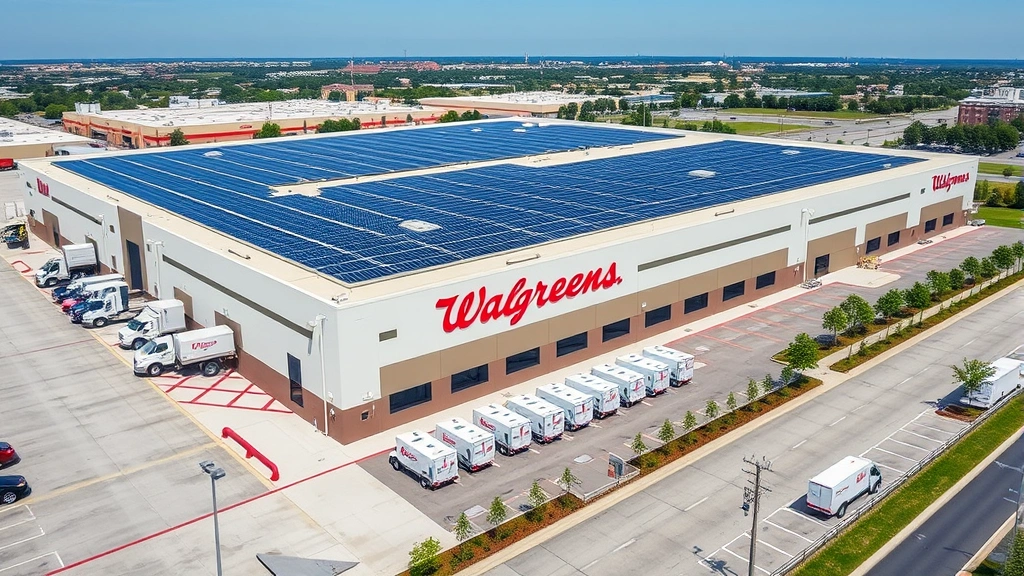
Is Walgreens Going Green? Latest Insights on Corporate Environmental Strategy
Walgreens Boots Alliance, one of the largest pharmacy retailers globally with over 13,000 locations across multiple continents, faces mounting pressure to demonstrate genuine environmental commitment. As consumer awareness of corporate human environment interaction grows, stakeholders increasingly scrutinize whether major corporations are implementing substantive sustainability measures or merely engaging in greenwashing. This analysis examines Walgreens’ environmental initiatives, their measurable impact, and their alignment with global sustainability standards.
The retail pharmacy sector represents a significant economic force with considerable environmental implications. From supply chain logistics to in-store operations, packaging waste to energy consumption, companies like Walgreens influence ecosystem health at scale. Understanding their environmental trajectory requires examining both publicly stated commitments and independently verified outcomes, while considering how corporate sustainability intersects with broader economic systems and ecological preservation.
Walgreens Environmental Commitments and Goals
Walgreens has articulated several environmental objectives within its broader corporate responsibility framework. The company committed to reducing absolute greenhouse gas emissions by 40% by 2030 from 2015 baseline levels, with a longer-term aspiration to achieve net-zero emissions by 2050. These commitments align with the Paris Agreement framework and Science Based Targets initiative standards, suggesting alignment with international climate policy.
The company’s environmental strategy encompasses three primary pillars: climate action, sustainable operations, and responsible sourcing. Within climate action, Walgreens emphasizes renewable energy adoption, fleet electrification, and building efficiency improvements. Sustainable operations focus on waste reduction, water conservation, and sustainable procurement practices. Responsible sourcing involves supplier engagement on environmental standards and transparency in supply chain practices.
However, translating announced commitments into operational reality presents challenges. According to Walgreens’ 2023 corporate responsibility report, the company achieved a 13.8% reduction in absolute greenhouse gas emissions from 2015 to 2022—representing meaningful progress but indicating that reaching 40% reduction by 2030 requires accelerated implementation. This trajectory analysis suggests the company must substantially intensify efforts in the coming years to meet stated targets.
Carbon Reduction Initiatives and Energy Efficiency
Energy consumption represents the largest component of Walgreens’ carbon footprint, driven by the operational demands of thousands of retail locations requiring continuous lighting, heating, cooling, and refrigeration. The company has pursued several energy efficiency pathways, including LED lighting conversion across store networks, HVAC system upgrades, and smart building management systems that optimize energy use patterns.
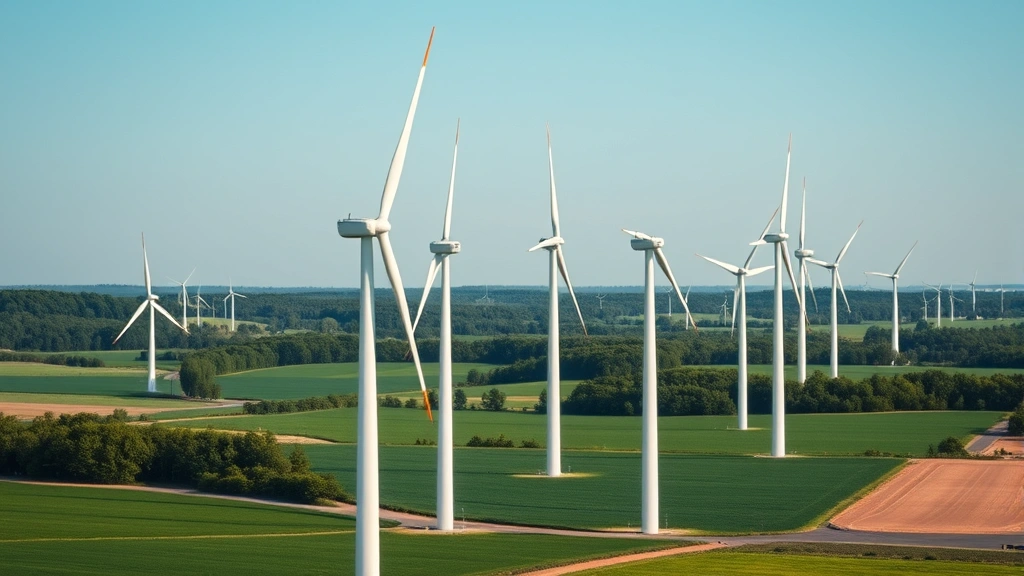
Renewable energy procurement has emerged as a central decarbonization strategy. Walgreens signed multiple power purchase agreements (PPAs) for wind and solar energy, committing to source renewable electricity for numerous facilities. By 2023, renewable energy accounted for approximately 25-30% of the company’s electricity consumption, up from negligible levels a decade prior. The company aims to increase this percentage substantially, though detailed timelines for achieving specific renewable energy penetration targets remain somewhat vague in public communications.
Fleet electrification represents another critical carbon reduction avenue. Walgreens operates one of North America’s largest private delivery fleets, encompassing thousands of vehicles. The company has begun transitioning delivery vehicles to electric alternatives, establishing charging infrastructure at distribution centers. However, the pace of fleet electrification—with electric vehicles comprising only a small percentage of total fleet vehicles—suggests this transition will require years to achieve meaningful emissions reductions at scale.
Understanding how these initiatives contribute to broader economic sustainability requires examining how to reduce carbon footprint across entire business ecosystems. Corporate-level energy efficiency improvements demonstrate that environmental responsibility and operational efficiency can align economically, reducing energy costs while diminishing environmental impact.
Waste Management and Circular Economy Practices
Waste generation throughout Walgreens’ operations—from store operations to distribution centers to pharmacy services—creates significant environmental challenges. The company has implemented waste reduction programs targeting landfill diversion, with goals to achieve specific waste diversion percentages across facility networks. Pharmaceutical waste management presents particular complexity, as medications require specialized disposal to prevent environmental contamination.
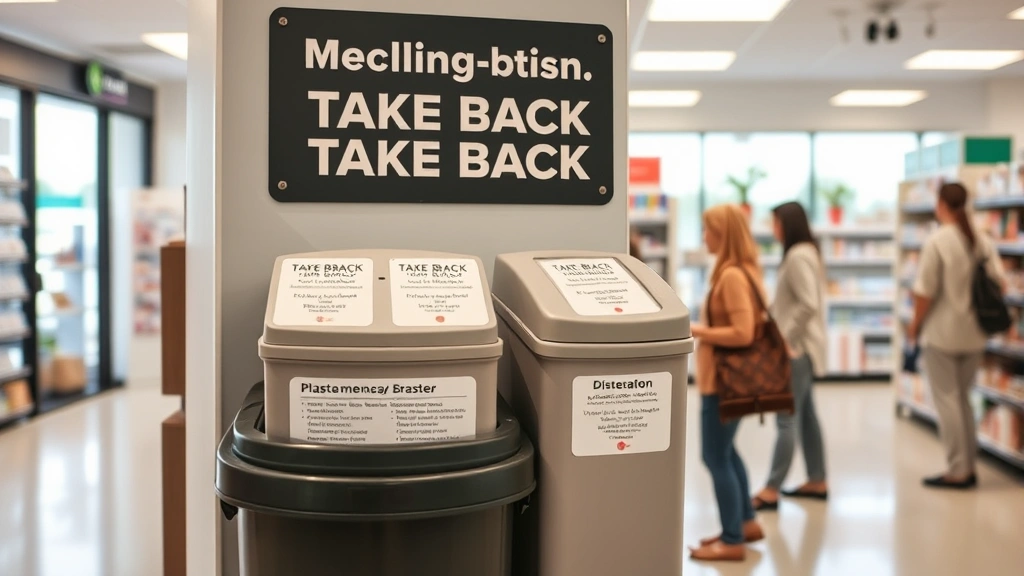
Walgreens operates medication take-back programs in thousands of locations, allowing customers to dispose of unused or expired medications safely. These programs address a critical environmental and public health concern, as improperly discarded pharmaceuticals contaminate water systems and ecosystems. The company’s expansion of these programs demonstrates integration of environmental responsibility with community health objectives.
Circular economy principles remain underdeveloped in Walgreens’ operations relative to potential applications. While the company pursues waste reduction and recycling initiatives, fundamental business model transformation toward circular economy frameworks—where products and materials cycle continuously rather than following linear consumption patterns—remains limited. Greater integration of circular economy principles similar to those adopted by leading sustainable brands could unlock additional environmental benefits.
Supply Chain Sustainability Efforts
Walgreens’ environmental impact extends throughout its supply chain, encompassing pharmaceutical manufacturers, medical device suppliers, personal care product producers, and logistics providers. The company has established supplier engagement programs requiring vendors to meet environmental standards and demonstrate sustainability commitments. These programs typically include environmental audits, emissions reporting requirements, and continuous improvement expectations.
The pharmaceutical supply chain presents particular complexity. Walgreens sources medications from manufacturers globally, many of whom operate in regions with varying environmental regulations. Ensuring consistent environmental standards across diverse suppliers requires robust monitoring systems and genuine commitment to enforcement. The company’s progress in standardizing supplier environmental performance remains partially opaque, with limited public disclosure of specific supplier compliance metrics.
Transparency initiatives have improved incrementally, with Walgreens publishing supplier lists and environmental performance data for certain product categories. However, comprehensive supply chain transparency—enabling stakeholders to trace products from raw material extraction through retail sale—remains incomplete. Enhanced supply chain visibility would strengthen accountability and enable customers to make fully informed purchasing decisions aligned with their environmental values.
Packaging Innovation and Plastic Reduction
Packaging represents a substantial waste stream across Walgreens operations, encompassing pharmaceutical containers, product packaging, and delivery packaging. The company has committed to reducing single-use plastic, improving recyclability of packaging materials, and incorporating recycled content into packaging designs. These commitments address growing consumer concern regarding plastic pollution and align with regulatory trends toward extended producer responsibility.
Specific packaging innovations include transitioning certain product categories to recyclable or compostable alternatives, reducing packaging size through concentrated formulations, and redesigning packaging to minimize material use while maintaining product protection. However, the pace of implementation varies considerably across product categories, with some pharmaceutical packaging remaining difficult to optimize due to regulatory requirements for tamper-evident and protective features.
The environmental impact of packaging extends beyond material composition to include production emissions, transportation impacts, and end-of-life disposal outcomes. Comprehensive packaging sustainability requires optimization across these dimensions. Walgreens’ current approach emphasizes material substitution and recycling but could benefit from deeper analysis of packaging system impacts and more aggressive reduction of total packaging volume through business model innovation.
Third-Party Verification and Accountability
Corporate environmental claims require independent verification to ensure credibility and prevent greenwashing. Walgreens has pursued several third-party certifications and assessments validating environmental performance. The company participates in CDP climate change disclosure, submitting to rigorous data verification and receiving environmental performance ratings. These disclosures enable stakeholders to compare Walgreens’ climate performance against peer companies and track progress toward stated targets.
Science Based Targets initiative (SBTi) validation provides additional credibility for Walgreens’ emission reduction targets. SBTi assessment confirms that company targets align with climate science and Paris Agreement objectives, rather than representing arbitrary or insufficient goals. This external validation strengthens stakeholder confidence in stated commitments, though it does not guarantee achievement of targets.
The company also engages with environmental rating agencies and sustainability indices, including MSCI ESG ratings and Dow Jones Sustainability Index assessments. These evaluations examine environmental, social, and governance performance across multiple dimensions, providing comprehensive sustainability profiles. Walgreens’ inclusion in sustainability indices demonstrates recognition of environmental progress, though index inclusion does not indicate top-tier environmental leadership.
However, independent environmental organizations have raised concerns regarding the adequacy of Walgreens’ environmental commitments relative to the scale and urgency of climate change. Critics argue that 40% emissions reduction by 2030 remains insufficient given the urgency of climate stabilization, and that net-zero aspirations by 2050 lack binding enforcement mechanisms or detailed implementation pathways.
Challenges and Gaps in Green Strategy
Despite meaningful progress, Walgreens’ environmental strategy contains several significant gaps and challenges. Scope 3 emissions—indirect emissions from supply chains, customer use of products, and waste disposal—comprise the largest portion of Walgreens’ total carbon footprint yet receive less intensive management focus than direct operational emissions. Comprehensive decarbonization requires addressing Scope 3 emissions through supply chain transformation and product lifecycle analysis.
The company’s environmental strategy remains primarily reactive to regulatory requirements and investor pressure rather than proactively pursuing transformational change. Genuine sustainability leadership would involve fundamental business model evaluation questioning whether current retail pharmacy operations can achieve true environmental sustainability or whether structural transformation is necessary. The latest environmental business analysis increasingly emphasizes that incremental efficiency improvements, while valuable, cannot achieve the systemic transformation required for genuine sustainability.
Water consumption represents an underdeveloped focus area within Walgreens’ environmental strategy. Pharmacy operations, particularly in manufacturing and distribution, consume significant water volumes. Climate change increasingly threatens water security globally, yet Walgreens’ water management initiatives receive limited public visibility and appear less developed than energy and emissions reduction efforts.
Biodiversity impact receives minimal explicit attention within Walgreens’ environmental framework. The company’s supply chains likely impact biodiversity through agricultural inputs, forestry practices, and habitat disruption, yet the company has not articulated comprehensive biodiversity conservation strategies. Integration of biodiversity protection into corporate strategy remains an emerging expectation for environmental leaders.
Comparison with Industry Peers
Contextualizing Walgreens’ environmental performance requires comparison with direct competitors and industry peers. CVS Health, Walgreens’ primary rival in the pharmacy retail sector, has articulated similarly ambitious climate commitments with 50% absolute emissions reduction by 2030 targets. Both companies face comparable operational challenges and opportunities, though specific implementation strategies vary.
Compared to broader retail leaders, Walgreens’ environmental commitment intensity remains moderate. Companies like Walmart and Target have implemented more aggressive sustainability strategies, including extensive renewable energy adoption, zero-waste facility initiatives, and comprehensive supply chain decarbonization programs. However, retail pharmacy operations present distinct challenges compared to general merchandise retail, potentially justifying different implementation approaches.
Environmental performance leaders in pharmacy and healthcare sectors—including some European pharmacy chains and healthcare providers—have achieved higher renewable energy penetration and more comprehensive waste reduction. These examples demonstrate that pharmacy sector environmental leadership is achievable, suggesting Walgreens possesses capacity for more aggressive environmental transformation if prioritized appropriately.
Understanding corporate environmental strategy requires broader perspective on environmental sustainability philosophy and how businesses can align profit motives with ecological protection. Leading environmental economists emphasize that genuine corporate sustainability requires integration of environmental costs into business decision-making, moving beyond voluntary initiatives toward systemic business model transformation.
Future Outlook and Recommendations
Walgreens’ environmental trajectory suggests continued incremental progress, with meaningful but insufficient improvements relative to climate science urgency. The company has established foundational sustainability infrastructure and achieved measurable emissions reductions, yet current pace falls short of required acceleration.
To strengthen environmental performance, Walgreens should consider several strategic priorities: aggressive expansion of renewable energy procurement toward 80%+ penetration by 2030; comprehensive Scope 3 emissions reduction through supply chain engagement and product lifecycle transformation; integration of renewable energy principles throughout operations; explicit biodiversity impact assessment and mitigation; and transparent disclosure of environmental challenges alongside progress metrics.
Stakeholder engagement—including employee involvement, customer education, and community partnerships—could amplify environmental impact beyond direct corporate operations. Walgreens possesses unique positioning to influence millions of customers’ health and environmental choices through pharmacy services and product recommendations.
FAQ
What are Walgreens’ primary environmental commitments?
Walgreens committed to 40% absolute greenhouse gas emissions reduction by 2030 from 2015 baseline levels and net-zero aspirations by 2050. The company emphasizes renewable energy adoption, fleet electrification, waste reduction, and sustainable supply chain practices as core environmental strategies.
Is Walgreens truly going green or engaging in greenwashing?
Walgreens demonstrates genuine environmental progress through measurable emissions reductions, third-party certifications, and operational investments in renewable energy and efficiency. However, progress pace remains insufficient relative to climate urgency, and the company’s strategy emphasizes incremental improvements over transformational change. Assessment depends on whether one evaluates absolute progress or relative to required climate action scale.
How does Walgreens’ environmental performance compare to competitors?
Walgreens’ environmental commitments align closely with CVS Health but remain less aggressive than leading retail companies like Walmart. Compared to European pharmacy leaders, Walgreens’ renewable energy penetration and waste reduction metrics indicate room for improvement.
What is Walgreens doing about plastic waste?
Walgreens has committed to reducing single-use plastic, improving packaging recyclability, and incorporating recycled content. The company pursues packaging innovation and design optimization, though comprehensive plastic elimination remains limited by regulatory requirements and product protection needs.
How can customers support Walgreens’ environmental goals?
Customers can participate in medication take-back programs, request sustainable packaging alternatives, purchase products with environmental certifications, and encourage the company to expand environmental initiatives through feedback and purchasing choices aligned with sustainability values.
What external certifications validates Walgreens’ environmental claims?
Walgreens participates in Science Based Targets initiative validation, CDP climate disclosure, and MSCI ESG ratings. These third-party assessments provide independent verification of environmental performance and commitment credibility.