Impact of Economy on Ecosystems: Expert Insights
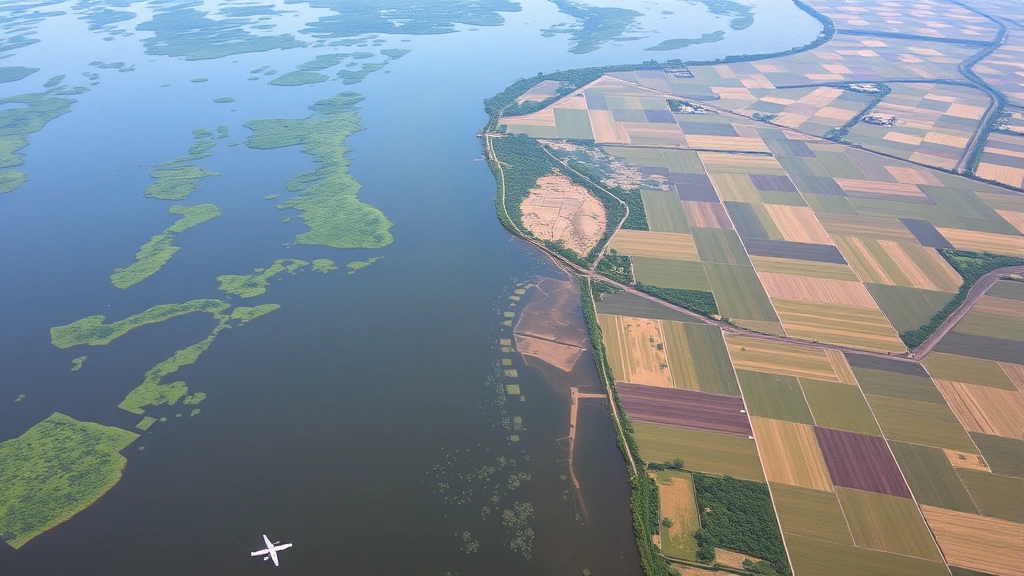
The relationship between economic systems and ecological health represents one of the most critical challenges of our time. As global economies expand and consumption patterns intensify, the pressure on natural systems accelerates at unprecedented rates. Understanding how economic activities reshape ecosystems requires examining the interconnected mechanisms through which markets, production, and human behavior directly influence biodiversity, resource availability, and environmental stability.
Economic growth has historically been measured through metrics like Gross Domestic Product (GDP), which often fail to account for environmental degradation and resource depletion. This fundamental accounting problem means that economies can appear to be thriving while their underlying ecological foundations deteriorate. Modern ecological economics seeks to reframe this relationship, recognizing that all economic activity depends entirely on ecosystem services—from pollination and water purification to climate regulation and nutrient cycling.
Expert analysis reveals that the economic-ecological nexus operates through multiple pathways: resource extraction, pollution generation, habitat destruction, and climate forcing. Each pathway represents both a challenge and an opportunity for transformative policy interventions that could align economic prosperity with ecological regeneration.
Economic Externalities and Ecosystem Degradation
Externalities represent the cornerstone of economic-ecological conflict. When firms produce goods or services, they often generate costs that are not reflected in market prices—these are negative externalities. A manufacturing facility might discharge pollutants into a river, degrading water quality for downstream communities and ecosystems, yet this cost remains external to the company’s accounting ledgers.
The types of environment affected by economic externalities range from freshwater systems to atmospheric composition. According to research from the United Nations Environment Programme, approximately 40% of global GDP depends on biodiversity and ecosystem services, yet markets systematically undervalue these dependencies.
Expert economists emphasize that traditional cost-benefit analyses exclude environmental costs because they occur outside market transactions. This creates perverse incentives where destruction becomes economically rational from a firm’s perspective while remaining socially destructive. The solution requires internalizing externalities through mechanisms like carbon pricing, pollution taxes, and tradable permits.
Key mechanisms of externality-driven degradation include:
- Agricultural runoff creating dead zones in coastal waters
- Mining operations generating acid mine drainage and habitat destruction
- Manufacturing emissions contributing to air quality degradation and respiratory disease
- Deforestation for commodity production eliminating carbon sinks and species habitat
- Plastic production and disposal contaminating marine and terrestrial ecosystems
The definition of environment science increasingly incorporates economic analysis, recognizing that ecological problems are fundamentally economic problems requiring market-based solutions alongside regulatory approaches.
Resource Extraction and Biodiversity Loss
Global economic systems depend on continuous extraction of natural resources—metals, fossil fuels, timber, and agricultural products. This extraction fundamentally reshapes ecosystems, converting biodiverse landscapes into simplified, economically productive zones. The World Bank estimates that between 2000 and 2020, approximately 10% of remaining natural forests were converted to other land uses, primarily for economic production.
Biodiversity loss accelerates when extraction exceeds regeneration rates. Mining operations destroy habitat directly through land conversion and indirectly through acid drainage and heavy metal contamination. Fishing industries deplete fish stocks faster than populations can reproduce, collapsing fisheries that supported millions. Oil and gas extraction fragments habitats, introduces toxic compounds, and generates climate-forcing emissions.
The economic logic driving extraction often ignores ecological thresholds—the tipping points beyond which ecosystem function degrades irreversibly. A fishery might be economically profitable right up until stock collapse becomes inevitable, at which point the resource becomes economically worthless. This represents a tragic misalignment between short-term financial incentives and long-term ecological and economic viability.
Resource extraction impacts manifest through:
- Habitat conversion eliminating species refugia and reducing genetic diversity
- Pollution from extraction processes contaminating soil and water systems
- Disruption of ecological connectivity fragmenting populations and reducing resilience
- Depletion of renewable resources below sustainable harvest rates
- Cumulative effects where multiple extraction activities compound ecosystem stress
Human environment interaction through resource extraction represents perhaps the most visible economic-ecological interface, where consumption patterns in wealthy nations directly drive ecosystem destruction in resource-rich regions.
Industrial Production and Pollution Cycles
Manufacturing and industrial processes generate pollution across air, water, and soil domains. The global industrial system produces approximately 2.12 billion tons of waste annually, with only a fraction being recycled or safely managed. This waste stream represents both a direct ecological hazard and an indicator of resource inefficiency.
Pollution creates cascading ecosystem effects. Atmospheric emissions contribute to acid rain, which alters soil chemistry and reduces forest productivity across entire regions. Heavy metals accumulate in food chains, biomagnifying until apex predators face reproductive failure and neurological damage. Persistent organic pollutants resist degradation, contaminating ecosystems for decades.
The economic incentive structure that generates pollution reflects a fundamental pricing failure: industries profit by externalizing pollution costs onto ecosystems and human health. A chemical manufacturer might save millions by disposing of waste into a river rather than treating it, but those savings represent pure transfer of costs to downstream communities and aquatic ecosystems.
Experts in ecological economics argue that true economic efficiency requires full-cost accounting that includes environmental and social impacts. When pollution costs are properly internalized, the economic calculation changes dramatically—pollution prevention becomes more profitable than pollution generation.
Climate Economics and Ecosystem Tipping Points
Climate change represents perhaps the most systemic economic-ecological feedback loop. Economic activity generates greenhouse gas emissions that accumulate in the atmosphere, forcing climatic changes that cascade through ecosystems. These changes then feed back into economic systems through reduced agricultural productivity, extreme weather damages, and ecosystem service disruptions.
The economic cost of climate change grows non-linearly as warming increases. A 1.5°C warming scenario produces manageable costs distributed across sectors. A 3°C scenario generates catastrophic costs concentrated in vulnerable regions and sectors. Yet the economic system continues generating emissions because climate damages remain partially external to current market prices.
World Bank analyses indicate that unmitigated climate change could reduce global GDP by 10-23% by 2100, with losses concentrated in developing nations that contributed least to the problem. This represents a profound economic injustice layered atop ecological destruction.
Climate-driven ecosystem tipping points include:
- Amazon rainforest transitioning from carbon sink to carbon source
- Coral reef ecosystems collapsing beyond recovery thresholds
- Permafrost thaw releasing methane and accelerating warming
- Ocean circulation changes disrupting nutrient cycling and fisheries
- Agricultural zone shifts reducing productivity in key food-producing regions
How do humans affect the environment through climate forcing represents a defining characteristic of the Anthropocene, where economic systems have become geological forces reshaping planetary systems.
Valuation of Ecosystem Services
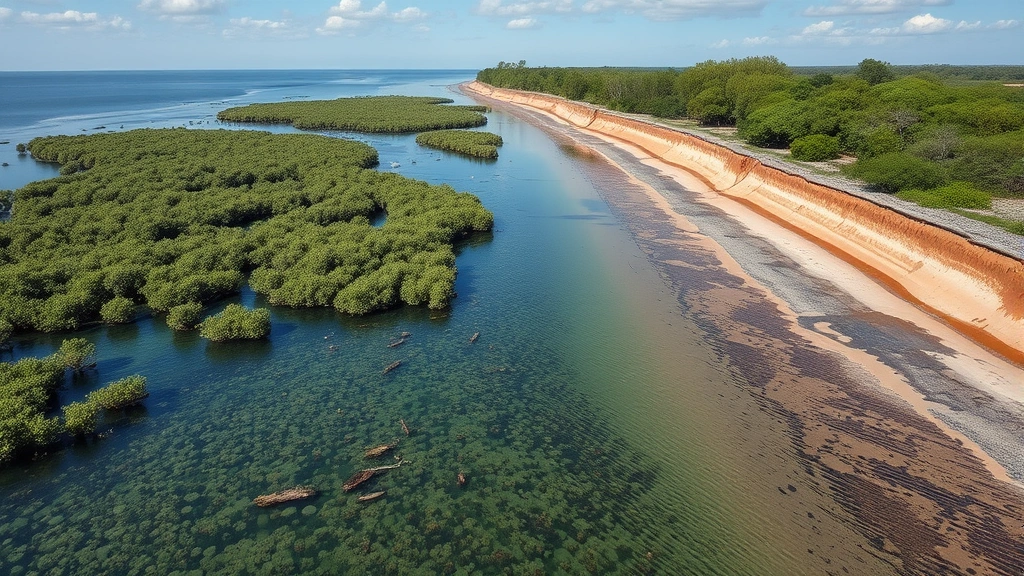
Ecosystem services—the benefits humans derive from natural systems—include provisioning services like food and water, regulating services like climate and flood control, and cultural services like recreation and spiritual value. Quantifying these services in economic terms remains controversial but essential for policy integration.
Conservative estimates value global ecosystem services at $125-145 trillion annually, far exceeding global GDP of approximately $100 trillion. Yet markets systematically undervalue or ignore these services because they lack clear ownership and market mechanisms. A forest provides carbon sequestration worth thousands per hectare annually, yet markets price standing forests at near-zero value.
Ecosystem service valuation employs multiple methodologies: revealed preference methods using market data, stated preference methods surveying willingness-to-pay, and replacement cost methods estimating costs of artificial substitutes. Each methodology generates different values, reflecting genuine uncertainty about how to price nature.
Expert economists debate whether monetizing nature aids or undermines conservation. Valuation can justify ecosystem protection by demonstrating economic value, or it can facilitate destruction by reducing ecosystems to commodities to be traded and exploited. The key distinction lies in how valuations inform policy—whether they protect ecosystems or enable market-based degradation.
Major ecosystem services requiring valuation:
- Pollination supporting agricultural production worth $15-20 billion annually
- Water purification by wetlands and forests worth billions in treatment costs avoided
- Carbon sequestration valued at $50-100 per ton, essential for climate stabilization
- Soil formation and nutrient cycling supporting all terrestrial production
- Coastal protection by mangroves and coral reefs worth billions in storm damage prevention
Circular Economy Models and Ecological Recovery
Circular economy frameworks represent an attempt to decouple economic growth from resource consumption and environmental impact. Rather than linear take-make-dispose models, circular approaches emphasize retention of materials and energy within economic cycles, minimizing extraction and waste.
Circular models can reduce environmental impact significantly, but they remain constrained by thermodynamic limits. Every economic cycle generates entropy—waste heat and degraded materials that cannot be perfectly recycled. True sustainability requires circular economy models operating within ecological carrying capacity, which current global consumption levels exceed by approximately 75%.
Positive impacts humans have on the environment increasingly emerge from deliberate circular economy implementation, regenerative agriculture, and ecosystem restoration funded through economic mechanisms.
Successful circular economy transitions require fundamental shifts in consumption patterns, production technologies, and business models. Extended producer responsibility makes manufacturers accountable for product end-of-life, internalizing disposal costs and incentivizing design for durability and recyclability. Sharing economy platforms reduce per-capita resource consumption by maximizing utilization rates.
However, rebound effects often partially offset efficiency gains. When products become cheaper or more efficient, consumption often increases, offsetting environmental benefits. A 30% improvement in fuel efficiency might produce only 10-15% reduction in fuel consumption if driving increases proportionally.
Policy Frameworks for Economic-Ecological Integration
Transforming economic systems to align with ecological limits requires policy frameworks that internalize environmental costs, protect ecosystem thresholds, and redistribute benefits equitably. Leading policy approaches include carbon pricing, biodiversity offset systems, environmental impact assessments, and natural capital accounting.
Carbon pricing mechanisms—either carbon taxes or cap-and-trade systems—place a price on greenhouse gas emissions, making pollution economically costly. International Monetary Fund research indicates that carbon prices of $50-100 per ton would be necessary to reflect true climate damages and incentivize rapid decarbonization.
Environment awareness drives policy demand, as public recognition of ecological crises creates political space for transformative regulation. Successful policies often combine market mechanisms with regulatory standards, ensuring both efficiency and equity.
Natural capital accounting integrates environmental assets and liabilities into national accounting systems, providing policymakers with accurate information about resource depletion and environmental degradation. Several countries now produce satellite accounts measuring natural capital alongside traditional GDP, revealing that conventional growth metrics systematically overstate true economic progress.
Essential policy mechanisms include:
- Carbon pricing at levels reflecting true climate damages
- Biodiversity offset requirements preventing net loss of species and habitat
- Environmental impact assessments before major development projects
- Removal of perverse subsidies supporting resource extraction and pollution
- Investment in ecosystem restoration and regenerative production
- Just transition support for workers and communities dependent on extractive industries
The United Nations Environment Programme’s green economy initiative demonstrates how policy frameworks can align economic development with ecological protection, creating employment while reducing environmental impact.

FAQ
How do economic systems directly damage ecosystems?
Economic systems damage ecosystems through resource extraction that destroys habitat, industrial production that generates pollution, and consumption patterns that exceed ecological regeneration rates. These impacts occur because market prices fail to reflect environmental costs, creating incentives for degradation.
What are ecosystem services and why do they matter economically?
Ecosystem services are benefits humans derive from natural systems—pollination, water purification, climate regulation, and countless others. They matter economically because all economic activity depends on these services, yet markets systematically undervalue them, leading to their destruction despite their enormous economic value.
Can economic growth and ecological protection coexist?
Growth in material and energy throughput cannot coexist with ecological protection given current consumption levels. However, economic development—improvements in well-being and living standards—can decouple from resource consumption through efficiency, circular economy models, and shifts toward service-based economies.
What policy approaches best integrate economy and ecology?
Effective integration requires multiple approaches: carbon pricing reflecting true climate damages, biodiversity protection requirements, environmental impact assessments, natural capital accounting, subsidy reform, and investment in ecosystem restoration. Market mechanisms work best when combined with regulatory standards and equity protections.
How do climate tipping points affect economic calculations?
Climate tipping points create non-linear economic damages where costs accelerate dramatically beyond certain warming thresholds. This makes current economic calculations that discount future damages fundamentally misleading—protecting against tipping points requires immediate and substantial emissions reductions even if conventional cost-benefit analysis appears to justify delay.


