
Urban Ecosystems: Key to Economic Growth? Study Shows
Cities represent humanity’s most concentrated expression of economic activity, yet they remain among the most ecologically compromised environments on Earth. Recent research challenges conventional wisdom about the trade-off between urban development and environmental health, revealing that thriving urban ecosystems may be fundamental—not peripheral—to sustainable economic growth. This paradigm shift has profound implications for how cities are planned, managed, and valued in the 21st century.
The emerging evidence suggests that cities functioning as integrated ecological systems generate measurable economic returns through ecosystem services, enhanced productivity, improved public health, and climate resilience. Rather than viewing urban environments as inevitable sacrifices to economic progress, forward-thinking municipalities are discovering that investments in green infrastructure, biodiversity, and ecological restoration yield competitive advantages in attracting talent, reducing operational costs, and building long-term prosperity.
Understanding Urban Ecosystems and Economic Value
An urban ecosystem comprises the complex interactions between living organisms—plants, animals, microorganisms—and their physical environment within city boundaries. This includes parks, street trees, wetlands, urban forests, green roofs, water bodies, and the soil beneath concrete surfaces. Understanding the definition of environment and environmental science provides essential context for recognizing cities as dynamic ecological systems rather than purely built environments.
Historically, economic analysis treated urban ecosystems as externalities—costs borne by society without appearing on balance sheets. This accounting error masked the true economic value generated by urban nature. Contemporary ecological economics, however, employs sophisticated methodologies to monetize ecosystem services, revealing that cities with healthy ecological infrastructure generate substantial economic value. Research from the World Bank indicates that nature-based solutions in urban areas can deliver economic returns of 4 to 6 dollars for every dollar invested.
The relationship between human environment interaction fundamentally shapes urban economic outcomes. Cities with degraded ecosystems experience elevated costs associated with air and water pollution, heat stress, flooding, and disease transmission. Conversely, cities that maintain or restore ecological function benefit from enhanced property values, reduced healthcare expenditures, decreased infrastructure maintenance costs, and improved worker productivity.
Ecosystem Services in Cities: Quantifying the Benefits
Urban ecosystems deliver measurable services that generate economic value. These services fall into four categories: provisioning services (food, water, materials), regulating services (climate control, air purification, flood management), supporting services (nutrient cycling, habitat provision), and cultural services (recreation, aesthetic value, spiritual significance).
Air quality improvement represents one of the most quantifiable benefits. Urban trees and vegetation filter airborne pollutants, reducing respiratory diseases and associated healthcare costs. A single mature tree removes approximately 48 pounds of carbon dioxide annually while filtering air pollutants. In cities like New York, the urban forest provides air purification services valued at approximately $9.4 million annually. This translates directly to reduced medical expenses, fewer lost work days, and increased productive capacity.
Temperature regulation through urban green space addresses one of cities’ most pressing challenges: the urban heat island effect. Cities can be 5-7 degrees Celsius warmer than surrounding rural areas due to reduced vegetation and increased heat-absorbing surfaces. This elevation increases cooling costs, exacerbates heat-related mortality, and amplifies energy consumption. Strategic tree planting and green infrastructure reduce ambient temperatures, lowering air conditioning expenses and improving thermal comfort. Research indicates that comprehensive green infrastructure can reduce urban temperatures by 2-3 degrees Celsius, yielding annual energy savings of 20-30 percent in affected areas.
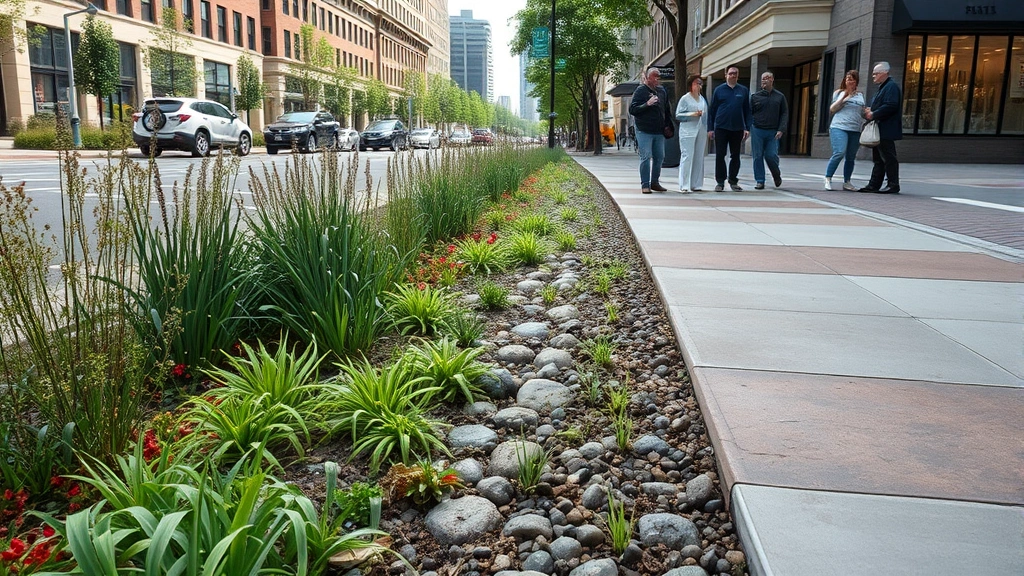
Stormwater management through wetlands, permeable surfaces, and green infrastructure reduces flooding costs while improving water quality. Traditional gray infrastructure—concrete stormwater systems—requires expensive construction and maintenance. Nature-based solutions like rain gardens, bioswales, and constructed wetlands manage stormwater at fraction of the cost while providing additional benefits including habitat creation and aesthetic enhancement. Cities implementing green stormwater infrastructure report 40-80 percent reductions in combined sewer overflows and flooding incidents.
Biodiversity and habitat provision support ecosystem resilience and provide cultural benefits. Urban areas hosting diverse plant and animal communities demonstrate greater stability during environmental shocks. Additionally, access to nature correlates with improved mental health, reduced stress, enhanced cognitive function, and increased property values. Neighborhoods with abundant urban green space command 5-20 percent price premiums compared to similar properties in areas with minimal vegetation.
Health, Productivity, and Economic Performance
The connection between urban ecosystem quality and human health represents a critical economic linkage often overlooked in traditional development planning. Access to green space correlates with reduced incidence of cardiovascular disease, obesity, diabetes, and mental health disorders. A study by the United Nations Environment Programme found that individuals with regular access to urban nature report 15-20 percent lower stress levels and demonstrate improved immune function.
These health improvements translate into substantial economic benefits. Reduced healthcare utilization, decreased pharmaceutical consumption, fewer hospital admissions, and lower insurance premiums compound into significant savings. Countries investing in urban green infrastructure report healthcare cost reductions of 2-4 percent annually. For large metropolitan areas, this translates to hundreds of millions of dollars in direct medical savings.
Worker productivity increases in environments with natural elements. Employees with views of vegetation demonstrate 15 percent higher productivity, take fewer sick days, and report greater job satisfaction. Companies incorporating plants and natural lighting into office environments experience 6-13 percent improvements in cognitive function and decision-making quality among staff. These productivity gains, multiplied across thousands of workers, generate enormous economic value.
Educational outcomes improve in schools with access to natural spaces. Students in nature-rich environments demonstrate enhanced concentration, improved test scores, and reduced behavioral problems. These advantages compound throughout educational trajectories, yielding long-term economic benefits through higher lifetime earnings and increased tax contributions.
The economic value of urban recreation—facilitated by parks, trails, and natural areas—represents another significant component. Urban residents spending time in natural settings demonstrate reduced healthcare utilization, increased physical activity, and improved mental health. The recreational services provided by urban green space generate economic value through improved population health, reduced obesity-related costs, and enhanced quality of life that attracts and retains talented workers and families.
Climate Resilience and Financial Stability
Urban ecosystems provide critical climate adaptation and mitigation services with profound economic implications. Cities face escalating climate risks including extreme heat, flooding, droughts, and severe storms. These events impose enormous costs through infrastructure damage, business interruption, displacement, and loss of life. Ecological systems enhance resilience to these shocks through multiple mechanisms.
Urban forests and vegetation reduce flood risk by increasing water infiltration, reducing runoff velocity, and providing temporary water storage. Green roofs and walls insulate buildings, reducing heating and cooling loads. Wetlands and riparian buffers attenuate flood peaks and improve water quality. These natural systems provide climate adaptation benefits while simultaneously supporting mitigation through carbon sequestration.
The economic calculus of climate resilience demonstrates compelling returns on ecological investment. Cities investing in nature-based climate adaptation report 10-15 percent reductions in climate-related disaster costs. The World Bank estimates that every dollar invested in climate-resilient green infrastructure yields $4-6 in economic benefits through avoided disaster costs, improved property values, and enhanced productivity.
Financial institutions increasingly recognize that cities with degraded ecosystems face elevated climate risks and thus represent higher-risk investments. Conversely, municipalities prioritizing ecosystem restoration and green infrastructure attract investment capital at lower interest rates, reducing borrowing costs and improving fiscal stability.
Urban Green Infrastructure: Investment and Returns
Green infrastructure encompasses engineered systems that leverage natural processes to manage water, reduce temperatures, and enhance biodiversity. These include green roofs, living walls, permeable pavements, rain gardens, bioswales, constructed wetlands, and street tree programs. Unlike gray infrastructure requiring continuous maintenance and eventual replacement, green infrastructure often becomes more valuable over time as biological systems mature.
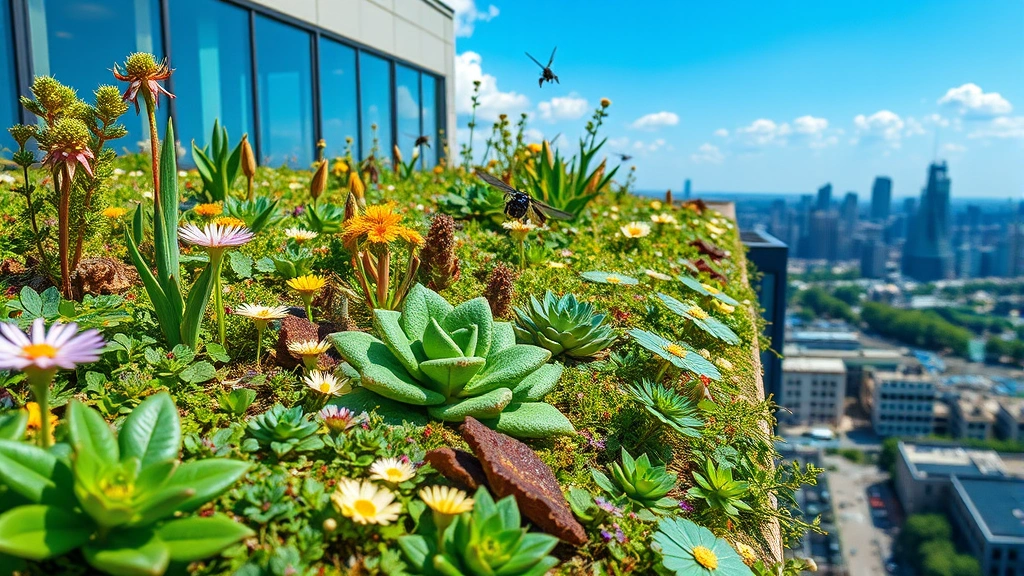
Green roofs provide multiple benefits: stormwater management, building insulation, habitat provision, and urban agriculture. While installation costs ($10-25 per square foot) exceed conventional roofing, lifecycle cost analysis reveals economic advantage through energy savings, extended roof lifespan, reduced stormwater fees, and increased property value. Buildings with green roofs command 5-10 percent higher rental rates and experience 25-40 percent reductions in heating and cooling costs.
Urban tree programs represent highly cost-effective green infrastructure. A street tree requires $200-500 initial investment but generates $500-1,000 annual benefits through energy savings, air quality improvement, stormwater management, and property value enhancement. Over 40-year lifespan, benefit-cost ratios typically exceed 3:1. Cities prioritizing tree canopy expansion experience measurable improvements in health outcomes, reduced energy consumption, and enhanced property values across neighborhoods.
Permeable pavements replace impervious concrete with materials allowing water infiltration. Initial costs are comparable to conventional pavement, but permeable systems eliminate stormwater management infrastructure costs, reduce urban flooding, improve groundwater recharge, and enhance air quality. Cities implementing permeable pavement programs report 40-80 percent reductions in stormwater runoff and associated water quality improvements.
Investment in urban green infrastructure creates employment opportunities in design, installation, maintenance, and management. These jobs typically offer wages 10-20 percent above average and cannot be outsourced, providing stable economic development for local communities. A study by the American Society of Landscape Architects found that every million dollars invested in green infrastructure creates 10-15 permanent jobs.
Global Case Studies of Ecological Urban Growth
Singapore exemplifies how ecological integration drives economic competitiveness. The city-state has transformed from a polluted port city to a thriving green economy through systematic investments in parks, green roofs, vertical gardens, and ecological restoration. Singapore’s “Park Connector” system links green spaces throughout the city, providing recreation, habitat, and climate regulation. These investments enhanced Singapore’s attractiveness to multinational corporations and high-skilled workers, contributing to sustained economic growth and property value increases of 8-12 percent annually in green neighborhoods.
Copenhagen, Denmark has pioneered nature-based urban water management. Rather than expanding gray stormwater infrastructure, Copenhagen invested in green roofs, rain gardens, and wetlands. This approach costs 20-30 percent less than conventional infrastructure while providing additional benefits including improved aesthetics, habitat creation, and recreational opportunities. The city now experiences fewer flooding incidents despite increasing precipitation, demonstrating that ecological approaches enhance both environmental and economic resilience.
Medellín, Colombia transformed from one of the world’s most violent cities to a model of urban innovation partly through ecological restoration. The city implemented massive tree-planting programs, created cable car systems accessing hillside neighborhoods, and restored degraded ecosystems. These investments improved air quality, reduced temperatures in marginalized communities, created employment, and enhanced social cohesion. The transformation attracted investment and tourism, contributing to 4-6 percent annual economic growth in recent years.
Melbourne, Australia established a “20-minute neighborhoods” policy requiring residents to access green space, services, and employment within 20-minute travel. This urban planning approach prioritizes parks, street trees, and ecological corridors. The policy has enhanced livability, increased property values, improved public health, and attracted skilled workers and businesses to the city.
Policy Frameworks and Implementation Strategies
Translating ecological understanding into economic benefits requires supportive policy frameworks. Successful cities employ multiple approaches:
- Green procurement policies requiring ecological standards in public construction projects, creating market demand for sustainable materials and services
- Biodiversity offsetting requiring developers to compensate for ecosystem damage through habitat restoration or protection
- Payment for ecosystem services compensating landowners for maintaining or restoring ecological function
- Green bonds financing ecosystem restoration and green infrastructure through capital markets
- Tax incentives encouraging private investments in green roofs, trees, and ecological restoration
- Zoning reforms permitting nature-based solutions and removing barriers to green infrastructure
- Ecosystem valuation incorporating natural capital into municipal accounting and decision-making
Effective implementation requires coordination across municipal departments, collaboration with private sector actors, and engagement with communities. Cities establishing dedicated green infrastructure departments or appointing chief ecology officers demonstrate greater success in scaling ecological investments. Additionally, transparency regarding costs and benefits builds political support for continued investment.
The Ecorise Daily Blog provides ongoing analysis of policy innovations and implementation strategies from cities worldwide. Understanding these frameworks helps communities identify approaches suitable for local conditions and constraints.
Challenges and Future Directions
Despite compelling economic evidence, urban ecosystem investments face persistent challenges. Capital constraints limit municipal capacity to invest in green infrastructure despite favorable long-term returns. Short-term budget pressures often override long-term economic reasoning. Innovative financing mechanisms—green bonds, payment for ecosystem services, public-private partnerships—help overcome these constraints but require supportive policy environments.
Measurement and attribution challenges complicate valuation of ecosystem services. While individual services can be quantified, demonstrating causality between specific interventions and economic outcomes requires sophisticated analysis. Improving monitoring systems and data collection enhances ability to document returns and justify continued investment.
Equity concerns require attention in green infrastructure development. Without intentional policies, green amenities may concentrate in affluent neighborhoods, exacerbating inequality. Successful cities prioritize green investments in underserved communities, ensuring equitable distribution of ecosystem benefits. Approaches like how to reduce carbon footprint initiatives often incorporate community engagement ensuring local participation in environmental solutions.
Climate change adaptation requires evolving urban ecosystems as environmental conditions shift. Species composition, planting strategies, and green infrastructure design must account for future climate scenarios. Adaptive management approaches allowing flexibility as conditions change enhance long-term resilience.
Integration with sustainability transitions extends beyond ecosystem restoration to encompass renewable energy adoption, circular economy principles, and sustainable consumption patterns. Cities addressing multiple sustainability challenges simultaneously achieve greater economic and environmental benefits than those pursuing isolated interventions. Exploring renewable energy for homes and buildings complements ecosystem-based approaches, creating synergistic sustainability transformations.
Future urban development increasingly recognizes that ecological and economic objectives align rather than conflict. Cities that embrace this integration—viewing ecosystem restoration as economic development rather than environmental constraint—position themselves for prosperity in a resource-constrained, climate-changing world. The question is no longer whether cities can afford to invest in ecosystems, but whether they can afford not to.
FAQ
What specific ecosystem services generate the greatest economic value in cities?
Research indicates that temperature regulation through urban vegetation, stormwater management through green infrastructure, and health benefits from access to nature generate the largest economic returns. These services typically deliver benefit-cost ratios of 3:1 to 6:1, making them highly cost-effective investments.
How can cities measure the economic value of urban ecosystems?
Cities employ ecosystem service valuation methodologies including replacement cost analysis (what would gray infrastructure cost?), hedonic pricing (property value premiums), health impact assessment (medical cost reductions), and avoided cost analysis (prevented disaster expenses). Integrating these approaches provides comprehensive economic assessment.
What is the typical payback period for green infrastructure investments?
Payback periods vary by intervention type. Street trees typically break even within 5-7 years. Green roofs often require 10-15 years. Stormwater management systems frequently achieve cost recovery within 5-10 years. Once payback occurs, benefits continue accumulating for decades, yielding substantial lifetime returns.
How do urban ecosystems contribute to climate change mitigation?
Urban vegetation sequesters carbon through growth and biomass accumulation. Urban forests store approximately 50 tons of carbon per hectare. Additionally, green infrastructure reduces energy consumption through insulation and temperature regulation, lowering greenhouse gas emissions from buildings—which account for 30-40 percent of urban emissions.
Which cities are leading in ecosystem-based economic development?
Singapore, Copenhagen, Melbourne, Medellín, and Vancouver are recognized leaders in integrating ecological restoration with economic development. These cities have demonstrated that nature-based investments enhance competitiveness, attract talent and investment, and improve quality of life while reducing environmental impacts.
How does biodiversity affect urban economic performance?
Diverse urban ecosystems demonstrate greater resilience to environmental shocks, pests, and diseases. Biodiversity supports ecosystem function, enhancing service delivery. Additionally, biodiverse neighborhoods attract residents and businesses, command property value premiums, and support tourism and recreation economies.
What policy changes accelerate urban ecosystem investment?
Effective policies include green procurement standards, zoning reforms permitting nature-based solutions, tax incentives for green infrastructure, payment for ecosystem services, biodiversity offsetting requirements, and ecosystem valuation in municipal accounting. Cities combining multiple policy approaches achieve greatest success in scaling investments.


