
Impact of Unsafe Work Environments: A Study on Economic and Ecological Consequences
Unsafe work environments represent one of the most significant yet underexamined intersections between labor economics, public health, and environmental sustainability. When workers operate in hazardous conditions—whether in manufacturing facilities, agricultural operations, or extractive industries—the ripple effects extend far beyond individual health outcomes. These unsafe conditions generate substantial economic costs, undermine ecosystem integrity, and perpetuate cycles of inequality that disproportionately affect vulnerable populations in developing nations.
The International Labour Organization estimates that approximately 2.3 million people die annually from work-related injuries and illnesses, with economic losses exceeding $2.7 trillion globally. Yet these figures only capture direct mortality and morbidity costs. The broader systemic impacts—including environmental degradation, reduced productivity, healthcare system strain, and diminished human capital—reveal unsafe work environments as a critical nexus point for understanding sustainable economic development.
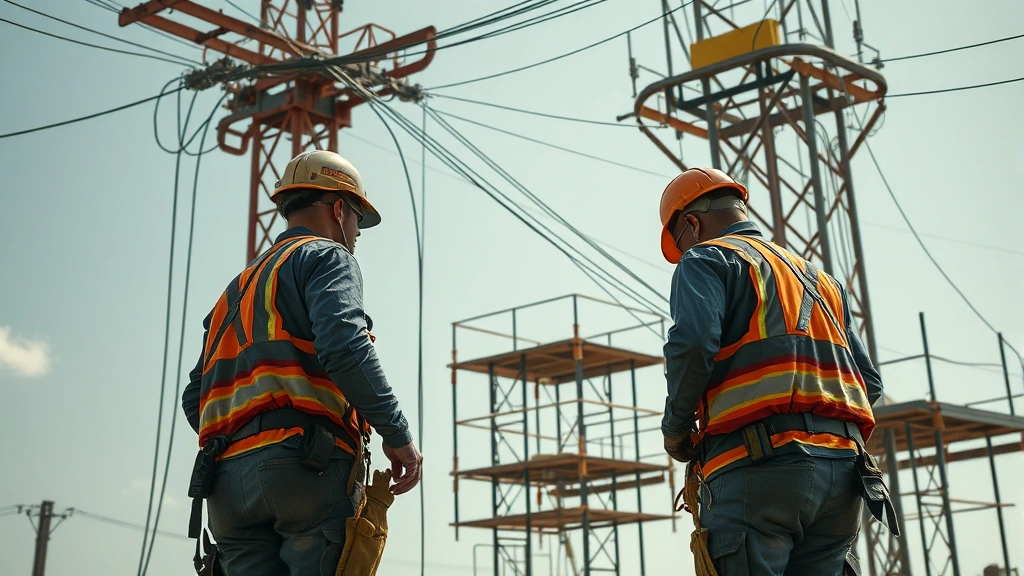
Defining Unsafe Work Environments and Their Scope
An unsafe work environment encompasses any workplace characterized by hazardous conditions that expose workers to physical, chemical, biological, or ergonomic risks without adequate protective measures or regulatory enforcement. This definition extends beyond traditional occupational safety to include systemic failures in governance, inadequate wages that force workers to accept dangerous conditions, and structural inequalities that concentrate hazards among marginalized populations.
The scope of unsafe work environments is remarkably broad. In developing economies, informal sector workers—comprising up to 90% of employment in some regions—operate almost entirely outside safety regulatory frameworks. These workers face exposure to toxic substances, dangerous machinery, inadequate ventilation, excessive heat, and psychological stress without compensation mechanisms or legal recourse. The relationship between environment and society becomes particularly acute when industrial operations externalize safety costs onto workers and surrounding ecosystems simultaneously.
Research from the International Labour Organization indicates that unsafe work disproportionately affects workers in low and middle-income countries, where enforcement of occupational safety standards remains weak. Agricultural workers, construction laborers, and manufacturing employees in these regions face hazard exposure rates 3-5 times higher than their counterparts in high-income nations, yet receive substantially lower compensation for injury or illness.

Economic Costs and Productivity Losses
The economic burden of unsafe work environments manifests across multiple dimensions. Direct costs include medical treatment, disability compensation, and worker replacement expenses. In the United States alone, occupational injuries and illnesses cost employers approximately $161 billion annually in direct and indirect expenses. However, this figure represents only 10-15% of total economic impact when accounting for reduced productivity, absenteeism, presenteeism (working while ill or injured), and human capital depreciation.
The World Bank’s research on occupational health demonstrates that unsafe work environments generate efficiency losses equivalent to 4-6% of GDP in developing countries. Workers suffering from chronic exposure to hazardous conditions experience diminished cognitive function, reduced physical capacity, and increased susceptibility to comorbidities. This creates a negative feedback loop: declining productivity justifies lower wages, which forces workers to accept even more hazardous positions to meet subsistence needs.
When examining human-environment interaction, unsafe work environments reveal how economic systems fail to internalize occupational health costs. Companies operating in jurisdictions with weak safety enforcement enjoy competitive advantages that economists call “regulatory arbitrage.” This creates perverse incentives for firms to relocate hazardous operations to regions with minimal oversight, concentrating workplace dangers in economically vulnerable areas.
Indirect economic costs include:
- Healthcare system burden: Workers with occupational injuries consume disproportionate medical resources, straining public health systems in low-income countries and increasing insurance premiums in developed economies
- Reduced consumer spending: Injured workers and their families reduce discretionary consumption, dampening local economic activity and tax revenue
- Innovation suppression: Unsafe work environments correlate with lower educational attainment and reduced technological adoption, limiting long-term economic growth potential
- Labor market inefficiency: Workers avoid hazardous occupations when alternatives exist, creating labor shortages in critical sectors and wage inflation that cascades through supply chains
- Insurance and compensation costs: Workplace injuries drive up insurance premiums, workers’ compensation payouts, and litigation expenses
Environmental Degradation and Ecosystem Services
The relationship between unsafe work environments and environmental degradation operates through multiple pathways. Industries that expose workers to hazardous conditions—particularly mining, chemical manufacturing, and industrial agriculture—typically externalize environmental costs with equal disregard. A study examining occupational hazards in artisanal mining operations found that unsafe worker conditions correlated directly with minimal environmental controls, contaminating groundwater with heavy metals and destabilizing surrounding ecosystems.
When companies fail to invest in worker safety infrastructure, they simultaneously neglect environmental protection systems. Ventilation systems that protect workers from airborne toxins also prevent atmospheric pollution. Containment systems for hazardous materials protect both employees and surrounding communities. Thus, the same cost-cutting measures that create unsafe work environments simultaneously generate environmental degradation.
The ecosystem services literature increasingly recognizes occupational safety as an environmental issue. Workers in agriculture, forestry, and fisheries directly depend on ecosystem health, yet unsafe work practices—including pesticide exposure, unsustainable harvesting methods, and inadequate protective equipment—simultaneously degrade the natural systems upon which these livelihoods depend. This creates what ecological economists term a “tragedy of the commons” at the individual level: workers rationally accept immediate hazards to meet current needs, yet collectively degrade the resource base supporting long-term sustainability.
Research on reducing environmental impact increasingly incorporates occupational safety as a sustainability metric. Manufacturing processes that minimize worker exposure to hazardous chemicals typically achieve lower overall environmental impact through improved efficiency, reduced waste, and decreased need for remediation. This suggests that occupational safety represents a leading indicator for broader environmental responsibility.
Health Externalities and Social Inequality
Unsafe work environments generate substantial negative health externalities that extend beyond directly affected workers. Children of workers exposed to occupational toxins experience elevated rates of developmental disorders, reduced cognitive capacity, and chronic health conditions. Spouses and household members suffer from secondary exposure to hazardous substances brought home on workers’ clothing and skin. Communities surrounding hazardous workplaces experience elevated disease burdens from environmental contamination.
The epidemiological evidence is striking: workers in unsafe environments die 10-15 years earlier on average than their counterparts in safe workplaces, with causes ranging from occupational cancers to cardiovascular disease triggered by chronic stress and hazard exposure. This mortality differential represents a profound failure of economic systems to value human life equally across social strata.
Unsafe work environments persistently concentrate among marginalized populations—women in informal manufacturing, migrants in construction, indigenous peoples in extractive industries, and rural populations in agricultural operations. This creates what environmental justice scholars identify as structural inequity: hazards are borne disproportionately by those with least political power to resist, while benefits accrue to privileged populations. The economic logic underlying this distribution reflects failures in property rights allocation, regulatory capture, and democratic representation.
Case Studies: Mining, Agriculture, and Manufacturing
Artisanal Gold Mining in Sub-Saharan Africa: Workers in informal gold mining operations face exposure to mercury, cyanide, and dust-borne silica without protective equipment, generating occupational mortality rates exceeding 5% annually in some regions. Simultaneously, mercury contamination of waterways devastates fishery ecosystems and poisons downstream communities. The economic cost of mercury remediation and health treatment exceeds the value of gold extracted by a factor of 3-4, yet remains uncompensated.
Agricultural Pesticide Exposure: An estimated 11 million agricultural workers in developing countries suffer acute pesticide poisoning annually, with chronic exposure linked to neurological damage, reproductive harm, and cancer. The economic productivity loss from pesticide-related illness in low-income agricultural economies approaches 2-3% of agricultural GDP. Simultaneously, pesticide contamination of soil and water reduces long-term agricultural productivity, creating an intergenerational externality wherein current workers’ unsafe conditions undermine future generations’ economic opportunities.
Garment Manufacturing in South Asia: The 2013 Rana Plaza factory collapse in Bangladesh killed 1,134 workers in what remains the deadliest industrial accident in history. The event exposed systemic failures in building safety standards, wage suppression that creates incentives for workers to ignore hazards, and supply chain structures that concentrate safety costs on the most vulnerable workers. Post-collapse analysis revealed that improving safety standards would increase garment prices by 1-2%, a cost borne entirely by consumers rather than workers or corporations.
Policy Interventions and Economic Solutions
Addressing unsafe work environments requires integrated policy approaches that simultaneously improve labor conditions, environmental outcomes, and economic efficiency. The World Bank identifies several evidence-based interventions:
- Regulatory enforcement and capacity building: Strengthening occupational safety agencies through adequate funding, training, and inspection capacity generates economic returns of $4-6 per dollar invested through reduced injury rates and productivity gains
- Wage floors and labor standards: When minimum wages prevent desperate poverty, workers possess sufficient bargaining power to refuse hazardous conditions, creating market incentives for safety improvements
- Supply chain transparency: Requiring multinational corporations to audit safety conditions throughout supply chains shifts accountability upstream to companies with market power to enforce standards
- Environmental regulation integration: Linking occupational safety enforcement with environmental protection creates synergies whereby single interventions improve both worker health and ecosystem integrity
- Worker education and representation: Investing in worker literacy and supporting independent labor unions enables workers to identify hazards and advocate for improvements
Economic instruments—carbon taxes, pollution permits, and environmental impact fees—can be structured to internalize occupational hazard costs. When companies must pay for environmental damage, they gain financial incentives to adopt processes that simultaneously improve worker safety and reduce ecological impact. The United Nations Environment Programme emphasizes this integrated approach as essential for sustainable development.
Building Sustainable Work Practices
Creating sustainable work environments requires reconceptualizing the relationship between economic productivity and human wellbeing. Rather than treating safety as a cost to minimize, forward-thinking organizations recognize that safe work environments generate competitive advantages through improved productivity, reduced turnover, enhanced innovation, and strengthened stakeholder relationships.
The sustainable business practices emerging in responsible supply chains demonstrate that safety improvements need not reduce profitability. Companies implementing comprehensive occupational health programs report 15-30% productivity gains within 3-5 years, offsetting safety investment costs while generating positive returns. These organizations also experience reduced regulatory costs, improved market access, and enhanced brand value.
Sustainable work practices encompass:
- Hazard elimination: Redesigning production processes to eliminate hazards rather than merely managing exposure through protective equipment
- Ergonomic optimization: Investing in equipment and workplace design that reduces repetitive strain injuries and physical stress
- Continuous improvement systems: Creating mechanisms for workers to identify hazards and propose solutions, leveraging frontline expertise
- Health promotion: Providing preventive healthcare, mental health support, and wellness programs that address root causes of occupational disease
- Fair compensation: Ensuring wages sufficient to maintain health and dignity, reducing worker desperation that drives acceptance of hazardous conditions
- Environmental stewardship: Implementing pollution prevention and ecosystem restoration alongside occupational safety measures
The economic case for sustainable work practices strengthens when accounting for broader environmental and energy considerations. Organizations pursuing comprehensive sustainability strategies—encompassing occupational safety, environmental protection, and energy efficiency—achieve superior long-term financial performance while generating positive social and ecological outcomes.
Research from ecological economics journals increasingly demonstrates that unsafe work environments represent inefficient equilibria maintained through information asymmetries, regulatory failure, and concentrated power. When these market failures are corrected through adequate enforcement, worker education, and supply chain accountability, both economic and human outcomes improve substantially. The evidence suggests that unsafe work environments persist not because safety is economically irrational, but because the institutions governing labor markets fail to align private incentives with social welfare.
FAQ
What are the primary causes of unsafe work environments?
Unsafe work environments result from multiple interconnected factors: inadequate regulatory enforcement, cost-cutting pressures that prioritize profits over safety, worker desperation that forces acceptance of hazardous conditions, information asymmetries that hide true risks, and concentrated corporate power that enables externalization of safety costs. In developing economies, institutional weakness and corruption compound these factors, creating systematic underinvestment in occupational safety.
How do unsafe work environments affect economic development?
Unsafe work environments reduce economic development through multiple mechanisms: diminished human capital from premature mortality and chronic illness, reduced productivity from health-impaired workers, healthcare system burden that diverts public resources, environmental degradation that undermines long-term resource availability, and reduced innovation as hazardous sectors fail to attract educated workers. The cumulative effect suppresses GDP growth and perpetuates poverty cycles.
What evidence exists that safety improvements increase productivity?
Comprehensive studies from the International Labour Organization and World Bank document that occupational safety investments generate productivity gains of 4-6% within 2-3 years, substantially exceeding implementation costs. These gains result from reduced absenteeism, improved worker health and morale, decreased injury-related disruptions, enhanced operational efficiency, and improved product quality from more focused workers.
How do unsafe work environments connect to environmental damage?
Industries creating unsafe work conditions typically externalize environmental costs with equal disregard. Companies cutting corners on worker safety simultaneously neglect pollution controls, waste management, and ecosystem protection. The same cost-cutting logic drives both outcomes, creating parallel hazards for workers and environments. Addressing occupational safety therefore generates environmental co-benefits.
What role do consumers play in occupational safety?
Consumer demand for ethically produced goods creates market pressure for supply chain safety improvements. However, consumers typically underestimate the extent of hazardous conditions in supply chains and undervalue safety improvements relative to price. Policy interventions—including labeling requirements, corporate transparency mandates, and supply chain auditing—help align consumer preferences with actual production practices.
Can developing countries afford to implement occupational safety standards?
Evidence suggests that occupational safety investments generate economic returns exceeding costs, making safety affordable for developing economies. However, upfront financing challenges exist, requiring international support through development finance, technology transfer, and capacity building. The World Bank and ILO provide technical assistance for implementing cost-effective safety programs tailored to developing country contexts.


