Impact of Logistics on Ecosystems: Analyst Insights
The global logistics network represents one of the most complex and consequential systems of the modern economy, yet its environmental footprint remains vastly underestimated in public discourse. Every product journey from manufacturer to consumer involves intricate transportation and distribution networks that collectively generate approximately 8-10% of global greenhouse gas emissions. This figure encompasses not only direct emissions from vehicles but also the cascading ecological impacts of infrastructure development, energy consumption, and waste generation across supply chains.
Understanding the relationship between transportation distribution and logistics work environment requires examining both the operational mechanics of supply chains and their broader systemic effects on natural systems. The logistics sector’s expansion has fundamentally reshaped land use patterns, altered water systems, fragmented habitats, and contributed significantly to climate disruption. Yet paradoxically, optimizing this same system presents extraordinary opportunities for ecological restoration and economic efficiency gains.
Transportation Infrastructure and Habitat Fragmentation
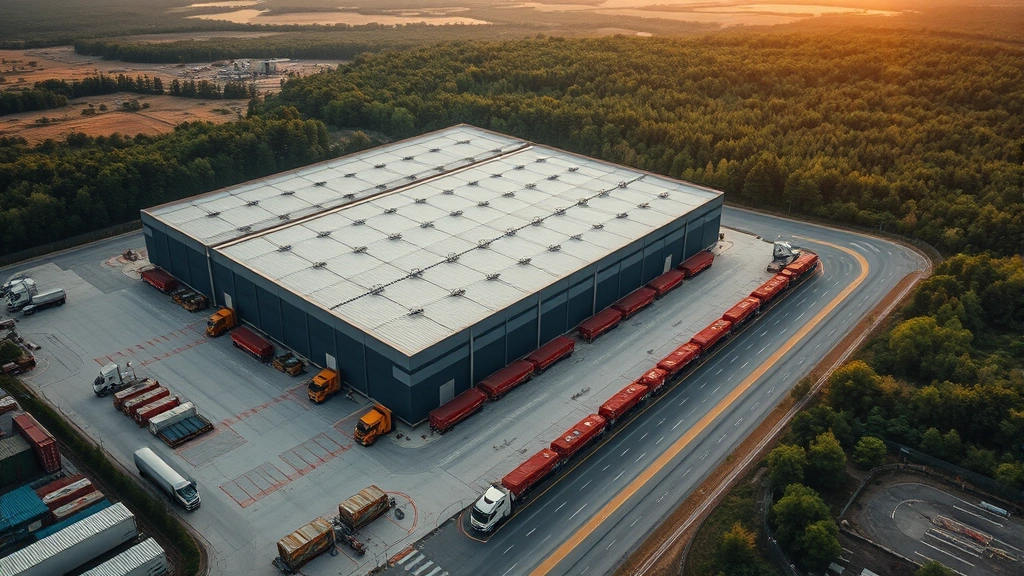
The physical infrastructure supporting logistics operations creates profound ecological disruption through habitat fragmentation, one of the leading drivers of biodiversity loss globally. Road networks, railway corridors, and warehouse complexes carve through ecosystems, isolating wildlife populations and disrupting migration patterns essential for species survival. A study by the World Wildlife Fund indicates that transportation infrastructure affects approximately 24% of Earth’s terrestrial surface, with impacts extending far beyond the immediately constructed areas.
The construction of distribution centers and logistics hubs frequently occurs in ecologically sensitive regions where land is affordable and accessibility is optimal. Wetlands, grasslands, and forest edges—typically biodiverse transition zones—face particular pressure. Once developed, these areas experience permanent habitat loss, soil compaction, increased runoff, and altered hydrology. The fragmentation effect creates what ecologists call “edge effects,” where interior forest species lose viable habitat as the proportion of disturbed edges increases relative to undisturbed core areas.
Consider the expansion of e-commerce logistics networks, which has accelerated this pattern dramatically. The proliferation of fulfillment centers requires vast impervious surfaces—concrete, asphalt, and roofing materials—that prevent water infiltration, increase flooding risk in surrounding areas, and eliminate vegetation that would otherwise support local ecosystems. These facilities typically operate 24/7, creating light and noise pollution that disrupts nocturnal wildlife behavior and circadian rhythms across multiple species.
The relationship between infrastructure development and human environment interaction becomes particularly visible when examining logistics corridors. Transportation routes create linear disturbance zones that fragment landscapes and reduce genetic diversity in isolated populations. Research from the International Union for Conservation of Nature demonstrates that roads and railways are primary drivers of habitat loss in 99% of terrestrial ecoregions globally.
Carbon Emissions Across Supply Chains
The logistics sector’s contribution to climate change operates through multiple emission pathways, each with distinct characteristics and mitigation potential. Direct emissions from transportation vehicles account for approximately 55% of logistics-related greenhouse gases, driven predominantly by heavy-duty trucks, maritime vessels, and aircraft. However, scope 2 and scope 3 emissions—including energy consumption in warehouses and upstream supply chain activities—represent equally significant but less visible climate impacts.
Long-haul trucking remains the dominant mode for terrestrial freight movement in North America and Europe, with diesel combustion generating not only carbon dioxide but also particulate matter, nitrogen oxides, and volatile organic compounds. A single large truck produces emissions equivalent to approximately 150 passenger vehicles operating for a year. As global trade volumes have increased 300% since 1990, freight transportation emissions have grown proportionally, offsetting efficiency gains achieved in other sectors.
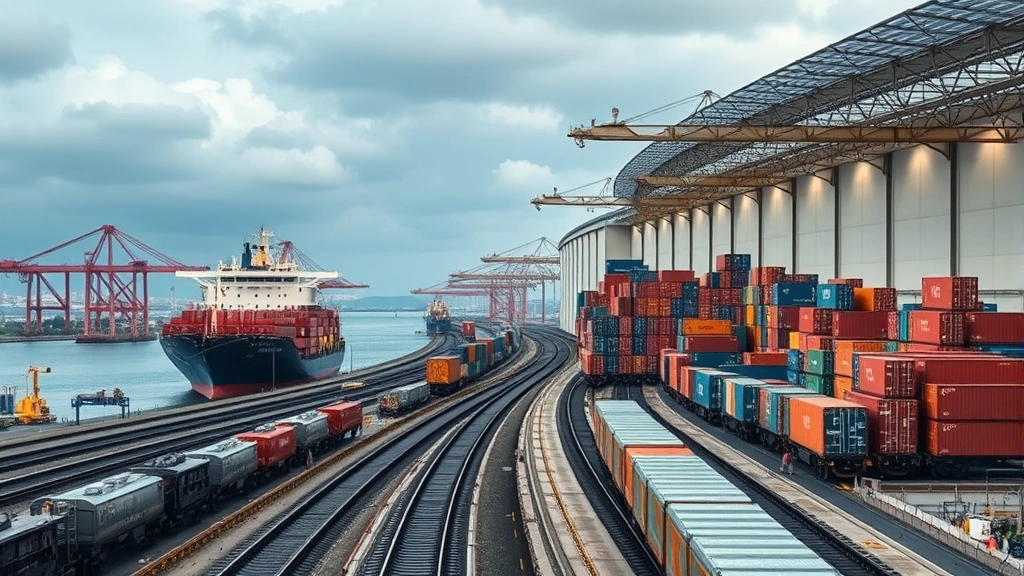
Maritime shipping, while more efficient per ton-kilometer than trucking, concentrates enormous emission volumes in specific routes and ports. Heavy fuel oil combustion in ocean-going vessels produces sulfur dioxide and particulate matter that damage air quality in coastal communities and contribute to acid rain in maritime regions. The International Maritime Organization estimates that shipping generates 2-3% of global CO2 emissions, with projections suggesting this could increase to 10% by 2050 if current trajectories continue.
Air freight represents the most carbon-intensive logistics mode, generating 5-14 times more emissions per ton-kilometer than maritime or rail alternatives. Yet its share of global freight tonnage has expanded as e-commerce demands accelerated delivery times. The trade-off between speed and sustainability creates economic pressures that frequently favor the most environmentally damaging options, particularly for high-value goods and perishable products.
Warehouse operations contribute through energy consumption for climate control, lighting, and material handling equipment. Modern fulfillment centers, optimized for rapid throughput, consume substantial electricity—increasingly from renewable sources in progressive jurisdictions, but still predominantly fossil-fuel dependent in developing regions. Additionally, the reduction of carbon footprints in logistics requires systemic transformation rather than incremental improvements.
Worker Health and Environmental Justice
The logistics work environment embodies profound inequities in exposure to environmental hazards, creating intersecting crises of occupational health and environmental justice. Workers in warehouses, distribution centers, and transportation operations face disproportionate exposure to air pollution, noise, hazardous materials, and physical strain—burdens that fall most heavily on economically vulnerable populations with limited bargaining power.
Warehouse workers experience indoor air quality degradation from diesel particulate matter, volatile organic compounds from cleaning products, and poor ventilation in facilities designed for throughput rather than worker welfare. Epidemiological studies document elevated rates of respiratory illness, asthma, and cardiovascular disease among logistics workers compared to general populations. The problem intensifies in developing nations where occupational safety standards remain minimal and enforcement virtually absent.
Distribution centers and logistics hubs concentrate in lower-income neighborhoods and communities of color, a pattern driven by land cost economics and regulatory capture. These communities experience elevated exposure to diesel emissions, noise pollution, and increased traffic congestion from heavy vehicles. Environmental justice research demonstrates that this spatial pattern is not coincidental but reflects systematic discrimination in land-use planning and zoning decisions that externalize costs onto politically marginalized populations.
The natural environment research council perspectives on environmental health reveal that logistics workers face compounded vulnerabilities. Many positions offer minimal employment protections, irregular scheduling, and wages insufficient for relocation away from polluted areas. Workers simultaneously bear occupational health risks and residential environmental exposure, creating cumulative pollution burdens that generate measurable health disparities.
Temperature control in warehouses presents another occupational hazard, with workers enduring extreme conditions in both heated and refrigerated facilities. Climate change amplification of heat stress creates dangerous working conditions, particularly as extreme heat events become more frequent and intense. Workers in developing regions, where cooling infrastructure is limited and labor protections minimal, face life-threatening heat exposure during logistics operations.
Urban Logistics and Air Quality
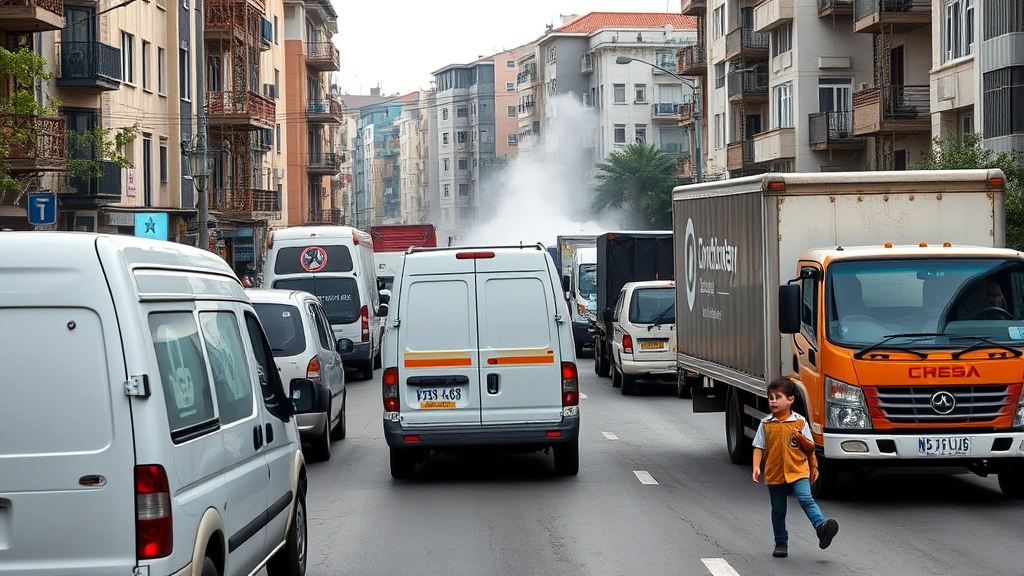
The last-mile logistics problem—delivering packages from distribution centers to final destinations—concentrates environmental impacts in urban areas where population density amplifies exposure. Urban freight movement generates air pollution that directly affects millions of residents, particularly in cities with high e-commerce penetration and aggressive same-day or next-day delivery expectations.
Diesel-powered delivery vehicles, including vans, trucks, and motorcycles, emit nitrogen oxides and particulate matter that exceed EPA standards in many urban corridors. Cities like London, Paris, and Los Angeles have documented exceedances of air quality standards directly attributable to increased freight movement. Children and elderly populations in high-delivery-volume neighborhoods experience elevated respiratory disease rates, with healthcare costs exceeding billions annually across developed nations.
Urban congestion from delivery vehicles creates secondary environmental impacts through idling emissions, reduced traffic flow efficiency, and increased overall vehicle miles traveled. A single package delivery in dense urban areas may involve multiple failed delivery attempts, each generating additional emissions and congestion. The economic externalities of these impacts—healthcare costs, reduced productivity from poor air quality, infrastructure damage—far exceed the cost of the delivery service itself.
The proliferation of micro-fulfillment centers and urban warehouses attempts to address last-mile challenges but creates new problems through land-use intensification and local environmental degradation. These facilities operate in residential neighborhoods, generating 24/7 noise, light pollution, and traffic impacts. Communities adjacent to urban logistics facilities report sleep disruption, stress-related health effects, and reduced property values despite nominal economic benefits from employment.
Economic Incentives for Sustainable Logistics
From an ecological economics perspective, the fundamental problem with current logistics systems is the absence of price signals that reflect environmental and social costs. Carbon emissions, habitat destruction, and health impacts remain externalized—costs borne by society and ecosystems rather than reflected in transportation prices. This creates perverse economic incentives that favor the most environmentally damaging options.
Internalizing these costs through carbon pricing, congestion charges, and environmental impact fees would fundamentally restructure logistics optimization. When external costs are reflected in prices, overnight delivery becomes prohibitively expensive, consolidation of shipments becomes economically rational, and modal shifts toward lower-carbon transportation modes become competitive. Research from ecological economics institutes demonstrates that carbon pricing sufficient to reflect true climate damages would reduce logistics emissions by 30-50% through behavioral and technological changes.
The World Bank has documented that transportation subsidies—through underpriced fuel, free road access, and minimal environmental regulations—exceed $500 billion annually globally, effectively paying companies to optimize for environmental destruction. Removing these subsidies and implementing true-cost pricing would immediately improve logistics system efficiency while reducing environmental impacts. However, political economy challenges make this transition difficult, as incumbent industries lobby intensively against cost internalization.
Economic analysis reveals that sustainable logistics investments often generate positive returns through operational efficiency gains. Optimized routing reduces fuel consumption, vehicle wear, and driver fatigue, improving both profitability and worker conditions. Modal consolidation toward rail and maritime transport reduces per-unit costs while dramatically lowering emissions. Fleet electrification, while requiring capital investment, generates fuel cost savings that repay investment within vehicle lifespans while eliminating local air pollution.
The challenge lies in aligning individual company incentives with systemic sustainability. Firms that invest in sustainable logistics without competitors doing likewise face competitive disadvantage, creating a collective action problem. Policy intervention through regulation, tax incentives, and mandatory standards provides mechanisms to overcome this coordination failure. Companies that have implemented comprehensive sustainability initiatives—including renewable energy, efficient routing, and modal optimization—demonstrate that profitability and environmental responsibility are compatible objectives.
Technological Solutions and Innovation
Emerging technologies offer significant potential for reducing logistics environmental impacts, though technological solutions alone cannot achieve necessary emissions reductions without accompanying systemic changes. Electric vehicles, autonomous routing optimization, and alternative fuels represent important tools within a broader transformation agenda.
Battery electric vehicles (BEVs) for last-mile delivery have achieved commercial viability in many urban markets, with total cost of ownership competitive with diesel vehicles when accounting for fuel and maintenance savings. However, BEV adoption remains constrained by charging infrastructure limitations, upfront capital costs, and performance limitations for long-haul applications. Current BEV technology is appropriate for urban delivery but inadequate for long-distance trucking, where hydrogen fuel cells or sustainable aviation fuels may offer pathways.
Artificial intelligence and machine learning applications to logistics optimization can reduce empty miles, consolidate shipments, and optimize routing to minimize fuel consumption. Some estimates suggest AI-driven optimization could reduce logistics emissions by 10-15% with existing vehicle fleets, primarily through improved utilization rates. However, these gains risk being offset by increased total shipment volumes if optimization enables further e-commerce expansion without demand-side behavioral change.
Blockchain and supply chain transparency technologies enable better tracking of environmental impacts throughout logistics networks, supporting informed consumer decision-making and corporate accountability. When consumers can visualize carbon costs of delivery options and choose slower, lower-impact alternatives, demand-side pressures for sustainable logistics increase. However, transparency alone proves insufficient without pricing mechanisms that reflect environmental costs.
Autonomous vehicles present complex environmental implications. Fully autonomous trucks could improve safety and efficiency but risk inducing demand for increased freight movement through reduced labor costs. Autonomous systems optimized for economic efficiency without environmental constraints could increase overall transportation volumes and ecosystem impacts despite per-unit efficiency gains. Beneficial outcomes require deliberate policy design to ensure autonomous logistics advances environmental sustainability rather than undermining it.
Policy Frameworks and Regulatory Evolution
Effective policy responses to logistics environmental impacts require integrated approaches addressing emissions, habitat protection, air quality, and worker protection simultaneously. Current regulatory frameworks typically address these issues separately, creating inconsistencies and missed opportunities for synergistic solutions.
Carbon pricing mechanisms, including emissions trading systems and carbon taxes, provide economic incentives for logistics optimization. The European Union’s inclusion of maritime shipping in its emissions trading system and implementation of vehicle CO2 standards have demonstrably reduced emissions from transport sectors. However, carbon pricing alone proves insufficient without complementary policies addressing other environmental impacts like habitat fragmentation and air pollution.
Land-use planning and zoning regulations that restrict warehouse development in ecologically sensitive areas and require environmental impact assessments protect habitat while improving logistics network efficiency through better spatial planning. Cities implementing comprehensive freight planning—including consolidation centers, delivery time windows, and modal incentives—have achieved 20-30% reductions in last-mile delivery emissions while improving air quality and reducing congestion.
Regulatory standards for vehicle emissions, including Euro 6 standards in Europe and EPA standards in the United States, have driven technological improvements in combustion efficiency and pollution control. However, these standards address only tailpipe emissions and ignore upstream supply chain impacts and full lifecycle environmental costs. Comprehensive environmental standards incorporating lifecycle analysis would drive more fundamental system changes.
Worker protection regulations ensuring safe working conditions, living wages, and employment stability address the environmental justice dimensions of logistics. When workers can afford housing away from polluted areas and have schedule predictability for healthcare and personal development, environmental health equity improves. However, regulatory enforcement remains weak in many jurisdictions, particularly in developing nations where logistics growth is most rapid.
International cooperation through mechanisms like the United Nations Environment Programme enables coordination of logistics sustainability standards across borders, preventing regulatory arbitrage where companies relocate operations to jurisdictions with minimal environmental requirements. Harmonized international standards for vehicle emissions, supply chain transparency, and worker protection create level playing fields while achieving environmental objectives.
Research institutions and think tanks, including the World Bank Transportation Division, provide evidence bases for policy design through rigorous analysis of logistics system impacts and intervention effectiveness. Ecological economics journals publish peer-reviewed research examining the complex relationships between logistics systems and natural capital. Policy makers increasingly rely on this evidence to justify investments in sustainable logistics infrastructure and regulation.
FAQ
How much does logistics contribute to global greenhouse gas emissions?
Logistics and transportation collectively generate 8-10% of global greenhouse gas emissions, with freight transportation representing approximately 55% of this total. This figure includes direct emissions from vehicles, energy consumption in warehouses and distribution centers, and upstream supply chain impacts. Some analyses suggest true figures are 15-20% when including all indirect and induced emissions.
What are the primary environmental impacts of warehouse and distribution center development?
Warehouse development creates habitat loss, soil compaction, stormwater runoff impacts, light and noise pollution, and energy consumption. These facilities typically occupy 1,000+ acres of previously undeveloped land, fragmenting ecosystems and disrupting wildlife. The 24/7 operations of modern fulfillment centers generate continuous environmental disturbance across all temporal scales.
How does air quality in communities near logistics hubs compare to other areas?
Communities adjacent to major logistics facilities experience air pollution levels 30-50% higher than regional averages, primarily from diesel emissions. Children in high-delivery-volume neighborhoods show elevated asthma rates, and elderly populations experience increased cardiovascular disease mortality. Environmental justice research documents that these impacts concentrate in low-income communities of color.
Which transportation modes have the lowest environmental impact per ton-kilometer?
Rail and maritime shipping have the lowest environmental impact per ton-kilometer, followed by trucking and lastly aviation. Maritime shipping generates approximately 0.01 kg CO2 per ton-km, while air freight generates 0.5-1.0 kg CO2 per ton-km. However, total system impacts depend on consolidation rates, distance traveled, and infrastructure requirements.
Can technology alone solve logistics environmental problems?
Technology provides important tools for reducing logistics impacts but cannot achieve necessary environmental improvements without accompanying systemic changes. Electric vehicles, optimization algorithms, and renewable energy sources reduce environmental intensity but risk being offset by increased total logistics volumes. Sustainable logistics requires integrated approaches combining technology, policy, and demand-side behavior change.
What policies have proven most effective at reducing logistics emissions?
Effective policies include carbon pricing mechanisms, vehicle emission standards, comprehensive freight planning, worker protection regulations, and habitat protection requirements. Integrated approaches addressing multiple environmental dimensions simultaneously prove more effective than single-issue policies. Cities implementing comprehensive freight plans have achieved 20-30% last-mile emission reductions within 5-10 years.
How does the renewable energy transition affect logistics sustainability?
Renewable energy integration reduces warehouse and facility operational emissions, though it cannot address transportation sector challenges without electrification. Electric vehicle charging powered by renewable energy eliminates tailpipe emissions but requires substantial grid expansion. Renewable energy alone proves insufficient without modal shifts toward lower-energy transportation modes and demand reduction.
What role do consumers play in logistics environmental impacts?
Consumer demand for rapid delivery, free shipping, and convenient returns drives logistics system expansion and optimization for speed rather than sustainability. When consumers choose slower delivery options, consolidate purchases, and accept longer delivery windows, logistics environmental impacts decrease substantially. Consumer preferences, shaped by pricing and availability, fundamentally determine logistics system configuration.


