Is Green Energy Boosting Economies? Expert Insights
The global transition to green energy represents one of the most significant economic transformations of our time. As governments and corporations worldwide commit to decarbonization targets, a critical question emerges: does renewable energy actually strengthen economies, or does it merely represent a costly environmental imperative? Recent data suggests the answer is far more nuanced and economically favorable than skeptics once believed. The International Energy Agency reports that renewable energy investments now exceed fossil fuel investments globally, signaling a fundamental market shift driven by both environmental necessity and economic opportunity.
The relationship between green energy adoption and economic growth challenges conventional wisdom about the trade-off between environmental protection and prosperity. Rather than viewing renewable energy as an economic drag, mounting evidence demonstrates that clean energy transitions generate substantial job creation, technological innovation, and long-term cost savings. This comprehensive analysis examines the economic mechanisms through which green energy boosts economies, explores regional variations in implementation success, and addresses the legitimate concerns about transitional challenges that workers and communities face during energy system transformations.
The Economic Case for Green Energy Expansion
Green energy’s economic benefits extend far beyond simple cost calculations. The fundamental economic argument rests on three pillars: externality correction, technological learning curves, and systemic efficiency gains. Traditional fossil fuel pricing fails to account for environmental and health costs—air pollution, climate change impacts, and ecosystem degradation—which economists call negative externalities. When governments implement carbon pricing or renewable energy subsidies, they move toward more accurate price signals that reflect true economic costs.
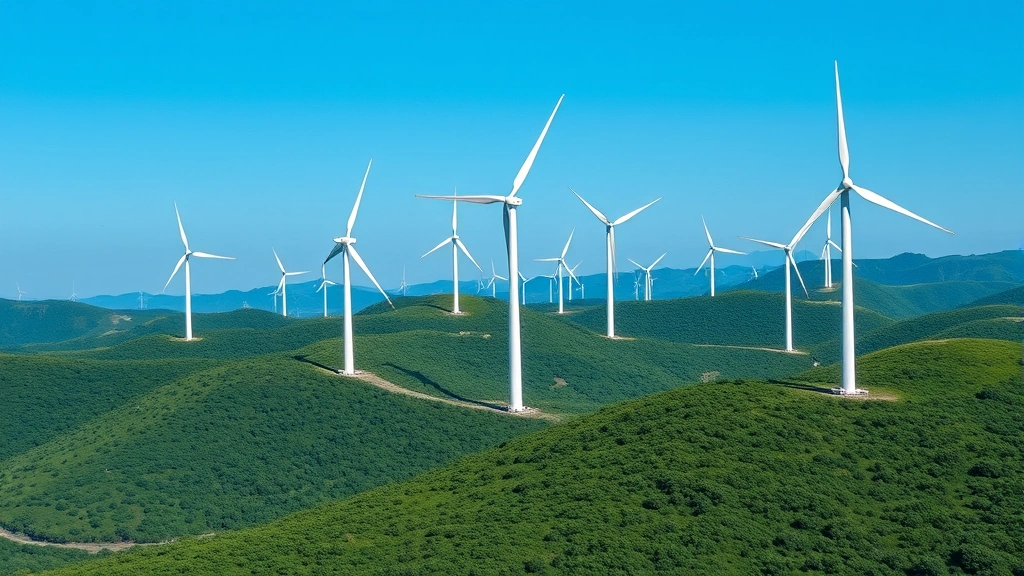
The learning curve effect demonstrates that renewable energy technologies become increasingly cost-effective as production scales. Solar photovoltaic costs have declined 90 percent over the past decade, while wind turbine efficiency has improved dramatically. This cost reduction trajectory differs fundamentally from fossil fuels, whose extraction becomes progressively more expensive as accessible reserves deplete. The International Energy Agency projects that solar and wind will remain the cheapest electricity sources in most markets through 2050, creating permanent economic advantages for early adopters.
Understanding human environment interaction proves essential for appreciating how economic systems depend on ecological stability. Green energy transitions reduce the risk of climate-related economic shocks—extreme weather events, agricultural disruptions, and infrastructure damage—that increasingly threaten financial stability. Central banks and financial institutions now recognize climate change as a systemic economic risk, making green energy adoption a rational economic strategy rather than merely an environmental choice.
Job Creation and Labor Market Dynamics
Employment generation represents one of green energy’s most tangible economic benefits. The renewable energy sector now employs more workers than fossil fuel industries in most developed economies. According to the International Renewable Energy Agency, renewable energy employment reached 12.7 million jobs globally in 2021, with solar and wind accounting for the majority. This growth trajectory continues accelerating as capacity expands and manufacturing scales.
The quality and distribution of green energy employment merit careful analysis. Renewable energy jobs span manufacturing, installation, maintenance, grid modernization, and research sectors. These positions typically offer competitive wages, require technical skills, and cannot be outsourced—solar panels must be installed locally, wind turbines require on-site maintenance. Manufacturing jobs in battery production and renewable equipment represent opportunities for industrial revitalization in regions previously dependent on coal or oil industries.
However, the transition creates legitimate challenges for workers in declining fossil fuel sectors. A comprehensive approach to green energy economics must address retraining programs, pension protections, and community development support. Some regions experience what observers term a toxic work environment meme mentality regarding energy transitions, where workers fear displacement without adequate support systems. Successful economies implement just transition policies—wage guarantees, education programs, and economic diversification initiatives—that ensure energy transitions benefit rather than harm working communities.
The multiplier effects of renewable energy employment extend throughout local economies. Workers employed in solar installation and wind maintenance spend wages locally, supporting retail, housing, and service sectors. Manufacturing facilities attract supply chain businesses and create indirect employment. Research suggests that renewable energy jobs generate higher local economic multipliers than fossil fuel extraction, as energy production remains within communities rather than enriching distant corporate headquarters and shareholders.
Renewable Energy Cost Trajectories and Market Competitiveness
Cost analysis fundamentally transforms the green energy debate from environmental necessity to economic rationality. Levelized cost of electricity (LCOE)—the average cost per unit of electricity generated over an asset’s lifetime—demonstrates renewable energy’s growing competitiveness. New solar and wind installations now cost less than operating existing coal plants in many markets, meaning electricity from new renewables costs less than continuing fossil fuel generation.
This economic transition accelerates as battery storage costs decline. Energy storage enables renewable integration at grid scale, solving intermittency challenges that previously limited clean energy deployment. Battery pack costs have fallen 89 percent since 2010, and further reductions appear probable. Combined with solar and wind generation, battery storage creates fully dispatchable renewable energy systems—capable of providing electricity on-demand—at costs approaching or matching fossil fuel alternatives.
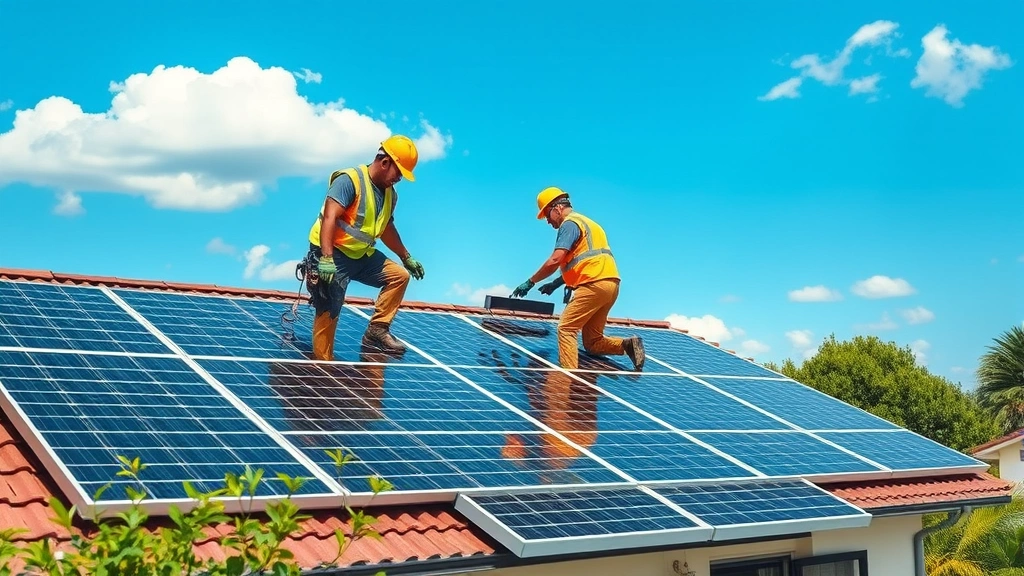
The renewable energy for homes segment demonstrates how distributed generation reduces transmission losses and increases system efficiency. Residential solar installations provide homeowners with 20-30 year cost savings while increasing property values. Grid-scale renewable projects require massive upfront capital but generate electricity for 40+ years with minimal operating costs, creating exceptional long-term returns on investment.
Capital cost structures differ significantly between renewable and fossil fuel systems. Renewables require high upfront investment but minimal fuel costs; fossil fuels require continuous fuel purchases throughout operational life. This structure favors renewables in markets with low capital costs and stable long-term price expectations. Developing economies face higher capital cost barriers but benefit enormously from eliminating fuel import expenses—renewable energy transitions strengthen national balance sheets by reducing energy imports.
Investment Flows and Capital Allocation
Global capital markets increasingly recognize green energy as the future of power generation. In 2022, renewable energy investments exceeded $500 billion globally, with institutional investors, pension funds, and development banks prioritizing clean energy projects. This capital reallocation reflects both environmental commitments and financial analysis suggesting superior long-term returns in renewable infrastructure.
The transition creates substantial opportunities for financial innovation. Green bonds—debt securities funding environmental projects—have grown exponentially, enabling capital mobilization at lower costs than traditional infrastructure financing. Blended finance structures combining public and private capital reduce risk for private investors, accelerating capital flows to renewable projects in developing regions. Climate finance mechanisms direct resources toward countries most vulnerable to climate change but least responsible for historical emissions.
However, capital allocation patterns reveal concerning inequities. Developed economies capture disproportionate renewable investment despite developing nations offering superior solar and wind resources. Investment barriers include political risk, currency fluctuations, and limited financial infrastructure. Addressing these disparities requires international cooperation and financial system reforms that democratize access to capital for clean energy transitions. The World Bank and multilateral development banks increasingly prioritize renewable energy financing as essential for sustainable development.
Regional Economic Impacts and Development Opportunities
Green energy’s economic impacts vary dramatically across regions based on existing energy systems, natural resources, and development stages. Countries with abundant solar and wind resources—Chile, Morocco, India, Brazil—can leverage renewable advantages for competitive industrial development and export opportunities. These nations attract manufacturing investment in battery production, renewable equipment, and energy-intensive industries powered by cheap clean electricity.
Island economies and remote regions experience particularly transformative benefits from renewable energy transitions. Diesel-dependent communities pay premium prices for imported fuel; renewable transitions reduce energy costs dramatically while improving energy security. Caribbean nations and Pacific island states pursue 100 percent renewable energy targets partly for economic reasons—reducing fuel import bills frees capital for education, healthcare, and infrastructure development.
Industrial competitiveness increasingly depends on clean energy access. Data centers, semiconductor manufacturing, and other energy-intensive industries prioritize locations with abundant renewable energy and low-carbon electricity. Companies pursuing net-zero emissions targets seek suppliers with clean energy credentials, creating market advantages for renewable-powered economies. This dynamic reverses historical patterns where fossil fuel abundance determined industrial location.
The how to reduce carbon footprint imperative at corporate and national levels drives renewable energy adoption as competitive strategy. First-mover advantages accrue to nations and companies establishing renewable energy leadership. Germany’s Energiewende (energy transition) initially appeared economically risky but positioned the nation as a renewable technology leader, generating export revenues and manufacturing employment that offset transition costs.
Challenges in the Energy Transition
Acknowledging green energy’s genuine economic challenges demonstrates analytical rigor. Grid integration complexities require substantial investment in transmission infrastructure, smart grid technologies, and demand-side management systems. These costs, while economically justified, represent real near-term expenditures before long-term savings materialize. Communities dependent on coal mining face immediate job losses before renewable energy employment fully develops, creating temporal mismatches between costs and benefits.
Supply chain vulnerabilities in renewable manufacturing merit serious attention. Solar panel production concentrates in China, creating geopolitical risks. Critical minerals for battery production—lithium, cobalt, nickel—face supply constraints and pricing volatility. Mining environmental impacts, labor standards, and resource conflicts in extraction regions demand scrutiny. Sustainable green energy transitions require attention to supply chain ethics, not merely decarbonization metrics.
Energy transition financing challenges particularly affect developing nations. While renewable energy costs decline, capital requirements for grid modernization, storage deployment, and industrial transformation remain substantial. Debt sustainability concerns limit borrowing capacity for energy infrastructure. International financial architecture reforms are necessary to provide concessional financing and risk guarantees enabling equitable global energy transitions.
The sustainable fashion brands example illustrates how green transitions extend beyond energy systems. Comprehensive decarbonization requires simultaneous transformations across transportation, agriculture, industry, and consumption patterns. Piecemeal approaches that prioritize electricity decarbonization while ignoring other sectors achieve incomplete emissions reductions and miss integrated economic optimization opportunities.
Future Economic Outlook for Green Energy
Forward-looking economic analysis suggests accelerating green energy growth driven by cost competitiveness, technological advancement, and climate policy implementation. Bloomberg NEF projects that renewable energy will supply 80 percent of global electricity by 2050 under current policy trajectories, with further acceleration if climate commitments strengthen. This transformation represents the largest energy system shift since electrification, with profound economic implications.
Emerging technologies promise additional economic opportunities. Green hydrogen production—using renewable electricity to generate hydrogen fuel—enables decarbonization of aviation, shipping, and industrial heat. Hydrogen economy development creates new industries, manufacturing opportunities, and export possibilities for renewable-rich nations. Fusion energy research, though commercially immature, represents potential long-term breakthrough technology reshaping energy economics fundamentally.
The economic transition toward green energy intertwines with broader shifts toward circular economy models, regenerative agriculture, and sustainable industrial systems. These transitions create interdependencies where renewable energy enables broader sustainability transformations while those transformations increase renewable energy demand. Understanding these systemic interactions proves essential for comprehensive economic analysis.
Investment in renewable energy infrastructure provides counter-cyclical stimulus during economic downturns, supporting employment while building productive capacity for future growth. Green energy transitions align with long-term development needs in emerging economies, offering pathways toward energy access, industrial development, and poverty reduction simultaneously. UNEP’s emissions gap reports consistently demonstrate that clean energy transitions are economically feasible and increasingly cost-effective.
FAQ
Does green energy create more jobs than fossil fuel industries?
Yes, renewable energy employment now exceeds fossil fuel employment in most developed economies. Solar and wind sectors employ workers across manufacturing, installation, maintenance, and grid modernization. These jobs typically require technical skills, offer competitive wages, and cannot be outsourced. However, employment transitions require support systems for workers in declining fossil fuel sectors.
Why are renewable energy costs declining while fossil fuel costs remain stable?
Renewable energy benefits from learning curve effects—costs decline as production scales and technology improves. Fossil fuels face opposite dynamics: extraction becomes progressively more expensive as accessible reserves deplete. Additionally, fossil fuel prices externalize environmental and health costs not reflected in market prices, while renewable energy increasingly internalizes all production costs.
Can renewable energy power modern industrial economies reliably?
Yes, with modern grid integration, energy storage, and demand management technologies. Battery storage enables renewable integration at grid scale, solving intermittency challenges. Countries like Denmark (80 percent wind) and Costa Rica (99 percent renewable) demonstrate technical feasibility. Challenges remain in some regions but are primarily technical and economic, not fundamental physics limitations.
What are the main barriers to renewable energy adoption in developing countries?
Capital constraints represent the primary barrier—renewable infrastructure requires substantial upfront investment despite low operating costs. Developing nations face higher capital costs due to limited access to concessional financing and higher perceived investment risks. Political instability, currency volatility, and limited technical expertise also slow deployment. International financial reforms and technology transfer programs address these barriers.
How does green energy transition affect energy prices for consumers?
Long-term energy price impacts are positive—renewable electricity costs less than fossil fuels over asset lifetimes. However, transition periods involve infrastructure investments and grid modernization costs potentially increasing short-term prices. Successful transitions implement policies ensuring cost benefits distribute equitably across income groups, preventing energy poverty during transitions.


