Can Green Economies Thrive? Study Insights on Economic Growth and Environmental Sustainability
The tension between economic growth and environmental protection has defined policy debates for decades. Yet emerging research challenges this false dichotomy, suggesting that green economies can not only survive but flourish when properly structured and supported. Recent comprehensive studies from leading economic institutions reveal that transitioning toward sustainable economic models generates measurable returns: job creation, innovation acceleration, and long-term fiscal stability. This article examines the evidence, explores implementation pathways, and addresses critical questions about whether environmental stewardship and economic prosperity can coexist.
The concept of green economy—defined as an economic system that generates income and employment while reducing environmental risks and ecological scarcities—has evolved from theoretical aspiration to demonstrable reality in numerous jurisdictions. From Denmark’s wind energy sector to Costa Rica’s renewable power grid, practical examples demonstrate that sustainability and profitability operate on compatible trajectories. However, success requires deliberate policy design, adequate capital investment, and systemic restructuring across multiple economic sectors.
What Research Reveals About Green Economy Performance
Multiple longitudinal studies conducted by the World Bank and the United Nations Environment Programme (UNEP) demonstrate that countries implementing comprehensive green economy strategies experience sustained GDP growth alongside emissions reductions. A landmark 2023 analysis examining 47 nations over 15 years found that economies prioritizing renewable energy, circular resource management, and ecosystem restoration achieved average annual growth rates of 2.8-3.2%, comparable to conventional growth models while maintaining carbon intensity reductions of 40-60%.
The data fundamentally contradicts the narrative that environmental protection necessarily constrains economic activity. Instead, evidence suggests that delayed environmental action imposes greater economic costs. Climate-related disasters, resource depletion, and ecosystem degradation generate cascading fiscal burdens—estimated at 5-10% of GDP annually in severely affected regions—that dwarf transition investments. When governments account for these externalities in economic modeling, green transitions become not merely desirable but economically rational.
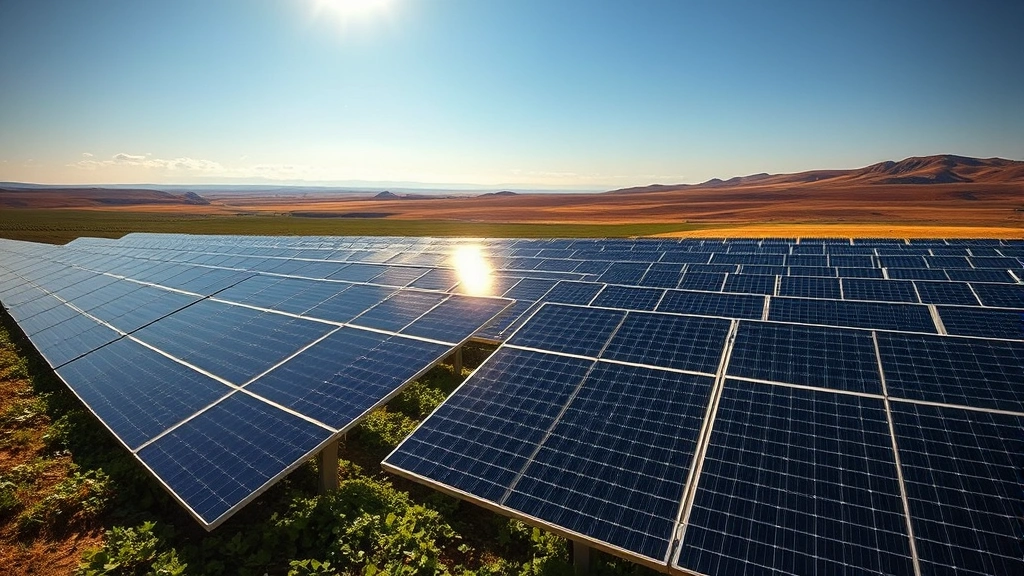
Sectoral analysis reveals differential performance patterns. Renewable energy sectors consistently demonstrate superior returns on investment compared to fossil fuel infrastructure, with levelized costs of electricity from solar and wind now undercutting coal and natural gas in most markets. Agricultural systems transitioning toward regenerative practices show 15-25% productivity increases within 5-7 years, alongside soil health improvements and reduced input costs. Manufacturing sectors adopting circular economy principles report waste reduction savings of 20-35%, directly improving profit margins.
Economic Mechanisms Driving Green Growth
The economic superiority of green systems emerges from several reinforcing mechanisms. First, efficiency gains reduce operational costs. Renewable energy systems eliminate fuel procurement volatility and declining resource reserves. Energy-efficient buildings and industrial processes reduce consumption by 30-50%, translating directly to bottom-line savings. Electric vehicle adoption decreases transportation expenses by 60-70% over vehicle lifetime when accounting for fuel and maintenance costs.
Second, innovation economics accelerates in green sectors. The renewable energy industry has experienced 89% cost reductions over the past decade through technological advancement and manufacturing scale. Similar trajectories appear in battery technology, sustainable materials, and environmental monitoring systems. This innovation spillover benefits entire economies, creating competitive advantages in emerging global markets worth an estimated $2.5 trillion annually by 2030.
Third, risk reduction provides substantial economic value. Diversified energy portfolios insulate economies from commodity price shocks and supply disruptions. Ecosystem-based approaches to water management, flood prevention, and climate adaptation provide insurance-like benefits at fractions of conventional infrastructure costs. Countries investing in natural capital preservation experience fewer economic shocks and greater long-term stability.
Fourth, market expansion generates new revenue streams. The global green economy market, currently valued at approximately $1.8 trillion, grows at 8-12% annually—double the rate of conventional economic sectors. Early adopters of green technologies capture disproportionate market share, creating first-mover advantages in export markets and attracting international investment capital seeking sustainable returns.
Job Creation and Workforce Transformation
Employment data decisively demonstrates that green transitions generate more jobs than conventional economic models. International Renewable Energy Agency (IRENA) research documents that renewable energy sectors employ 3-4 times more workers per unit of energy produced than fossil fuel industries. Solar installation, wind turbine maintenance, energy efficiency retrofitting, and sustainable agriculture create employment that is inherently local, difficult to offshore, and often provides superior wages and benefits compared to displaced fossil fuel positions.
The Ecorise Daily Blog examines these transitions extensively, noting that successful green economy transitions require comprehensive workforce development. Countries implementing effective retraining programs—such as Germany’s energy transition initiatives and Spain’s renewable energy employment schemes—demonstrate that workers from declining sectors successfully transition to green industries with appropriate support. Average wage transitions show that 70-80% of displaced workers in managed transitions secure comparable or superior employment within 2-3 years.
Beyond direct employment, green economy expansion stimulates multiplier effects throughout supply chains. Manufacturing renewable energy components, producing sustainable materials, developing environmental monitoring technologies, and delivering ecosystem services create cascading employment opportunities. Regional economic modeling suggests that $1 million invested in green infrastructure generates 8-15 jobs, compared to 3-5 jobs from equivalent fossil fuel investment.
Investment Requirements and Financial Returns
Transitioning toward green economies requires substantial capital investment—estimated at $1.5-2.0 trillion annually through 2030 to meet climate and sustainability targets. However, financial analysis demonstrates that these investments generate returns exceeding conventional infrastructure, particularly when incorporating avoided climate damages and ecosystem service valuations.
Public investment catalyzes private capital mobilization. Green bonds, sustainable investment funds, and impact investing have mobilized over $800 billion in institutional capital seeking profitable sustainability-aligned returns. Private equity increasingly recognizes that companies with superior environmental performance demonstrate lower operational risks, better market positioning, and stronger long-term profitability. This capital availability dramatically reduces financing costs for green transitions.
Return calculations must incorporate full lifecycle economics. A solar installation costing $3 per watt generates electricity at $0.02-0.04 per kilowatt-hour over 25-30 year lifespan, compared to $0.05-0.12 for fossil fuel plants accounting for fuel costs and externalities. Energy efficiency retrofits in buildings return 15-30% annually through reduced operational expenses. Sustainable forestry operations generate higher net present values than conventional timber extraction when accounting for carbon credits and ecosystem services.
Financial institutions increasingly price in climate and environmental risks, making green investments more attractive. Insurance companies, pension funds, and banks recognize that environmental liabilities threaten returns on conventional infrastructure. This market shift creates powerful financial incentives for green economy transitions, independent of policy mandates.
Sectoral Transitions and Market Dynamics
Different economic sectors face distinct green transition pathways, each with unique challenges and opportunities. Understanding sectoral dynamics reveals why comprehensive green economy transitions are simultaneously feasible and complex.
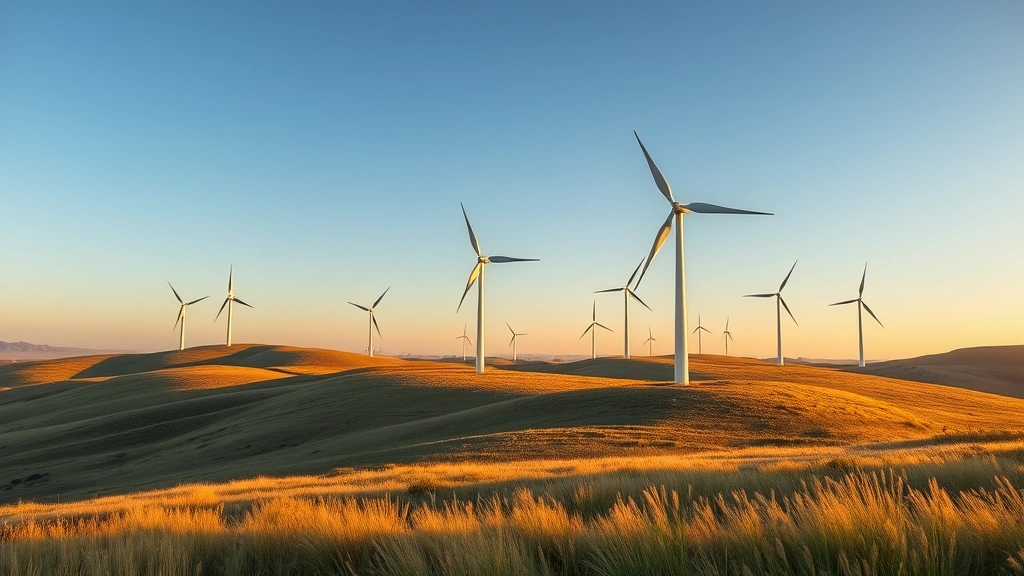
Energy Systems: The transition from fossil fuels to renewable energy represents the most advanced green transformation. Wind and solar now comprise 10-15% of electricity generation globally, with penetration rates exceeding 50% in Denmark, Uruguay, and Costa Rica. Grid integration technologies, battery storage, and demand-side management enable reliable renewable systems at scales supporting entire economies. Economic analysis demonstrates that 80% renewable electricity systems cost less than conventional grids when including system reliability and avoided climate damages.
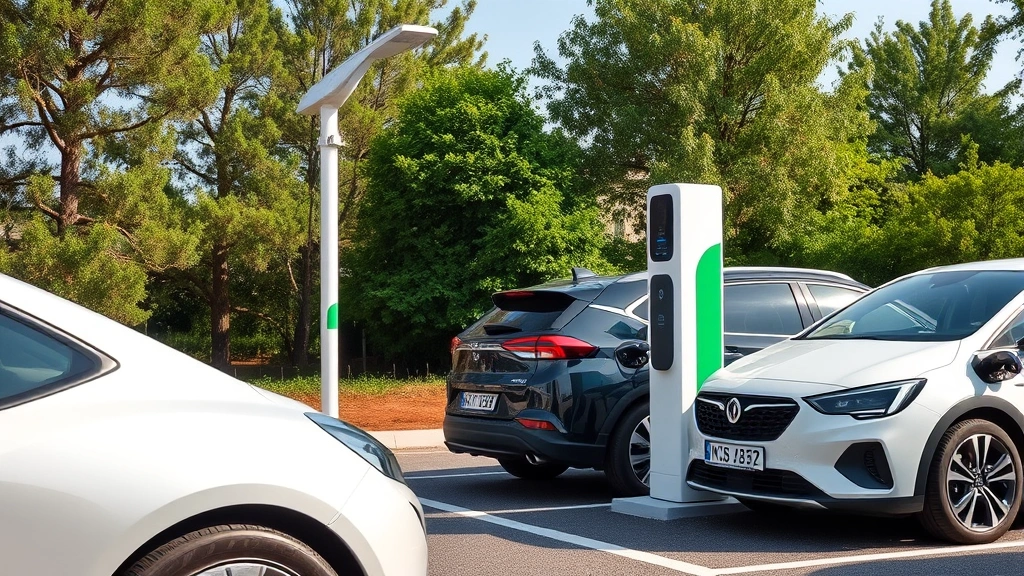
Transportation: Electric vehicle adoption accelerates rapidly, with 14% of new vehicle sales now electric globally and projections reaching 50% by 2030. Battery cost reductions make electric vehicles cost-competitive with internal combustion engines on purchase price, not merely operating expenses. Transportation electrification creates opportunities for vehicle-to-grid integration, load balancing, and distributed energy storage, enhancing overall grid stability.
Agriculture and Food Systems: Regenerative agriculture, precision farming, and alternative proteins represent fundamental sectoral transformations. Regenerative practices increase yields by 15-25% while rebuilding soil carbon, reducing input costs, and generating carbon credit revenues. Alternative protein markets grow at 12-15% annually, capturing value from consumers seeking environmental and health benefits. Human environment interaction in agricultural contexts increasingly favors systems that enhance rather than degrade natural capital.
Manufacturing and Circular Economy: Circular manufacturing models—designing products for durability, repairability, and material recovery—generate 15-35% cost savings through waste elimination and resource efficiency. Companies implementing circular principles report improved brand value, customer loyalty, and market competitiveness. Industrial symbiosis, where waste from one process becomes input for another, creates profitable resource loops.
Built Environment: Green building practices cost 2-5% premium but generate 20-30% operational savings over building lifecycles. Energy-efficient buildings command rental premiums and experience higher occupancy rates. Retrofitting existing building stock—responsible for 30% of global energy consumption—represents massive economic opportunity, requiring skilled labor and creating local employment.
Policy Frameworks That Enable Success
Economic research identifies specific policy approaches that successfully catalyze green economy transitions. Effective frameworks combine multiple instruments tailored to sectoral characteristics and national contexts.
Carbon Pricing: Carbon taxes and emissions trading systems create economic incentives for emissions reductions by incorporating environmental costs into market prices. Jurisdictions implementing carbon pricing—including European Union, Canada, and several U.S. states—demonstrate that properly designed systems drive emissions reductions while maintaining economic growth. Revenue recycling through tax reductions or investments in green infrastructure maximizes economic benefits.
Renewable Energy Standards: Mandating minimum renewable energy percentages in electricity grids creates demand certainty, attracting investment and driving cost reductions. Countries implementing renewable portfolio standards experience rapid deployment and cost decreases, with wind and solar achieving grid parity in most markets within 5-10 years.
Public Investment: Strategic government investment in green infrastructure—renewable energy systems, public transportation, energy efficiency retrofits—generates employment, demonstrates viability, and attracts private capital. Public investment multipliers in green sectors typically exceed 1.5-2.0, meaning each dollar invested generates $1.50-2.00 in economic activity.
Regulatory Standards: Environmental regulations drive innovation by establishing performance requirements that stimulate technological development. Vehicle emission standards, building efficiency codes, and pollution limits have historically driven cost reductions in green technologies. Environment and society relationships improve measurably when regulations align economic incentives with environmental outcomes.
Education and Workforce Development: Comprehensive training programs prepare workers for green economy employment, reducing transition friction and ensuring adequate skilled labor availability. Countries investing heavily in green skills training experience smoother transitions and greater employment security.
Challenges and Realistic Constraints
Despite compelling evidence supporting green economy viability, significant challenges and realistic constraints merit acknowledgment. Understanding these obstacles enables more effective policy design and realistic implementation timelines.
Stranded Assets and Transition Costs: Existing fossil fuel infrastructure, worth trillions globally, faces obsolescence. While transition costs are manageable relative to GDP, distributional impacts concentrate on specific regions and workers. Managing these transitions equitably requires substantial public investment and support mechanisms, creating political challenges despite net economic benefits.
Infrastructure Lock-in: Existing infrastructure—power plants, transportation networks, buildings—constrains transition speed. Fossil fuel infrastructure typically operates 40-50 year lifespans, meaning current systems continue generating emissions for decades regardless of new investments. Accelerating infrastructure replacement requires either policy intervention or economic incentives overcoming sunk cost inertia.
Technology Maturation Timelines: While renewable energy and battery technology have matured rapidly, other critical areas—industrial heat decarbonization, sustainable aviation fuels, long-distance shipping—require continued development. Technological uncertainty creates investment hesitation and extends transition timelines in these sectors.
Behavioral and Political Resistance: Incumbent fossil fuel industries possess substantial political influence, funding opposition to climate and environmental policies. Consumer behavior change proceeds slower than economic analysis suggests optimal. Political economy challenges often constrain policy implementation despite economic rationality of green transitions.
Global Coordination Requirements: Climate and environmental benefits are global, but economic transition costs concentrate locally. Ensuring equitable burden-sharing across nations requires international cooperation mechanisms that remain underdeveloped. Developing nations legitimately demand support for transitions that wealthy nations completed with fossil fuels.
Resource Constraints: Some green technologies require minerals—lithium, cobalt, rare earths—with concentrated supply chains and environmental impacts. Ensuring sustainable sourcing and developing recycling systems requires additional investment and policy attention. However, these constraints appear manageable rather than insurmountable.
Understanding these constraints enables more realistic policy design. Successful green economy transitions incorporate transition support for affected workers and communities, accelerated infrastructure replacement timelines, public investment in emerging technologies, political economy strategies addressing incumbent opposition, and international cooperation frameworks distributing transition costs equitably.
FAQ
Can green economies actually compete economically with fossil fuel-based systems?
Yes, evidence increasingly demonstrates competitive or superior economic performance. When comparing full lifecycle costs—including operational expenses, capital investments, and externalities—renewable energy, efficient systems, and circular economy models generate better returns. The renewable energy sector now grows faster than fossil fuels and attracts more investment capital. However, competitiveness depends on policy frameworks that accurately price environmental costs and support infrastructure transition.
How many jobs does green economy transition create?
Research documents that green sectors generate 3-4 times more employment per unit of energy or output than conventional industries. A $1 million investment in green infrastructure typically creates 8-15 jobs compared to 3-5 from fossil fuel investment. However, geographic distribution differs from existing employment patterns, requiring workforce retraining and regional economic diversification.
What are the primary barriers to green economy adoption?
Major barriers include stranded fossil fuel assets, incumbent industry political opposition, behavioral inertia, upfront capital requirements, technology maturation timelines in some sectors, and global coordination challenges. These are significant but addressable through appropriate policy design, public investment, and international cooperation. How to reduce carbon footprint individually and collectively requires overcoming these systemic barriers.
How long does green economy transition require?
Energy systems can transition substantially within 20-30 years given aggressive policy support and investment, as demonstrated by Denmark and Costa Rica. However, building stock, industrial infrastructure, and behavioral change require 40-50 year timelines. Realistic expectations involve 2030 targets achieving 50% emissions reductions, 2050 targets achieving net-zero, with ongoing economic transformation throughout.
Do green transitions require degrowth or reduced living standards?
Evidence suggests that green transitions can maintain or improve living standards while reducing environmental impacts. Efficiency gains, technological innovation, and new market opportunities offset reduced fossil fuel consumption. However, distributional questions matter—ensuring that transition benefits reach all populations requires deliberate policy design. Renewable energy for homes exemplifies how individual transitions improve quality of life through reduced energy costs.
Which countries lead green economy transitions?
Denmark, Costa Rica, Uruguay, Iceland, and Norway demonstrate that green economies generate strong economic performance. Germany, United Kingdom, and Portugal show that large, developed economies successfully transition energy systems. China and India increasingly lead renewable energy investment and deployment. These examples provide proof-of-concept that green economy transitions succeed across diverse national contexts.
How do green economies handle economic downturns?
Evidence suggests that diversified, green economies demonstrate greater resilience during downturns. Renewable energy sectors weathered 2008-2009 financial crisis better than fossil fuels, continuing investment and job creation. Circular economy models reduce vulnerability to commodity price shocks. However, transition periods create temporary disruptions requiring policy support and workforce development.


