How Green Economies Boost GDP: Study Insights
The relationship between environmental sustainability and economic growth has evolved from theoretical debate to empirical reality. Recent research demonstrates that green economy transitions not only preserve the living environment but actively enhance gross domestic product through job creation, innovation, and resource efficiency. This paradigm shift challenges the outdated assumption that environmental protection and economic prosperity are mutually exclusive.
Understanding how the living environment integrates with economic systems requires examining multiple dimensions: renewable energy deployment, circular economy models, ecosystem service valuation, and sustainable consumption patterns. When nations invest in green infrastructure and environmental stewardship, they unlock measurable economic returns while simultaneously reducing ecological degradation and climate risks.
The Economic Case for Green Transitions
Contemporary economic analysis reveals that environmental degradation represents a hidden cost to traditional GDP calculations. When we account for natural capital depletion, pollution externalities, and climate damages, conventional growth metrics significantly overstate actual economic progress. Green economy frameworks correct this accounting error by integrating environmental and social costs into economic decision-making.
Research from the World Bank indicates that countries transitioning toward green economies experience sustained GDP growth while reducing carbon emissions. The mechanism operates through several pathways: improved resource productivity means businesses achieve more output per unit of input; reduced health costs from pollution decrease public expenditures; and enhanced ecosystem resilience protects productive assets like fisheries and agricultural lands.
The human environment interaction within green economy models fundamentally shifts how societies organize production and consumption. Rather than treating nature as an infinite resource sink, green economic systems recognize environmental limits and design prosperity within planetary boundaries. This approach generates competitive advantages through innovation, efficiency, and risk reduction.
GDP Growth Through Renewable Energy Investment
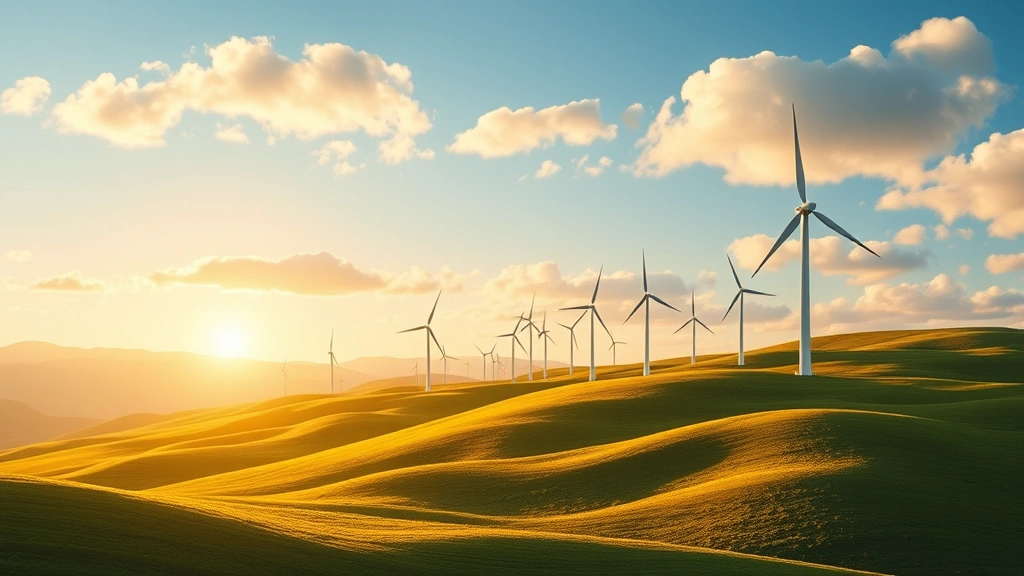
Renewable energy represents the most quantifiable pathway through which green economies boost GDP. Global renewable energy investment reached $495 billion in 2023, creating multiplier effects throughout economies. Each dollar invested in renewable infrastructure generates approximately $1.50 to $2.00 in additional economic activity through supply chains, manufacturing, installation, and maintenance sectors.
Solar photovoltaic and wind energy industries demonstrate this dynamic clearly. Manufacturing solar panels requires specialized engineering, materials science, and precision production—high-value activities that generate skilled employment. Installation and maintenance create local jobs resistant to outsourcing. Energy storage systems, grid modernization, and smart electricity networks spawn entire new industries with substantial GDP contributions.
Consider a practical example: Denmark derives 80% of electricity from wind power while maintaining one of the world’s highest per-capita GDPs. The renewable energy sector represents approximately 8% of Danish GDP and employs 75,000 workers directly. This demonstrates that renewable energy transitions can occur alongside robust economic growth and employment expansion.
Transitioning to renewable energy also reduces energy import dependency. Countries previously dependent on fossil fuel imports redirect capital toward domestic renewable infrastructure, keeping economic value circulating locally. This shift improves trade balances and enhances economic sovereignty while reducing vulnerability to global energy price volatility.
Job Creation in Green Sectors
Green economy sectors consistently generate more employment per dollar invested than fossil fuel industries. The International Renewable Energy Agency reports that renewable energy employs 12.7 million workers globally, with employment growing 5% annually—significantly exceeding fossil fuel sector job growth rates.
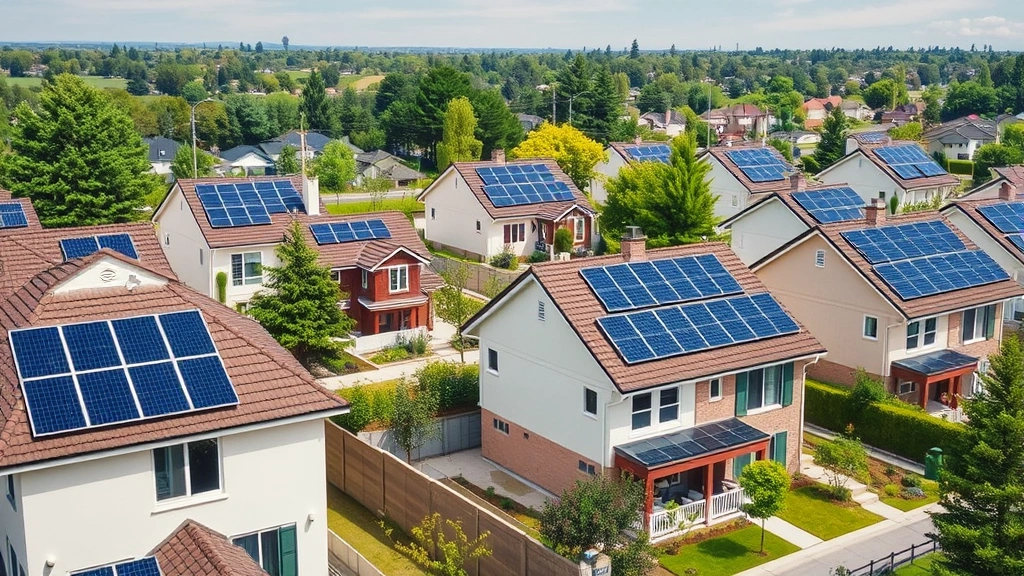
Employment in green sectors spans diverse skill levels and geographic distribution. Solar installation employs electricians, roofers, and engineers. Weatherization programs hire construction workers and building scientists. Ecosystem restoration creates opportunities for ecologists, landscape technicians, and environmental specialists. Carbon footprint reduction initiatives across industries generate demand for sustainability consultants, energy auditors, and environmental compliance specialists.
Unlike fossil fuel employment concentrated in extraction regions, green jobs distribute across urban and rural areas. A farmer can install solar arrays; a small manufacturer can retrofit facilities for energy efficiency; a community organization can manage local environmental restoration projects. This geographic distribution strengthens regional economies and reduces urban-rural economic disparities.
Training and education requirements in green sectors create additional economic multipliers. Workers pursuing environmental credentials attend educational institutions, purchase technical materials, and relocate to opportunity regions. These secondary effects amplify GDP contributions beyond direct employment figures.
Ecosystem Services and Economic Valuation
Natural ecosystems provide services with enormous economic value that traditional GDP accounting ignores. Global ecosystem services—including pollination, water filtration, climate regulation, and nutrient cycling—generate approximately $125 trillion annually, according to the United Nations Environment Programme.
When nations invest in ecosystem protection and restoration, they preserve these service flows and their economic value. Wetland conservation maintains water purification services worth thousands of dollars per hectare annually. Forest preservation protects pollination services essential to agricultural productivity. Coral reef protection sustains fisheries supporting millions of livelihoods.
The relationship between the living environment and economic productivity becomes explicit when examining agricultural systems. Soil biodiversity, pollinator populations, and water cycle regulation directly determine crop yields and agricultural profitability. Farming practices that enhance ecosystem services increase long-term productivity and resilience compared to extractive approaches that degrade natural capital.
Valuing ecosystem services creates economic incentives for conservation. Payment for ecosystem services schemes compensate landowners for maintaining forests, wetlands, or grasslands. This economic recognition transforms environmental protection from a cost into an income-generating activity, aligning economic interest with ecological stewardship.
Circular Economy Models and Resource Efficiency
Circular economy frameworks eliminate waste and maximize resource productivity, generating substantial economic value. By designing products for durability, repairability, and material recovery, businesses reduce input costs while extending product lifecycles. This approach simultaneously decreases environmental impact and increases profitability.
The Ellen MacArthur Foundation estimates that circular economy transition could generate $4.5 trillion in economic benefits by 2030 through material cost savings, production efficiency, and new market opportunities. Companies implementing circular principles report 10-30% cost reductions in material inputs while improving customer retention and brand value.
Electronics recycling exemplifies circular economy benefits. Rather than mining virgin materials requiring energy-intensive extraction, recovering metals and materials from discarded devices costs 50-80% less while reducing environmental damage. Companies like renewable energy innovators increasingly incorporate circular principles into product design, extending economic value chains while reducing waste streams.
Fashion and textile industries demonstrate circular economy potential at scale. Sustainable fashion brands implementing circular models—utilizing recycled materials, designing for durability, and establishing take-back programs—achieve premium pricing while reducing environmental footprint. These businesses grow faster than conventional competitors and attract capital investment seeking both financial returns and environmental impact.
Water efficiency in industrial processes provides another quantifiable circular economy benefit. Manufacturing facilities implementing water recycling systems reduce input costs by 20-40% while decreasing wastewater treatment expenses. These efficiency improvements directly enhance profitability and competitiveness.
Global Policy Frameworks Driving Green GDP
National and international policies create the regulatory environment enabling green economy growth. The European Union’s Green Deal targets climate neutrality by 2050 while generating €1 trillion in investment. Carbon pricing mechanisms make fossil fuels economically disadvantageous while subsidizing renewable alternatives, directing capital toward green sectors.
Environmental regulations drive innovation and efficiency improvements that enhance competitiveness. Emission standards force automotive manufacturers to develop efficient technologies now demanded globally. Efficiency standards for appliances and buildings reduce energy consumption while cutting consumer costs. These regulations, initially perceived as economic burdens, generate net economic benefits through innovation and efficiency.
Understanding natural environment principles becomes essential for policymakers designing effective green growth strategies. Policies must align economic incentives with ecological realities, recognizing that environmental limits constrain long-term economic prosperity. This integration of ecological science into economic policy distinguishes effective green transitions from superficial greenwashing.
International climate agreements establish frameworks enabling coordinated green investment. The Paris Agreement signals long-term commitment to decarbonization, encouraging businesses to invest in clean technologies with confidence in sustained policy support. This policy certainty reduces investment risk in green sectors relative to fossil fuel industries facing regulatory uncertainty.
Measuring Green Growth Success
Evaluating green economy performance requires metrics beyond conventional GDP. Genuine Progress Indicator (GPI) and Adjusted Net Savings accounts incorporate environmental and social factors, providing more accurate economic welfare measures. Countries adopting these metrics often discover that green investments generate higher returns than traditional accounting reveals.
New Zealand adopted well-being budgeting frameworks requiring all government spending to demonstrate positive impacts on environmental and social well-being alongside economic returns. This approach aligns fiscal policy with genuine prosperity, distinguishing growth that enhances human welfare from growth that depletes natural capital.
Measuring green GDP requires tracking multiple indicators: renewable energy capacity and generation; employment in green sectors; ecosystem service value and biodiversity metrics; resource productivity; waste reduction; and health improvements from pollution reduction. Comprehensive measurement reveals that green transitions generate GDP growth while simultaneously improving environmental and social outcomes.
Longitudinal studies tracking countries implementing green policies demonstrate sustained GDP growth without proportional emissions increases. Germany achieved 50% renewable electricity generation while maintaining economic growth and reducing emissions 40% below 1990 levels. Costa Rica generates 99% of electricity from renewables while maintaining consistent GDP growth. These examples prove green growth is achievable at scale.
The transition toward green economies represents the most significant economic restructuring since industrialization. Unlike previous economic transitions that concentrated wealth and environmental damage, green growth distributes prosperity while regenerating natural systems. Understanding this economic transformation requires recognizing that environmental protection and economic prosperity are not competing priorities but complementary objectives.
Businesses, investors, and policymakers increasingly recognize that green transitions offer superior long-term returns compared to extractive economic models. Renewable energy costs declined 90% for solar and 70% for wind over the past decade, making clean energy economically advantageous independent of environmental considerations. Electric vehicles reach price parity with internal combustion engines while offering lower operating costs. Green buildings reduce operational expenses while improving productivity and health outcomes.
The transition accelerates as technological maturation reduces green technology costs and expands applications. Battery storage, green hydrogen production, heat pumps, and other emerging technologies will generate new industries and employment opportunities. Countries and companies positioning themselves within this transition capture economic opportunities while building resilience against climate and resource shocks.

Future economic growth will increasingly depend on environmental sustainability rather than occurring despite environmental constraints. Nations recognizing this reality and investing in green transitions build competitive advantages in emerging global markets. Understanding how environmental and economic systems interact becomes essential for economic strategy in the 21st century.
FAQ
How much GDP growth can green economies realistically achieve?
Green economy transitions generate 2-4% annual GDP growth rates comparable to or exceeding conventional economic growth, while simultaneously reducing environmental damage. Growth rates depend on investment levels, policy support, and technological adoption rates. Countries like Costa Rica and Denmark demonstrate sustained 2-3% annual GDP growth alongside dramatic emissions reductions.
Don’t green transitions eliminate jobs in fossil fuel industries?
While fossil fuel employment declines, green sectors create substantially more jobs overall. Transition support programs—including retraining, income assistance, and community investment—can minimize disruption for displaced workers. Many fossil fuel workers transition successfully to renewable energy, efficiency, and restoration sectors offering comparable or superior compensation.
How do developing countries afford green economy transitions?
Green investments generate returns through reduced energy costs, improved productivity, and ecosystem service preservation. International climate finance, green bonds, and technology transfer agreements support developing country transitions. World Bank climate finance programs provide concessional funding for green infrastructure in lower-income nations.
What role does technology play in green GDP growth?
Technology enables green growth through efficiency improvements, cost reductions, and new applications. Renewable energy technologies, battery storage, electric vehicles, and digital systems drive green transitions. Continued innovation will expand green economy opportunities and accelerate economic transformation.
Can green economies address inequality?
Green economy transitions can reduce inequality through distributed employment, local ownership models, and ecosystem service benefits accessible to all communities. However, intentional policy design is necessary—green transitions can concentrate benefits if not structured equitably. Community participation, worker ownership, and targeted investment in disadvantaged regions ensure inclusive green growth.


