Atlas Mountains: Key to Morocco’s Economy and Ecosystem
The Atlas Mountains form one of Africa’s most significant geographical and ecological features, stretching approximately 1,500 miles across northwestern Africa through Morocco, Algeria, and Tunisia. In Morocco specifically, this mountain range serves as a critical nexus between economic development and environmental preservation, supporting millions of people while harboring extraordinary biodiversity. The Atlas Mountains environment encompasses diverse ecosystems ranging from Mediterranean forests to alpine meadows, each playing vital roles in both regional climate regulation and human livelihoods.
Morocco’s relationship with the Atlas Mountains represents a compelling case study in balancing economic growth with ecological stewardship. The mountains generate substantial revenue through tourism, agriculture, and increasingly through renewable energy initiatives, while simultaneously functioning as the nation’s primary water source and carbon sink. Understanding the intricate connections between the Atlas Mountains’ environmental health and Morocco’s economic prosperity requires examining multiple dimensions: from traditional Berber communities dependent on mountain resources to modern infrastructure projects reshaping the landscape.
Geographic and Ecological Significance
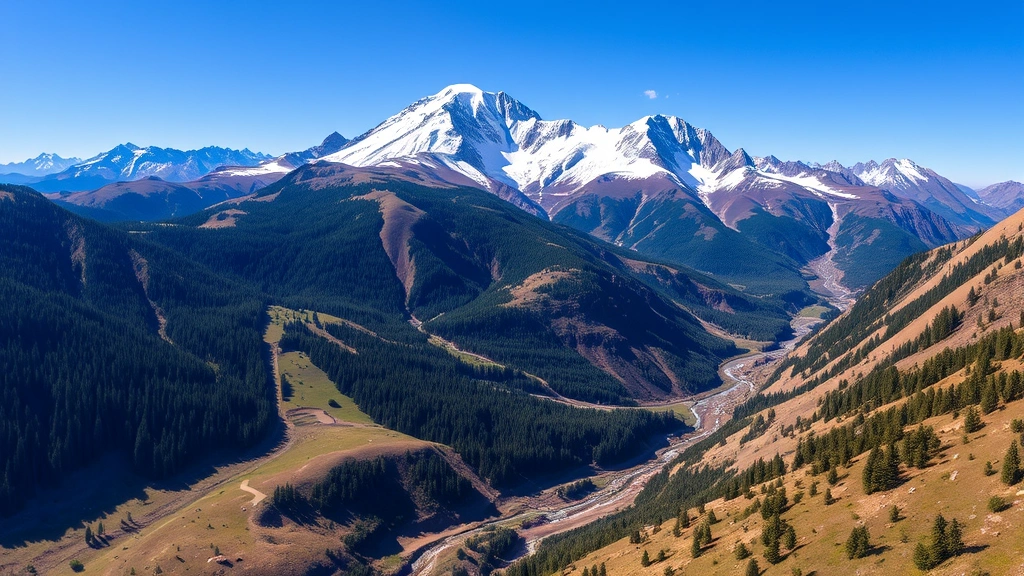
The Atlas Mountains environment represents a remarkable convergence of geological processes and ecological complexity. The range consists of three main systems: the Anti-Atlas in the southwest, the High Atlas running east-west through central Morocco, and the Middle Atlas in the north. Elevation varies dramatically, with Mount Toubkal reaching 13,671 feet, making it North Africa’s highest peak. This topographic diversity creates distinct climate zones and vegetation patterns that define Morocco’s natural character.
The mountains’ geological formation dates back approximately 80 million years, resulting from the collision of African and European tectonic plates. This ancient geological history created mineral-rich soils and complex hydrological systems that support diverse plant and animal communities. The Atlas Mountains environment functions as a natural barrier, intercepting moisture-laden Atlantic winds and creating precipitation patterns that sustain both mountain ecosystems and downstream agricultural regions. The environmental science perspective reveals how these mountains regulate regional climate through albedo effects, atmospheric circulation patterns, and water cycle dynamics.
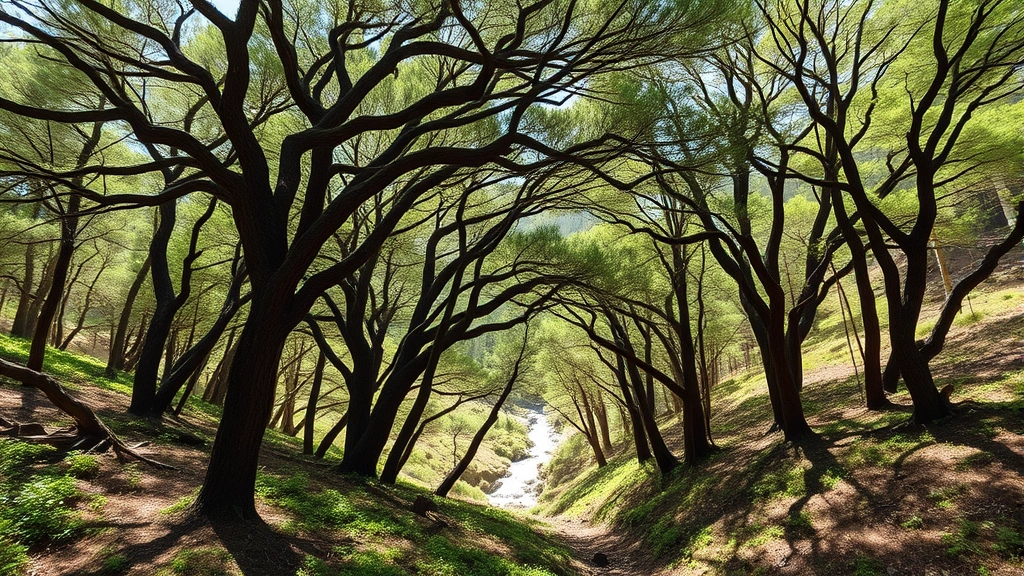
Vegetation zones shift with elevation, creating ecological bands from Mediterranean scrubland at lower elevations to alpine tundra near summits. Cedar and oak forests dominate mid-elevation slopes, providing crucial habitat for endemic species found nowhere else on Earth. The High Atlas alone contains over 4,000 plant species, with approximately 20 percent being endemic to the mountain range. This botanical richness reflects millions of years of isolated evolution within distinct microclimates.
Economic Contributions and Livelihoods
The Atlas Mountains generate substantial economic value through multiple sectors, directly supporting approximately 4 million Moroccan residents. Traditional economies based on pastoralism, agriculture, and forestry remain significant, while tourism and renewable energy development represent rapidly expanding sectors. The mountains produce approximately 40 percent of Morocco’s agricultural output, including cereals, fruits, nuts, and livestock, making them essential for national food security.
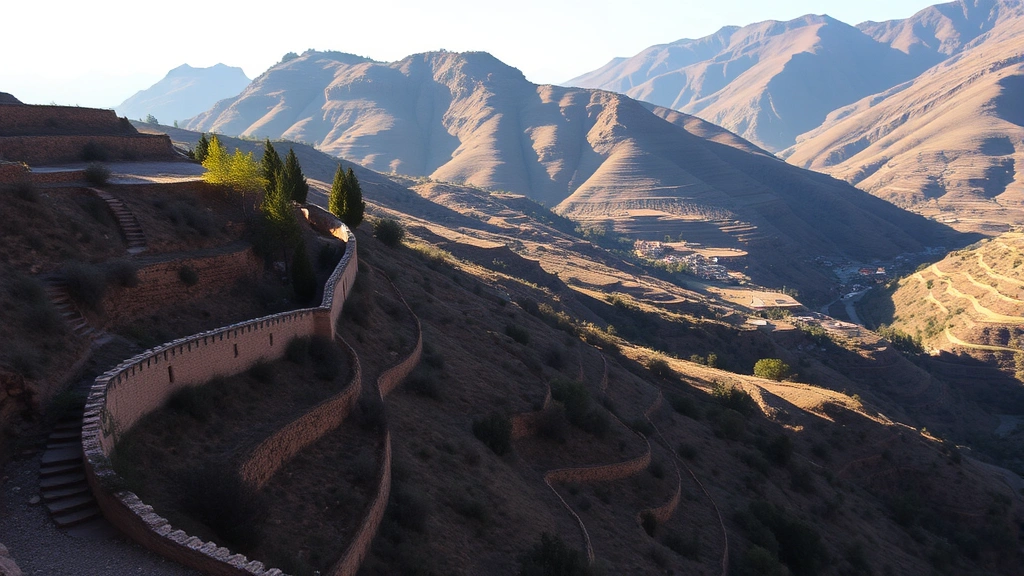
Berber communities inhabiting the Atlas Mountains have developed sophisticated land management systems refined over centuries. Terraced agriculture on steep slopes demonstrates remarkable engineering and ecological knowledge, allowing sustainable cultivation in challenging terrain. Argan oil production, concentrated in southwestern Atlas regions, generates substantial export revenue while supporting traditional harvesting practices that maintain forest health. Walnut and almond cultivation similarly provides income while preserving tree cover that prevents erosion and regulates water flow.
Tourism represents an increasingly important economic driver, with trekking, mountaineering, and cultural tourism attracting over 10 million international visitors annually to Morocco. The Atlas Mountains feature prominently in tourism marketing, with Mount Toubkal treks, Berber village homestays, and mountain resort development generating hundreds of millions in annual revenue. However, this economic expansion creates human environment interaction pressures requiring careful management to prevent ecological degradation.
Renewable energy development has emerged as a transformative economic opportunity. Morocco’s 2030 renewable energy target of 52 percent electricity generation includes significant wind and solar projects in Atlas regions. These initiatives promise economic development while addressing climate change, though implementation requires balancing energy infrastructure needs with ecosystem preservation.
Water Resources and Climate Regulation
The Atlas Mountains function as Morocco’s primary water tower, supplying approximately 60 percent of the nation’s freshwater resources. Annual precipitation exceeds 2,000 millimeters in some high-elevation areas, creating springs and streams that feed major river systems including the Draa, Dades, and Ziz rivers. These water sources support agriculture, urban consumption, and hydroelectric power generation across northern Africa’s driest regions.
Snowfall on high peaks provides crucial water storage and gradual release mechanisms, moderating seasonal water availability. However, climate change is reducing snow cover duration and intensity, threatening the reliability of this natural water storage system. Glaciers on Mount Toubkal have retreated dramatically over recent decades, losing approximately 80 percent of their area since 1900. This trend raises serious concerns about future water security for downstream communities and agricultural regions.
The mountains’ role in climate regulation extends beyond water provision. Forest ecosystems sequester substantial carbon, with cedar and oak forests storing significant biomass in woody vegetation and soils. The Atlas Mountains environment contributes to regional climate stability through evapotranspiration processes that influence precipitation patterns across North Africa and southern Europe. Maintaining forest cover and soil health remains essential for preserving these climate regulation services.
Aquifer recharge processes depend critically on the Atlas Mountains’ hydrological function. Precipitation infiltrating through mountain soils replenishes underground aquifers that supply both rural communities and major cities including Marrakech and Fez. Degradation of mountain vegetation or soil compaction from overgrazing reduces infiltration capacity, threatening long-term water security. Water resource management increasingly requires integrated approaches addressing both surface and groundwater systems while accounting for the mountains’ ecological functions.
Biodiversity and Conservation Challenges
The Atlas Mountains environment harbors extraordinary biodiversity adapted to specific ecological niches and climate zones. Endemic species include the North African cedar, Barbary macaque, Saharan cypress, and numerous reptile and insect species found nowhere else globally. These organisms represent millions of years of evolutionary adaptation to mountain conditions and possess genetic resources potentially valuable for agriculture, medicine, and biotechnology.
The Barbary macaque population, numbering approximately 8,000 individuals distributed across Middle Atlas cedar forests, represents Africa’s only wild primate species outside Sub-Saharan Africa. This endangered species depends entirely on forest ecosystems that face increasing pressure from timber extraction, agricultural expansion, and climate change. Conservation efforts coordinated through international partnerships have prevented extinction but require sustained commitment and funding.
Plant biodiversity includes numerous medicinal species used in traditional medicine and increasingly recognized by pharmaceutical industries. Endemic plants possess unique chemical compounds potentially valuable for developing new medications. However, overexploitation of medicinal plants threatens populations, requiring regulation and sustainable harvesting protocols. The Atlas Mountains environment’s botanical richness represents a biological library of evolutionary solutions to environmental challenges.
Conservation challenges intensify as human populations expand and resource demands increase. Overgrazing by livestock degrades vegetation cover, reduces soil stability, and increases erosion. Illegal logging, particularly of valuable cedar and walnut trees, threatens forest structure and ecosystem function. Climate change adds stress through altered precipitation patterns, extended droughts, and temperature increases that shift suitable habitat ranges for specialized species. Protected areas covering approximately 16 percent of the Atlas Mountains provide some conservation benefit, yet management capacity and enforcement remain inadequate across many reserves.
Tourism and Sustainable Development
Tourism represents a double-edged sword for the Atlas Mountains environment. Economic benefits from trekking, mountaineering, and cultural tourism provide incentives for conservation and generate income supporting local communities. Tourism revenue enables investment in infrastructure, education, and healthcare in remote mountain villages. However, uncontrolled tourism growth creates environmental pressures including trail degradation, waste accumulation, water pollution, and disruption of wildlife.
Mount Toubkal receives approximately 50,000 trekkers annually, creating significant impacts on alpine ecosystems and water sources. Trail erosion exposes soil to accelerated weathering and runoff, while camping and waste disposal contaminate fragile mountain water systems. Local guides and porters benefit economically, yet often lack formal training in environmental management and sustainable tourism practices. Tourism development requires establishing carrying capacity limits, implementing waste management systems, and training hospitality workers in ecological stewardship.
Sustainable tourism initiatives increasingly emphasize environmental stewardship and ecological awareness among visitors and tourism operators. Community-based tourism enterprises, particularly homestays and trekking cooperatives managed by Berber families, distribute economic benefits more equitably while maintaining cultural authenticity and reducing environmental impacts. Certification programs recognizing sustainable tourism operators help consumers support responsible businesses that prioritize ecosystem preservation.
Balancing tourism growth with environmental protection requires comprehensive planning addressing infrastructure capacity, waste management, water quality, and wildlife protection. Investment in sustainable tourism infrastructure, including improved trails, designated camping areas, and waste treatment facilities, can accommodate visitor demand while minimizing ecological damage. Education programs teaching visitors about the Atlas Mountains environment’s ecological value enhance appreciation and encourage responsible behavior.
Climate Change Impacts and Adaptation
The Atlas Mountains environment faces unprecedented climate change pressures, with temperature increases exceeding global averages and precipitation becoming increasingly erratic. Observations from meteorological stations reveal warming trends of approximately 0.3 degrees Celsius per decade over recent decades, significantly higher than the global average of 0.18 degrees per decade. These temperature increases drive snowline elevation upward, reducing the duration and extent of seasonal snow cover critical for water storage.
Changing precipitation patterns create both floods and droughts, destabilizing agricultural systems and water availability. Extended drought periods stress vegetation and increase wildfire risk, while intense rainfall events trigger erosion and flooding in mountain valleys. These climatic fluctuations disproportionately affect mountain communities with limited adaptive capacity and economic resources. Subsistence farmers and pastoralists face crop failures and livestock losses, threatening food security and livelihoods.
Ecosystem responses to climate change include upslope migration of plant species seeking cooler temperatures, range contractions for species unable to migrate, and altered phenological timing affecting plant flowering and animal breeding cycles. The Barbary macaque and other endemic species face habitat compression as suitable climate zones shift upslope toward shrinking alpine areas. Some species may lack sufficient elevation range to track climate changes, risking local extinction.
Adaptation strategies must address both ecosystem resilience and human vulnerability. Reducing carbon footprint through renewable energy development and sustainable practices helps mitigate climate change drivers. Simultaneously, communities require support for adaptive agriculture, water management infrastructure, and livelihood diversification. Agroforestry systems combining trees with crops enhance resilience while maintaining productivity. Watershed management investments protecting forest cover and soil health improve water availability and regulate runoff during extreme precipitation events.
Future Prospects and Policy Framework
Morocco’s policy framework for the Atlas Mountains increasingly emphasizes sustainable development balancing economic growth with environmental preservation. The National Strategy for Sustainable Development (NSSD) and Morocco’s commitments under international climate agreements establish goals for renewable energy expansion, forest conservation, and sustainable livelihoods. However, implementation faces challenges including limited funding, capacity constraints, and competing pressures from development interests.
Renewable energy projects, particularly the Noor Ouarzazate Solar Complex and expanding wind farms, represent significant investments in sustainable development. These projects promise economic benefits including job creation, energy independence, and export revenue while reducing greenhouse gas emissions. However, careful siting and management protocols are essential to minimize impacts on ecosystems and water resources. Integration of renewable energy development with conservation goals requires transparent planning processes incorporating environmental assessments and stakeholder engagement.
Forest conservation and restoration initiatives aim to reverse deforestation trends and enhance ecosystem functions. Reforestation programs focusing on native species like cedar and argan trees restore habitat while building carbon stocks and regulating water cycles. Community forestry approaches empowering local stakeholders in management decisions increase success rates and ensure economic benefits accrue to mountain residents. Sustainable timber harvesting protocols balance timber production with forest integrity and biodiversity protection.
Water resource management increasingly requires integrated approaches addressing competing demands from agriculture, cities, and ecosystems. Efficient irrigation technologies, water recycling, and demand management help optimize water use while maintaining environmental flows supporting aquatic ecosystems. Investment in water infrastructure including treatment facilities and distribution networks reduces waste and improves service reliability. Climate change adaptation planning must account for water stress scenarios, identifying strategies for maintaining essential services under drought conditions.
International cooperation strengthens conservation efforts through funding, technical expertise, and knowledge sharing. The United Nations Environment Programme (UNEP) supports biodiversity conservation and sustainable development initiatives across North Africa. Bilateral partnerships with European nations facilitate research collaboration and technology transfer for renewable energy and sustainable agriculture. Regional cooperation through the African Union addresses transboundary conservation challenges, as the Atlas Mountains extend across multiple nations with shared ecosystems and water resources.
The World Bank has invested substantially in Morocco’s sustainable development, supporting renewable energy projects, water management infrastructure, and forest conservation initiatives. These investments recognize the Atlas Mountains’ importance for regional stability and global climate change mitigation. However, development finance must increasingly prioritize projects demonstrating genuine sustainability rather than perpetuating extractive approaches degrading mountain ecosystems.
Educational initiatives building environmental awareness and technical capacity are essential for long-term sustainability. University programs in environmental science, sustainable agriculture, and renewable energy prepare professionals to address complex challenges integrating ecology and economics. Community education programs help farmers and pastoralists adopt sustainable practices improving productivity while protecting resources. Youth engagement in conservation and renewable energy projects builds constituencies supporting environmental protection.
FAQ
What percentage of Morocco’s water comes from the Atlas Mountains?
Approximately 60 percent of Morocco’s freshwater resources originate from the Atlas Mountains through precipitation, snowmelt, and groundwater systems. This makes the mountains absolutely critical for national water security, agriculture, and urban consumption across northern Africa’s driest regions.
How many endemic species are found in the Atlas Mountains?
The Atlas Mountains harbor thousands of endemic species, with over 800 plant species found nowhere else on Earth. The Barbary macaque, North African cedar, and numerous reptile and insect species are endemic to these mountains, representing irreplaceable evolutionary heritage.
What is the impact of climate change on Atlas Mountains snow cover?
Climate change has dramatically reduced snow cover duration and extent, with glaciers on Mount Toubkal losing approximately 80 percent of their area since 1900. Continued warming threatens the mountain’s water storage capacity and increases risks of downstream drought and water scarcity.
How many people depend on the Atlas Mountains for their livelihoods?
Approximately 4 million Moroccan residents depend directly on the Atlas Mountains through agriculture, pastoralism, forestry, mining, and tourism. The mountains produce roughly 40 percent of Morocco’s agricultural output, making them essential for national food security and economic stability.
What renewable energy projects are planned for the Atlas Mountains?
Morocco is developing extensive wind and solar energy projects in Atlas regions to achieve its 2030 target of 52 percent renewable electricity generation. The Noor Ouarzazate Solar Complex and expanding wind farms represent major investments in sustainable energy infrastructure.
How can tourism in the Atlas Mountains be made more sustainable?
Sustainable tourism requires implementing carrying capacity limits, establishing waste management systems, training hospitality workers in environmental practices, and supporting community-based tourism enterprises. Certification programs recognizing sustainable operators help consumers support responsible businesses.
What conservation challenges threaten Barbary macaque populations?
The endangered Barbary macaque population of approximately 8,000 individuals faces threats from forest degradation, timber extraction, agricultural expansion, and climate change. These pressures reduce suitable habitat and food availability, requiring sustained conservation efforts and international cooperation.


