Table of Contents
Introduction
Picture this: you’re standing in your closet, looking at that shirt you bought last month—the one that’s already starting to pill after just a few washes. Ever wonder about the real story behind that $5 bargain? Sustainable fashion is changing everything we thought we knew about clothing, and honestly, it’s about time. These brands aren’t just making clothes; they’re crafting a completely different relationship between what we wear and how we live on this planet.
Here’s the thing about fashion that might surprise you—it’s one of the world’s biggest polluters. Pretty shocking, right? But here’s where it gets interesting: sustainable fashion brands are flipping the script entirely. They’re proving that looking good doesn’t have to cost the earth (literally). When you start thinking about reducing your carbon footprint through smarter shopping, it connects beautifully with other green living practices like practical lifestyle changes for sustainability and strategies to lower greenhouse gas emissions. It’s like building a web of positive choices. Take community projects, for instance—whether you’re starting community gardens or building rain gardens, you’re creating ripple effects. Your clothing choices work the same way.
But sustainable fashion isn’t just about saving polar bears (though they appreciate it too). There’s a human story here that’s equally compelling. Behind every ethically-made garment are real people earning fair wages in safe conditions. Think about it—your shopping decisions can literally change lives halfway around the world. This approach mirrors what’s happening across sustainability in the fashion industry where environmental care meets social responsibility. It’s part of a bigger movement that includes breakthrough green technology innovations and crucial work in water pollution reduction.
The fast fashion world wants you to believe that cheap and disposable is normal. Spoiler alert: it’s not. Sustainable brands are showing us what normal should actually look like—clothes that last, workers who are valued, and a planet that isn’t treated like a dumping ground. These brands encourage you to think differently about your wardrobe, much like how you might approach saving energy at home or exploring renewable energy options. Each choice becomes part of something bigger—a lifestyle that actually makes sense for the long haul.
What You’ll Learn in This Guide
Ready to dive into the world of sustainable fashion? Whether you’re completely new to this or you’ve been thinking about making the switch for a while, we’ve got you covered. Here’s exactly what we’re going to explore together:
- Understanding Sustainable Fashion: Let’s break down what this actually means and why it matters so much. We’ll show you how sustainable fashion differs from the conventional stuff and why this shift is crucial for our planet and communities.
- Key Features of Sustainable Brands: What separates the real deal from the wannabes? We’ll walk through the telltale signs of authentic sustainable brands—from ethical production practices to transparent supply chains and eco-friendly materials.
- Popular and Emerging Brands: Meet the game-changers! We’ll introduce you to established sustainable fashion leaders and exciting newcomers who are shaking up the industry with fresh ideas and genuine commitment.
- How to Choose Sustainable Fashion Brands: Here’s where it gets practical. You’ll learn to spot authentic brands, decode certification labels, and use real customer experiences to guide your sustainable shopping adventures.
As we move through this guide, you’ll discover how sustainable fashion fits naturally into your life—no major lifestyle overhaul required. We’re talking about smart, gradual changes that add up to real impact. Think of it as building your sustainability muscle, one clothing choice at a time.
The journey ahead covers everything from the nitty-gritty of what makes fashion truly sustainable to the real challenges brands face (spoiler: it’s not always easy being green). We’ll also arm you with the knowledge to spot greenwashing from a mile away—because unfortunately, not everyone playing in this space has pure intentions. You’ll find trusted sources and practical tools throughout to support your decision-making.
By the time we’re done here, you’ll approach your closet with confidence and clarity. Shopping for clothes will feel different—more intentional, more aligned with who you are and what you believe in. Whether you’re hunting for the perfect everyday basics or something special for a big occasion, you’ll know exactly how to make choices that feel good and do good. Your wardrobe is about to become a powerful statement about the world you want to help create.
Introduction
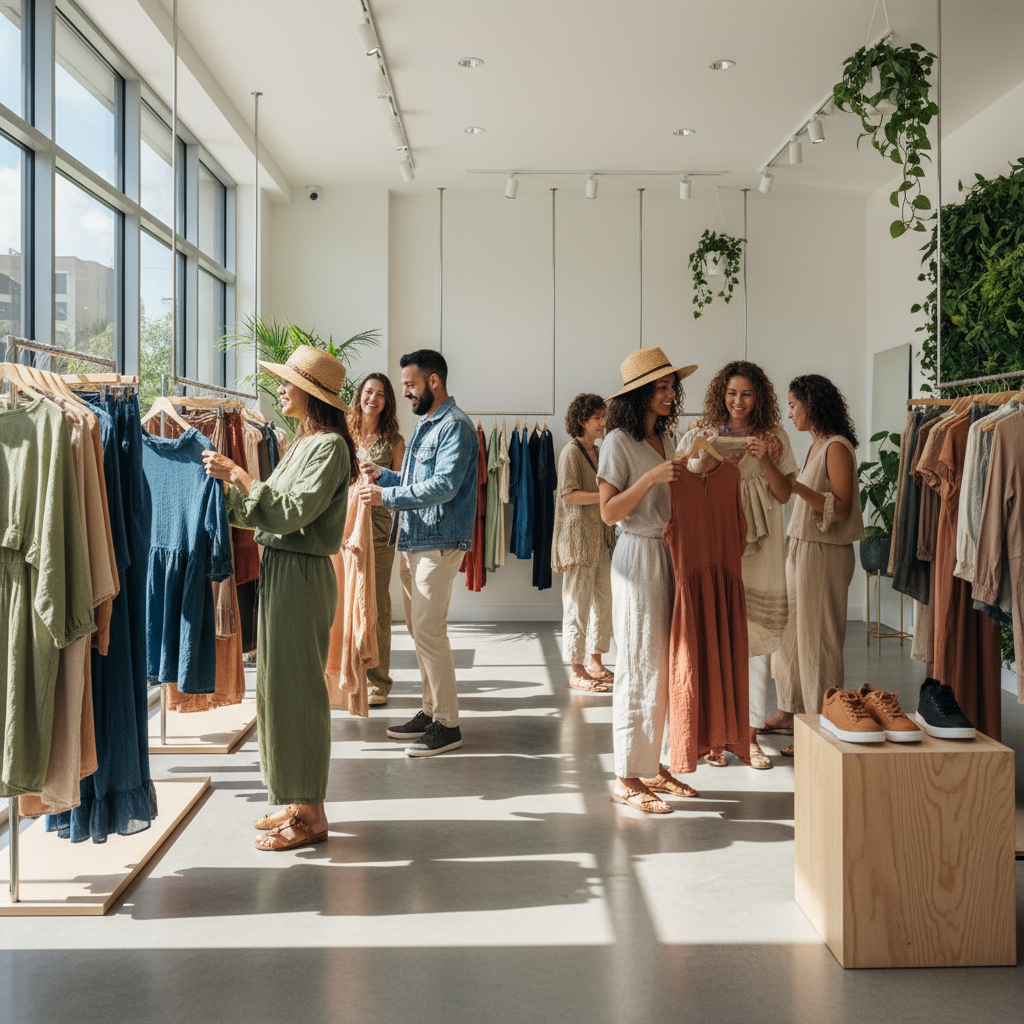
Sustainable fashion is everywhere these days—and that’s honestly amazing. But here’s the thing: with so many brands jumping on the eco-friendly bandwagon, how do you separate the real deal from the greenwashing? It’s trickier than you might think. Sustainable fashion isn’t just a trend; it’s a complete rethink of how the industry operates. We’re talking ethical practices, environmental responsibility, and—perhaps most importantly—transparency. When you understand what to look for beyond the glossy marketing, you can make choices that actually matter. Your wallet becomes a vote for the kind of world you want to live in. So let’s break down what makes a fashion brand genuinely sustainable. We’ll explore the key features that set these companies apart, from their commitment to fair labor practices to their choice of eco-friendly materials. Plus, I’ll share some practical tips for spotting the brands you can trust and navigating the challenges that come with conscious shopping. By the end, you’ll have the knowledge to shop with confidence and purpose.
Key Features of Sustainable Fashion Brands
What really sets sustainable fashion brands apart? It comes down to one core principle: doing business without trashing people or the planet. These companies put ethical production at the center of everything they do. That means fair wages, safe working conditions, and treating workers like human beings—not just cogs in a machine. It’s a stark contrast to the fast fashion world, where workers often suffer in unsafe conditions for pennies. When a brand truly commits to ethical production, they’re building something bigger than profit. They’re creating trust. And in today’s market, that trust translates to long-term customer loyalty. Take a brand that goes above and beyond for worker welfare—they’re not just making clothes, they’re making a statement about social justice.
Then there’s the materials game. Sustainable brands choose fabrics that don’t destroy the environment in the process. Think organic cotton, recycled polyester, hemp—materials that use less water, fewer chemicals, and create less waste. The fashion industry has a notorious reputation for being one of the world’s biggest polluters. But when brands choose sustainable materials, they’re helping change that narrative. Some companies are even pioneering completely new fabrics that biodegrade naturally. And here’s what I love about the best sustainable brands: they don’t just use eco-friendly materials—they tell you exactly where those materials come from. Supply chain transparency isn’t just nice-to-have anymore; it’s a necessity. When brands open their books and show you their entire process, from raw materials to finished product, they’re saying, “We have nothing to hide.” That transparency becomes an accountability tool that keeps everyone honest.
Key Aspects of Sustainable Fashion Features
Want to know what to look for in a truly sustainable fashion brand? Here are the non-negotiables that separate the real players from the pretenders:
- Ethical Production: We’re talking fair wages, safe work environments, and actual worker empowerment. Sustainable brands don’t just avoid exploitation—they actively uplift their workforce through community initiatives and growth opportunities. It’s about treating people with dignity.
- Eco-Friendly Materials: Organic cotton, recycled polyester, hemp, and other low-impact fabrics aren’t just buzzwords—they’re game-changers. These materials need less water, use fewer chemicals, and leave a much smaller environmental footprint. Every yard of sustainable fabric is a step toward a cleaner industry.
- Transparency and Traceability: The best brands let you follow your garment’s journey from start to finish. They share details about their suppliers, their environmental impact, and their goals for improvement. This openness doesn’t just build trust—it pushes the entire industry to higher standards.
- Innovation and Continuous Improvement: Leading sustainable brands never stop evolving. They invest in research, adopt new technologies, and constantly find ways to reduce waste and energy use. When new challenges pop up, they’re ready with solutions.
Here’s what really gets me excited about sustainable fashion: it’s so much more than just clothes. These brands represent a whole philosophy that puts people and planet first. When you choose to support them, you’re not just buying a shirt—you’re casting a vote for a better way of doing business. And the more of us who vote this way, the stronger this movement becomes.
How to Choose Sustainable Fashion Brands
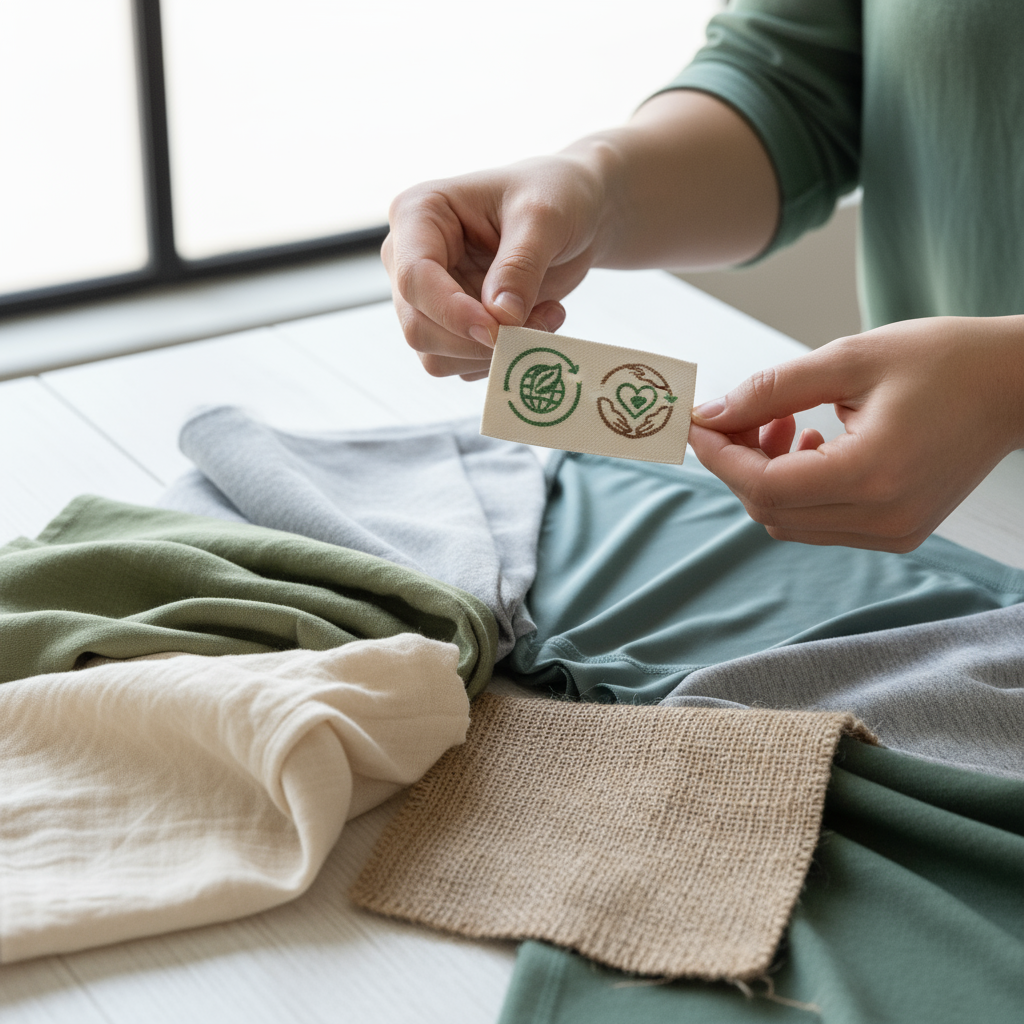
Okay, let’s get real for a minute. Choosing genuinely sustainable fashion brands can feel overwhelming. Seems like everyone’s claiming to be eco-friendly these days, right? That’s where greenwashing comes in—companies that talk a big game about sustainability but don’t actually walk the walk. So how do you cut through the noise? Start with certification labels. These little badges are like a quality guarantee from independent organizations. GOTS (Global Organic Textile Standard), Fair Trade, OEKO-TEX, B Corp—these aren’t just fancy acronyms. They represent rigorous standards that brands must meet to earn their stamp of approval. When you see these certifications, you know someone else has done the homework for you.
But don’t stop there. Roll up your sleeves and do some digging. The best sustainable brands make research easy by publishing detailed sustainability reports and supply chain information. They want you to know where your clothes come from. Read reviews from other conscious shoppers—they’ll often share insights about product quality, customer service, and whether a brand lives up to its promises. Look for specific details about materials, manufacturing processes, and environmental goals. Vague statements like “we care about the planet” aren’t enough. You want concrete data and measurable commitments.
Key Aspects of Choosing Sustainable Brands
Ready to become a smarter sustainable shopper? Focus on these practical steps to ensure your fashion choices actually align with your values:
- Certification Labels: Learn what GOTS, Fair Trade, and OEKO-TEX actually mean. GOTS ensures organic materials, Fair Trade guarantees fair labor conditions, and OEKO-TEX means no harmful chemicals. These aren’t just marketing gimmicks—they’re your shortcut to credible sustainability.
- Brand Transparency: The brands worth your money share everything. They’ll tell you which factories they use, what their environmental impact looks like, and what goals they’re working toward. If a brand is being secretive about their process, that’s a red flag.
- Consumer Research and Reviews: Tap into the community. Sustainability blogs, online forums, and social media groups are goldmines for honest brand assessments. Real customers will tell you about product durability, company ethics, and whether the brand delivers on its promises.
- Product Lifecycle Considerations: Think beyond the purchase. Sustainable fashion means buying pieces that last, can be repaired, and won’t go out of style next season. Quality over quantity isn’t just better for your closet—it’s better for the planet.
Every time you choose a truly sustainable brand, you’re supporting companies that are trying to do better. Your purchasing decisions send a message to the entire industry about what matters to consumers. And honestly? That’s pretty powerful. When we all start making more thoughtful choices, we create demand for the kind of fashion industry we actually want—one that respects people, protects the environment, and proves that doing good business is just good business.

Sustainable fashion is changing everything about how we think about clothes. And honestly? It’s about time. Instead of the throwaway culture we’ve gotten used to, these brands are doing something different—they’re using organic cotton, recycled fabrics, and materials that actually break down naturally. They’re also treating their workers fairly, which seems like it should be a given, but sadly isn’t in most of the fashion world.
Here’s what makes this so important: traditional fashion has been pretty brutal to both people and the planet. Sustainable fashion flips that script entirely. We’re talking about real transparency, fair wages, and production methods that don’t trash the environment. It’s not just about looking good anymore—it’s about feeling good about what you’re wearing.
The benefits go way beyond just having a cleaner conscience. When brands focus on ethical production, garment workers actually get paid fairly and work in safe conditions. (Revolutionary concept, right?) The environmental side is equally impressive. These sustainable materials use less water, create less chemical pollution, and don’t end up clogging landfills for decades.
And here’s something I love about this movement: transparency isn’t just a buzzword. These brands actually show you their supply chains. They tell you where your clothes come from, how they’re made, and what impact they’re having. This builds trust, sure, but it also pushes the entire industry to do better.
When you buy from these brands, you’re not just getting clothes—you’re casting a vote. You’re saying you want a fashion industry that cares about people and the planet. It’s pretty powerful when you think about it that way.
Now, understanding why sustainable fashion matters is one thing. Actually making better choices? That’s where it gets practical. Your clothing purchases aren’t just transactions—they’re statements about the kind of world you want to live in. Every time you choose a sustainable brand over fast fashion, you’re pushing the industry in a better direction.
What’s really cool is how sustainable fashion connects with other eco-friendly choices. It’s like gateway drug to green living. (In the best possible way.) Once you start thinking about where your clothes come from, you might find yourself interested in other environmental initiatives too.
Ready to actually do something about this? Start with the labels. Look for certifications like GOTS (Global Organic Textile Standard), Fair Trade, and OEKO-TEX. These aren’t just fancy acronyms—they’re proof that a brand has met real environmental and social standards.
Don’t just take a brand’s word for it, though. Hunt down their transparency reports. The good companies will actually show you their manufacturing processes, where they source materials, and what their environmental goals are. If they’re hiding this information, that’s a red flag.
Customer reviews and sustainability blogs are goldmines for figuring out which brands are walking the walk versus just talking the talk. And here’s a practical tip: focus on buying fewer, better pieces. Look for clothes that are durable, repairable, and won’t go out of style in six months. Your wallet will thank you too.
Want to take your eco-friendly lifestyle beyond fashion? We’ve got you covered. Check out our guides on how to build a rain garden, effective ways to save energy at home, and how to start a community garden. These all work together to create a more sustainable lifestyle. For deeper insights into the fashion industry itself, definitely read about sustainability in the fashion industry—it’s fascinating to see how much innovation is happening behind the scenes.
Look, sustainable fashion isn’t just another trend that’ll disappear next season. This is about making choices that actually matter—for the environment, for workers, and for the kind of future we’re creating. When you align your wardrobe with your values, something pretty amazing happens: you start feeling genuinely good about what you’re wearing.
Your fashion choices have more power than you might realize. Every sustainable purchase is a small but meaningful step toward a healthier planet and a fairer world. So go ahead—step into this journey with confidence. You’re not just building a better wardrobe; you’re helping build a better future.
Frequently Asked Questions
-
What makes a fashion brand sustainable?
- A fashion brand is sustainable when it uses eco-friendly materials, ethical production methods, and maintains transparency about its supply chain and environmental impact.
-
How can I identify if a brand is truly sustainable?
- Look for recognized certification labels such as GOTS, Fair Trade, and OEKO-TEX, read transparency reports, and check customer reviews to verify sustainability claims.
-
Are sustainable fashion brands more expensive?
- Often sustainable brands have higher prices due to ethical labor practices and quality eco-friendly materials, which reflect in the overall production costs.
-
Can sustainable fashion be stylish and trendy?
- Yes, many sustainable brands offer fashionable, modern designs that combine style with environmental and social responsibility.
-
Why is transparency important in sustainable fashion?
- Transparency builds consumer trust, holds brands accountable for their impact, and promotes higher industry standards for environmental and ethical practices.