Snow Leopards’ Role in Ecosystems: A Study
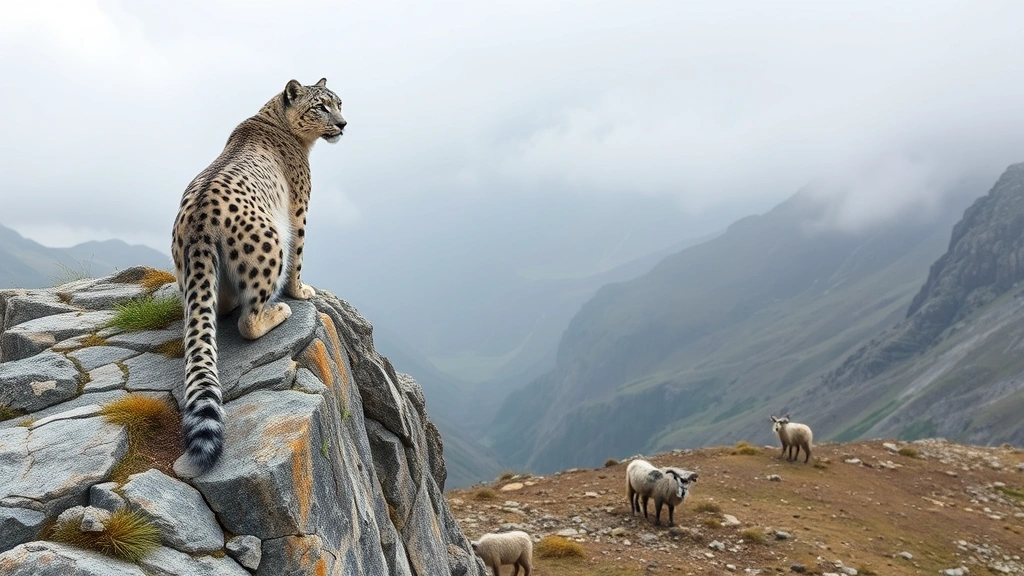
Snow leopards represent one of the most critically important apex predators in high-altitude mountain ecosystems, yet their ecological significance extends far beyond their elusive presence in the Himalayan peaks. As keystone species, these magnificent cats maintain ecosystem balance through predator-prey dynamics that influence vegetation patterns, nutrient cycling, and the overall health of alpine environments. Understanding snow leopards’ environmental role requires examining their position within complex food webs, their impact on prey populations, and the cascading effects their presence creates throughout mountain ecosystems across Central Asia.
The snow leopard’s ecological function demonstrates how a single apex predator can regulate entire ecosystems, preventing overgrazing by wild ungulates, maintaining genetic diversity in prey populations, and influencing carbon storage in alpine vegetation. This comprehensive study explores the multifaceted relationships between snow leopards and their environment, integrating data from wildlife biology, ecosystem dynamics, and conservation economics. By understanding these connections, we can better appreciate why protecting snow leopards serves broader environmental goals beyond species preservation alone.
Apex Predator Dynamics in Alpine Ecosystems
Snow leopards occupy the apex position in high-altitude food webs, a role that fundamentally shapes ecosystem structure and function. Operating across elevations between 2,500 and 5,500 meters, these predators exert top-down control on prey populations including blue sheep (bharal), argali sheep, ibex, and musk deer. The presence of snow leopards creates what ecologists term a “landscape of fear”—prey animals alter their behavior and habitat use patterns to minimize predation risk, which paradoxically protects vegetation in certain zones while allowing it to flourish in others.
Research indicates that snow leopard territories can span 400 to 1,000 square kilometers, and within these ranges, their predatory activities influence the distribution and density of prey species. A single snow leopard may consume 20-30 prey animals annually, a consumption rate that prevents prey populations from reaching carrying capacity and subsequently overexploiting alpine vegetation. This predation pressure maintains a crucial balance that prevents competitive exclusion among herbivore species and sustains biodiversity in prey communities.
The predator-prey relationship extends beyond simple numerical control. Snow leopards preferentially target weak, sick, and elderly individuals within prey populations, thereby enhancing the genetic fitness of remaining prey animals. This selective predation reduces disease transmission rates and strengthens population resilience against environmental stressors. Studies examining snow leopard dietary composition reveal seasonal variations in prey selection, with winter months showing greater reliance on bharal and other large ungulates, while summer hunting may include smaller mammals and birds when larger prey becomes scarce.
Understanding these apex predator dynamics connects directly to broader concepts of human-environment interaction, particularly where livestock grazing conflicts overlap with snow leopard habitat. When apex predators are removed from ecosystems, compensatory predation by mid-level carnivores often increases, sometimes causing greater overall damage to prey populations and vegetation than the original apex predator maintained.
Prey Population Management and Food Web Structure
The trophic cascades initiated by snow leopard predation demonstrate how apex predators regulate entire food webs. When snow leopard populations decline due to poaching or habitat loss, prey species—particularly blue sheep and argali—experience population explosions. These ungulate population increases directly threaten alpine vegetation communities and create competitive pressures that reduce ecosystem carrying capacity for all herbivorous species. Historical data from regions where snow leopards have been eliminated shows dramatic increases in herbivore populations, followed by vegetation degradation and eventual prey population crashes.
The food web structure in snow leopard ecosystems involves complex interactions across multiple trophic levels. Primary herbivores (blue sheep, argali, ibex) consume alpine grasses and forbs; secondary consumers include snow leopards and other predators like golden eagles and wolves; decomposers and soil organisms process nutrient inputs from predator kills. Snow leopard kills create nutrient hotspots within ecosystems—the carcasses of prey animals provide concentrated protein and nutrient resources that attract scavengers, decomposers, and soil microorganisms. A single snow leopard kill can support multiple scavenging species including bearded vultures, ravens, jackals, and foxes.
Research from the World Wildlife Fund indicates that snow leopard presence maintains distinct prey population structures compared to snow leopard-absent ecosystems. In areas with healthy snow leopard populations, prey age and sex structures remain more balanced, reflecting natural predation patterns rather than the skewed demographics typical of overhunted populations. This demographic balance enhances population stability and reduces vulnerability to environmental fluctuations.
The interactions between snow leopards and their prey also influence behavior patterns that cascade through ecosystems. Prey animals modify grazing patterns, movement routes, and habitat selection based on predation risk. This behavioral response creates a mosaic of varying grazing intensities across the landscape, which maintains vegetation heterogeneity and prevents any single habitat type from becoming dominant. Such landscape-scale patchiness enhances overall natural environment resilience and supports greater species diversity.
Vegetation Patterns and Habitat Quality
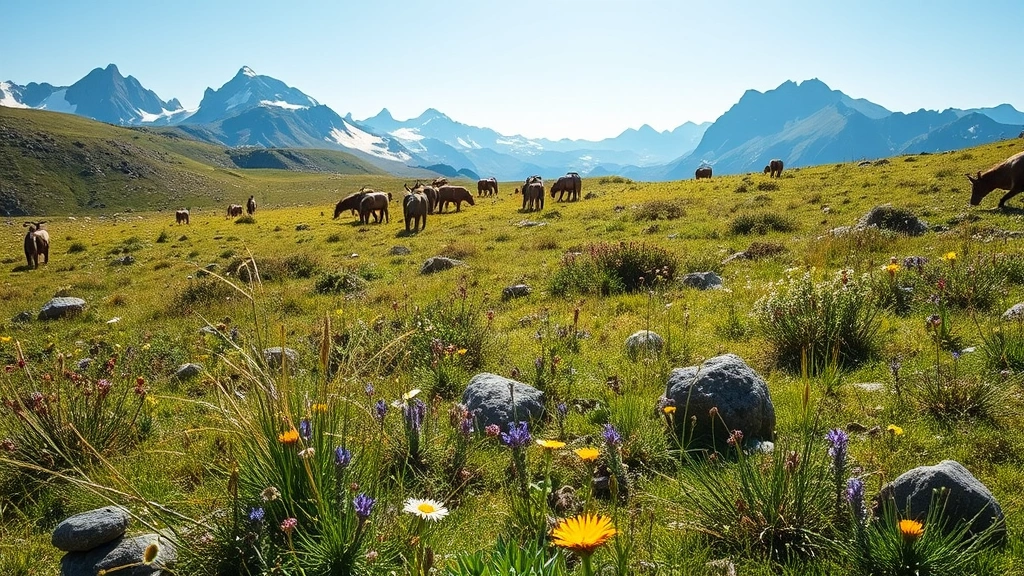
Alpine vegetation communities in snow leopard habitat regions demonstrate significantly different composition, structure, and productivity compared to areas lacking apex predators. The top-down control exerted by snow leopards prevents herbivore populations from overexploiting vegetation resources, thereby maintaining plant community integrity and preventing the transition to degraded grasslands dominated by unpalatable species. Vegetation surveys across the Himalayas, Karakoram, and Pamir ranges show that areas with intact snow leopard populations maintain higher plant diversity and greater vegetation biomass than comparable regions with depleted snow leopard numbers.
The mechanism underlying these vegetation patterns involves both direct and indirect pathways. Directly, snow leopard predation reduces total herbivory pressure on vegetation. Indirectly, the landscape of fear created by snow leopard presence causes prey animals to avoid certain high-risk habitats, allowing vegetation in those areas to grow without herbivore pressure. This creates a patchy distribution of heavily grazed and lightly grazed zones, maintaining a spectrum of vegetation structures from short grass to tall forb communities. This structural diversity supports greater numbers of invertebrate species, small mammals, and birds compared to homogeneous vegetation created by uniform grazing pressure.
Alpine vegetation also responds to nutrient inputs from predator kills and scavenger activities. Carcasses from snow leopard hunts deposit concentrated nitrogen and phosphorus into localized soil patches, creating nutrient-enriched microsites where vegetation grows more vigorously. Over time, these nutrient hotspots support distinct plant communities and concentrate microhabitats favored by specialized species. The cumulative effect of numerous predator kills across a landscape distributes nutrients more evenly than would occur under natural death patterns, enhancing overall ecosystem productivity and supporting greater plant biodiversity.
Studies examining vegetation productivity in relation to predator density show strong positive correlations between snow leopard presence and alpine plant biomass. Areas with healthy snow leopard populations maintain vegetation that stores more carbon, supports greater structural complexity, and exhibits higher resistance to drought and other environmental stressors. This vegetation protection represents a critical ecosystem service with implications for climate change mitigation and watershed protection.
Nutrient Cycling and Soil Health
The role of snow leopards in ecosystem nutrient cycling extends the significance of apex predators beyond population regulation into fundamental biogeochemical processes. Large predators like snow leopards concentrate nutrients from across extensive hunting territories into discrete predation sites through their feeding activities. This spatial redistribution of nutrients creates ecosystem-wide effects on nutrient availability and soil health in ways that ecosystem models often overlook.
When snow leopards kill prey animals, the carcasses become focal points for nutrient processing. Scavengers, carrion beetles, microorganisms, and soil fauna decompose organic matter and transform it into bioavailable forms. This process concentrates nitrogen, phosphorus, and other essential nutrients in soils where predator kills occur most frequently. Over years and decades, the cumulative effect of thousands of predation events creates distinct soil nutrient patterns across snow leopard territories, with higher nutrient concentrations near frequently used hunting grounds and kill sites.
The nutrient cycling role of snow leopards connects to broader ecosystem research examining how predators influence biogeochemical cycling. Unlike herbivore-dominated ecosystems where nutrients accumulate in plant biomass distributed across the landscape, predator-inclusive ecosystems show nutrient concentration patterns driven by predation and scavenging activities. These concentrated nutrient patches support specialized plant and microbial communities that enhance overall ecosystem function and resilience.
Soil health improvements associated with snow leopard presence include enhanced microbial diversity, improved soil structure, and increased organic matter content in areas with regular predation activity. Predator kills contribute organic matter that feeds soil decomposer communities, supporting fungal networks and bacterial populations that enhance nutrient availability to plants. The presence of these diverse soil communities improves water infiltration, reduces erosion risk, and enhances soil carbon storage capacity—all critical functions in alpine ecosystems prone to degradation.
Research from ecological economics journals demonstrates that the nutrient cycling services provided by apex predators like snow leopards represent significant ecosystem service value. When quantified in economic terms, the nutrient redistribution and soil enhancement functions of snow leopards translate to measurable benefits in watershed protection, vegetation productivity, and carbon storage—all services that would require expensive human intervention if apex predators were absent.
Climate Change Interactions
Snow leopards’ ecological roles become increasingly critical as climate change reshapes alpine ecosystems. Rising temperatures push vegetation zones upward, compress available habitat, and alter precipitation patterns that determine water availability for both vegetation and wildlife. Within this changing context, apex predators like snow leopards help ecosystems maintain resilience through several mechanisms.
First, by maintaining vegetation diversity and structural complexity, snow leopards support ecosystems with greater adaptive capacity to climate variability. Diverse vegetation communities respond more flexibly to changing conditions than simplified plant assemblages, and can better accommodate species range shifts and phenological changes. Second, snow leopard-maintained vegetation patterns enhance carbon storage in alpine soils and biomass, supporting climate change mitigation at landscape scales. Third, healthy prey populations maintained by snow leopard predation show greater genetic diversity and phenotypic flexibility, enabling faster adaptation to rapid environmental changes.
The interaction between snow leopards and climate change also creates novel challenges. As prey species ranges shift upward and poleward in response to warming, snow leopards must adapt their hunting patterns and territory use. Some research suggests that climate-driven changes in prey availability may force snow leopards into greater contact with human settlements and livestock, increasing human-wildlife conflict. Conversely, protecting intact snow leopard ecosystems may enhance overall system resilience to climate impacts by maintaining the ecological complexity and biodiversity that buffers against rapid environmental change.
Alpine ecosystems managed with intact snow leopard populations show greater stability in response to climate variability compared to systems lacking apex predators. This resilience emerges from the ecological redundancy and functional diversity maintained by predator-mediated trophic structures. As climate change accelerates, understanding and protecting these predator-maintained ecosystem functions becomes strategically important for conservation efforts.
Economic Value of Ecosystem Services
The ecological functions performed by snow leopards translate into quantifiable economic value through ecosystem services that support human wellbeing. Ecological economics frameworks value these services based on their contribution to human welfare and the cost of replacing them through technological or management interventions. Snow leopard ecosystem services include watershed protection, carbon storage, biodiversity support, and maintenance of productive alpine grasslands.
Watershed protection represents a significant ecosystem service in snow leopard regions. Alpine vegetation maintained by healthy snow leopard populations enhances water infiltration, reduces erosion, and improves water quality for downstream communities. Studies examining economic value of these watershed services show annual benefits reaching hundreds of millions of dollars across the Hindu Kush-Karakoram-Himalayan region. When snow leopard populations decline and vegetation degrades, watershed function deteriorates, increasing sedimentation in reservoirs, reducing water storage capacity, and requiring expensive treatment to restore water quality.
Carbon storage in alpine ecosystems represents another economically significant service. Vegetation and soils in snow leopard-maintained ecosystems store carbon at rates comparable to temperate forests. Over the 1,000+ square kilometer territories of individual snow leopards, this carbon storage accumulates to thousands of tons of stored carbon. Using standard carbon pricing approaches, the climate regulation services provided by intact snow leopard ecosystems translate to substantial economic value—potentially thousands of dollars annually per snow leopard when carbon is valued at market rates.
Biodiversity support by snow leopards generates economic value through ecosystem resilience, potential pharmaceutical discoveries, and non-consumptive recreation opportunities. Snow leopard presence maintains alpine biodiversity hotspots that support species of potential medical and agricultural importance. Tourism based on snow leopard viewing and alpine ecosystem appreciation generates income for local communities, creating economic incentives for conservation. Studies from regions implementing snow leopard-based ecotourism show annual revenues exceeding one million dollars in some areas, with local communities capturing significant portions of these benefits.
The United Nations Environment Programme has evaluated ecosystem services in snow leopard regions and concluded that the economic value of maintaining intact snow leopard populations substantially exceeds costs of conservation efforts. These analyses demonstrate that from a purely economic perspective, protecting snow leopards represents sound investment in natural capital that generates returns through ecosystem service provision.
Conservation Implications
Understanding snow leopards’ ecological roles fundamentally reshapes conservation priorities and strategies. Rather than viewing snow leopard conservation as an isolated species protection effort, recognizing their keystone role reveals that protecting snow leopards simultaneously protects entire alpine ecosystems and the services these systems provide. This ecosystem-level perspective strengthens conservation arguments and enables broader stakeholder engagement.
Effective snow leopard conservation requires protecting not only the predators themselves but also maintaining sufficient prey populations and extensive habitat territories. Conservation strategies must span multiple countries across Central Asia, requiring transboundary cooperation and coordination. World Bank analyses of transboundary conservation initiatives demonstrate that regional approaches incorporating multiple nations achieve better outcomes than isolated national efforts.
Human-wildlife conflict mitigation becomes central to snow leopard conservation success. In regions where livestock husbandry overlaps with snow leopard habitat, predation on domestic animals creates economic losses that motivate retaliatory killing. Conservation programs addressing this conflict through compensation schemes, improved livestock management, and alternative livelihood development have shown promise in reducing snow leopard persecution. These programs acknowledge that sustainable environmental practices require balancing conservation with human economic needs.
Habitat protection strategies must recognize that snow leopards require extensive territories with sufficient prey populations. Protected area networks must be sufficiently large and connected to support viable snow leopard populations while maintaining the ecological processes these predators regulate. Corridor protection enabling movement between protected areas becomes essential as climate change forces species range shifts.
Community-based conservation approaches involving local herding communities have emerged as particularly effective for snow leopard protection. By creating economic incentives for conservation, building local capacity for wildlife management, and incorporating traditional ecological knowledge, these programs generate support for protection efforts. Communities that benefit from snow leopard conservation through ecotourism revenue or ecosystem service payments become stakeholders in protection success.
Monitoring and research remain critical components of effective conservation. Understanding population trends, habitat quality changes, and ecosystem responses to management interventions requires ongoing scientific investigation. Research council initiatives focused on snow leopard ecology and conservation provide essential data for adaptive management approaches that adjust strategies based on empirical results.
The integration of snow leopard conservation with broader environmental goals creates synergies that enhance overall conservation effectiveness. Protecting snow leopard habitat simultaneously protects watersheds, maintains carbon storage, supports biodiversity, and sustains ecosystem resilience to climate change. This alignment of conservation objectives with multiple environmental benefits strengthens the case for resource allocation to snow leopard protection programs.
FAQ
What makes snow leopards keystone species?
Snow leopards function as keystone species because their presence disproportionately influences ecosystem structure and function relative to their abundance. Their predatory activities regulate prey populations, shape vegetation patterns, influence nutrient cycling, and maintain biodiversity across extensive alpine territories. Removal of snow leopards causes ecosystem-wide changes that affect many species beyond the predator and prey relationship alone.
How do snow leopards influence vegetation in their ecosystems?
Snow leopards maintain vegetation health by controlling herbivore populations through predation, preventing overgrazing that would degrade alpine plant communities. Additionally, their kills create nutrient-enriched patches that support specialized vegetation communities. The landscape of fear they create causes prey animals to avoid certain habitats, allowing vegetation in those areas to flourish without herbivory pressure.
What economic value do snow leopards provide?
Snow leopards provide ecosystem services with substantial economic value including watershed protection, carbon storage, biodiversity support, and ecotourism opportunities. Economic analyses quantify these services at values reaching hundreds of millions of dollars annually across snow leopard regions, demonstrating that conservation investment generates significant economic returns through ecosystem service provision.
How does climate change affect snow leopard ecosystems?
Climate change threatens snow leopards through habitat compression, prey availability changes, and range shifts. However, intact snow leopard ecosystems show greater resilience to climate variability due to maintained biodiversity and vegetation complexity. Protecting snow leopards becomes increasingly important for climate adaptation strategies in alpine regions.
What conservation strategies are most effective for snow leopards?
Effective conservation combines habitat protection, transboundary cooperation, human-wildlife conflict mitigation, community engagement, and scientific monitoring. Approaches recognizing snow leopards’ ecosystem roles and generating local economic benefits through ecotourism and payment for ecosystem services show strongest long-term success rates.
How do snow leopards affect prey population genetics?
Snow leopards maintain prey population genetic health by selectively hunting weak, sick, and elderly individuals, thereby enhancing the fitness of remaining populations. This selective predation reduces disease transmission, increases genetic diversity, and strengthens population resilience against environmental stressors.


