

Can Circular Economy Save Ecosystems? Study Insights
The circular economy has emerged as a transformative paradigm in addressing environmental degradation and resource depletion. Unlike the traditional linear “take-make-dispose” model that has dominated industrial systems for centuries, circular economy principles emphasize regeneration, waste elimination, and continuous resource cycling. Recent research and empirical studies suggest that when properly implemented, circular economy frameworks can significantly mitigate ecosystem damage, reduce biodiversity loss, and stabilize critical environmental systems. However, the relationship between circular economy adoption and ecosystem recovery is neither automatic nor guaranteed—it requires systemic integration with ecological science, adaptive management, and genuine commitment to environmental restoration.
Understanding how circular economy mechanisms intersect with ecosystem health requires examining both the theoretical foundations and real-world implementations. This analysis explores whether circular economy strategies can genuinely save ecosystems, what evidence supports this claim, and what barriers remain to scaling these solutions globally.
Understanding Circular Economy Fundamentals
The circular economy represents a fundamental departure from the extractive industrial paradigm. Rather than viewing resources as infinite inputs and waste as inevitable outputs, circular economy thinking treats all materials as valuable assets within closed-loop systems. The Ellen MacArthur Foundation defines three core principles: design out waste and pollution, keep products and materials in use, and regenerate natural systems.
These principles operate across multiple scales—from individual product design to entire industrial ecosystems. A circular economy approach to textile production, for instance, involves designing clothing for durability and recyclability, establishing take-back systems, and developing technologies to recover fibers from worn garments. This contrasts sharply with fast fashion models that prioritize rapid consumption and disposal. The economic logic is compelling: materials retained in circulation reduce demand for virgin resources, lower production costs over time, and create new business opportunities in remanufacturing and recycling sectors.
The Ecorise Daily Blog regularly explores these economic transitions, while understanding human environment interaction requires recognizing how economic systems directly shape ecological outcomes. The definition of environment science increasingly incorporates economic analysis, as environmental scientists recognize that ecological restoration demands systemic economic change.
Ecosystem Degradation and Linear Economy Linkages
Linear economic models have generated unprecedented ecosystem damage. The extraction of raw materials—mining, logging, fishing, and agriculture—directly destroys habitats, depletes soil fertility, and pollutes water systems. Global material extraction has tripled since 1970, reaching over 90 billion tons annually. This extraction-driven growth has triggered the sixth mass extinction event, with vertebrate populations declining 68% on average since 1970.
The linkages between linear economy and ecosystem collapse are direct and measurable. Mining operations for metals and minerals displace indigenous communities, contaminate groundwater, and leave permanent scars across landscapes. Palm oil production for consumer goods drives deforestation of Southeast Asian rainforests, eliminating critical orangutan habitat. Plastic production from fossil fuel extraction creates persistent pollution that enters marine ecosystems, accumulating in food webs and affecting organism reproduction and survival.
Understanding how humans affect the environment through economic activity reveals that current consumption patterns are ecologically unsustainable. The World Bank estimates that natural capital depletion costs developing nations 4-9% of gross national income annually, representing a hidden subsidy extracted from ecosystems and future generations.
How Circular Economy Reduces Resource Extraction
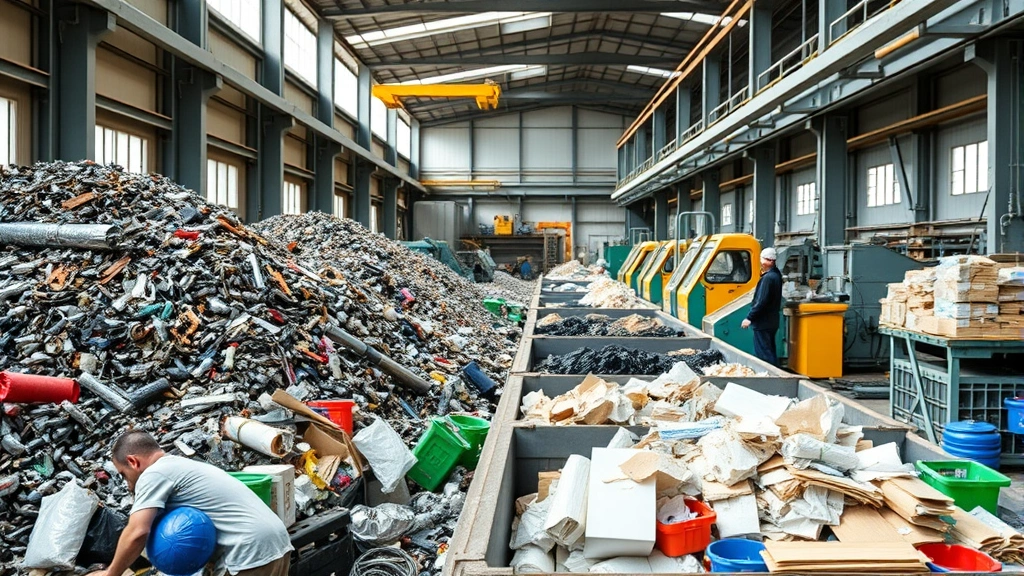
Circular economy mechanisms directly reduce extraction pressure by keeping materials in productive use. When aluminum is recycled, mining operations for bauxite decrease. When building materials are recovered from demolished structures, timber harvesting pressure diminishes. This reduction in extraction intensity translates directly into ecosystem protection.
Extended producer responsibility (EPR) policies exemplify this mechanism. By holding manufacturers accountable for end-of-life product management, EPR creates economic incentives to design for durability and recyclability. Companies like Patagonia have implemented take-back programs for worn clothing, recovering materials for reuse. These programs reduce demand for virgin cotton and synthetic fibers, decreasing pesticide application and microplastic pollution from textile manufacturing.
Material substitution represents another extraction-reducing pathway. Circular economy frameworks encourage replacement of scarce, ecologically destructive materials with renewable or recovered alternatives. Mycelium-based leather substitutes eliminate chrome tanning pollution while reducing cattle ranching pressure on grassland ecosystems. Recycled plastic lumber reduces timber harvest requirements while diverting waste from landfills and oceans.
Quantitative analysis demonstrates significant potential: the Ellen MacArthur Foundation estimates that circular economy adoption in key industries could reduce material extraction by 28-50% by 2050, depending on implementation scope and speed. This reduction would translate to enormous pressure relief on forests, fisheries, and mineral-rich ecosystems.
Carbon Footprint Reduction Through Circular Practices
Climate change represents perhaps the most significant ecosystem threat in the Anthropocene. Circular economy strategies reduce carbon emissions through multiple pathways: decreased extraction energy, reduced manufacturing requirements, lower transportation distances, and avoided landfill methane emissions.
Recycling aluminum requires 95% less energy than primary aluminum production, eliminating massive CO₂ emissions. Remanufactured automotive parts require 85% less energy and produce 80% fewer emissions than manufacturing equivalent new components. When applied systematically across economic sectors, these efficiencies accumulate substantially. The how to reduce carbon footprint discussion increasingly centers on circular economy mechanisms as critical leverage points for climate mitigation.
A 2023 study published in Nature Climate Change found that transitioning to circular economy models could reduce global greenhouse gas emissions by 39% by 2050, even accounting for implementation costs and efficiency losses. This pathway proves more economically feasible than many alternative decarbonization strategies, as circular practices often generate cost savings alongside emissions reductions.
Product lifetime extension deserves particular attention. A smartphone’s manufacturing phase generates 50-80% of its lifetime carbon emissions. Extending device lifespan through repair, remanufacturing, and design for longevity reduces cumulative carbon intensity dramatically. This principle applies across consumer goods: clothing, electronics, furniture, and vehicles all demonstrate significant carbon reduction potential through circular lifecycle extension.
Biodiversity Recovery and Habitat Restoration
Reduced extraction pressure directly enables biodiversity recovery. Protected habitats and restored ecosystems can regenerate when human extraction ceases. Circular economy principles support this restoration by eliminating or substantially reducing the resource demand that drives habitat destruction.
Consider forest ecosystems: aggressive timber harvesting fragments habitats, eliminates old-growth structures critical for species survival, and degrades soil systems that take centuries to recover. Circular economy strategies that maximize wood product lifespan and enable wood recycling reduce demand for virgin timber by 30-50% in modeled scenarios. This reduction provides space for forest regeneration, habitat restoration, and ecosystem service recovery—carbon sequestration, water filtration, biodiversity support.
Marine ecosystems demonstrate similar dynamics. Overfishing has depleted 90% of large predatory fish populations and degraded 50% of coral reef ecosystems. Circular economy approaches to seafood—through improved aquaculture nutrient cycling, reduced bycatch through better equipment design, and decreased fishing pressure via plant-based protein alternatives—create conditions for marine ecosystem recovery. Research from the World Bank indicates that sustainable fisheries management combined with reduced extraction pressure could restore marine fish populations within 10-20 years in many regions.
Soil systems, often overlooked in ecosystem discussions, show remarkable recovery potential under circular economy frameworks. Organic waste recycling through composting and anaerobic digestion restores soil organic matter, enhancing fertility, carbon sequestration, and water retention. Industrial agricultural soils, typically depleted of biological diversity and organic content, regenerate when synthetic inputs decrease and circular organic matter cycling increases. This regeneration supports microbial diversity, fungal networks, and invertebrate populations essential for ecosystem function.
Industrial Symbiosis and Ecosystem Services
Industrial symbiosis—where waste from one process becomes input for another—exemplifies circular economy mechanisms that reduce ecosystem pressure while maintaining economic productivity. The Kalundborg industrial ecosystem in Denmark demonstrates this principle at scale: a power plant, refinery, pharmaceutical facility, and gypsum board manufacturer exchange steam, water, gas, and solid waste, collectively reducing extraction and disposal by 50% compared to isolated operations.
These industrial networks generate ecosystem service benefits beyond direct extraction reduction. By concentrating resource flows and managing outputs systematically, industrial symbiosis reduces water pollution, air emissions, and soil contamination. Wastewater treatment becomes more efficient when multiple facilities coordinate inputs. Solid waste disposal decreases when byproducts find productive use elsewhere in the network.
Ecosystem services—the benefits humans derive from natural systems—increase when industrial symbiosis reduces ecological pressure. Water purification services strengthen when industrial pollution decreases. Pollination services recover as pesticide use declines with reduced agricultural intensity. Carbon sequestration accelerates as forests regenerate under reduced logging pressure and soils rebuild organic matter through circular agricultural practices.
Economic analysis reveals that industrial symbiosis creates competitive advantages alongside environmental benefits. Participating companies reduce input costs, improve waste management efficiency, and enhance operational resilience. These economic incentives drive adoption more effectively than regulatory mandates alone, suggesting that circular economy frameworks can achieve environmental goals through market mechanisms rather than requiring sacrifices of economic competitiveness.
Study Evidence and Research Findings
Empirical research increasingly supports the ecosystem benefits of circular economy implementation. A comprehensive 2022 analysis in Journal of Industrial Ecology examined 47 circular economy case studies across manufacturing, agriculture, and service sectors. The research found that:
- Material extraction reductions averaged 34-48% depending on circular intensity and sector
- Greenhouse gas emissions declined 25-55% through lifecycle carbon reduction
- Water consumption decreased 15-40% as production efficiency improved and extraction pressure diminished
- Biodiversity pressure metrics improved 20-35% measured through habitat protection indices and species population trends
The Ellen MacArthur Foundation’s 2023 report on circular economy scaling documented that companies implementing comprehensive circular strategies experienced:
- Cost reductions of 15-25% through material efficiency and waste elimination
- Revenue increases of 10-20% through new circular business models (repair services, remanufacturing, product-as-service offerings)
- Risk reduction through supply chain diversification and reduced dependence on volatile commodity markets
- Employee engagement improvements as workforce participation in sustainability initiatives increased
Research from ecological economics journals, including studies published by the United Nations Environment Programme (UNEP), demonstrates that ecosystem recovery timelines correlate directly with extraction pressure reduction. Forests show regeneration within 5-10 years when logging ceases. Fisheries recover within 10-20 years under harvest restrictions. Soil systems rebuild within 3-5 years when chemical inputs cease and organic matter cycling resumes.
However, research also reveals important nuances. Circular economy benefits depend critically on energy sources powering recycling and remanufacturing. If powered by fossil fuels, circular processes may reduce but not eliminate carbon emissions. Additionally, circular economy implementation alone cannot address ecosystem damage from pollution already accumulated in environments. Remediation of contaminated sites requires parallel environmental restoration efforts.
Studies examining the sustainable fashion brands implementing circular models show measurable improvements in water quality near production facilities, reduced pesticide runoff, and improved working conditions for agricultural laborers. These benefits extend beyond climate metrics to encompass broader ecosystem and social health dimensions.

Barriers to Circular Economy Implementation
Despite compelling evidence supporting ecosystem benefits, circular economy adoption faces substantial barriers that limit scaling and impact. Understanding these obstacles is essential for developing effective transition strategies.
Economic barriers persist despite long-term cost advantages. Circular infrastructure requires upfront capital investment in sorting facilities, remanufacturing plants, and reverse logistics networks. Small and medium enterprises often lack capital access for these investments. Additionally, subsidies supporting virgin resource extraction create artificial price advantages for linear products, undermining circular alternatives’ competitiveness. Fossil fuel subsidies globally exceed $7 trillion annually when environmental costs are included—these subsidies effectively penalize circular economy adoption.
Technical barriers include material contamination in recycling streams, limited remanufacturing technology for certain product categories, and design legacy issues in existing products. Many consumer goods were designed for linear disposal, making circular recovery economically unfeasible. Developing new materials, redesigning existing products, and creating compatible recycling infrastructure requires extensive research investment and coordination across supply chains.
Policy and governance barriers limit circular economy scaling. Inconsistent recycling standards across regions complicate material flows. Intellectual property protections sometimes prevent remanufacturing of proprietary components. Extended producer responsibility policies remain limited geographically and sectionally. Many nations lack regulatory frameworks encouraging circular design or restricting resource-intensive linear practices.
Social and behavioral barriers include consumer preferences for new products, limited awareness of circular alternatives, and cultural attachments to disposability. Decades of marketing emphasizing novelty and consumption created social norms around disposal. Shifting these cultural patterns requires sustained education, accessible circular alternatives, and positive social incentives for participation.
Rebound effects represent a critical concern in circular economy analysis. When circular practices reduce product costs, consumers may increase consumption, potentially offsetting environmental benefits. A study in Resources, Conservation & Recycling found that rebound effects reduced net environmental benefits of circular strategies by 10-30% in consumer goods sectors, though benefits remained substantially positive.
Future Prospects and Scaling Solutions
Despite current barriers, the trajectory toward circular economy adoption appears increasingly inevitable, driven by resource scarcity, climate imperatives, and emerging economic advantages. Several emerging developments suggest accelerating transition pathways.
Digital technologies enable circular economy scaling through material tracking, product identification, and logistics optimization. Blockchain systems can trace material origins and recovery pathways, ensuring quality in recycled streams. IoT sensors monitor product condition, optimizing repair timing and remanufacturing decisions. Artificial intelligence improves sorting accuracy in recycling facilities, increasing recovery rates and material quality.
Policy momentum is building globally. The European Union’s Circular Economy Action Plan mandates sustainable product design, extended producer responsibility expansion, and restrictions on single-use materials. China’s circular economy framework emphasizes closed-loop industrial parks and resource efficiency standards. These policy drivers create market certainty encouraging investment in circular infrastructure and business model innovation.
Financial innovation addresses capital barriers through green bonds, circular economy funds, and blended finance mechanisms. Impact investors increasingly recognize circular economy opportunities, directing capital toward recycling infrastructure, remanufacturing facilities, and circular product development. As circular models demonstrate financial returns alongside environmental benefits, capital flows accelerate.
Corporate strategy evolution reflects competitive advantages in circular economy leadership. Companies like Interface (carpet tiles), Patagonia (outdoor gear), and Philips (lighting-as-service) demonstrate that circular models can achieve premium positioning, customer loyalty, and operational efficiency simultaneously. As more companies adopt circular strategies, competitive pressure drives broader adoption across supply chains.
Ecosystem regeneration pathways are becoming increasingly sophisticated. Restoration ecology, informed by circular economy principles, develops methods for accelerating natural recovery. Assisted migration helps species adapt to climate change while reduced extraction pressure allows natural adaptation processes. Habitat connectivity restoration, enabled by reduced development pressure from resource extraction, allows species migration and genetic diversity maintenance.
The integration of circular economy with ecological restoration represents the most promising pathway forward. Rather than viewing circular economy as purely economic optimization, advancing frameworks recognize that true circularity must account for ecosystem dynamics, species interactions, and long-term resilience. This ecological economics perspective, increasingly prominent in academic research and policy development, suggests that circular economy and ecosystem salvation are not merely compatible but fundamentally interdependent.
FAQ
Does circular economy completely eliminate environmental impact?
No. Circular economy significantly reduces environmental impact but cannot eliminate it entirely. All economic activity requires energy and generates some emissions and waste. The goal is minimizing impact to levels sustainable ecosystems can absorb and regenerate. Renewable energy powering circular processes, combined with ecosystem regeneration efforts, creates genuinely sustainable systems.
How long does ecosystem recovery take after extraction pressure decreases?
Recovery timelines vary by ecosystem type and damage severity. Forests typically show regeneration within 5-10 years. Fisheries recover within 10-20 years under harvest restrictions. Soil systems rebuild within 3-5 years when chemical inputs cease. Coral reefs require 10-30 years for recovery from bleaching. These timelines assume extraction pressure cessation and may require active restoration acceleration.
Can circular economy work for all product categories?
Circular economy principles apply broadly but implementation varies. Some categories—metals, glass, cardboard—recycle efficiently with established infrastructure. Others—textiles, electronics, composites—require technological development for economical circular recovery. Certain products may be better addressed through reduction and sharing models rather than recycling. Comprehensive circular economy requires category-specific strategies.
What role do governments need to play in circular economy transition?
Governments establish regulatory frameworks, remove subsidies distorting linear economy advantages, invest in circular infrastructure, and support research development. Extended producer responsibility policies, circular procurement standards, and restrictions on resource-intensive practices create market conditions favoring circular alternatives. However, circular economy ultimately requires private sector investment, consumer participation, and innovation—government creates enabling conditions rather than implementing solutions directly.
How does circular economy address pollution already in the environment?
Circular economy reduces future pollution but cannot remediate existing contamination. Parallel environmental restoration efforts remain essential. Soil remediation, water treatment, air quality improvement, and ecosystem restoration address accumulated pollution. Circular economy prevents pollution accumulation acceleration, creating space for remediation efforts to reduce overall environmental burden.
Can circular economy address climate change adequately?
Circular economy contributes substantially to climate mitigation but requires complementary strategies. Research suggests circular economy could reduce global emissions 39% by 2050. Achieving climate targets requires combining circular economy with renewable energy transition, nature-based solutions, and potentially carbon removal technologies. Circular economy represents essential but insufficient climate strategy.