Urban Ecosystems: Shiseido’s Eco-Friendly Initiatives and Economic Sustainability
Shiseido, one of the world’s largest cosmetics and personal care companies, operates within complex urban ecosystems where business operations directly intersect with environmental health and economic resilience. The company’s eco-friendly initiatives represent a critical case study in how multinational corporations can integrate ecological principles with urban development strategies. Understanding Shiseido’s approach to environmental stewardship reveals broader patterns in how industries must adapt to sustain both profitability and planetary health in densely populated metropolitan areas.
Urban ecosystems represent some of the most economically productive yet ecologically vulnerable environments on Earth. Cities consume approximately 78% of global energy and produce 60% of carbon dioxide emissions while occupying only 2% of land area. Within this context, companies like Shiseido face mounting pressure to reduce their ecological footprint while maintaining supply chains, manufacturing facilities, and retail operations across multiple continents. The intersection of business operations and urban environmental health creates both constraints and opportunities for innovation in sustainable practices.

Understanding Urban Ecosystem Dynamics in Corporate Operations
Urban ecosystems function as complex socioecological systems where human infrastructure, economic activity, and natural processes interact dynamically. The definition of environment science encompasses these integrated systems, recognizing that cities are not separate from nature but rather intensive reorganizations of ecological relationships. When Shiseido establishes manufacturing facilities, distribution centers, and retail locations in urban areas, the company becomes embedded within these ecosystem dynamics, influencing water cycles, energy flows, material cycles, and species habitat availability.
The economic value generated by urban ecosystems—including water purification, air filtration, temperature regulation, and biodiversity support—exceeds trillions of dollars annually. Research from the World Bank demonstrates that cities with robust environmental management systems generate higher long-term economic returns and attract greater investment capital. Shiseido’s commitment to urban environmental stewardship therefore represents both an ethical imperative and a strategic business decision, as cities with degraded ecosystems face increased operational costs, supply chain disruptions, and regulatory penalties.
The concept of human environment interaction becomes particularly acute in urban contexts where population density and industrial activity intensify environmental pressures. Shiseido’s facilities must operate within municipal water systems, air quality regulations, waste management infrastructure, and energy grids that are themselves stressed by urban growth. The company’s eco-friendly initiatives therefore cannot be viewed in isolation but rather as integrated responses to the ecological constraints and opportunities inherent in urban environments.

Shiseido’s Sustainability Framework and Urban Integration
Shiseido established its sustainability vision aligned with the United Nations Sustainable Development Goals, with specific commitments to achieving carbon neutrality by 2050 and intermediate targets for 2030. The company’s urban ecosystem approach recognizes that metropolitan areas represent both primary markets for cosmetics and personal care products and critical sites for implementing environmental solutions. By concentrating sustainability efforts in cities, Shiseido can leverage urban infrastructure, technology adoption rates, and consumer awareness to amplify environmental impact.
The company’s sustainability framework encompasses five primary pillars: climate action, water stewardship, circular economy transition, biodiversity protection, and social equity. Each pillar directly addresses ecological functions critical to urban ecosystem health. Climate action reduces greenhouse gas emissions that degrade air quality and accelerate urban heat island effects. Water stewardship protects freshwater systems essential for urban resilience. Circular economy principles minimize waste that degrades soil quality and contaminates groundwater. Biodiversity protection maintains ecosystem services that regulate urban microclimates and support human wellbeing.
Shiseido’s urban integration strategy involves retrofitting existing facilities to reduce environmental impact while designing new operations with ecological principles embedded from inception. The company has invested in LEED-certified facilities, implemented renewable energy systems, and established green spaces within manufacturing and distribution centers. These investments recognize that how humans affect the environment depends not merely on individual actions but on systemic redesign of infrastructure and operational processes.
Water Management and Circular Economy Principles
Water represents both a critical input for cosmetics manufacturing and a scarce resource in many urban areas where Shiseido operates. The company has implemented comprehensive water management systems reducing consumption intensity by 34% since 2010 across its global operations. In urban facilities, Shiseido has installed advanced wastewater treatment systems that enable water recycling and reuse, decreasing freshwater demand and reducing strain on municipal water systems already pressured by urban population growth.
Circular economy principles underpin Shiseido’s approach to material flows and waste reduction. Rather than following linear production models where raw materials are transformed into products and subsequently discarded, Shiseido is redesigning product systems to enable recovery, remanufacturing, and biological decomposition. The company has invested in reverse logistics infrastructure in urban centers where collection density justifies return systems. Consumers can return empty product containers to retail locations, where they are consolidated, transported to processing facilities, and either refilled, recycled, or composted.
The economic logic underlying circular economy adoption reflects ecological economics principles that treat natural capital as finite and essential for sustained production. Traditional linear models externalize environmental costs—water depletion, waste accumulation, habitat destruction—onto society while capturing private profit. Circular models internalize these costs, requiring companies to manage resource flows responsibly. Shiseido’s investment in circular infrastructure generates returns through reduced raw material costs, decreased waste disposal expenses, and enhanced brand value among environmentally conscious urban consumers.
Water recycling systems at Shiseido’s urban facilities exemplify technological innovation aligned with ecological necessity. Wastewater from manufacturing processes undergoes multi-stage filtration, removing cosmetic ingredients and contaminants. The purified water is then recycled into production systems or discharged into municipal systems at quality levels exceeding regulatory requirements. This approach reduces urban water stress while demonstrating that industrial operations need not deplete finite freshwater resources.
Carbon Reduction Strategies in Manufacturing and Distribution
Manufacturing and distribution operations generate substantial carbon emissions through energy consumption, transportation, and supply chain activities. Shiseido has committed to reducing Scope 1 and Scope 2 emissions (direct operations and purchased energy) by 50% by 2030 relative to 2015 baseline levels. This commitment requires fundamental transformation of urban facility operations, particularly in energy sourcing and manufacturing efficiency.
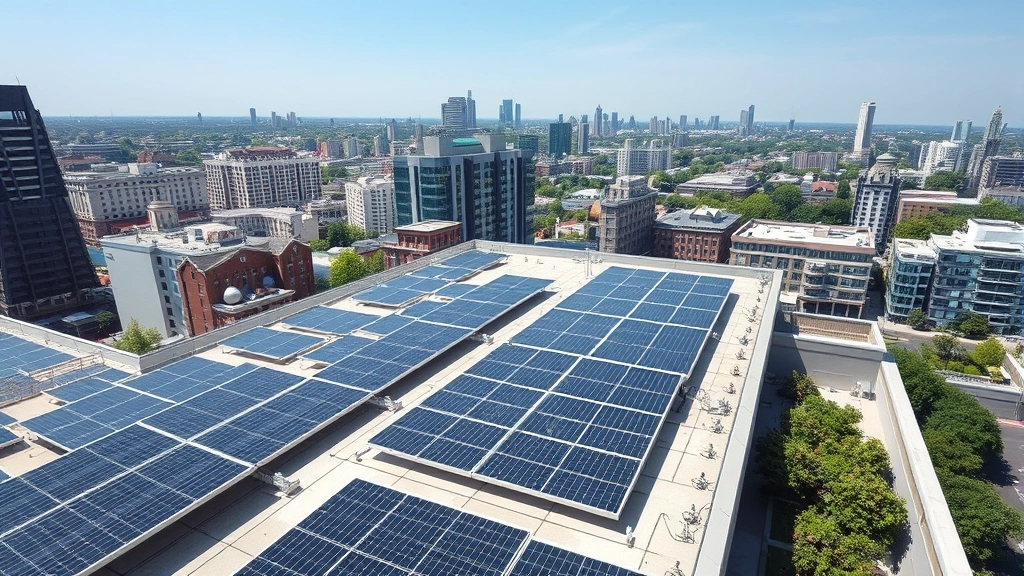
The company has accelerated renewable energy adoption at urban manufacturing sites, installing solar panels on facility rooftops and entering power purchase agreements for wind energy. These investments address urban air quality degradation caused by fossil fuel combustion while reducing operational costs as renewable energy prices decline. Urban facilities benefit from higher solar irradiance due to heat island effects and access to distributed renewable infrastructure increasingly available in metropolitan areas.
Transportation represents the second major emissions source within Shiseido’s distribution network. Urban distribution centers enable consolidated shipments to retail locations, reducing per-unit transportation emissions compared to dispersed warehouse networks. The company has invested in electric vehicle fleets for last-mile delivery in major cities, recognizing that urban air pollution imposes significant health costs on urban populations. This investment aligns ecological and economic interests: reduced vehicle emissions improve public health while decreasing transportation costs as electric vehicle operating expenses decline.
Shiseido’s approach to how to reduce carbon footprint encompasses supply chain optimization that identifies emissions reduction opportunities across suppliers, manufacturers, and logistics partners. The company has established science-based targets verified by the Science Based Targets initiative, ensuring that emissions reductions align with climate science requirements for limiting global warming to 1.5°C.
Packaging Innovation and Material Science Advances
Cosmetics packaging represents a significant environmental burden, with billions of units generated annually across the industry. Shiseido has invested substantially in packaging innovation, developing lightweight containers that reduce material consumption and transportation emissions. The company has increased recycled content in plastic packaging from 0% to over 50% across its product portfolio, decreasing virgin plastic demand and associated extraction impacts.
Material science innovation enables Shiseido to develop packaging from renewable, biodegradable, or infinitely recyclable materials. The company has introduced refillable container systems where consumers purchase durable containers once and subsequently purchase refills in minimal packaging. This approach dramatically reduces waste generation while creating recurring revenue streams from refill purchases. Urban markets with high consumer density and retail infrastructure support refill systems economically viable only in metropolitan areas.
Packaging materials themselves reflect ecological economics principles. Rather than optimizing solely for cost, Shiseido evaluates total environmental impact including raw material extraction, manufacturing emissions, transportation weight, end-of-life processing, and ecosystem effects. This comprehensive assessment recognizes that low-cost materials often impose high environmental costs externalized onto society. By internalizing environmental costs in material selection, Shiseido aligns private incentives with ecological sustainability.
The company has pioneered development of packaging materials derived from marine waste, agricultural byproducts, and mineral sources that reduce dependence on petrochemical feedstocks. These innovations demonstrate that material constraints can drive technological advancement, creating competitive advantages through superior environmental performance.
Supply Chain Transparency and Biodiversity Protection
Shiseido’s supply chains extend globally, sourcing raw materials from ecosystems worldwide. Urban facilities depend on biodiversity from forests, wetlands, grasslands, and agricultural systems that provide ingredients for cosmetics formulations. The company has implemented supply chain transparency initiatives documenting material origins and environmental impacts, enabling identification of biodiversity risks and conservation opportunities.
Biodiversity protection represents an economic imperative as well as an ethical obligation. Approximately 40% of global economic output depends on ecosystem services, with cosmetics industry particularly dependent on botanical ingredients. Supply chain disruptions from habitat loss threaten ingredient availability and price stability. Shiseido’s investment in supplier sustainability programs protects both ecosystem health and supply security.
The company has established partnerships with conservation organizations to protect ecosystems supplying critical ingredients. In collaboration with environmental nonprofits, Shiseido supports habitat restoration, sustainable agriculture development, and indigenous land rights protection in biodiversity hotspots. These initiatives recognize that sustainable brands must extend environmental stewardship beyond direct operations into supply systems and upstream ecosystems.
Shiseido’s biodiversity initiatives generate economic returns through supply security and brand differentiation. Consumers increasingly demand transparency regarding ingredient sourcing and environmental impacts, creating market premiums for products demonstrating biodiversity protection. This market dynamic incentivizes companies to internalize conservation costs, aligning profit motives with ecological sustainability.
Economic Implications of Environmental Investment
Shiseido’s substantial investment in environmental initiatives raises questions about economic implications and financial returns. Corporate environmental spending generates returns through multiple mechanisms: operational cost reduction, market expansion, risk mitigation, and brand value enhancement. The company’s water reduction initiatives decrease both water procurement costs and wastewater treatment expenses, generating annual savings exceeding environmental investment costs within 3-5 year timeframes.
Renewable energy investments generate returns through reduced energy costs as solar and wind power prices decline below fossil fuel alternatives. Urban facilities benefit from higher renewable energy capacity factors and access to distributed generation infrastructure. Shiseido’s renewable energy investments position the company advantageously as carbon pricing mechanisms expand globally, imposing costs on fossil fuel-dependent competitors.
Market expansion represents a significant return mechanism as environmental improvements access premium consumer segments and emerging market segments prioritizing sustainability. Research demonstrates that consumers willingly pay price premiums for products from companies demonstrating authentic environmental commitment. Shiseido’s eco-friendly initiatives expand addressable markets while supporting brand loyalty among environmentally conscious demographics.
Risk mitigation generates substantial financial value as environmental regulations tighten and supply chains become vulnerable to climate impacts. Companies that proactively reduce environmental footprints avoid regulatory penalties, adapt more effectively to climate disruptions, and maintain supply chain continuity. Shiseido’s environmental investments therefore represent risk management strategies that protect shareholder value while advancing ecological sustainability.
The economic case for environmental investment reflects ecological economics principles that recognize natural capital depletion as economically unsustainable. Companies that externalize environmental costs onto society ultimately face financial consequences through regulatory penalties, supply disruptions, and market contraction. Shiseido’s investment in environmental stewardship represents economically rational adaptation to ecological constraints, positioning the company for sustained profitability within resource-constrained futures.
FAQ
What specific environmental targets has Shiseido established?
Shiseido has committed to achieving carbon neutrality by 2050 with intermediate targets including 50% Scope 1 and 2 emissions reduction by 2030, 34% water consumption reduction achieved since 2010, and 50% recycled content in plastic packaging. The company has established science-based targets verified by independent organizations, ensuring alignment with climate science requirements.
How do urban ecosystems affect Shiseido’s operations and sustainability initiatives?
Urban ecosystems provide essential services including water systems, energy infrastructure, waste management systems, and biodiversity that support Shiseido’s operations. The company’s urban sustainability initiatives must integrate with municipal infrastructure while addressing concentrated environmental pressures from population density and industrial activity. Urban locations enable circular economy systems and renewable energy adoption economically viable only in high-density areas.
What economic returns does Shiseido generate from environmental investments?
Environmental investments generate returns through operational cost reduction (water and energy savings), market expansion (premium product segments), risk mitigation (regulatory compliance and supply security), and brand value enhancement. Payback periods typically range from 3-7 years depending on investment type, with long-term returns extending across decades as resource scarcity increases.
How does Shiseido’s approach compare to other cosmetics companies?
Shiseido’s comprehensive sustainability framework across climate, water, circular economy, and biodiversity represents industry leadership, though peer companies have established comparable commitments. Differentiation emerges through implementation effectiveness, supply chain transparency, and integration of environmental considerations into product innovation and business strategy.
What role do urban consumers play in Shiseido’s sustainability initiatives?
Urban consumers drive demand for sustainable products and support return/refill systems economically viable only in high-density markets. Consumer awareness of environmental impacts creates market premiums for sustainable products, incentivizing companies to improve environmental performance. Urban communities also provide feedback mechanisms enabling companies to identify environmental priorities and measure initiative effectiveness.
How do Shiseido’s initiatives address broader urban sustainability challenges?
Shiseido’s water recycling, renewable energy adoption, waste reduction, and biodiversity protection initiatives address systemic urban sustainability challenges including freshwater depletion, energy system decarbonization, waste accumulation, and ecosystem degradation. By demonstrating that industrial operations can enhance rather than degrade urban ecosystems, Shiseido contributes to broader urban sustainability transitions.


