
San Francisco’s Green Economy: Impact on Local Ecosystems
San Francisco stands at the intersection of economic innovation and environmental stewardship, positioning itself as a leader in developing a green economy that reshapes how cities integrate prosperity with ecological health. The Bay Area’s transition toward sustainable business practices, renewable energy adoption, and circular economy models demonstrates that economic growth and ecosystem preservation need not be mutually exclusive. This transformation reflects broader shifts in understanding environmental science and its application to urban planning and economic policy.
The city’s commitment to achieving carbon neutrality by 2050 and its interim goal of reducing greenhouse gas emissions by 55 percent by 2030 has catalyzed unprecedented investment in green technologies, sustainable infrastructure, and nature-based solutions. These initiatives have direct implications for San Francisco’s diverse ecosystems, from the San Francisco Bay’s fragile wetlands to the urban forest canopy that supports critical wildlife corridors. Understanding these impacts requires examining the complex relationship between economic activities and ecological outcomes, a field increasingly recognized as essential to global sustainability efforts.
The Green Economy Framework in San Francisco
San Francisco’s green economy represents a deliberate restructuring of economic priorities to align with ecological limits and regenerative principles. The city has implemented comprehensive policies including mandatory waste diversion goals, green building standards exceeding California’s Title 24 requirements, and preferential procurement policies favoring businesses meeting environmental criteria. These measures reflect an understanding of human environment interaction that emphasizes reducing negative externalities while creating positive economic opportunities.
The local green economy encompasses multiple sectors: renewable energy generation and storage, sustainable transportation infrastructure, green building and retrofitting, environmental consulting, waste management innovation, and ecological restoration services. According to data from the Bay Area Council Economic Institute, green economy jobs in the region have grown at rates exceeding overall employment growth, with particular strength in solar installation, energy efficiency retrofitting, and sustainable transportation sectors. These jobs typically offer above-median wages and require specialized skills, creating pathways for workforce development aligned with ecological objectives.
San Francisco’s Office of Sustainability has established metrics tracking economic activity directly tied to environmental outcomes. The city’s waste diversion rate, now exceeding 80 percent through mandatory composting and recycling programs, has created an entire economic ecosystem of sorting facilities, composting operations, and material recovery enterprises. This circular economy approach reduces the need for landfill expansion while generating economic value from materials traditionally considered waste. The relationship between economic activity and environmental management demonstrates how human activities affect the environment can be fundamentally restructured through deliberate policy and investment.
Renewable Energy Transition and Ecosystem Effects
San Francisco’s aggressive renewable energy adoption represents one of the most significant economic transitions with measurable ecosystem impacts. The city’s goal of achieving 100 percent renewable electricity by 2030 has driven substantial investment in solar infrastructure, offshore wind development partnerships, and energy storage systems. These investments simultaneously reduce carbon emissions and decrease demand for fossil fuel extraction, with cascading benefits for ecosystems damaged by conventional energy production.
The renewable energy transition eliminates local air pollution that historically degraded urban ecosystems and human health. Fine particulate matter (PM2.5) and nitrogen oxides from fossil fuel combustion reduced air quality and contributed to acid rain affecting San Francisco’s surrounding watersheds and forests. As renewable energy sources expand, air quality improvements create conditions favoring native plant growth and supporting sensitive animal populations. Studies from the World Bank’s environmental initiatives document how air quality improvements in cities transitioning to renewable energy correlate with increased biodiversity and ecosystem recovery.
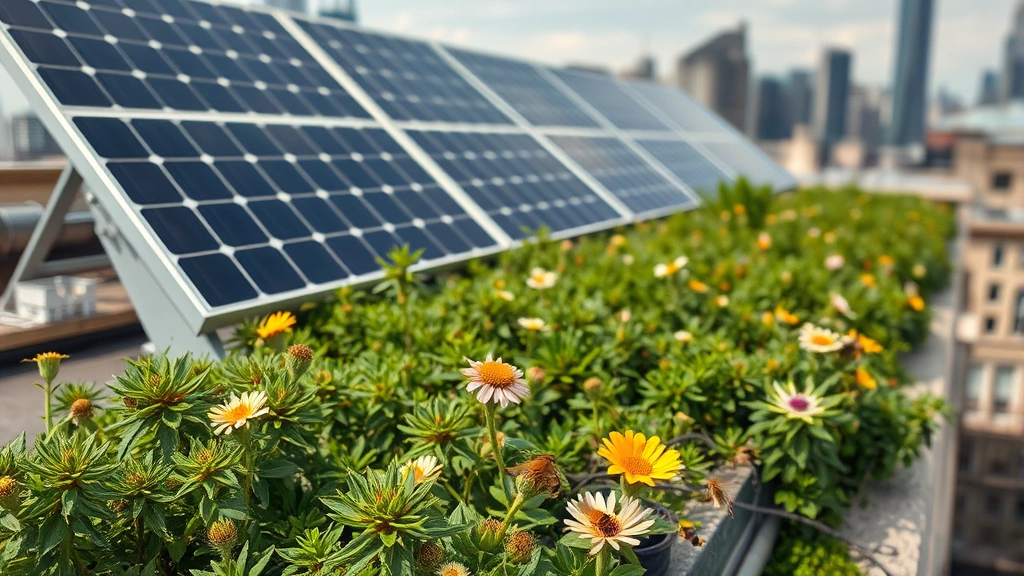
However, renewable energy infrastructure itself requires careful ecosystem management. Solar panel installation on rooftops minimizes land use impacts, but large-scale solar farms in surrounding regions necessitate habitat consideration. San Francisco’s partnership with renewable energy providers includes environmental review processes ensuring installations avoid critical habitat areas. The city has also pioneered innovative approaches like pollinator-friendly solar farms where native flowering plants grow beneath panels, creating dual benefits of clean energy and habitat provision.
Energy storage systems, essential for managing renewable energy’s intermittency, represent an emerging economic sector with evolving ecosystem implications. Battery manufacturing, while resource-intensive, enables reduced reliance on peaking power plants that previously operated only during high-demand periods. The economic case for energy storage strengthens as battery costs decline, making the business model increasingly viable while environmental benefits accumulate through avoided fossil fuel generation.
Urban Green Infrastructure and Biodiversity
San Francisco’s investment in green infrastructure—permeable pavements, green roofs, rain gardens, and restored urban forests—directly supports ecosystem functions while providing economic benefits through stormwater management cost reduction and property value enhancement. The city’s comprehensive environmental initiatives include requirements for new development to incorporate green infrastructure, creating demand for specialized design and installation services while reducing strain on aging gray infrastructure systems.
The urban forest represents particularly significant ecosystem value. San Francisco’s approximately 500,000 street trees and park trees provide estimated ecosystem services worth millions annually through stormwater interception, air pollution removal, temperature regulation, and habitat provision. Green economy investments in urban forestry—including native tree planting, arborist services, and forest management—simultaneously create employment and enhance biodiversity. Recent studies document how intentional tree planting strategies favoring native species support native bird populations and pollinators that had declined during decades of urban intensification.
Green roof adoption has accelerated following regulatory incentives and demonstrated economic returns. Buildings incorporating green roofs experience reduced cooling costs, extended roof membrane lifespan, and improved stormwater management. The green roof industry in San Francisco has grown substantially, employing landscape specialists, waterproofing technicians, and horticulturists. Ecologically, green roofs create novel habitat for native plants and arthropods, contribute to urban cooling reducing heat island effects, and improve air quality through vegetation photosynthesis and particulate capture.
The restoration of natural areas within the city, including wetland restoration projects and native habitat enhancement in parks, represents another green economy sector generating employment while directly benefiting ecosystem recovery. The San Francisco Bay National Wildlife Refuge expansion and associated restoration work has created positions for environmental scientists, habitat restoration specialists, and conservation technicians. These efforts have enabled recovery of threatened species including salt marsh harvest mice and California clapper rails, demonstrating how economic investment in restoration generates measurable biodiversity outcomes.
Bay Ecosystem Recovery Through Economic Incentives
The San Francisco Bay ecosystem, historically degraded through industrial development, pollution, and habitat conversion, has experienced significant recovery enabled by economic mechanisms and green economy investment. Pollution control regulations implemented over decades have reduced point-source contamination, improving water quality and supporting recovery of commercially and ecologically important species including Dungeness crabs and herring populations. These regulatory frameworks, while generating compliance costs, have created business opportunities in pollution monitoring, treatment technology, and environmental consulting.
Wetland restoration represents a major green economy initiative with substantial ecological value. San Francisco Bay’s wetlands, reduced from approximately 750,000 acres to less than 10,000 acres by the early 1980s, have experienced recovery through restoration projects often funded by mitigation requirements and environmental bond measures. Economic analysis demonstrates that restored wetlands provide ecosystem services—water filtration, carbon sequestration, fish nursery habitat, and storm surge buffering—exceeding restoration costs within decades. This economic case for wetland restoration has motivated substantial private investment alongside public funding, creating employment in environmental engineering and restoration ecology.
The bay’s recovery illustrates principles of ecological economics, which values ecosystem services and incorporates environmental costs into economic decision-making. UNEP’s marine resource management approaches increasingly recognize how economic incentives can align business interests with ecosystem protection. San Francisco’s implementation of marine protected areas and sustainable fisheries management creates frameworks where economic activity occurs within ecological constraints, ensuring long-term resource availability.
Water quality improvements resulting from green infrastructure and pollution control investments have enabled recovery of sensitive species and expanded recreational opportunities. Improved bay water quality has made waterfront areas more attractive, supporting tourism and waterfront development that generates tax revenue while creating incentives for continued environmental protection. This virtuous cycle demonstrates how initial green economy investments can generate economic returns justifying continued environmental stewardship.
Challenges and Trade-offs in Green Development
San Francisco’s green economy transition, while generating substantial environmental benefits, presents complex trade-offs and challenges requiring careful management. Rapid green development can inadvertently accelerate gentrification and displacement, as environmental improvements increase property values and attract affluent residents, pricing out existing communities. This tension between environmental improvement and social equity requires deliberate policy design ensuring that ecosystem benefits and green economy opportunities are equitably distributed.
The city has implemented policies addressing these challenges, including community benefits agreements for green development projects, prioritization of green job training in disadvantaged neighborhoods, and affordable housing requirements in environmentally improved areas. These policies recognize that sustainable development must simultaneously address environmental and social dimensions, reflecting understanding that reducing environmental impact cannot come at the cost of increased social inequality.
Green infrastructure and renewable energy deployment require resource-intensive manufacturing and installation, generating environmental impacts upstream and during implementation phases. Solar panel manufacturing involves energy-intensive processes and uses materials requiring extraction, though lifecycle analyses demonstrate that solar energy’s environmental benefits far exceed manufacturing impacts. Similarly, energy storage battery production requires mining lithium, cobalt, and other materials with their own environmental costs. San Francisco’s green economy framework must account for these embodied environmental costs, preferring suppliers demonstrating responsible sourcing and manufacturing practices.
Ecosystem impacts of green development can be subtle and require long-term monitoring. Green infrastructure installations may alter hydrology in ways affecting native plant communities adapted to historical water regimes. Habitat restoration projects sometimes involve management interventions—prescribed burning, native species planting, invasive species removal—that temporarily disrupt ecosystems before creating improved conditions. Monitoring protocols and adaptive management frameworks are essential for ensuring that green economy investments generate intended ecological outcomes.
Economic Models Supporting Ecological Restoration
Emerging economic models increasingly recognize ecosystem services as economic assets requiring investment and management comparable to built infrastructure. San Francisco has pioneered approaches valuing natural capital and incorporating ecosystem service values into decision-making. The city’s environmental impact assessment framework explicitly quantifies ecosystem service changes resulting from development, creating economic incentives for designs minimizing ecological disruption.
Payment for ecosystem services (PES) programs represent an innovative economic mechanism aligning private incentives with ecological objectives. These programs compensate landowners for management practices generating ecosystem benefits—carbon sequestration, water filtration, habitat provision. San Francisco’s watershed protection programs include payments to landowners implementing conservation practices enhancing water quality and habitat. These economic mechanisms create revenue streams supporting land stewardship while generating employment in ecosystem monitoring and management.
Green bonds and environmental impact investing have mobilized capital for ecosystem restoration and sustainable infrastructure. San Francisco’s issuance of green bonds has funded renewable energy projects, green infrastructure, and habitat restoration, demonstrating investor appetite for investments with measurable environmental returns. This capital availability accelerates green economy development and ecosystem restoration, creating employment while achieving environmental objectives.
The city’s approach reflects principles documented by institutions including the International Council for Local Environmental Initiatives, which emphasizes how local governments can catalyze green economy development through policy, investment, and procurement decisions. San Francisco’s municipal purchasing power—billions annually in procurement—has been leveraged to support green businesses and sustainable suppliers, creating market demand for environmentally responsible products and services.
Nature-based solutions increasingly receive economic recognition and investment. Wetland restoration, riparian buffer establishment, and forest conservation provide ecosystem services—carbon storage, water filtration, habitat provision—quantifiable in economic terms. San Francisco’s integration of nature-based solutions into urban planning and climate strategy reflects understanding that ecological systems provide essential services that would require expensive engineered alternatives if unavailable. This economic valuation of nature motivates investment in ecosystem protection and restoration as cost-effective infrastructure strategy.

FAQ
How does San Francisco’s green economy contribute to local ecosystem recovery?
San Francisco’s green economy investments in renewable energy, green infrastructure, and habitat restoration directly support ecosystem recovery by reducing pollution, restoring habitat, and creating economic incentives for environmental stewardship. Renewable energy reduces air pollution and carbon emissions affecting local and regional ecosystems. Green infrastructure enhances stormwater management and supports urban biodiversity. Habitat restoration projects directly recover degraded ecosystems, particularly in the San Francisco Bay and surrounding watersheds.
What are the primary challenges in implementing green economy policies?
Key challenges include managing gentrification and displacement resulting from environmental improvements, ensuring equitable distribution of green economy benefits, accounting for embodied environmental costs in green technology manufacturing, and monitoring long-term ecosystem impacts of green infrastructure and restoration projects. Policy solutions include community benefits agreements, green job training in disadvantaged communities, responsible sourcing requirements, and adaptive management frameworks.
How do renewable energy investments affect local ecosystems?
Renewable energy transition eliminates air pollution from fossil fuel combustion, improves air quality supporting ecosystem recovery, and reduces demand for fossil fuel extraction preventing habitat destruction. Renewable energy infrastructure—solar panels and wind turbines—requires careful siting to avoid critical habitat, though innovations like pollinator-friendly solar farms create dual benefits. Energy storage systems, essential for renewable energy reliability, reduce need for peaking power plants operating primarily during high-demand periods.
What economic benefits result from ecosystem restoration?
Ecosystem restoration generates employment in environmental science, habitat restoration, and ecosystem monitoring. Restored ecosystems provide measurable ecosystem services—water filtration, carbon sequestration, habitat provision, storm surge buffering—with economic value exceeding restoration costs. Improved environmental quality supports tourism, recreational opportunities, and property value enhancement. These economic benefits justify continued environmental investment and create constituencies supporting environmental protection.
How does San Francisco measure success in green economy development?
San Francisco tracks multiple metrics including greenhouse gas emissions reduction, renewable energy generation percentage, waste diversion rates, green economy employment, air and water quality improvements, and biodiversity indicators. The city’s Office of Sustainability publishes annual sustainability reports documenting progress toward climate and environmental objectives. Third-party verification and peer review ensure accountability and enable learning from successes and challenges.
What role do green bonds play in financing ecosystem protection?
Green bonds mobilize capital for projects generating measurable environmental benefits, including renewable energy infrastructure, green infrastructure, and habitat restoration. Investor demand for environmental impact investments has increased capital availability for these projects at favorable financing rates. Green bond proceeds fund initiatives that simultaneously achieve environmental objectives and generate employment, creating economic and ecological benefits.


