
Sedimentary Rocks’ Role in Ecosystems: A Study
Sedimentary rocks form the foundation of Earth’s geological and ecological systems, yet their significance in maintaining ecosystem health remains underexplored in mainstream environmental discourse. These rocks, created through the compaction and cementation of sediments over millions of years, serve as critical infrastructure for biodiversity, nutrient cycling, and carbon sequestration. Understanding their multifaceted role reveals how geological processes directly influence ecological stability and economic productivity across global ecosystems.
The relationship between sedimentary rocks and environment extends far beyond simple geology. These formations regulate water availability, provide habitat structures, influence soil composition, and store vital mineral resources that support both natural and human systems. From coastal cliffs that prevent erosion to limestone aquifers that supply fresh water to billions, sedimentary rocks demonstrate the inseparable connection between Earth’s physical and biological systems. This comprehensive analysis explores how sedimentary rock formations sustain ecosystem functions while offering insights into sustainable resource management and environmental preservation.
Geological Formation and Ecosystem Development
Sedimentary rocks originate from the weathering and erosion of pre-existing rocks, which are subsequently transported, deposited, and lithified through compaction and chemical precipitation. This geological process, occurring over millions of years, creates diverse rock types including sandstone, shale, limestone, and conglomerate. Each type exhibits distinct properties that profoundly affect ecosystem characteristics within their regions. The formation process itself demonstrates how environmental conditions shape geological structures that later become foundational to ecosystem development.
The stratigraphic layering of sedimentary rocks preserves paleoenvironmental records, revealing historical climate patterns, ancient ocean conditions, and past ecosystem compositions. These geological archives provide invaluable data for understanding how ecosystems respond to environmental changes over extended timescales. Modern ecosystems developing on sedimentary rock substrates inherit specific characteristics determined by the parent rock composition, porosity, and permeability. For instance, sandstone formations typically create well-drained environments supporting different vegetation communities than impermeable shale deposits, which retain moisture and favor hydrophytic species.
Understanding environmental science principles reveals how sedimentary rock substrates determine ecosystem productivity and species composition. The weathering of sedimentary rocks releases essential nutrients—including phosphorus, potassium, and trace minerals—that become bioavailable through natural leaching processes. This nutrient liberation directly supports primary productivity in overlying ecosystems, establishing the energetic foundation for entire food webs and biodiversity networks.
Water Cycles and Aquifer Systems
Sedimentary rock formations function as critical components of global hydrological cycles, storing and transmitting water through porous and permeable layers. Sandstones and fractured carbonates serve as aquifers, containing approximately 23% of global freshwater reserves and supplying drinking water to over 2 billion people worldwide. These underground reservoirs represent irreplaceable water infrastructure, providing reliable freshwater sources independent of precipitation variability and climatic fluctuations. The porosity and permeability characteristics of sedimentary rocks determine their capacity to store and transmit groundwater, making them essential for water security in arid and semi-arid regions.
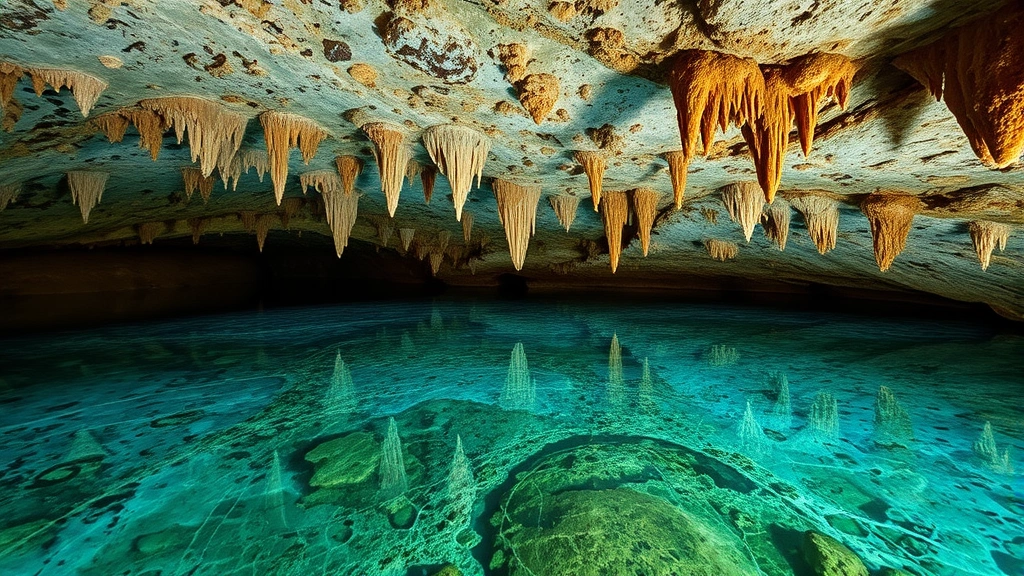
Limestone and dolomite formations create karst landscapes characterized by sinkholes, caves, and underground rivers—ecosystems supporting specialized biological communities adapted to subterranean conditions. These cave systems harbor unique invertebrate species, microorganisms, and fungi that contribute to nutrient cycling and ecosystem functions invisible to surface observers. The water flowing through sedimentary rock formations undergoes natural filtration, removing suspended particles and certain contaminants while dissolving minerals that influence water chemistry and aquatic ecosystem health. This natural purification capacity reduces treatment requirements and provides ecosystem services valued at billions annually.
The relationship between human-environment interaction and groundwater systems exemplifies how natural geological processes support human populations. Excessive groundwater extraction from sedimentary aquifers, however, threatens long-term water availability and ecosystem stability. The Ogallala Aquifer in North America and the Indus Basin aquifers in South Asia demonstrate how overexploitation of sedimentary rock-hosted water resources creates economic and ecological crises. Sustainable management requires understanding aquifer recharge rates, storage capacity, and interconnections with surface water systems—knowledge grounded in sedimentary rock hydrogeology.
Soil Development and Nutrient Cycling
Sedimentary rock weathering represents the primary mechanism for soil formation, the crucial interface between geological and biological systems. Physical, chemical, and biological weathering processes break down sedimentary rock minerals, creating parent material that accumulates organic matter and develops soil horizons over centuries to millennia. Soil developed on different sedimentary rock types exhibits distinct properties affecting water retention, nutrient availability, and microbial communities. Sandstone-derived soils tend toward coarser textures with rapid drainage, while shale-derived soils develop finer textures with higher water-holding capacity and nutrient retention.
The nutrient cycling processes occurring in sedimentary rock-derived soils exemplify ecosystem productivity regulation. Feldspar minerals in sandstones weather to release potassium and sodium, while limestone weathering releases calcium and magnesium essential for plant growth and animal skeletal development. These geochemical processes occur continuously but imperceptibly, sustaining productivity across millions of hectares of agricultural and natural ecosystems. Soil microorganisms—bacteria, fungi, and archaea—accelerate mineral weathering through organic acid production and enzymatic activity, creating biogeochemical feedback loops that enhance nutrient availability for plant communities.
Agricultural productivity in regions with sedimentary rock substrates depends critically on understanding these soil-rock interactions. Limestone-derived soils in Mediterranean regions support productive olive and grape cultivation, while sandstone-derived soils in temperate regions support diverse forest communities. The nutrient content, pH buffering capacity, and water retention characteristics of sedimentary rock-derived soils determine crop suitability and fertilizer requirements. Sustainable agriculture must account for inherent soil limitations and enhancement opportunities provided by underlying sedimentary rock formations, optimizing productivity while maintaining long-term soil health.
Biodiversity Habitats and Structural Support
Sedimentary rock formations create diverse physical structures that support specialized biodiversity across terrestrial, aquatic, and subterranean ecosystems. Cliff faces composed of sandstone, shale, and limestone provide nesting sites for raptors, seabirds, and other species adapted to vertical substrates. Rocky outcrops created by sedimentary rock exposures establish microhabitats with distinct temperature, moisture, and light regimes supporting unique plant communities including lithophytic species found nowhere else. These geological features increase landscape heterogeneity, enhancing beta diversity and creating refugia for species vulnerable to broader environmental changes.
Limestone cave systems support entire ecosystems based on chemosynthetic and heterotrophic processes, with specialized cave fauna including blind fish, colorless arthropods, and unique microbial communities. These subterranean ecosystems represent biodiversity repositories of immense scientific value, containing species found nowhere else on Earth. The conservation of cave ecosystems requires protecting surrounding sedimentary rock formations from mining, quarrying, and groundwater extraction that could compromise cave hydrology and biological integrity. Research into cave microorganisms has revealed novel metabolic pathways and antibiotic compounds with potential pharmaceutical applications, demonstrating how sedimentary rock-hosted ecosystems contribute to human welfare.
River and stream ecosystems flowing through sedimentary rock valleys depend on the geological substrate for habitat complexity and water chemistry regulation. Boulders and cobbles derived from sedimentary rocks create hydraulic diversity, producing pools, riffles, and eddies supporting diverse aquatic communities. The chemical composition of water flowing through sedimentary formations influences pH, mineral content, and nutrient concentrations, determining species composition and productivity of aquatic ecosystems. Dams and water extraction from sedimentary rock aquifers alter these natural hydrological regimes, disrupting ecosystem functions and threatening species dependent on specific flow conditions and water chemistry.
Carbon Sequestration and Climate Regulation
Sedimentary rocks, particularly carbonates, represent Earth’s largest long-term carbon reservoirs, storing carbon that has been removed from the atmosphere over geological timescales. Limestone and dolomite formations contain billions of tons of carbon in the form of calcium and magnesium carbonate minerals, representing carbon sequestered through biological and chemical precipitation processes over millions of years. This geological carbon storage mechanism operates on timescales far exceeding human civilization, yet interconnects with contemporary climate regulation through weathering processes and carbon cycle feedbacks.
The weathering of sedimentary carbonate rocks constitutes a significant sink in the global carbon cycle, consuming atmospheric carbon dioxide through chemical reactions that produce bicarbonate ions transported to oceans. This process, while occurring slowly in unweathered rocks, accelerates dramatically in agricultural soils and disturbed landscapes where weathering surfaces are exposed. Conversely, limestone and coal mining—extracting carbon-rich sedimentary rocks—releases sequestered carbon, contributing to atmospheric CO2 accumulation and climate change. Understanding these carbon cycle dynamics is essential for reducing carbon footprint impacts and developing climate mitigation strategies.
Sedimentary rock formations also host organic-rich shales and coal seams representing ancient biological productivity. These deposits preserve carbon fixed by past photosynthetic organisms, stored in reduced organic forms for hundreds of millions of years. Combustion of fossil fuels extracted from sedimentary rocks releases this ancient carbon, creating the anthropogenic climate change crisis. The relationship between sedimentary rock carbon storage and climate regulation underscores how geological processes fundamentally influence atmospheric composition and global climate patterns. Protecting remaining carbon-rich sedimentary formations from extraction and developing alternative energy systems represents a critical climate mitigation imperative.
Economic Implications and Resource Management
Sedimentary rocks provide essential mineral resources, construction materials, and energy sources supporting global economic systems. Limestone extracted for cement production, aggregate for concrete, and agricultural amendments represents one of the most abundant industrial minerals, with annual global production exceeding 8 billion tons. Sandstone provides construction stone, glass sand, and foundry sand, while shales serve as ceramic and brick raw materials. These sedimentary rock resources support infrastructure development, housing construction, and manufacturing across all economies, yet extraction often creates environmental costs exceeding economic benefits.
The economic valuation of ecosystem services provided by sedimentary rock formations remains incomplete in standard economic accounting. Water storage and purification services provided by sedimentary aquifers, biodiversity support from rock formations, and nutrient cycling through weathering processes generate economic value that typically remains uncompensated in market transactions. Environmental economics research increasingly recognizes these ecosystem service values, advocating for payment mechanisms and regulatory frameworks that internalize environmental costs into resource extraction decisions. Sustainable resource management requires balancing extraction benefits against ecosystem service losses, applying principles of ecological economics that value natural capital alongside economic capital.
Mining and quarrying of sedimentary rocks create landscape disturbances with lasting ecosystem impacts. Habitat destruction, groundwater depletion, and contamination from mining operations eliminate ecosystem services and reduce biodiversity. Restoration of quarried sedimentary rock sites remains technically challenging and economically expensive, often resulting in permanent landscape conversion. Circular economy approaches promoting recycling of sedimentary rock-derived materials, reduced extraction rates, and protection of high-value ecosystem areas offer pathways toward sustainable resource management. Understanding the full economic implications of sedimentary rock resource extraction enables more rational decision-making that balances short-term economic gains against long-term environmental and economic sustainability.
Threats and Conservation Strategies
Contemporary threats to sedimentary rock-dependent ecosystems include climate change, overexploitation of groundwater, mining and quarrying expansion, pollution, and habitat fragmentation. Rising temperatures alter precipitation patterns affecting groundwater recharge and aquifer sustainability, while also shifting species distributions and ecosystem compositions. Ocean acidification—caused by increased atmospheric CO2 dissolving in seawater—threatens calcifying organisms dependent on carbonate chemistry, potentially disrupting marine ecosystems and the biological carbon pump. These climate-driven changes occur rapidly relative to geological timescales, limiting ecosystem adaptation capacity.
Conservation strategies protecting sedimentary rock ecosystems require integrated approaches addressing multiple threat sources. Establishing protected areas encompassing representative sedimentary rock formations preserves biodiversity and ecosystem functions while enabling scientific research. Groundwater management regulations limiting extraction rates to sustainable levels protect aquifer resources for future generations and maintain ecosystem water availability. Restoration of degraded sedimentary rock landscapes, though expensive and challenging, can recover ecosystem functions and species populations. Sustainable mining practices incorporating environmental impact assessment, restoration requirements, and monitoring protocols reduce extraction impacts while maintaining resource availability.
Research advancing understanding of sedimentary rock ecology remains essential for developing effective conservation strategies. Long-term monitoring of aquifer levels, species populations, and ecosystem functions provides data for adaptive management approaches. Interdisciplinary collaboration integrating geology, ecology, hydrology, and economics enables comprehensive understanding of sedimentary rock system complexity. Supporting research through funding agencies and academic institutions strengthens the scientific foundation for conservation policy and environmental decision-making. The exploration of environmental topics through rigorous scientific investigation enables evidence-based approaches to sedimentary rock ecosystem protection.

International cooperation addressing sedimentary rock ecosystem protection recognizes that water and mineral resources transcend political boundaries. Transboundary aquifer management agreements, shared water governance frameworks, and international conventions protecting geological heritage sites exemplify cooperative approaches. Organizations including the United Nations Environment Programme and World Bank increasingly incorporate geological ecosystem considerations into environmental management and development planning. Scientific journals publishing environmental management research disseminate knowledge about sedimentary rock conservation, while research platforms enable global scientific collaboration addressing these challenges.
FAQ
What are the main types of sedimentary rocks and their ecological roles?
Sedimentary rocks include sandstone (providing groundwater storage and well-drained habitats), limestone (carbonate aquifers and cave ecosystems), shale (water-retention soils and aquicludes), and conglomerate (structural features and mineral resources). Each type influences ecosystem characteristics through distinct physical and chemical properties, determining species composition, productivity, and water availability in overlying ecosystems.
How do sedimentary rocks influence water availability and aquifer function?
Sedimentary rocks create aquifer systems through their porosity and permeability, storing and transmitting groundwater that supplies over 2 billion people with drinking water. Sandstones and carbonates serve as primary aquifer materials, while shales function as confining layers. The hydrogeological properties of sedimentary formations determine groundwater flow rates, storage capacity, and water quality characteristics essential for ecosystem and human water security.
What ecosystem services do sedimentary rock formations provide?
Sedimentary rocks provide water purification and storage, nutrient cycling through weathering, carbon sequestration, habitat creation, soil formation, and mineral resources. These services support biodiversity, human food security through agricultural productivity, freshwater availability, and climate regulation. Economic valuation of these services remains incomplete, yet their importance for ecosystem integrity and human welfare is unquestionable.
How does sedimentary rock mining affect ecosystems?
Mining and quarrying of sedimentary rocks destroy habitats, deplete groundwater, contaminate water resources, generate landscape disturbance, and reduce biodiversity. These impacts often exceed the economic value of extracted resources when ecosystem service losses are considered. Sustainable mining practices incorporating restoration requirements and environmental monitoring can reduce impacts, yet protection of unexcavated formations remains the most effective conservation approach.
What conservation strategies protect sedimentary rock ecosystems?
Effective conservation strategies include establishing protected areas, regulating groundwater extraction, implementing sustainable mining practices, restoring degraded landscapes, and conducting long-term ecosystem monitoring. International cooperation addressing transboundary aquifers and geological heritage sites, combined with scientific research advancing understanding of sedimentary rock ecology, strengthens conservation outcomes. Integrating geological considerations into environmental policy and development planning ensures long-term ecosystem sustainability.


