
What Is the Environment? Scientific Perspective
The environment represents one of the most fundamental yet complex concepts in modern science, encompassing far more than the casual observer might initially recognize. From a rigorous scientific standpoint, the environment is not simply trees and animals in a forest, nor is it reducible to a single ecosystem or biome. Rather, it constitutes an intricate web of interconnected physical, chemical, and biological systems that operate across multiple spatial and temporal scales, from microscopic soil organisms to planetary atmospheric circulation patterns. Understanding the scientific definition of environment requires us to examine how energy flows through systems, how matter cycles between living and non-living components, and how countless organisms interact within their surroundings.
The scientific perspective on the environment draws from multiple disciplines including ecology, environmental chemistry, geology, atmospheric physics, and oceanography. This interdisciplinary approach reveals that environmental systems operate according to fundamental physical laws—conservation of energy, thermodynamic principles, and biogeochemical cycling—that govern how resources are distributed, transformed, and utilized across the biosphere. When scientists discuss the environment, they refer to a dynamic, self-regulating system capable of supporting life while simultaneously being shaped by the activities of living organisms, particularly human civilization.
In the context of environmental science definitions, the environment encompasses the totality of circumstances and influences surrounding an organism or community. This holistic understanding emphasizes that environmental health depends not on isolated components but on the functional integrity of entire systems and their capacity to provide essential ecosystem services that sustain human civilization.
Core Components of the Scientific Environment
The scientific definition of environment comprises several distinct yet interconnected components that function as an integrated whole. The abiotic environment includes all non-living physical and chemical elements: atmosphere, hydrosphere, lithosphere, and soil. These components exist in constant interaction, exchanging energy and matter through processes like evaporation, precipitation, weathering, and erosion. The atmosphere, for instance, serves as both a medium for gas exchange and a regulator of planetary temperature through greenhouse gas dynamics. The hydrosphere encompasses all water systems—oceans, freshwater lakes, rivers, groundwater, and atmospheric moisture—which collectively regulate climate, transport nutrients, and provide habitats for aquatic organisms.
The biotic environment comprises all living organisms: plants, animals, fungi, microorganisms, and countless other life forms that have evolved to occupy nearly every terrestrial and aquatic habitat on Earth. These organisms do not passively exist within their environment; rather, they actively modify and structure their surroundings through their metabolic activities, growth patterns, and interactions with other species. A forest ecosystem, for example, is shaped not merely by rainfall and temperature but fundamentally by the trees themselves, which alter soil chemistry, create microclimates through canopy effects, and support complex food webs.
The interaction between abiotic and biotic components creates what ecologists term the biosphere—the thin layer of Earth where life exists. This integration is so profound that we cannot meaningfully separate living organisms from their physical surroundings; they form a unified system where energy flow and nutrient cycling are inseparable from species interactions and community structure. Understanding environmental systems requires recognizing that organisms are not simply inhabitants of an environment but rather active participants in shaping and maintaining it.
Energy Flow and Thermodynamic Principles
A cornerstone of scientific environmental understanding involves recognizing how energy flows through all systems, governed by the laws of thermodynamics. The first law of thermodynamics—energy conservation—establishes that energy cannot be created or destroyed, only transformed from one form to another. In environmental systems, solar radiation enters the biosphere and is converted through photosynthesis into chemical energy stored in organic molecules. This energy then flows through food chains and food webs as organisms consume other organisms or their remains, with each transfer involving significant energy loss as heat.
The second law of thermodynamics, addressing entropy, explains why environmental systems require continuous energy input to maintain organization and complexity. Without constant solar radiation, ecosystems would degrade toward thermodynamic equilibrium, resulting in loss of structure and biological diversity. This principle has profound implications for understanding environmental sustainability: human civilization, like all life, depends absolutely on the continuous flow of solar energy and the capacity of environmental systems to transform and distribute that energy in usable forms.
Primary productivity—the rate at which plants convert solar energy into organic matter—represents the fundamental energetic foundation of all ecosystems. Scientists measure productivity as the amount of biomass or organic carbon accumulated per unit area per unit time. This metric directly reflects environmental health and capacity to support life. Tropical rainforests exhibit high primary productivity due to favorable temperature and moisture conditions, while deserts and tundra regions show lower productivity, reflecting the energetic constraints imposed by their climatic conditions.
Biogeochemical Cycles and Matter Cycling
While energy flows in one direction through environmental systems, matter cycles repeatedly between living and non-living components. The carbon cycle exemplifies this cycling: carbon dioxide from the atmosphere is incorporated into plant biomass through photosynthesis, consumed by herbivores, oxidized through respiration, and returned to the atmosphere. Geological processes like fossil fuel formation represent long-term carbon storage, while decomposition rapidly recycles carbon from dead organic matter. Human activities, particularly fossil fuel combustion, have dramatically accelerated the carbon cycle, increasing atmospheric CO₂ concentrations by over 50% since pre-industrial times.
The nitrogen cycle demonstrates similarly complex biogeochemical processes. Atmospheric nitrogen, despite comprising 78% of the air, remains unavailable to most organisms until converted to reactive forms through nitrogen fixation by specialized bacteria and archaea. This fixed nitrogen supports plant growth, enters food webs, and is recycled through decomposition. Human agricultural practices have doubled the amount of reactive nitrogen cycling through the biosphere, with significant consequences for water quality, air pollution, and ecosystem structure. Understanding these cycles reveals why environmental degradation in one location often has cascading effects across entire regions or globally.
The phosphorus and sulfur cycles operate similarly, though with distinct characteristics reflecting their geological origins and chemical properties. Phosphorus, often the limiting nutrient in freshwater ecosystems, cycles more slowly than carbon or nitrogen due to its geological basis in rock weathering. Sulfur cycles both through biological processes and through atmospheric chemistry, where sulfur dioxide pollution has created acid rain problems affecting forest and aquatic ecosystems across the Northern Hemisphere.
Ecosystems as Functional Units
Ecologists define an ecosystem as a community of organisms interacting with their physical environment, functioning as an integrated unit. This definition emphasizes that ecosystems possess emergent properties—characteristics arising from the interactions of components that cannot be predicted from studying components in isolation. A forest ecosystem’s capacity to regulate water cycling, store carbon, or maintain soil fertility emerges from the complex interactions between trees, fungi, soil organisms, animals, and physical processes.
Ecosystem functioning depends on multiple critical processes: energy capture through photosynthesis, nutrient cycling through biogeochemical pathways, decomposition of organic matter, predator-prey dynamics, and competition for resources. These processes maintain ecosystem stability and productivity. When ecosystems are disrupted—through habitat loss, species extinction, pollution, or climate change—these functional processes degrade, often with cascading consequences for the services ecosystems provide to human society.
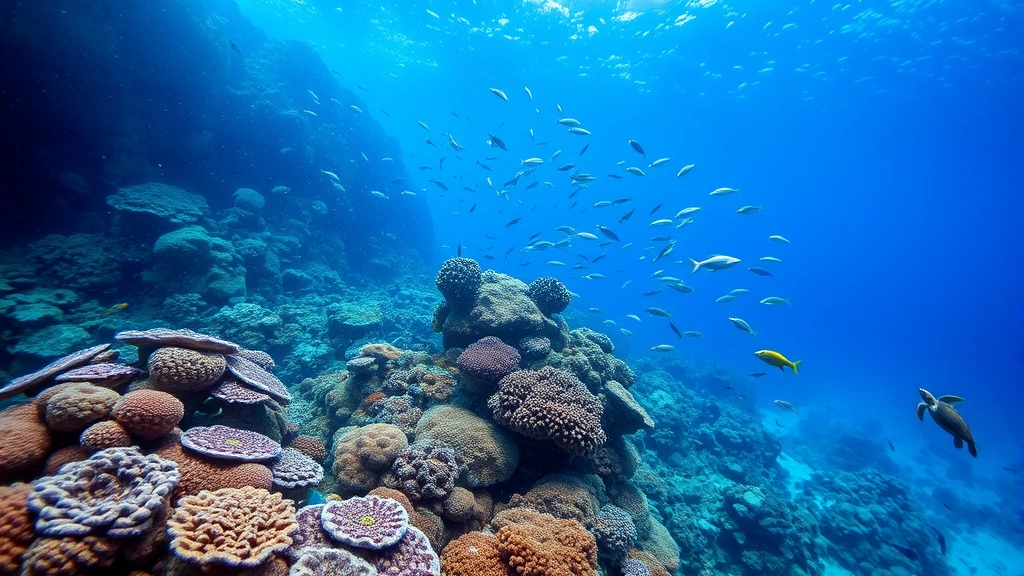
Scientists recognize that ecosystems exist across a spectrum of complexity and productivity. Coral reefs represent some of Earth’s most productive ecosystems despite inhabiting nutrient-poor tropical waters, achieving this through extraordinary biodiversity and tight nutrient cycling. Temperate forests show high productivity with moderate diversity. Grasslands maintain lower productivity but often greater resilience to disturbance. Desert ecosystems, while seemingly simple, display remarkable adaptations to resource scarcity. This diversity of ecosystem types contributes to overall global environmental resilience and provides crucial ecosystem services.
Scales of Environmental Organization
Environmental science recognizes that processes operate across vastly different spatial and temporal scales, from local to global, from seconds to millennia. Understanding the environment requires integrating across these scales. At the local scale, a square meter of forest floor contains billions of microorganisms engaged in decomposition, nutrient cycling, and energy transformation. A pond ecosystem demonstrates how local conditions—sunlight, temperature, nutrient availability—determine community composition and productivity.
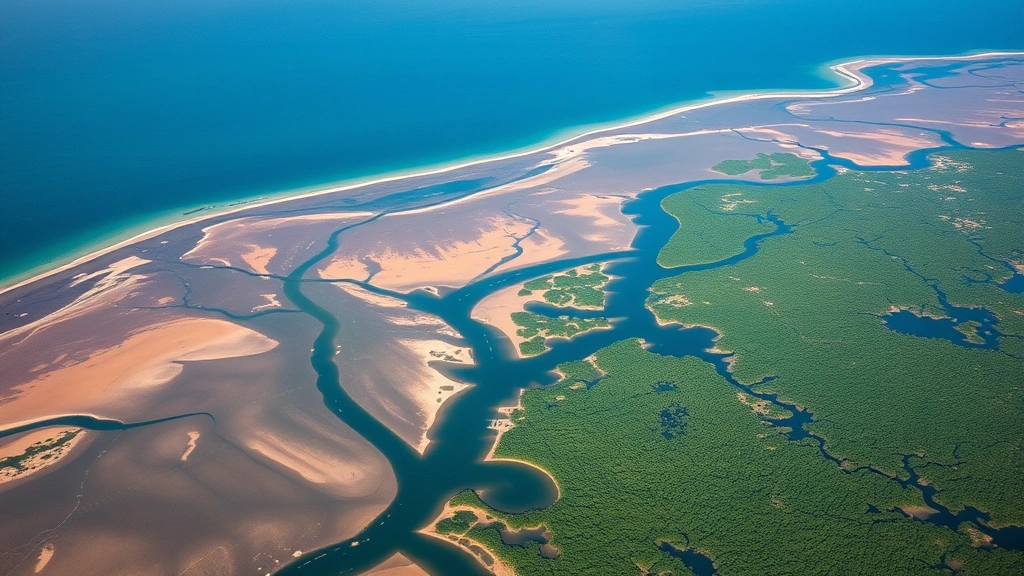
At the landscape scale, ecosystems interact with one another through flows of organisms, energy, and matter. A river corridor connects upstream forests with downstream wetlands and estuaries, transporting nutrients, sediments, and organisms. Landscape ecology examines how spatial arrangement of ecosystems affects ecological processes and species movement. Fragmentation of landscapes through human development disrupts these connections, isolating populations and reducing environmental resilience.
The regional scale encompasses multiple landscapes and biomes, where climate patterns and geological features create distinct environmental zones. Tropical regions support rainforests, savannas, and wetlands depending on rainfall patterns and soil conditions. Temperate regions display seasonal forests and grasslands. These regional patterns reflect the fundamental role of climate in determining environmental structure and function.
The global scale reveals how environmental processes transcend political boundaries. Atmospheric circulation distributes heat and moisture globally, creating climate patterns. Ocean currents transport heat from equator to poles and distribute larvae and nutrients across ocean basins. Migratory animals travel between continents. Pollutants spread globally through air and water. Climate change represents the ultimate global environmental process, with alterations in atmospheric composition affecting every ecosystem on Earth. Understanding modern environmental challenges requires recognizing these interconnected global systems and how local actions cascade to planetary consequences.
Biodiversity and Environmental Complexity
Biodiversity—the variety of life at genetic, species, and ecosystem levels—represents a fundamental characteristic of the environment and a key measure of environmental health. Scientific research demonstrates that biodiversity performs critical functional roles: diverse plant communities exhibit greater productivity and stability, diverse soil microorganisms enhance nutrient cycling efficiency, and diverse predator communities provide more robust pest control. Biodiversity also provides insurance against environmental disturbances; diverse ecosystems typically recover more rapidly from disturbances than species-poor ecosystems.
The scientific environment contains an estimated 8-10 million eukaryotic species, with perhaps 2 million formally described. This extraordinary diversity reflects billions of years of evolution generating adaptations to every conceivable environmental niche. Tropical ecosystems, despite covering only 7% of Earth’s land surface, contain over 50% of described species, reflecting the favorable conditions for speciation in warm, stable environments. However, current extinction rates are estimated at 100-1000 times background rates, primarily driven by habitat destruction, climate change, and other human activities.
Functional diversity—the diversity of roles organisms play in ecosystems—often matters more than species diversity for maintaining ecosystem services. A forest containing many tree species that occupy similar niches provides less functional redundancy than a forest with fewer species occupying distinct ecological roles. Loss of functional diversity can precipitate ecosystem collapse even when species diversity remains moderate.
Anthropogenic Environmental Change
The scientific perspective recognizes that human civilization has become the dominant force shaping the environment at global scales. The Anthropocene—the proposed geological epoch defined by human dominance—reflects fundamental changes in atmospheric composition, ocean chemistry, sediment cycling, and species distributions. Humans now appropriate approximately 25% of global net primary productivity, meaning one species—us—uses one-quarter of all plant growth on Earth. This extraction of resources far exceeds what environmental systems can sustainably provide, indicating that current civilization operates beyond planetary boundaries.
Climate change represents perhaps the most significant anthropogenic environmental alteration. Fossil fuel combustion has increased atmospheric CO₂ from pre-industrial levels of 280 ppm to current levels exceeding 420 ppm, with consequences for planetary temperature, precipitation patterns, sea level, and ecosystem distribution. The reduction of carbon footprint has become essential for environmental sustainability.
Other major anthropogenic changes include habitat destruction, which fragments landscapes and isolates populations; pollution, which contaminates air, water, and soil with toxic substances; nutrient pollution, which causes eutrophication of aquatic systems; and invasive species introduction, which disrupts native communities. These changes operate synergistically, with climate change exacerbating habitat loss and pollution amplifying climate impacts on sensitive species.
Environmental Services and Human Dependence
Scientific research increasingly quantifies the services that environmental systems provide to human civilization, revealing our absolute dependence on ecosystem functioning. Ecosystem services include provisioning services (food, water, timber), regulating services (climate regulation, flood control, pollination), supporting services (nutrient cycling, soil formation, primary productivity), and cultural services (recreation, spiritual value, aesthetic appreciation).
The economic value of ecosystem services—estimated at trillions of dollars annually—far exceeds the value of goods extracted from nature. Forests provide carbon storage, water filtration, erosion control, and biodiversity habitat simultaneously. Wetlands filter pollutants, store carbon, regulate water flows, and support fisheries. Coral reefs protect coastlines, support fisheries, and provide pharmaceutical compounds. When environmental degradation eliminates these services, society must either do without them or replace them with expensive technological substitutes—water treatment plants replacing natural filtration, seawalls replacing mangrove protection, synthetic pollination replacing wild bee services.
The transition to renewable energy systems represents one critical response to environmental limits, though comprehensive sustainability requires addressing resource extraction, consumption patterns, and population dynamics simultaneously. Scientific perspectives increasingly emphasize that environmental protection and human wellbeing are inseparable; degraded environments ultimately cannot support human civilization.
Understanding the scientific definition of environment thus requires recognizing that humans are not separate from or superior to environmental systems but rather embedded within them, dependent on their functioning, and capable of disrupting their operation. The coming decades will determine whether civilization can transition to sustainable relationships with environmental systems or whether continued degradation will precipitate ecological and social collapse.
FAQ
What is the scientific definition of environment?
The scientific definition encompasses all abiotic (non-living) and biotic (living) components surrounding organisms, including atmosphere, hydrosphere, lithosphere, soil, and all living species. It emphasizes environmental systems as integrated wholes governed by energy flow and matter cycling, not merely as collections of separate elements.
How do scientists measure environmental health?
Scientists assess environmental health through multiple metrics: biodiversity indices measuring species richness and evenness, primary productivity indicating energy capture capacity, water and air quality measurements, soil function assessments, and ecosystem service valuations. Integrated indices often combine multiple indicators to evaluate overall ecosystem integrity.
What role does climate play in defining environments?
Climate fundamentally determines environmental structure by controlling water availability, temperature regimes, and seasonality. These abiotic factors shape which organisms can survive in particular regions, determine primary productivity levels, and influence biogeochemical cycling rates. Climate change thus represents a fundamental threat to environmental systems globally.
How do ecosystems maintain stability?
Ecosystem stability emerges from multiple mechanisms: negative feedback loops that resist change, functional redundancy where multiple species perform similar roles, biodiversity providing insurance against disturbances, and energy flow through complex food webs distributing energy across many pathways. Loss of any stability mechanism reduces ecosystem resilience.
Why does biodiversity matter scientifically?
Biodiversity performs multiple critical functions: diverse communities show greater productivity and stability, diverse microorganisms enhance nutrient cycling, diverse predator communities provide pest control, and diverse plant communities better utilize available resources. Biodiversity also provides evolutionary potential for adaptation to future environmental changes.
How do humans exceed environmental limits?
Current human civilization appropriates approximately 25% of global net primary productivity, extracts resources faster than they regenerate, and generates waste faster than environmental systems can process it. These actions exceed what scientists term planetary boundaries—the safe operating space for human civilization within Earth system limits.


