
Boost Economy & Ecosystems: Safety Tips Inside
The intersection of workplace safety, economic productivity, and environmental stewardship represents one of the most compelling opportunities for organizational development in the 21st century. When companies implement comprehensive safety protocols, they simultaneously strengthen financial performance and reduce ecological footprints. This integrated approach recognizes that healthy workers in thriving ecosystems create sustainable competitive advantages. The traditional siloed approach to safety, economics, and environmental management has given way to a holistic understanding that these domains are fundamentally interconnected.
Workplace safety extends far beyond compliance requirements or accident prevention statistics. Modern organizations increasingly recognize that safety culture directly correlates with resource efficiency, waste reduction, and environmental responsibility. When employees work in safe conditions with proper protocols, operational inefficiencies decrease, material waste diminishes, and energy consumption becomes optimized. Furthermore, human-environment interaction within workplace contexts shapes broader ecological outcomes through supply chain decisions, procurement practices, and operational standards that ripple throughout economic systems.
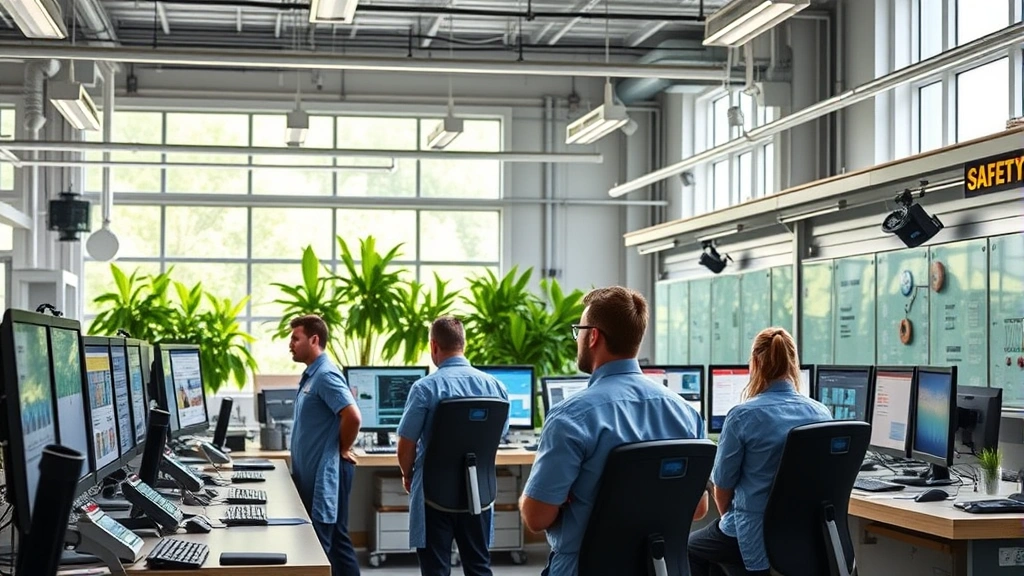
Understanding the Safety-Economy-Ecosystem Nexus
The relationship between workplace safety and broader economic-ecological outcomes requires sophisticated analysis. Research from the World Bank’s environmental initiatives demonstrates that organizations prioritizing safety simultaneously achieve superior environmental outcomes. This phenomenon occurs through multiple mechanisms: reduced accident-related resource depletion, decreased emergency response waste, minimized environmental remediation costs, and enhanced employee engagement in sustainability initiatives.
Economic theory increasingly incorporates ecological constraints as fundamental variables rather than external considerations. When we understand environment definition in modern economic contexts, we recognize that natural capital depreciation directly impacts long-term organizational viability. Workplace safety practices that prevent environmental incidents—chemical spills, contaminated water discharge, air quality degradation—simultaneously protect ecosystem services that underpin economic value creation.
The concept of ecosystem services—the tangible benefits humans derive from natural systems—has profound implications for workplace safety philosophy. When safety protocols prevent industrial accidents that would otherwise damage watersheds, pollinate ecosystems, or degrade soil quality, organizations protect the natural infrastructure upon which their supply chains depend. This creates powerful economic incentives for comprehensive safety implementation beyond traditional regulatory compliance.
Global economic institutions increasingly recognize this interconnection. The United Nations Environment Programme has documented extensive evidence that occupational safety improvements correlate with reduced environmental externalities across industrial sectors. Organizations implementing integrated safety-environment management systems report cost savings averaging 15-30% compared to traditional siloed approaches.
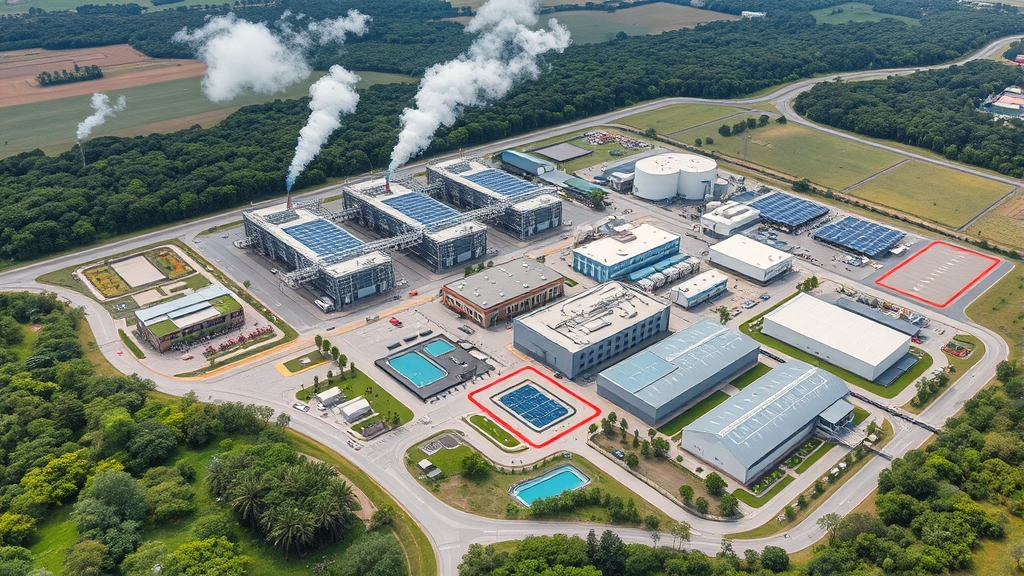
Comprehensive Safety Protocols for Modern Workplaces
Effective safety protocols require systematic approaches addressing physical, chemical, biological, ergonomic, and psychological hazards. Modern safety culture extends beyond personal protective equipment to encompass organizational design, decision-making processes, and resource allocation patterns. The most successful organizations implement hierarchical control frameworks that prioritize hazard elimination over worker adaptation.
Physical safety infrastructure forms the foundation of comprehensive protocols. This includes proper equipment maintenance, facility design that minimizes accident vectors, emergency response systems, and regular safety audits. Organizations should establish clear protocols for equipment inspection, maintenance scheduling, and replacement timelines. Environmental monitoring systems that track air quality, temperature, humidity, and chemical concentrations provide real-time data enabling proactive interventions.
Chemical safety requires specialized attention in industrial and manufacturing contexts. Proper storage, handling, transportation, and disposal of hazardous materials prevent both acute incidents and chronic exposure risks. Inventory management systems should track chemical quantities, expiration dates, and compatibility relationships. Training programs must ensure all personnel understand material safety data sheets, emergency procedures, and proper personal protective equipment selection.
Ergonomic safety addresses the repetitive strain injuries and musculoskeletal disorders that represent leading workplace injury categories. Workstation design, task rotation, tool selection, and movement pattern optimization reduce injury rates while improving productivity. Organizations that invest in ergonomic assessment and modification report decreased workers’ compensation costs, reduced absenteeism, and improved employee satisfaction.
Psychological safety—the belief that one can speak up about concerns without fear of retaliation—fundamentally shapes safety outcomes. Organizations with strong psychological safety cultures experience higher incident reporting rates, enabling early intervention before serious accidents occur. This requires leadership commitment to non-punitive reporting systems, transparent communication about safety issues, and genuine responsiveness to employee concerns.
Key safety implementation elements include:
- Hazard identification and risk assessment protocols
- Personal protective equipment selection and maintenance
- Emergency response planning and regular drills
- Safety training and competency verification
- Incident investigation and corrective action systems
- Safety communication and awareness campaigns
- Regular audits and continuous improvement processes
Economic Benefits of Integrated Safety Systems
The economic case for comprehensive workplace safety extends well beyond accident prevention costs. While direct benefits include reduced workers’ compensation insurance premiums, medical expenses, and litigation costs, indirect benefits often exceed direct savings. Organizations implementing advanced safety systems experience measurable improvements in productivity, quality, employee retention, and market reputation.
Productivity gains emerge from multiple sources. Injured workers experience reduced work capacity, creating output gaps and requiring temporary replacement labor. Accident investigations disrupt normal operations, consuming management attention and resources. Workplace injuries increase absenteeism rates both for injured employees and coworkers attending to accident response. Organizations with strong safety records maintain more consistent production schedules and higher quality outputs, reducing rework and customer dissatisfaction.
The relationship between safety culture and quality management reflects deeper organizational principles. Companies emphasizing meticulous attention to safety details also typically emphasize precision in production processes, quality control, and customer service. This systematic attention to detail reduces defect rates, warranty claims, and customer returns—costs that frequently exceed direct safety-related expenses.
Employee retention improvements provide substantial economic benefits. Safety-conscious organizations attract higher-caliber job candidates, reduce turnover costs, and develop deeper organizational knowledge. Experienced workers demonstrate greater efficiency, require less supervision, and mentor newer employees more effectively. Turnover costs—typically 50-200% of annual salary when accounting for recruitment, training, and lost productivity—represent substantial economic drains that safety investments meaningfully reduce.
Insurance and regulatory compliance costs decrease as safety records improve. Organizations with strong safety metrics negotiate better insurance rates, reduce regulatory inspection frequency, and avoid costly violations and penalties. These direct cost reductions accumulate substantially across organization lifespans.
Market reputation and brand value enhancement represent increasingly significant economic factors. Consumers, investors, and business partners increasingly prioritize safety and environmental responsibility when making purchasing and partnership decisions. Organizations with exemplary safety records command premium pricing, attract investment capital at favorable rates, and develop stronger customer loyalty.
Environmental Impact of Workplace Safety Practices
Workplace safety practices directly influence environmental outcomes through multiple pathways. When we examine how to reduce carbon footprint in industrial contexts, workplace safety emerges as a critical variable. Accidents frequently generate environmental contamination requiring expensive remediation, consuming energy and resources far exceeding initial incident prevention investments.
Industrial accidents commonly result in environmental releases—chemical spills, gas emissions, wastewater discharge—that damage ecosystems and deplete natural capital. Preventing these incidents through safety protocols protects water quality, soil integrity, air composition, and biodiversity. The economic valuation of these ecosystem services often exceeds millions of dollars for significant incidents.
Energy efficiency improves when organizations implement comprehensive safety systems. Proper equipment maintenance reduces energy consumption by ensuring machinery operates at optimal efficiency. Facility design improvements that address safety concerns often simultaneously reduce heating, cooling, and lighting requirements. Organizations implementing safety-focused facility upgrades typically achieve 10-20% energy consumption reductions.
Waste reduction correlates strongly with safety culture. Organizations prioritizing safety typically implement systematic waste management, recycling, and resource recovery programs. These initiatives reduce landfill disposal volumes, decrease raw material procurement, and lower associated environmental impacts. The systematic thinking that prevents workplace accidents frequently extends to preventing material waste and environmental contamination.
Supply chain environmental impacts decrease when organizations enforce safety standards throughout procurement networks. Suppliers meeting stringent safety requirements typically also maintain higher environmental standards, reducing upstream ecological impacts. This supply chain leverage enables organizations to influence environmental practices far beyond their direct operations.
Organizations examining sustainable fashion brands and other sustainable business models discover that safety and environmental responsibility form mutually reinforcing systems. Leading sustainable organizations universally maintain exemplary safety records, recognizing that environmental stewardship and worker protection reflect identical organizational values and systematic approaches.
Implementation Strategies for Sustainable Workplaces
Successful safety implementation requires strategic planning, adequate resource allocation, leadership commitment, and sustained attention to continuous improvement. Organizations should initiate implementation through comprehensive hazard assessments identifying workplace risks specific to their operations, industry sector, and geographic location.
Leadership commitment represents the foundational requirement for effective safety culture development. When executives visibly prioritize safety, allocate adequate budgets, participate in safety meetings, and model safe behaviors, organizational culture shifts to embrace safety values. Conversely, when leadership treats safety as compliance burden rather than strategic priority, employees recognize the inconsistency and disengage from safety initiatives.
Training programs must address both technical competencies and cultural values. Employees need practical knowledge about hazard recognition, proper equipment use, emergency procedures, and incident reporting. Equally important, training should communicate organizational commitment to safety, explain how individual behaviors contribute to collective safety outcomes, and empower employees to speak up about concerns.
Technology enables more sophisticated safety management. Real-time monitoring systems track environmental conditions, equipment status, and worker location. Data analytics identify emerging hazard patterns before incidents occur. Mobile applications enable rapid incident reporting and corrective action tracking. However, technology supplements rather than replaces human judgment, leadership attention, and cultural commitment to safety.
Continuous improvement processes ensure safety systems evolve as organizations learn from experience. Regular safety audits identify system gaps and improvement opportunities. Incident investigations must focus on root cause analysis rather than blame assignment, enabling organizational learning. Near-miss reporting systems—capturing incidents that could have caused injury but didn’t—provide early warning signals enabling preventive interventions.
Stakeholder engagement extends safety responsibility throughout organizational networks. Customers, suppliers, contractors, and community members should understand organizational safety commitments and participate in safety culture development. When safety becomes a shared responsibility across stakeholder networks, collective risk management improves substantially.
Organizations should also consider how broader sustainability initiatives connect with safety. Renewable energy for homes and industrial renewable energy systems often incorporate safety improvements alongside environmental benefits. Facility upgrades addressing energy efficiency frequently improve working conditions and reduce hazard exposure.
Measuring Success Across Multiple Dimensions
Comprehensive measurement systems should track safety outcomes, economic impacts, and environmental metrics simultaneously. This integrated approach reveals the interconnected benefits of effective safety implementation and justifies continued investment.
Safety metrics should include:
- Incident rates (total recordable incident rate, lost workday case rate)
- Severity metrics (days away from work, permanent disabilities)
- Near-miss reporting frequency and patterns
- Safety audit scores and compliance percentages
- Training completion rates and assessment scores
- Safety culture survey results and employee engagement
Economic metrics capturing safety benefits include:
- Workers’ compensation insurance costs and claim frequencies
- Productivity metrics (output per labor hour, quality defect rates)
- Employee turnover rates and recruitment costs
- Regulatory compliance status and violation costs
- Equipment downtime and maintenance costs
- Insurance premium reductions and favorable rating classifications
Environmental metrics demonstrating ecological benefits include:
- Incident-related environmental releases and contamination events
- Energy consumption per unit output
- Waste generation and disposal volumes
- Water consumption and discharge quality
- Air emissions and particulate matter
- Supply chain environmental compliance assessments
Research from ecological economics journals increasingly documents positive correlations between safety investment and environmental performance. The journal Ecological Economics publishes extensive evidence that organizations treating safety and environmental protection as integrated systems achieve superior outcomes across both dimensions compared to organizations managing these areas separately.
Long-term organizational resilience depends increasingly on integrated safety-economic-environmental performance. Organizations preparing for climate change impacts, regulatory evolution, and stakeholder expectations must implement systems addressing all three dimensions simultaneously. The competitive advantage accrues not to organizations optimizing single dimensions but to those achieving excellence across integrated systems.
FAQ
How do workplace safety improvements reduce environmental impacts?
Safety protocols prevent accidents that would otherwise cause environmental contamination. Proper equipment maintenance improves energy efficiency. Systematic safety culture extends to waste reduction and resource conservation. Safety-focused facility design often simultaneously improves environmental performance through energy-efficient improvements and pollution prevention.
What economic returns can organizations expect from safety investments?
Research from occupational safety authorities demonstrates that every dollar invested in workplace safety generates $4-6 in economic returns through reduced accident costs, improved productivity, decreased insurance premiums, and enhanced employee retention. Individual organizations report returns ranging from $3-$15 per dollar invested depending on baseline safety conditions and implementation quality.
How should organizations prioritize safety investments with limited budgets?
Organizations should conduct systematic hazard assessments identifying highest-risk activities and implement controls using the hierarchy of controls: elimination, substitution, engineering controls, administrative controls, and personal protective equipment. Focusing initial investments on highest-probability, highest-consequence risks generates maximum benefit. Many safety improvements also reduce operational costs, creating positive financial returns that can fund subsequent improvements.
Can safety culture be developed in organizations with historical safety problems?
Yes, though transformation requires sustained commitment. Organizations should acknowledge historical issues transparently, communicate genuine commitment to change, implement systematic improvements visibly, celebrate progress, and maintain attention over years rather than months. External expertise from safety consultants and peer learning from high-performing organizations accelerate cultural transformation.
How do safety improvements connect to supply chain sustainability?
Organizations enforcing safety standards throughout supplier networks simultaneously improve environmental practices. Safety-conscious suppliers typically maintain higher environmental standards, reducing upstream impacts. This supply chain leverage enables organizations to influence environmental practices among hundreds of suppliers, multiplying the impact of safety investments beyond direct operations.
What role should technology play in workplace safety systems?
Technology enables real-time monitoring, data analytics identifying emerging patterns, rapid incident reporting, and corrective action tracking. However, technology supplements rather than replaces human judgment, leadership attention, and cultural commitment. The most effective safety systems integrate technology with strong leadership, comprehensive training, and genuine organizational commitment to protecting workers and ecosystems.


