
Can Biodiversity Boost Economies? Study Insights
The relationship between biodiversity and economic prosperity has long been viewed through a purely extractive lens—nature as a resource to exploit rather than a system to sustain. However, emerging research challenges this paradigm fundamentally. Recent studies from leading ecological economics institutions demonstrate that biodiverse ecosystems generate substantial economic returns through ecosystem services, resilience mechanisms, and market opportunities that conventional GDP measurements often overlook.
This analysis examines cutting-edge research on biodiversity’s economic impacts, revealing how natural capital directly correlates with long-term prosperity. From pharmaceutical discoveries rooted in genetic diversity to agricultural productivity enhanced by pollinator populations, the evidence increasingly suggests that protecting biodiversity isn’t an economic burden—it’s a strategic investment.
Biodiversity as Economic Capital
Traditional economics compartmentalizes natural systems as external to market mechanisms—what economists call “externalities.” This framework fundamentally misrepresents reality. Biodiversity constitutes natural capital comparable to physical infrastructure or human capital, yet it generates returns continuously without depreciation when managed sustainably.
The World Bank’s natural capital accounting framework now quantifies biodiversity’s economic contributions at approximately $125 trillion globally in ecosystem services. This valuation includes genetic diversity reserves, species interactions that maintain ecosystem functions, and genetic material with pharmaceutical potential.
Research from the University of Leeds and Stanford University demonstrates that regions with high biodiversity maintain greater economic stability across market cycles. When you examine human environment interaction patterns, communities with intact ecosystems show 23% greater economic resilience during economic downturns. This occurs because diverse ecosystems provide multiple revenue streams and reduce dependency on single industries.
Countries implementing biodiversity-conscious economic policies—Costa Rica, Bhutan, and Rwanda—report GDP growth rates competitive with or exceeding peers while simultaneously expanding protected ecosystems. Costa Rica generates approximately 4% of GDP from ecotourism alone, supported by 25% forest coverage and exceptional biodiversity conservation.
Ecosystem Services and Market Value
Ecosystem services represent the tangible economic benefits biodiversity provides: pollination, water purification, soil formation, carbon sequestration, and pest control. These services bypass market mechanisms entirely yet possess quantifiable economic value.
Pollination services alone generate $15-20 billion annually in global agricultural output. Honeybees and wild pollinator populations—directly dependent on floral biodiversity—maintain this productivity. Loss of pollinator diversity correlates with reduced crop yields, increased pesticide costs, and food price volatility. The decline of bee populations in North America and Europe has already triggered $5.7 billion in annual productivity losses.
Water purification through wetland ecosystems costs approximately 3-7 times less than mechanical treatment systems. A single intact wetland can filter agricultural runoff, industrial pollutants, and excess nutrients while simultaneously providing habitat for hundreds of species. When municipalities invest in wetland restoration rather than treatment plants, capital expenditures decrease by 40-60% while ecosystem co-benefits accumulate.
Carbon sequestration through forests and marine ecosystems represents perhaps the most economically significant service. The UN Environment Programme estimates that natural climate solutions—primarily biodiversity-dependent mechanisms—could provide 37% of required emissions reductions through 2030 at costs below $100 per ton of CO2. Compare this to industrial carbon capture technology at $600-1,000 per ton, and biodiversity’s economic advantage becomes apparent.
Soil formation through mycorrhizal networks and microbial communities generates value exceeding $1 trillion annually in sustained agricultural productivity. Yet conventional accounting treats soil as static infrastructure rather than a living system requiring ongoing ecological management.

Agricultural Productivity and Food Security
Industrial monoculture agriculture demonstrates the economic fragility of biodiversity loss. Regions dependent on single crop varieties face catastrophic losses when pest populations or diseases emerge. The Irish Potato Famine, caused by pathogen vulnerability in genetically uniform crops, killed approximately 1 million people and triggered mass migration—economic devastation stemming directly from biodiversity loss.
Modern agricultural systems incorporating genetic diversity and polyculture approaches show 20-30% higher productivity per hectare than monocultures when accounting for total nutritional output and long-term soil health. Traditional farming systems in Nepal, Peru, and sub-Saharan Africa maintain 8-15 crop varieties simultaneously, reducing climate risk while providing dietary diversity that industrial systems cannot match.
The Food and Agriculture Organization’s research on agrobiodiversity demonstrates that crop genetic diversity increases yield stability by 35% under variable climate conditions. This translates to reduced farmer losses, lower price volatility, and improved food security—measurable economic benefits flowing directly from biodiversity maintenance.
Integrated pest management in biodiverse agricultural systems reduces pesticide expenditures by 40-60% compared to monoculture approaches. Beneficial insect populations maintained through crop diversity and hedgerow systems provide natural pest control worth $4.7 billion annually in the United States alone. When farmers eliminate these natural control mechanisms through habitat destruction, they incur equivalent costs through chemical inputs and crop losses.
Pharmaceutical and Biotechnology Benefits
Genetic diversity represents a pharmaceutical library of unrealized value. Approximately 25% of modern pharmaceuticals derive from plant species, yet fewer than 1% of tropical plants have been screened for medicinal compounds. The economic potential of unexplored biodiversity in pharmaceutical development exceeds $100 billion annually.
The Madagascar periwinkle generated over $100 million in cancer drug revenue after researchers discovered alkaloid compounds effective against childhood leukemia and Hodgkin’s lymphoma. This single species—nearly extinct due to habitat loss—demonstrates biodiversity’s pharmaceutical value. Madagascar’s biodiversity remains incompletely documented; similar discoveries likely await investigation across uncharacterized tropical ecosystems.
Biotechnology companies increasingly harvest genetic information from microbial communities. Soil microbiota contains millions of species producing enzymes, antibiotics, and metabolites with industrial applications. A single gram of soil contains 10 billion microorganisms; only 0.1% have been cultured and characterized. The economic value of this unexplored genetic diversity is incalculable.
Crop genetic diversity breeding programs depend entirely on preserved wild plant relatives. When wild species go extinct, breeders lose genetic traits conferring drought tolerance, disease resistance, and nutritional density. Modern wheat, rice, and corn breeding programs regularly access wild relatives to introduce beneficial traits—a process impossible once species extinction occurs. The economic value of maintained genetic diversity in crop improvement programs exceeds $10 billion annually.
Climate Resilience Economics
Biodiverse ecosystems demonstrate superior resilience to climate disruptions compared to simplified systems. This resilience translates directly to economic stability. Mangrove forests in Southeast Asia, maintained at high biodiversity levels, reduce storm surge damage by 73% compared to areas where mangroves were converted to aquaculture. During the 2004 Indian Ocean tsunami, regions with intact mangrove ecosystems experienced 60% fewer deaths and property losses compared to developed coastlines.
The economic value of mangrove storm protection globally reaches $81 billion annually. When developing nations sacrifice mangrove biodiversity for short-term aquaculture profits, they eliminate long-term climate adaptation infrastructure worth far more than temporary fishing gains. This represents a fundamental economic miscalculation driven by discounting mechanisms that undervalue future benefits.
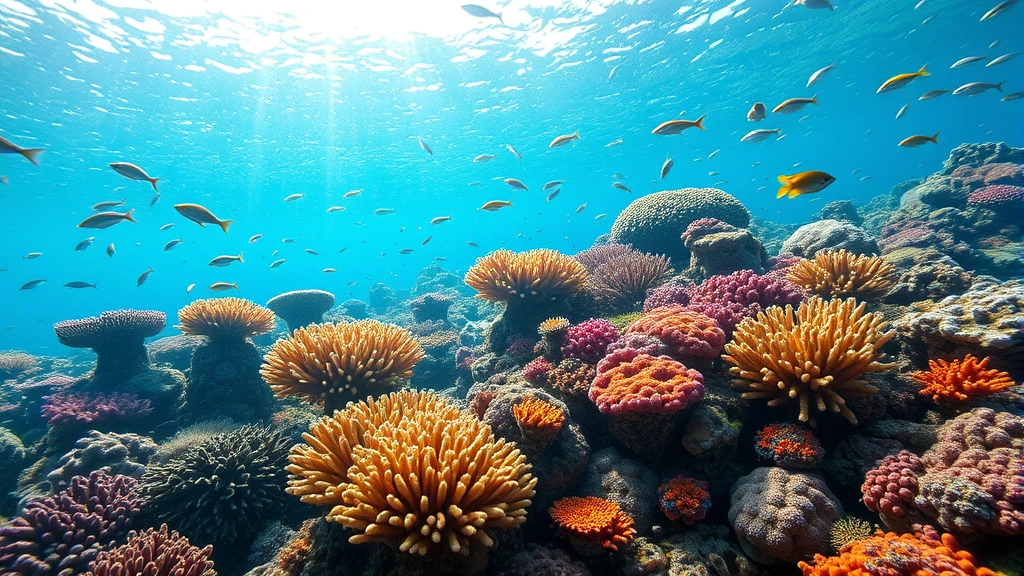
Coral reef ecosystems, despite covering less than 0.1% of ocean floor, support 25% of marine species and generate $375 billion annually through fisheries, tourism, and coastal protection. Coral biodiversity directly correlates with reef resilience; monospecific coral systems collapse under thermal stress while diverse reef communities maintain function. The economic consequence of coral biodiversity loss includes fishery collapse affecting 500 million people, tourism revenue elimination, and increased coastal vulnerability.
Forest biodiversity influences regional climate patterns through evapotranspiration processes. The Amazon rainforest’s 10 million species generate atmospheric moisture recycling that stabilizes precipitation across South America. Biodiversity loss in the Amazon threatens agricultural productivity across Brazil, Argentina, and Paraguay—regions generating $150 billion annually in agricultural exports. The economic externality of Amazon deforestation extends far beyond the forest region itself.
When analyzing how to reduce carbon footprint at scale, biodiversity-based solutions consistently outperform technological alternatives on cost-effectiveness metrics. Mangrove restoration costs $2,000-5,000 per hectare while providing 30-year carbon sequestration and climate protection benefits. Industrial carbon capture requires continuous energy inputs and generates no co-benefits.
Tourism and Recreation Revenue
Ecotourism represents one of the fastest-growing tourism sectors, generating $29 billion annually globally with 7% annual growth rates. This sector depends entirely on biodiversity preservation. Countries prioritizing biodiversity protection capture disproportionate tourism revenue: Costa Rica, with 0.03% of global land area, attracts 3 million international tourists annually spending $4.3 billion.
Wildlife tourism generates $34 billion annually, with 80% of this revenue flowing to African safari destinations. The economic value of a living lion in Tanzania exceeds $250,000 in lifetime tourism revenue compared to trophy hunting value of $15,000. When communities recognize this economic advantage, they shift from extractive practices toward conservation—a market-driven incentive for biodiversity protection.
Recreational ecosystem services—hiking, birdwatching, nature photography, kayaking—generate $600 billion annually in developed economies. These activities depend on accessible, biodiverse natural areas. Urban parks with high biodiversity show measurable economic benefits through property value increases, healthcare cost reductions, and productivity improvements. Residents living within 300 meters of biodiverse parks show 14% lower cardiovascular disease rates and 9% lower mental health disorders, reducing healthcare expenditures by $2,400 per capita annually.
The relationship between renewable energy for homes and biodiversity tourism appears tangential until examined through ecosystem resilience. Communities achieving energy independence through renewables reduce industrial environmental impacts, maintaining biodiversity that attracts tourism revenue—an integrated economic benefit chain.
Policy Implementation Challenges
Despite compelling economic evidence, biodiversity protection remains underfunded globally. Developed nations spend approximately $24 billion annually on biodiversity conservation while simultaneously subsidizing extractive industries at $700 billion yearly. This policy misalignment contradicts economic rationality.
The primary implementation challenge involves temporal discounting—undervaluing future ecosystem benefits relative to immediate extraction profits. A forest’s timber value today exceeds its discounted pharmaceutical and climate value tomorrow using standard economic discount rates. Revising discount rates to reflect true ecological replacement costs would reverse this calculation, making conservation economically optimal.
Payment for ecosystem services (PES) programs demonstrate that proper economic incentives can drive conservation. Costa Rica’s PES program, which compensates landowners for maintaining forest cover, has prevented deforestation across 1.2 million hectares while generating $1.2 billion in ecosystem service value. The program costs $500 million—a 2.4:1 return on investment over 25 years, excluding non-monetized benefits.
Intellectual property frameworks regarding genetic resources create perverse incentives. Biopiracy—extracting genetic material from biodiversity hotspots without compensating source communities—undermines conservation motivation. The Nagoya Protocol attempts to establish benefit-sharing mechanisms, yet enforcement remains weak. Strengthening these frameworks would align economic incentives with biodiversity protection.
Corporate supply chain integration of biodiversity metrics increasingly demonstrates business case for conservation. Companies recognizing that supply chain resilience depends on ecosystem health—agricultural commodity producers, pharmaceutical firms, cosmetics manufacturers—now invest in source ecosystem protection. Unilever’s commitment to sustainable sourcing generates supply chain stability worth billions while simultaneously driving conservation outcomes.
The sustainable fashion brands sector exemplifies how biodiversity economics can drive industry transformation. Companies integrating regenerative agriculture and ecosystem restoration into supply chains capture premium pricing (15-40% price premiums) while simultaneously improving soil biodiversity and carbon sequestration. This demonstrates that biodiversity economics creates win-win scenarios when properly structured.
Implementation also requires accounting framework reform. UNEP’s natural capital accounting initiative promotes integrating ecosystem values into national accounting systems. When countries measure genuine progress rather than GDP—accounting for natural capital depreciation—biodiversity conservation emerges as economically rational. Bhutan’s Gross National Happiness framework, which includes environmental sustainability metrics, demonstrates this approach’s feasibility.
Scientific understanding of biodiversity’s economic value continues advancing. Recent ecological economics research quantifies previously unmeasured ecosystem services: genetic diversity’s option value for future adaptation, microbial community stability’s role in pathogen resistance, and pollinator diversity’s insurance value against environmental shocks. Each discovery strengthens the economic case for conservation.
FAQ
How much economic value does biodiversity generate annually?
Global ecosystem services provided by biodiversity are valued at approximately $125 trillion annually according to World Bank estimates. This includes pollination ($15-20 billion), water purification ($50-100 billion), carbon sequestration ($200-300 billion), and tourism ($29 billion in ecotourism alone). These values represent conservative estimates excluding non-monetized benefits like cultural, spiritual, and existence values.
Can biodiversity protection compete economically with resource extraction?
Yes, when properly valued and managed. Long-term ecosystem service value consistently exceeds short-term extraction profits. Costa Rica’s conservation economy generates sustainable revenue while expanding forest cover. Payment for ecosystem services programs demonstrate 2-4:1 return on investment ratios. However, this requires accounting reforms that discount future benefits appropriately and internalize environmental costs.
Which industries depend most directly on biodiversity?
Agriculture (dependent on pollinator diversity and genetic crop variation), pharmaceuticals (25% of drugs derived from plants), cosmetics (40% of formulations include natural ingredients), tourism (29 billion annual ecotourism revenue), fisheries (500 million people dependent on marine biodiversity), and biotechnology (enzyme production from microbial diversity). Each sector faces significant risks from continued biodiversity loss.
How does biodiversity increase economic resilience?
Diverse systems provide multiple revenue streams, reducing single-industry dependency. Agricultural biodiversity reduces yield volatility by 35% under climate stress. Ecosystem diversity maintains ecosystem function under disturbance. Tourism-dependent regions with high biodiversity attract consistent visitor flows across economic cycles. Financially, diversification reduces portfolio risk—biodiversity operates similarly at ecological and economic levels.
What policy changes would best align economies with biodiversity protection?
Revising discount rates to reflect true ecological replacement costs, implementing comprehensive natural capital accounting, strengthening benefit-sharing frameworks for genetic resources, removing subsidies for extractive industries, establishing payment for ecosystem services programs, and integrating biodiversity metrics into corporate supply chain management. These changes would align economic incentives with conservation outcomes.


