Impact of Ecosystems on Economy: A Study
The relationship between ecosystems and economic systems represents one of the most critical intersections in contemporary policy discourse. While traditional economic models have long treated natural capital as an infinite externality, mounting scientific evidence demonstrates that ecosystem health directly determines economic prosperity, stability, and long-term growth potential. Understanding this relationship requires moving beyond siloed disciplinary frameworks to embrace integrated ecological-economic analysis that captures the true value of natural systems.
Ecosystems provide foundational services that underpin every economic sector, from agriculture and fisheries to tourism, pharmaceuticals, and climate regulation. The degradation of these systems—through pollution, habitat loss, and unsustainable resource extraction—imposes substantial costs on economies worldwide. This comprehensive study examines the quantifiable impacts of ecosystem decline on economic performance, explores the mechanisms through which natural capital influences economic outcomes, and evaluates policy frameworks designed to internalize ecological values into economic decision-making.
Ecosystem Services and Economic Valuation
Ecosystem services represent the tangible and intangible benefits that human populations derive from natural systems. The Millennium Ecosystem Assessment, a landmark international initiative, categorized these services into four primary types: provisioning services (food, water, timber, genetic resources), regulating services (climate regulation, disease control, water purification), supporting services (nutrient cycling, soil formation, pollination), and cultural services (recreation, aesthetic value, spiritual significance).
The economic valuation of ecosystem services has become increasingly sophisticated, employing methodologies such as contingent valuation, hedonic pricing, benefit transfer analysis, and replacement cost estimation. Research indicates that global ecosystem services are valued between $125 trillion and $145 trillion annually, a figure that dwarfs global GDP of approximately $100 trillion. This disparity underscores the fundamental importance of natural capital to economic functioning.
Understanding the definition of environment and environmental science provides essential context for recognizing how ecosystems function as integrated systems rather than collections of isolated resources. When ecosystems are disrupted, the cascading economic consequences often exceed initial direct costs. For instance, the collapse of pollinator populations reduces crop yields, increases production costs, and threatens food security across multiple sectors simultaneously.
The World Bank’s extensive research on natural capital accounting demonstrates that countries failing to account for ecosystem degradation systematically overestimate their true economic growth. Nations extracting natural resources unsustainably appear economically prosperous in the short term while depleting the asset base upon which future prosperity depends. This accounting framework reveals that genuine economic growth must be measured against net changes in natural capital stocks.

Natural Capital as Economic Foundation
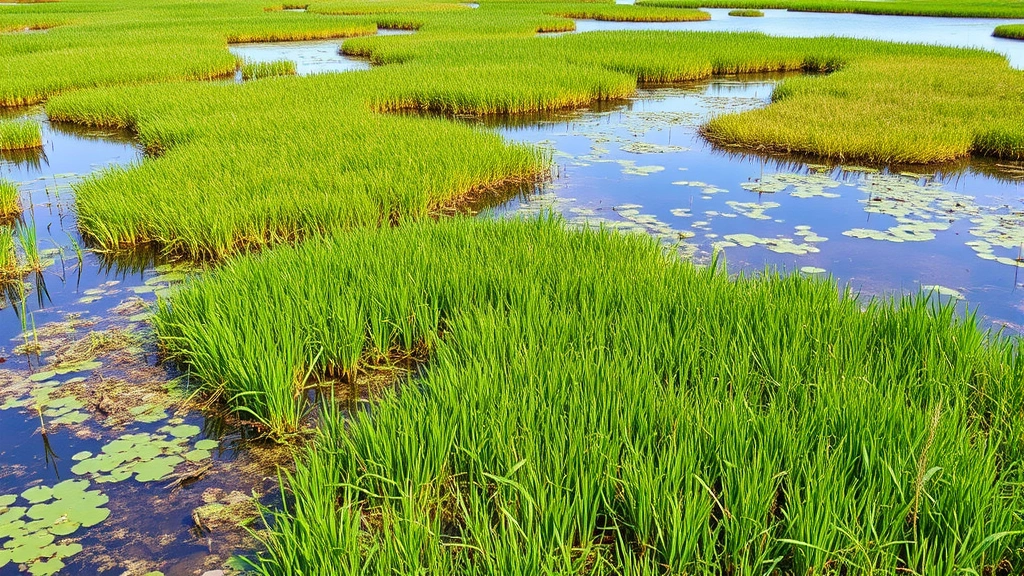
Natural capital encompasses all environmental assets—forests, wetlands, grasslands, marine ecosystems, minerals, and freshwater systems—that generate flows of economic value. Unlike manufactured capital, which can theoretically be substituted and regenerated through human innovation, many forms of natural capital exhibit critical thresholds beyond which regeneration becomes impossible or economically prohibitive.
The physical environment definition encompasses the material substrate upon which all economic activity occurs. Soil degradation, for example, represents a particularly acute natural capital crisis: the UN estimates that soil loss costs the global economy $400 billion annually in lost productivity. This erosion of natural capital directly translates into reduced agricultural output, higher food prices, and increased poverty, particularly in developing regions dependent on subsistence farming.
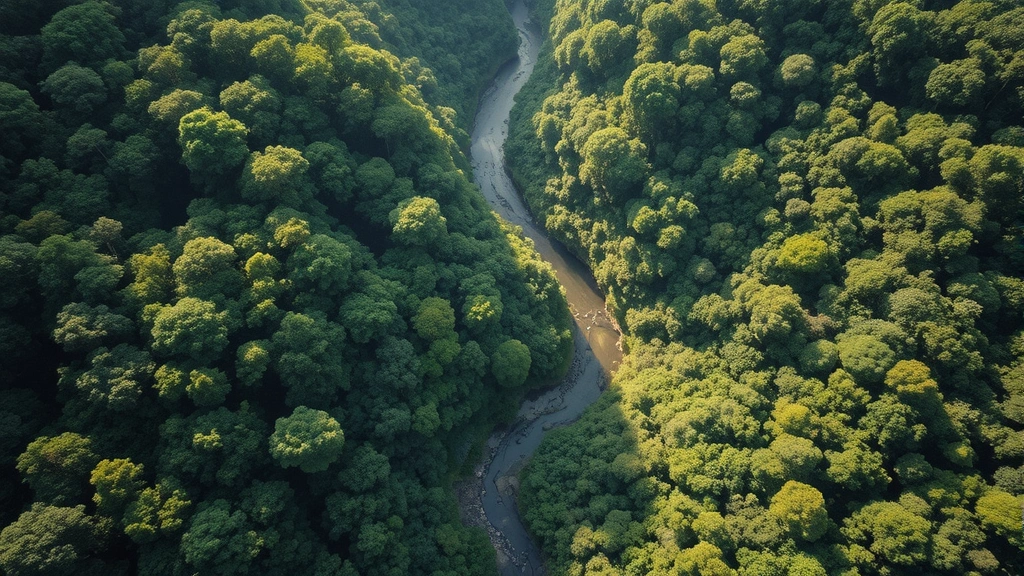
Forest ecosystems exemplify the multifaceted economic value of natural capital. Beyond timber production, forests provide carbon sequestration (estimated at $2-5 trillion in global climate regulation services), water filtration, biodiversity habitat, and cultural amenities. The destruction of tropical rainforests eliminates pharmaceutical potential (approximately 25% of modern medicines derive from rainforest plants), disrupts regional hydrological cycles, and accelerates climate change. Economic analyses indicate that preserving tropical forests generates substantially greater long-term economic value than converting them to agricultural land, yet perverse incentive structures continue driving deforestation.
Marine ecosystems demonstrate similar patterns. Fisheries supporting 3 billion people globally depend on healthy ocean ecosystems, yet overfishing, pollution, and warming waters have degraded fish stocks worth an estimated $80 billion annually. The economic losses extend beyond fisheries to tourism, pharmaceutical development, and climate regulation services provided by marine biodiversity and carbon-sequestering oceanic systems.
Biodiversity Loss and Economic Consequences
Biodiversity loss represents an accelerating economic crisis that most conventional economic models fail to capture adequately. Current extinction rates exceed natural background rates by 100-1000 times, driven primarily by habitat destruction, pollution, climate change, and overexploitation. This biodiversity collapse generates cascading economic consequences through ecosystem service disruption.
Agricultural systems illustrate biodiversity’s economic importance clearly. Crop pollination services, provided primarily by wild insect populations, generate an estimated $15-20 billion in economic value globally. The decline of pollinator populations—driven by pesticide use, habitat loss, and monoculture agriculture—threatens this ecosystem service. Economic modeling suggests that complete pollinator collapse would reduce global agricultural output by 5-8%, with disproportionate impacts on developing nations.
The relationship between human environment interaction and economic outcomes becomes evident when examining how human activities degrade the biodiversity that supports economic productivity. Industrial agriculture, while generating short-term productivity gains, often reduces long-term productivity through soil degradation, pollinator loss, and pest resistance development. Integrated pest management and biodiversity-friendly agriculture demonstrate that ecological restoration and economic productivity can be complementary rather than contradictory objectives.
Pharmaceutical and biotechnology industries depend fundamentally on genetic diversity. The commercial value of genetic resources from wild populations exceeds $100 billion annually, yet these resources face extinction before scientific characterization. Economic analyses demonstrate that investing in biodiversity conservation generates substantially higher returns than alternative land uses when pharmaceutical, agricultural, and ecosystem service values are properly accounted for.
Climate Regulation and Economic Stability
Ecosystem-based climate regulation represents perhaps the most economically significant ecosystem service, yet remains largely undervalued in economic systems. Natural ecosystems—particularly forests, wetlands, and marine systems—sequester and store carbon at scales that influence global climate patterns. The economic value of carbon sequestration services provided by ecosystems ranges from $50-100 trillion globally, depending on methodological assumptions regarding climate damage costs.
Climate change itself represents an economic shock of unprecedented magnitude. The Stern Review on the Economics of Climate Change estimated that unmitigated climate change could reduce global GDP by 5-20% permanently, while climate stabilization requires investing 1% of global GDP annually in mitigation. This cost-benefit analysis reveals that ecosystem preservation for climate regulation services generates substantially positive economic returns compared to climate change damages.
Natural carbon sinks—forests, peatlands, mangroves, seagrass meadows, and soil systems—provide climate regulation at minimal cost. Tropical forest conservation costs approximately $100-300 per hectare annually, while carbon sequestration values range from $500-2000 per hectare annually. Wetland ecosystems provide similar economic advantages: preserving wetlands for water filtration, flood regulation, and carbon storage costs substantially less than constructing engineered alternatives.
The relationship between ecosystem integrity and economic resilience to climate shocks has become increasingly evident. Diverse, healthy ecosystems demonstrate greater adaptive capacity to climate variability and extremes. Agricultural systems with high biodiversity show greater yield stability across years with varying precipitation and temperature patterns compared to monocultures, reducing economic risk for farmers and food security for consumers.
Water Systems and Agricultural Productivity
Freshwater ecosystems generate some of the most economically critical and economically quantifiable ecosystem services. Watershed protection, water filtration, flood regulation, and aquifer recharge services provided by forests, wetlands, and grasslands generate enormous economic value by reducing costs for water treatment, flood damage, and agricultural irrigation.
The economic value of watershed protection services can be calculated through replacement cost analysis: engineered water treatment facilities cost $1000-10,000 per hectare of watershed protection value annually, while natural watershed preservation costs $100-500 per hectare. This economic reality has driven increasing investment in payments for ecosystem services programs that compensate landowners for maintaining natural water filtration systems rather than converting watersheds to alternative uses.
Agricultural productivity depends fundamentally on ecosystem services that remain largely invisible in conventional economic accounting. Soil formation and nutrient cycling, driven by belowground biodiversity, require thousands of years to generate naturally yet can be degraded in decades through unsustainable practices. The economic value of soil ecosystem services—estimated at $10,000-20,000 per hectare globally—vastly exceeds the short-term gains from extractive agriculture.
Water availability constraints increasingly limit economic growth in developing regions. The UN estimates that 4 billion people experience severe water scarcity at least one month annually. Ecosystem degradation exacerbates this crisis: deforestation reduces precipitation and aquifer recharge, while wetland destruction eliminates water storage capacity. Economic analyses demonstrate that investing in ecosystem restoration generates greater economic returns than alternative water management approaches when considering long-term productivity and resilience.
Policy Integration and Economic Instruments
Integrating ecosystem values into economic decision-making requires policy frameworks that move beyond treating natural capital as externalities. Approaches include natural capital accounting, payments for ecosystem services, ecosystem-based adaptation, and ecological tax reform.
Natural capital accounting, promoted by the World Bank’s natural capital framework, adjusts national accounts to reflect changes in ecosystem asset stocks. Countries implementing these systems—including India, Indonesia, and Botswana—reveal that conventional GDP growth masks substantial natural capital depletion. This accounting transparency enables more accurate assessment of genuine economic progress and informs policy priorities toward sustainability.
Payments for ecosystem services (PES) programs create economic incentives for ecosystem preservation by compensating landowners and resource users for maintaining natural capital. The Environment and Natural Resources Trust Fund exemplifies how dedicated funding mechanisms can support ecosystem services provision. Successful PES programs in Costa Rica, Mexico, and Uganda demonstrate that when ecosystem services are properly valued and compensated, conservation becomes economically competitive with alternative land uses.
Carbon pricing mechanisms—including carbon taxes and cap-and-trade systems—internalize climate regulation services into economic decision-making. Economic analyses demonstrate that carbon prices of $50-200 per ton CO2 equivalent align with true climate damage costs. When such prices are implemented, ecosystem preservation becomes economically optimal because carbon sequestration services generate substantial economic value.
Ecological tax reform redirects taxation from labor and capital toward resource extraction and pollution, aligning economic incentives with ecological sustainability. Research from the United Nations Environment Programme demonstrates that such reforms can simultaneously improve economic efficiency, reduce inequality, and enhance environmental outcomes by correcting market failures that undervalue natural capital.
Sustainable business models and circular economy approaches internalize ecosystem considerations into corporate strategy and economic planning. Companies implementing ecosystem-based adaptation—such as nature-based flood management, agricultural biodiversity enhancement, and watershed protection—often achieve superior long-term financial performance compared to conventional approaches. These models demonstrate that ecological sustainability and economic prosperity, properly understood, are complementary rather than contradictory objectives.
The reduction of carbon footprints through ecosystem restoration and protection represents a critical economic strategy for building resilience to climate change. When organizations account for their dependence on ecosystem services and invest in natural capital restoration, they reduce exposure to resource scarcity, climate volatility, and regulatory risk while generating positive economic returns.
Consumer demand for sustainable products, reflected in the growth of markets for sustainable fashion brands and other eco-certified products, demonstrates economic recognition of ecosystem values. These market signals indicate that consumers increasingly value products produced in ways that preserve rather than degrade natural capital. Economic systems that respond to these preferences by aligning production methods with ecological sustainability generate competitive advantages through enhanced brand value, customer loyalty, and risk reduction.
FAQ
How much economic value do ecosystems provide annually?
Global ecosystem services are valued at $125-145 trillion annually, approximately 1.5 times global GDP. This figure reflects provisioning services (food, water, materials), regulating services (climate, water purification, disease control), and cultural services (recreation, aesthetic, spiritual). The valuation methodology employs replacement cost analysis, contingent valuation, and benefit transfer approaches, though many ecosystem services remain inadequately valued due to methodological limitations.
What are the primary mechanisms through which ecosystem degradation impacts economies?
Ecosystem degradation impacts economies through reduced agricultural productivity (soil loss, pollinator decline), increased disaster risk (flood vulnerability, drought exposure), resource scarcity (water, fisheries depletion), climate instability, and loss of pharmaceutical and biotechnological resources. These impacts cascade through supply chains and create macroeconomic shocks affecting employment, prices, and growth rates.
Which economic sectors are most dependent on ecosystem services?
Agriculture, fisheries, forestry, tourism, pharmaceuticals, and water/energy sectors depend most directly on ecosystem services. Indirectly, all economic sectors depend on climate regulation, pollination, water purification, and nutrient cycling services. Developing economies typically exhibit greater direct dependence on ecosystem services, with ecosystem-dependent sectors comprising 20-40% of GDP compared to 5-10% in developed economies.
How can governments incorporate ecosystem values into economic policy?
Governments can implement natural capital accounting, establish carbon pricing mechanisms, create payments for ecosystem services programs, implement ecological tax reform, strengthen environmental regulations, and support ecosystem restoration investments. These approaches align economic incentives with ecological sustainability by internalizing previously externalized ecosystem service values into market prices and policy decisions.
What is the economic return on ecosystem restoration investments?
Economic analyses consistently demonstrate that ecosystem restoration generates 5-15 times return on investment when considering ecosystem service provision, climate regulation, disaster risk reduction, and resource productivity improvements. Forest restoration generates estimated returns of $7-15 per dollar invested, wetland restoration $5-10 per dollar invested, and agricultural biodiversity enhancement $3-8 per dollar invested over 20-50 year time horizons.
How does biodiversity loss affect economic growth?
Biodiversity loss reduces economic growth by degrading ecosystem services critical to productivity. Pollinator decline reduces agricultural yields 5-8%, soil degradation reduces productivity 0.5-1% annually, and fisheries collapse eliminates $80+ billion in economic value. These impacts compound, reducing long-term growth potential while increasing economic volatility and inequality as ecosystem service losses disproportionately affect vulnerable populations.


