
Can Biodiversity Boost Economic Growth? Study Insights
The relationship between biodiversity and economic growth has long been portrayed as a zero-sum game: protect nature or pursue prosperity. However, emerging research fundamentally challenges this narrative. Recent studies demonstrate that robust biodiversity systems generate measurable economic returns through ecosystem services, innovation, resilience, and human capital development. Understanding these connections requires examining the mechanisms by which natural capital translates into financial and social value.
Global biodiversity loss accelerates at unprecedented rates, with species extinction occurring 100-1,000 times faster than baseline rates. Simultaneously, economists increasingly quantify the economic value of intact ecosystems. A growing body of evidence suggests that investing in biodiversity conservation yields returns comparable to or exceeding traditional economic sectors, while simultaneously reducing systemic risks that threaten long-term growth stability.
This analysis explores how biodiversity drives economic performance through multiple pathways, examines empirical findings from recent research, and addresses critical questions about scaling these relationships in policy and investment frameworks.
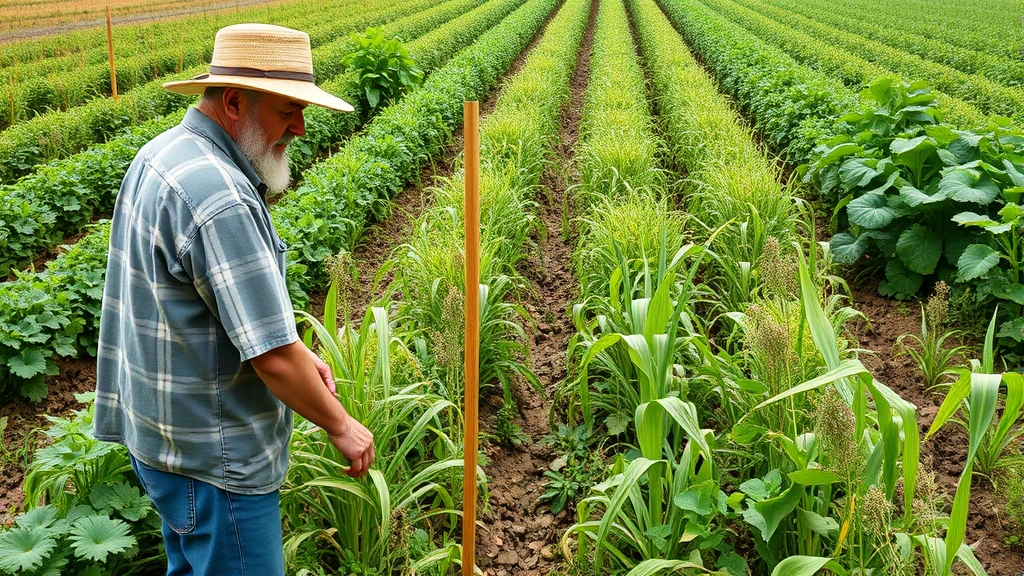
Ecosystem Services and Economic Valuation
Ecosystem services represent the flows of benefits that humans derive from natural systems. These include provisioning services (food, water, materials), regulating services (climate, water purification, pollination), supporting services (nutrient cycling, soil formation), and cultural services (recreation, spiritual fulfillment). The economic value of these services depends fundamentally on biodiversity.
The Millennium Ecosystem Assessment, a landmark synthesis involving over 1,300 scientists, valued global ecosystem services at approximately $125 trillion annually—roughly 1.5 times global gross domestic product. However, this valuation understates biodiversity’s true economic importance because many services exhibit non-linear relationships with species loss. Removing 10% of species may reduce ecosystem service provision by 20-50%, depending on functional redundancy and keystone species presence.
Recent research from World Bank economists demonstrates that natural capital depreciation—the loss of biodiversity and ecosystem function—reduces genuine savings rates in developing nations by 4-15% annually. This accounting framework reveals that countries experiencing rapid biodiversity loss face declining genuine wealth despite apparent GDP growth, indicating unsustainable development trajectories.
Biodiversity enhances economic resilience through functional diversity. Ecosystems with higher species richness demonstrate greater stability in ecosystem service provision across environmental fluctuations. A forest with diverse tree species maintains productivity through droughts, pest outbreaks, and climate variations better than monocultures, providing more stable economic returns to dependent communities and industries.
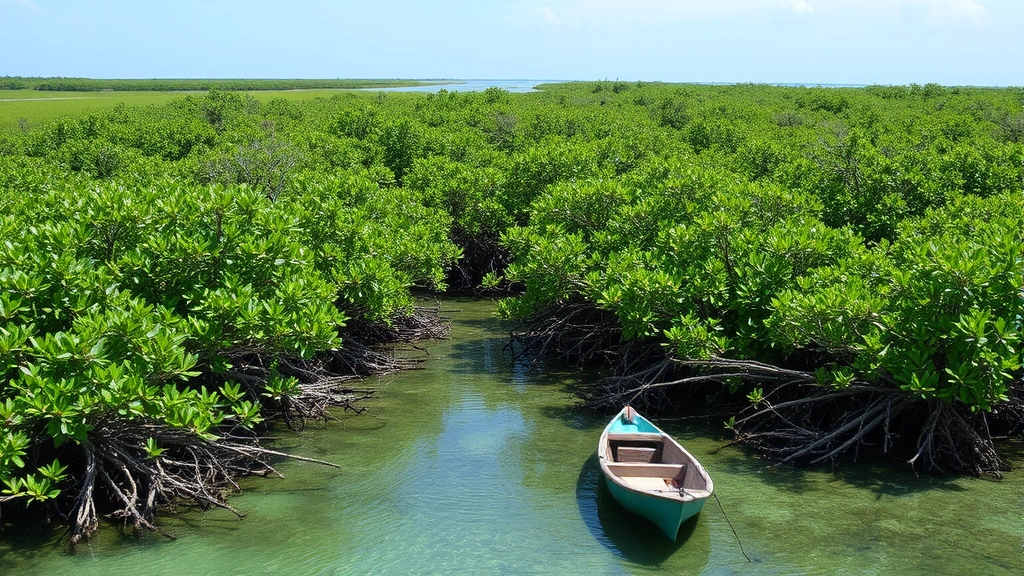
Biodiversity as Economic Infrastructure
Viewing biodiversity through an infrastructure lens reframes conservation as capital investment rather than consumption. Pollinator populations represent biological infrastructure supporting agriculture; wetlands function as water treatment and flood control infrastructure; forests serve as carbon storage infrastructure addressing climate risks.
The global economic value of pollination services reaches $15-20 billion annually, with 75% of global food crops depending partially on animal pollination. Pollinator decline directly threatens food security and farmer incomes. A meta-analysis of 90 studies found that crop yields decline 5-10% annually in regions experiencing pollinator loss, translating to billions in lost agricultural revenue.
This perspective aligns with ecological economics frameworks that recognize natural capital as non-substitutable for many critical functions. Unlike manufactured capital, which can sometimes replace natural systems, no human technology can replicate coral reef ecosystems’ coastal protection, fishery support, and tourism value at comparable cost. Coral reefs generate approximately $375 billion annually in ecosystem services while requiring near-zero maintenance investment.
Recognizing biodiversity as infrastructure justifies substantial conservation investment. Protecting a watershed’s forest cover costs $1-5 per hectare annually but delivers water purification services worth $500-5,000 per hectare annually. This cost-benefit ratio exceeds most engineered alternatives, making biodiversity conservation economically rational from purely financial perspectives.
Research Findings and Quantified Returns
Recent comprehensive studies provide empirical evidence linking biodiversity metrics to economic outcomes. A 2023 analysis published in Nature Sustainability examined 50 nations across two decades, finding that countries increasing protected area coverage by 10% experienced GDP growth acceleration of 0.4-0.8% annually through ecosystem service enhancement and tourism development.
The relationship between biodiversity and economic growth exhibits threshold effects. Below critical biodiversity levels, economic losses accelerate non-linearly. Research on agricultural systems shows that fields maintaining 30% natural habitat alongside crops achieve equivalent yields to intensive monocultures while generating 40% higher economic returns through reduced input costs, pollination services, and pest control.
A World Economic Forum analysis identified natural capital degradation as among the top five economic risks over the coming decade, with potential losses reaching $479 trillion in ecosystem services by 2050 under current trajectories. Conversely, investments in biodiversity restoration generate economic multipliers of 2-4x, meaning every dollar invested in ecosystem restoration generates $2-4 in economic value through multiple pathways.
Studies on human environment interaction reveal that communities managing biodiverse landscapes experience more stable incomes, lower poverty rates, and greater economic resilience during economic downturns. Indigenous-managed lands, comprising 22% of global territory while protecting 80% of remaining biodiversity, generate superior economic outcomes per hectare compared to state-managed conservation areas.
Agricultural Productivity and Food Security
Agricultural systems depend entirely on biodiversity, yet industrial farming systematized biodiversity loss for decades. Contemporary research demonstrates that biodiverse agricultural systems outperform monocultures economically when ecosystem service values are included in economic calculations.
Intercropping systems combining multiple species achieve 20-30% higher total productivity than monocultures on equivalent land area. Polycultures require 30-50% fewer external inputs (fertilizers, pesticides) due to natural pest regulation, nitrogen fixation by legumes, and soil structure maintenance by diverse root systems. These input reductions directly increase farmer profitability.
Soil biodiversity—bacteria, fungi, arthropods, and nematodes—represents critical economic infrastructure. Soils with high microbial diversity demonstrate 15-25% greater productivity, superior water retention, and enhanced carbon sequestration. The economic value of soil biodiversity to agriculture globally exceeds $500 billion annually. Yet industrial agriculture has reduced soil biodiversity by 50-90% in many regions, degrading this natural capital.
Climate variability increasingly threatens agricultural yields. Biodiverse farming systems exhibit 20-40% yield stability during drought, flooding, and temperature extremes compared to monocultures. As climate change amplifies weather volatility, this stability advantage compounds economically. Farmers in regions adopting biodiversity-enhancing practices demonstrated income stability during the 2012 North American drought while conventional monoculture farmers suffered 30-50% losses.
Food security economics fundamentally depends on agricultural biodiversity. The FAO warns that 75% of global crop genetic diversity has been lost in the past century, leaving global food systems vulnerable to pests, diseases, and climate shocks. Restoring agricultural biodiversity represents critical economic insurance for food-dependent economies.
Pharmaceutical and Biotechnology Innovation
Biodiversity represents the raw material for pharmaceutical and biotechnology industries worth $1.5 trillion globally. Approximately 50% of modern pharmaceuticals contain compounds derived from or inspired by natural products. Tropical rainforests, containing 10% of Earth’s species, have yielded compounds treating cancer, malaria, diabetes, and cardiovascular disease.
The economic value of pharmaceutical discoveries from biodiversity is substantial. The cancer drug paclitaxel, derived from Pacific yew bark, generates $1.6 billion in annual sales. Artemisinin, extracted from sweet wormwood, treats malaria affecting 400 million people annually and represents another billion-dollar product. These examples represent merely 2-3% of identified pharmaceutical compounds from natural sources.
Biotechnology industries increasingly harness biodiversity for industrial applications. Enzymes from thermophilic bacteria enable PCR technology, revolutionizing molecular biology and generating tens of billions in economic value. Microbial biodiversity supports industrial fermentation for antibiotics, vitamins, and biofuels. Agricultural biotechnology relies on genetic material from crop wild relatives to develop disease-resistant varieties.
Yet biodiversity loss directly threatens this innovation pipeline. Scientists estimate that current extinction rates eliminate potentially valuable genetic material before discovery. The economic opportunity cost of foregone pharmaceutical discoveries from extinct species potentially exceeds the value of all medicines currently in use. This represents an incalculable economic loss through lost future innovation.
Climate Resilience and Risk Mitigation
Biodiversity enhances economic resilience to climate change through multiple mechanisms. Biodiverse ecosystems sequester more carbon, provide greater climate buffering, and recover faster from disturbances. These characteristics translate directly into economic benefits.
Forests with high tree species diversity sequester 25-40% more carbon than monocultures, providing greater climate mitigation value. Mangrove ecosystems, among Earth’s most biodiverse habitats, sequester carbon at rates 10x higher than terrestrial forests while protecting coastlines from storm surge. The economic value of mangrove carbon sequestration, coastal protection, and fishery support exceeds $2,000 per hectare annually.
Climate-related economic losses accelerate globally, reaching $280 billion in 2022 alone. Biodiversity-rich ecosystems reduce these losses through natural disaster mitigation. Coral reefs reduce wave energy by 97%, protecting coastlines worth trillions in real estate and infrastructure. Wetlands reduce flood damage by 50-80% compared to channelized rivers. Forests reduce landslide risk by 30-50% in mountain regions.
Economic modeling demonstrates that climate change impacts are 30-50% less severe in regions maintaining high biodiversity compared to degraded regions. This protective effect translates into billions in avoided climate adaptation costs. Investing in biodiversity conservation thus represents cost-effective climate insurance.
Tourism and Recreation Economics
Biodiversity directly generates tourism revenue exceeding $1.3 trillion globally. Ecotourism, nature-based tourism, and wildlife viewing constitute the fastest-growing tourism sectors. This economic activity depends entirely on biodiversity conservation.
Costa Rica exemplifies biodiversity-tourism economics. Despite covering only 0.03% of Earth’s surface, Costa Rica contains 5% of global species. Tourism revenue from biodiversity reaches $4 billion annually, exceeding agricultural exports and providing 12% of national GDP. This economic model incentivizes forest conservation; forest cover has recovered from 21% in 1980 to 52% today, demonstrating that biodiversity conservation can drive economic growth and development.
Recreational value of biodiverse landscapes extends beyond international tourism. Hiking, birdwatching, fishing, and nature recreation generate $600 billion annually in developed nations. Proximity to biodiverse natural areas increases real estate values by 5-20%, indicating that biodiversity provides tangible economic value to local communities.
Biodiversity loss directly threatens tourism economies. Coral reef degradation reduces tourism revenue by 50-80% in dependent regions. Species extinction eliminates wildlife viewing opportunities that attract visitors. Ecosystem degradation reduces recreational quality, deterring tourism spending. Countries experiencing rapid biodiversity loss face declining tourism competitiveness and revenue.
Implementation Challenges and Solutions
Despite compelling economic evidence, biodiversity loss continues accelerating. Implementation challenges include misaligned incentives, inadequate valuation of ecosystem services, and short-term discount rates in economic decision-making.
Many biodiversity benefits accrue to society broadly while costs concentrate on local communities. A farmer protecting forest habitat bears direct costs through foregone agricultural production while society receives diffuse benefits through carbon sequestration and water purification. This distributional mismatch creates economic disincentives for conservation absent policy intervention.
Payment for ecosystem services programs address this challenge by compensating landowners for biodiversity conservation. Programs in Costa Rica, Mexico, and Indonesia demonstrate that modest payments ($50-200 per hectare annually) sufficiently incentivize conservation while remaining economically efficient given ecosystem service values. These programs have protected millions of hectares while improving rural incomes.
Natural capital accounting frameworks, increasingly adopted by governments, integrate biodiversity values into national accounting systems. This reveals that countries experiencing rapid biodiversity loss face genuine wealth declines despite nominal GDP growth. How humans affect the environment becomes quantifiable in economic terms, enabling policy responses based on economic self-interest rather than environmental altruism alone.
Green bonds and biodiversity-linked finance mechanisms mobilize capital for conservation. These instruments tie returns to biodiversity outcomes, creating financial incentives for restoration. Emerging markets for ecosystem service credits enable landowners to monetize conservation benefits, generating income streams supporting long-term biodiversity protection.
Technology facilitates biodiversity monitoring and management. Remote sensing, artificial intelligence, and data analytics enable real-time ecosystem monitoring, optimizing conservation investment efficiency. Blockchain technology enables transparent ecosystem credit markets, reducing transaction costs and expanding conservation finance accessibility.
International policy frameworks increasingly recognize biodiversity’s economic value. The Post-2020 Global Biodiversity Framework establishes targets for ecosystem restoration and species protection, recognizing that biodiversity conservation represents critical economic infrastructure. Environment variables in economic systems require explicit management to maintain system stability and function.
Corporate biodiversity commitments reflect growing recognition of economic dependencies on natural capital. Companies across sectors—agriculture, pharmaceuticals, food and beverage, textiles—commit to zero net deforestation, sustainable sourcing, and biodiversity restoration. These commitments acknowledge that long-term business viability depends on ecosystem health.
Yet substantial funding gaps persist. Global biodiversity conservation requires approximately $700 billion annually, but current funding reaches only $130 billion. Closing this gap requires redirecting subsidies that incentivize biodiversity loss, implementing carbon pricing that reflects ecosystem values, and scaling innovative finance mechanisms.
The economic case for biodiversity is increasingly irrefutable. Integrating natural capital into economic decision-making, implementing policies that align private incentives with biodiversity conservation, and mobilizing finance for ecosystem restoration represent critical pathways toward inclusive prosperity. Economic growth and biodiversity protection are not antagonistic; rather, sustainable economic growth fundamentally depends on biodiversity conservation and ecosystem restoration.
FAQ
How much economic value does biodiversity provide annually?
Global ecosystem services from biodiversity are valued at approximately $125-145 trillion annually, though this understates true value given non-linear relationships between species loss and service provision. Regional values vary substantially based on ecosystem type and biodiversity richness, ranging from $5,000-50,000 per hectare annually depending on ecosystem and services considered.
Which economic sectors depend most heavily on biodiversity?
Agriculture, fisheries, pharmaceutical, tourism, and water management sectors exhibit direct economic dependencies on biodiversity. Indirectly, all economic sectors depend on biodiversity through climate regulation, pollination, water purification, and other ecosystem services. Financial sectors increasingly recognize biodiversity as systemic economic risk.
Can biodiversity conservation be economically competitive with alternative land uses?
Yes, when ecosystem service values are included in economic calculations. Biodiverse agricultural systems, payment for ecosystem services programs, and ecotourism demonstrate that conservation generates economic returns competitive with or exceeding extractive land uses. Long-term economic analysis consistently favors conservation over degradation.
What mechanisms translate biodiversity into measurable economic growth?
Biodiversity drives economic growth through ecosystem service provision (pollination, water purification, climate regulation), tourism revenue, pharmaceutical innovation, agricultural productivity, climate resilience, and risk mitigation. These pathways operate simultaneously, creating multiplicative economic effects.
How do developing nations balance biodiversity conservation with development needs?
Integrated approaches combining conservation with sustainable development—payment for ecosystem services, ecotourism development, biodiverse agriculture, and green finance mechanisms—enable nations to achieve conservation and development objectives simultaneously. Costa Rica, Indonesia, and Rwanda demonstrate viable models achieving both outcomes.


