How Green Policies Boost Economies: Study Insights
The conventional narrative pitting environmental protection against economic growth has undergone a fundamental transformation in recent years. Emerging research from leading economic institutions demonstrates that green policies not only protect ecosystems but actively stimulate economic expansion, job creation, and long-term prosperity. This paradigm shift challenges decades of assumptions about the trade-offs between environmental regulation and financial performance, revealing instead that sustainability and economic vitality are deeply interconnected forces.
The evidence is compelling and multifaceted. From renewable energy sectors creating millions of jobs to carbon pricing mechanisms driving innovation, green policies are reshaping global economies in ways that benefit both natural systems and human livelihoods. Understanding these mechanisms is crucial for policymakers, investors, and citizens seeking to navigate the transition toward sustainable prosperity.
The Economic Case for Environmental Regulation
For decades, environmental economists have grappled with the perceived tension between regulation and growth. However, contemporary research fundamentally challenges this binary thinking. The World Bank has documented that countries implementing comprehensive environmental policies experience sustained economic growth rates comparable to or exceeding those of less-regulated competitors.
The mechanism behind this counterintuitive finding involves several interconnected factors. First, environmental regulation creates market clarity and reduces uncertainty for businesses. When companies understand regulatory frameworks, they can invest with confidence in clean technologies rather than hedging bets across multiple potential scenarios. Second, regulations internalize externalities—costs previously borne by society (healthcare expenses from pollution, climate disaster recovery) are now reflected in production costs, creating more accurate price signals.
Research from ecological economics journals demonstrates that incorporating environmental costs into economic calculations reveals that green policies are not costs but investments. A factory that reduces emissions may spend more upfront on cleaner technology, but these expenditures generate returns through improved worker productivity, reduced healthcare costs, and enhanced brand value. The human environment interaction becomes economically productive when properly structured through policy.
Third-party analysis of environmental policy outcomes shows that regulations stimulate efficiency improvements throughout supply chains. When a carbon tax increases energy costs, companies innovate to reduce consumption, discovering that efficiency improvements often pay for themselves within three to five years while generating ongoing savings. This creates a virtuous cycle where environmental constraints drive economic optimization.
Job Creation in Green Sectors
Perhaps the most tangible benefit of green policies manifests in employment figures. The renewable energy sector now employs more workers globally than fossil fuels, and this trend accelerates with each policy iteration supporting clean energy transition. Green jobs typically offer better wages, greater job security, and stronger benefits than declining extractive industries.
A comprehensive analysis reveals that renewable energy installation, maintenance, and manufacturing create approximately three times more jobs per unit of energy produced compared to fossil fuel generation. Wind technician, solar installer, and battery engineer have become among the fastest-growing occupational categories in developed economies. These positions generally require technical training accessible through community colleges and apprenticeship programs, democratizing access to well-compensated work.
Beyond direct employment in energy sectors, green policies catalyze job creation across multiple industries. Sustainable fashion brands represent one emerging sector where environmental standards drive entrepreneurship and employment. Similarly, green building construction, environmental restoration, waste management innovation, and sustainable agriculture all expand employment opportunities while addressing environmental challenges.
The geographic distribution of these jobs provides additional economic benefits. Unlike fossil fuel extraction concentrated in specific regions, renewable energy and green manufacturing can develop in diverse locations, revitalizing economically distressed communities. Rural areas benefit from wind and solar farms, while urban centers develop green technology hubs and manufacturing facilities. This geographic dispersal strengthens regional economies and reduces dependency on single industries.
Innovation and Technological Advancement
Environmental constraints function as innovation catalysts. When regulations establish performance standards or price carbon emissions, businesses respond by developing novel technologies that exceed baseline requirements. This dynamic has produced revolutionary advances in battery technology, solar efficiency, and industrial processes that ultimately benefit entire economies.
The relationship between regulation and innovation follows a well-documented pattern: stringent environmental standards drive research and development investments, leading to technological breakthroughs that eventually become competitive advantages. Germany’s Energiewende (energy transition) policy, for example, spurred innovations in grid management and energy storage that German companies now export globally, generating substantial economic returns. Green policies transform environmental challenges into innovation opportunities, positioning early adopters as technological leaders.
Patent data corroborates this dynamic. Jurisdictions with strong environmental policies generate disproportionately high numbers of patents in clean technologies. These intellectual property assets create competitive advantages, attract investment capital, and establish long-term economic value. Venture capital funding for clean technology now exceeds venture funding for many traditional sectors, indicating market confidence in green innovation’s economic potential.
Cross-sector innovation spillovers amplify these benefits. Advances in battery technology developed for electric vehicles improve renewable energy storage and grid stability. Precision agriculture techniques reduce both environmental impact and production costs. Materials science innovations create stronger, lighter, more recyclable products. These cascading improvements enhance productivity and competitiveness throughout economies.
Renewable Energy as Economic Engine
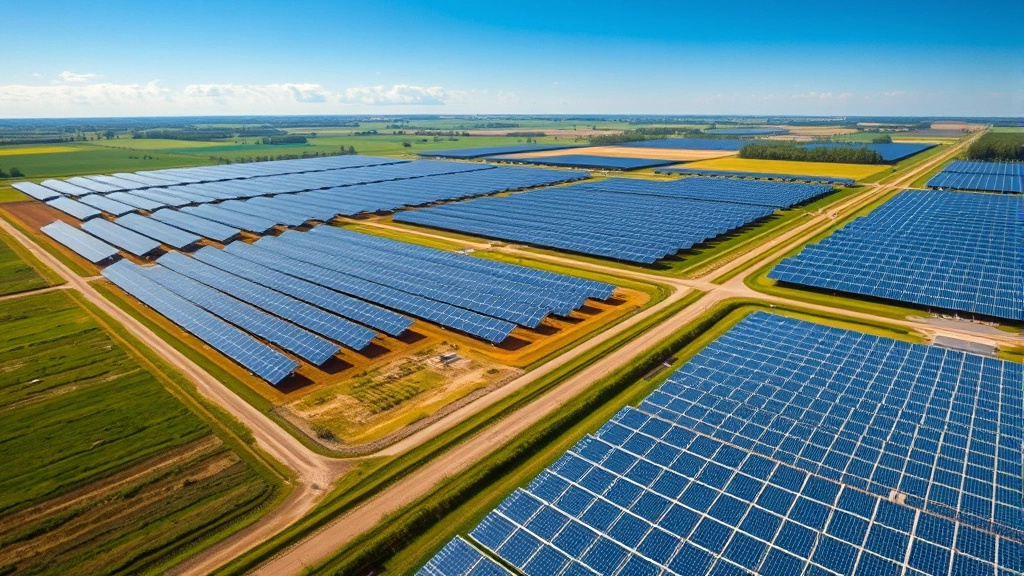
Renewable energy represents the most visible manifestation of green policy economic benefits. The cost decline in solar and wind technologies—dropping 90% and 70% respectively over the past decade—demonstrates how policy support and scaling effects generate economic advantages. Today, renewable energy is cost-competitive with fossil fuels in most markets, even without subsidies.
This economic transformation creates multiple revenue streams and employment opportunities. Renewable energy for homes represents an expanding consumer market where households become energy producers, creating wealth retention within communities. Community solar projects enable broader participation in renewable benefits, democratizing clean energy access.
The energy sector transition also reduces economic vulnerability to volatile fuel markets. Renewable energy has minimal marginal costs once infrastructure exists, protecting economies from oil price shocks and geopolitical energy supply disruptions. Countries investing in renewable infrastructure enhance energy independence while reducing foreign exchange expenditures on energy imports. UNEP research documents that energy security improvements from renewable transition provide substantial economic stability benefits beyond direct energy cost savings.
Industrial competitiveness increasingly depends on clean energy access. Technology companies, data centers, and manufacturing operations prefer locations with abundant renewable energy, attracted by both cost advantages and corporate sustainability commitments. This creates competitive pressure for regions to develop renewable infrastructure, accelerating beneficial transitions.
Carbon Pricing and Market Efficiency
Carbon pricing mechanisms—whether through carbon taxes or cap-and-trade systems—represent sophisticated economic instruments that align profit incentives with environmental objectives. By assigning economic value to carbon emissions, these policies create market signals that drive optimal resource allocation toward low-carbon alternatives.
The economic logic underlying carbon pricing is elegant: businesses naturally minimize costs, so when carbon carries a price, reducing emissions becomes economically rational. Companies identify the cheapest emissions reduction opportunities and pursue them, generating efficiency improvements that might otherwise require regulatory mandates or voluntary initiatives. This market-driven approach typically achieves environmental targets at lower economic cost than prescriptive regulations.
Revenue generated from carbon pricing provides additional economic benefits. Many jurisdictions implement carbon tax revenue recycling, using proceeds to reduce payroll taxes, fund clean technology research, or support workers transitioning from carbon-intensive industries. This creates progressive economic outcomes where low-income households benefit from revenue redistribution while high-emission activities face appropriate cost signals.
International carbon markets expand these benefits across borders, enabling cost-effective emissions reductions wherever they occur most economically. A company might fund renewable energy projects in developing countries rather than expensive domestic emissions reductions, achieving climate objectives while supporting development in partner nations. These mechanisms create win-win scenarios combining environmental and economic progress.
Long-Term Cost Savings and Risk Reduction
Beyond immediate economic benefits, green policies generate substantial long-term savings by preventing climate damages and environmental degradation. The economic cost of climate change—including infrastructure damage, agricultural losses, health impacts, and displacement—vastly exceeds the investment required for mitigation. World Bank analysis estimates climate impacts could reduce global GDP by 10-23% by 2100 without mitigation, compared to mitigation costs of approximately 1% of GDP annually.
This cost-benefit calculus becomes increasingly compelling with each passing year. Delayed climate action requires more dramatic future reductions at higher cost, while immediate action spreads expenses across decades and enables gradual technological transition. Early green policy investment generates exponential returns through avoided future damages.
Insurance and financial sectors increasingly recognize climate risks, incorporating environmental factors into risk assessment and investment decisions. Companies with strong environmental management reduce insurance costs and access cheaper capital, while poor environmental performers face higher borrowing costs and insurance premiums. This financial market response creates economic incentives for environmental performance independent of regulatory requirements.
Ecosystem service preservation generates additional economic value often overlooked in conventional accounting. Wetlands provide water filtration, flood protection, and fishery support worth thousands of dollars per acre annually. Forests provide carbon sequestration, water regulation, and biodiversity habitat. When green policies protect these natural assets, they preserve economic value that would otherwise require expensive technological replacement or impose costs through service degradation.
Case Studies of Successful Green Economies
Real-world examples demonstrate green policy economic success across diverse contexts. Denmark’s wind energy sector, supported by consistent policy frameworks, has created a thriving industry exporting turbines and expertise globally while reducing energy costs and carbon emissions. Positive effects of human activities on the environment become apparent when examining Denmark’s transformation from fossil fuel dependency to renewable leadership.
Costa Rica provides another compelling example, generating approximately 99% of electricity from renewable sources through decades of environmental investment. This transition has supported economic growth, attracted tourism and technology investment, and established the country as an international sustainability leader. How to reduce carbon footprint strategies implemented at national scale demonstrate feasibility and economic viability.
China’s renewable energy investment, despite mixed environmental governance, demonstrates the economic scale of green sector growth. The country now leads global renewable manufacturing and installation, creating millions of jobs while reducing air pollution in major cities. Economic benefits from improved air quality—reduced healthcare costs, increased productivity, enhanced quality of life—compound the direct employment and export benefits from renewable energy sectors.
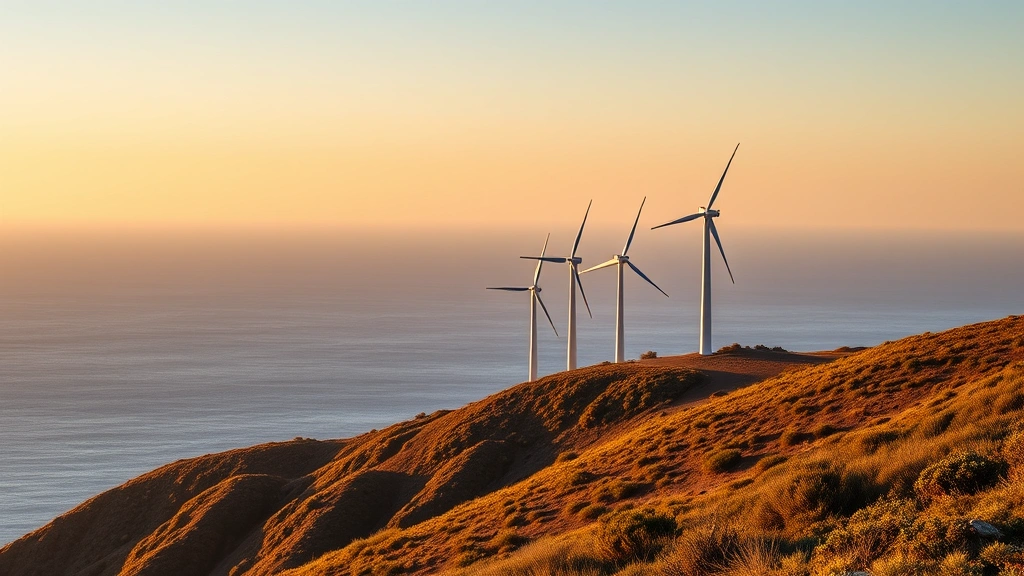
Scotland’s renewable energy transition exemplifies how regional economies can leverage green policies for competitive advantage. Offshore wind development has created specialized manufacturing, installation, and maintenance sectors, attracting international investment and supporting communities previously dependent on declining oil industries. Economic diversification through green transition reduces regional vulnerability while creating sustainable long-term prosperity.
Germany’s Energiewende, despite implementation challenges, demonstrates commitment to environmental objectives generating measurable economic benefits. Renewable energy employment exceeds coal industry employment, and technological innovations in grid management and energy storage position German companies as global leaders. Blog home archives document ongoing transition progress and emerging economic opportunities.
FAQ
Do green policies actually improve economic growth?
Yes, research demonstrates that well-designed green policies support sustained economic growth while reducing environmental impact. The mechanisms include job creation in clean technology sectors, innovation stimulation, improved resource efficiency, reduced health costs from pollution prevention, and avoided climate damages. Countries with strong environmental policies consistently achieve growth rates comparable to less-regulated competitors while building long-term economic resilience.
How many jobs does the green economy create?
The renewable energy sector alone employs over 12 million workers globally, with numbers growing annually. When including adjacent sectors—sustainable agriculture, green building, environmental restoration, waste management innovation—the green economy represents tens of millions of jobs. These positions typically offer better wages and benefits than declining fossil fuel industries, supporting economic opportunity and social mobility.
Won’t green policies increase consumer costs?
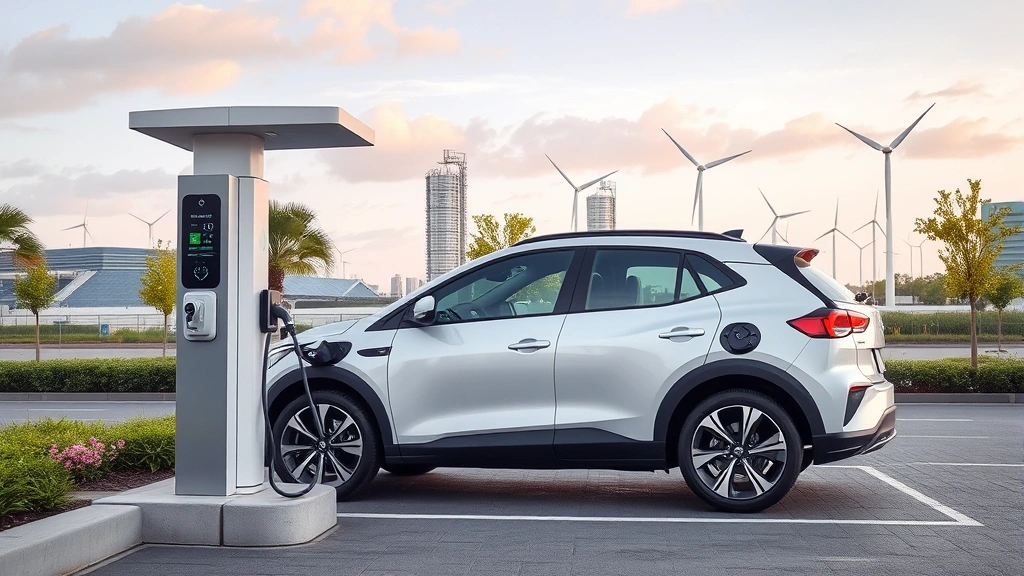
Initial green technology costs may be higher, but total cost of ownership typically favors green alternatives when lifecycle costs are calculated. Electric vehicles, for example, have lower operating and maintenance costs despite higher purchase prices. Green building reduces energy expenses substantially over decades. Renewable energy now costs less than fossil fuel generation in most markets. Policy support helps bridge early cost differentials while rapid scaling reduces prices through technological learning curves.
How do green policies affect international competitiveness?
Countries implementing green policies early gain competitive advantages through technological leadership, access to growing clean technology markets, and reduced energy costs. Companies headquartered in green-policy jurisdictions often lead global markets in clean technology. Energy security improvements from renewable transition reduce economic vulnerability. These advantages typically outweigh any short-term adjustment costs from policy implementation.
What role does government policy play in green economic transition?
Government policy establishes regulatory frameworks, prices carbon emissions, funds research and development, and removes barriers to clean technology adoption. These interventions correct market failures where environmental costs are not reflected in prices. Policy certainty enables business investment in long-term clean technology infrastructure. Direct government support accelerates technological maturation and cost reduction, enabling faster economic transition than markets alone would achieve.


