Can Human Innovation Aid Ecosystems? Study Insights
The narrative surrounding human impact on the environment has long centered on degradation, pollution, and species loss. Yet emerging research reveals a more nuanced reality: human innovation, when strategically applied, can actively restore and strengthen ecosystems. This paradigm shift challenges the traditional conservation model that often excludes human participation, instead demonstrating how technological advancement, ecological knowledge, and intentional design can work synergistically with natural systems to reverse environmental damage and enhance biodiversity.
Recent studies from leading ecological economics institutions document remarkable cases where human ingenuity has transformed degraded landscapes into thriving ecosystems. From wetland restoration projects powered by innovative engineering to precision agriculture techniques that reduce environmental footprints while increasing yields, evidence suggests that the relationship between humanity and nature need not be inherently antagonistic. Understanding these positive effects of human activities on the environment provides both hope and actionable pathways for addressing global ecological challenges.
How Innovation Transforms Ecosystem Recovery
Innovation in ecosystem recovery operates through multiple pathways, each demonstrating how human creativity can amplify nature’s regenerative capacity. The core principle involves leveraging technology and scientific understanding to remove barriers to ecological function, whether those barriers are physical, chemical, or biological. When humans apply innovation thoughtfully, we essentially become ecological engineers capable of accelerating processes that would otherwise take decades or centuries.
One compelling example comes from oyster reef restoration projects along the Atlantic coast. Traditional restoration efforts involved manually placing shell and larvae in degraded areas—a labor-intensive process with modest success rates. Modern innovation has introduced autonomous underwater drones equipped with environmental sensors that map optimal placement zones, monitor water quality in real-time, and deploy larvae with precision previously impossible. The result: restoration success rates have improved by 40-60%, creating thriving reef ecosystems that support thousands of species while simultaneously improving water quality through natural filtration.
The concept of human environment interaction has evolved considerably. Rather than viewing humans as external actors imposing change on passive ecosystems, contemporary ecological science recognizes that human-directed innovation can function as a legitimate ecological process when aligned with natural system dynamics. Research published by the World Bank’s Environment Division demonstrates that nature-based solutions incorporating human innovation deliver ecosystem services worth trillions annually while simultaneously addressing climate change and biodiversity loss.
Understanding how do humans affect the environment in positive ways requires examining the feedback mechanisms between human systems and ecological systems. When innovation reduces pollution, increases habitat connectivity, or restores degraded landscapes, these improvements cascade through ecosystems, strengthening resilience and productivity. The key distinction lies in whether human activity works with or against ecological principles—and increasingly, innovation enables the former.

Technological Solutions Enhancing Biodiversity
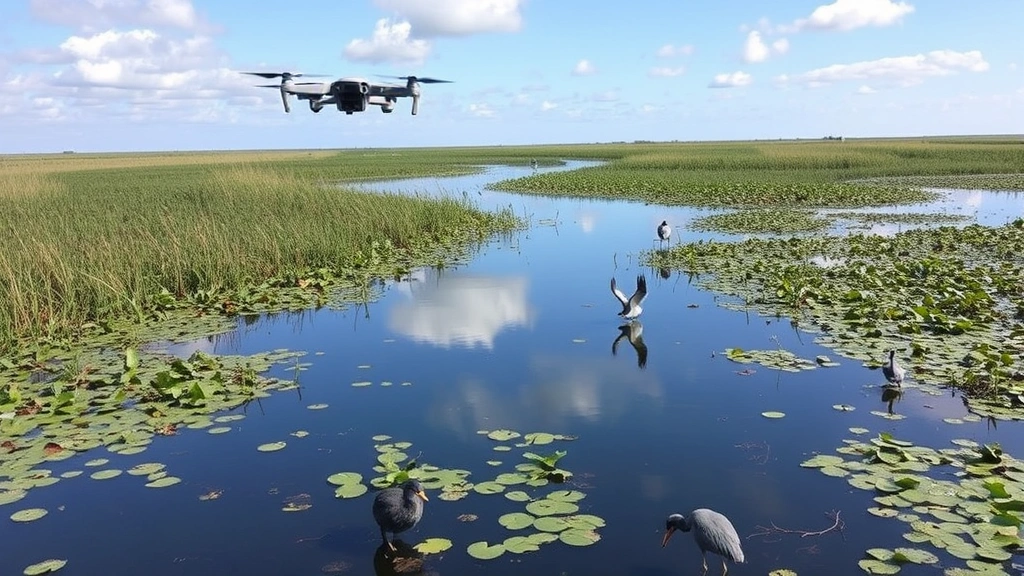
Biodiversity enhancement through technology represents one of the most promising frontiers in conservation. Artificial intelligence and machine learning now enable scientists to monitor species populations across vast territories, predict ecosystem changes before they occur, and coordinate conservation efforts with unprecedented precision. Drone technology equipped with advanced sensors can survey remote rainforests, identify endangered species, and detect poaching activity in real-time, enabling rapid response to threats.
Genetic rescue technology presents another innovative pathway. For critically endangered species facing genetic bottlenecks, carefully managed genetic diversity restoration—using cryopreservation and assisted reproductive technologies—offers a legitimate tool for preventing extinction. These interventions, when applied ethically and scientifically, can restore genetic vigor to populations otherwise doomed to collapse. The Arabian oryx, California condor, and Arabian horse have all benefited from coordinated breeding programs that combine traditional conservation with modern reproductive science.
Bioacoustic monitoring represents an underappreciated innovation with profound implications for biodiversity assessment. Autonomous recording devices deployed throughout forests and wetlands continuously capture sound data, which machine learning algorithms analyze to identify species presence, population health, and behavioral patterns. This technology enables scientists to monitor biodiversity at landscape scales impossible through traditional field surveys, providing early warning systems for ecosystem degradation and enabling targeted interventions before damage becomes irreversible.
Coral reef restoration technology deserves particular attention, given the stakes involved. Beyond conventional restoration, scientists now employ 3D-printed artificial reef structures optimized for specific coral species, promoting faster growth and higher survival rates. Assisted evolution techniques—carefully selective breeding and heat-hardening of coral larvae—create populations more resilient to warming oceans. While these approaches don’t replace climate mitigation, they provide crucial bridge solutions enabling ecosystems to persist while humanity addresses root causes of environmental change.
Ecological Engineering and Habitat Restoration
Ecological engineering represents the deliberate design of sustainable ecosystems that integrate human needs with ecological function. Unlike traditional engineering that often conflicts with natural systems, ecological engineering works with ecological principles to create systems that are simultaneously productive and regenerative. This discipline has produced remarkable successes across diverse environments.
Wetland restoration projects exemplify ecological engineering’s potential. The Everglades restoration initiative in Florida—one of the world’s most ambitious ecological engineering projects—employs sophisticated water management systems, hydrological modeling, and habitat design principles to restore a degraded ecosystem while maintaining water security for millions of people. By removing barriers to natural water flow, reintroducing native vegetation, and managing invasive species through integrated approaches, this project has recovered thousands of square miles of wetland habitat, supporting the return of alligators, wading birds, and fish populations to sustainable levels.
Constructed wetlands for wastewater treatment demonstrate how ecological engineering simultaneously solves human infrastructure challenges while creating valuable habitat. These systems use carefully designed plant communities and microbial processes to purify water while establishing thriving ecosystems. Cities worldwide now employ constructed wetlands that treat municipal wastewater while creating recreational spaces and wildlife habitat—a triple benefit impossible through conventional treatment approaches.
Riparian restoration along degraded rivers showcases how innovation enhances ecosystem recovery. Modern approaches combine hydrological restoration (reestablishing natural flow regimes), physical habitat engineering (creating diverse channel structures), and biological management (reintroducing native species) to transform channelized, degraded rivers into multifunctional ecosystems. The Maumee River restoration in Ohio and similar projects across North America have recovered fish populations, improved water quality, and enhanced flood resilience simultaneously—outcomes that benefit both ecosystems and human communities.
Reforestation innovation has advanced dramatically through satellite monitoring, drone-based planting, and species selection algorithms. Rather than planting monocultures of fast-growing species, modern approaches use data-driven methods to select species combinations optimized for local climate, soil conditions, and biodiversity goals. This innovation accelerates forest regeneration while creating more resilient, biodiverse forests capable of supporting greater species richness than natural regeneration alone.
Sustainable Agriculture’s Positive Environmental Cascade
Agriculture occupies nearly 40% of Earth’s land surface, making agricultural innovation one of the highest-leverage opportunities for positive environmental impact. Modern sustainable agriculture demonstrates how innovation enables food production that simultaneously enhances rather than degrades ecological function.
Precision agriculture technologies—GPS-guided tractors, soil sensors, variable-rate fertilizer application, and drone-based crop monitoring—reduce input use while increasing productivity. Farmers employing these technologies apply water, nutrients, and pesticides only where and when needed, dramatically reducing runoff that creates dead zones in waterways. A study from the United Nations Environment Programme found that precision agriculture reduces nitrogen runoff by 30-50% while increasing crop yields by 10-20%, representing a win-win outcome for both production and environmental quality.
Cover cropping, enhanced through crop selection algorithms and phenotypic monitoring, builds soil health while reducing erosion and nutrient loss. When farmers plant nitrogen-fixing legumes or diverse plant mixtures during off-seasons, these crops restore soil structure, suppress weeds, enhance water retention, and provide habitat for beneficial insects. The innovation lies in understanding optimal species combinations and management timing—knowledge increasingly enabled by data analytics and modeling systems.
Regenerative grazing management, informed by ecological succession principles and supported by rotational planning software, transforms livestock production from a degrading activity into a landscape restoration tool. By mimicking natural herbivore movement patterns, carefully timed grazing stimulates plant growth, builds soil carbon, enhances water infiltration, and supports diverse plant and animal communities. Ranches employing these approaches have increased soil organic matter by 1-2% annually while maintaining or increasing livestock productivity—an outcome impossible through conventional grazing management.
Agroforestry systems represent another innovation combining production with ecological restoration. By integrating trees with crops or livestock, farmers create multifunctional landscapes that produce food and income while providing wildlife habitat, storing carbon, improving water quality, and enhancing resilience to climate variability. The innovation involves understanding species compatibility, optimizing spatial arrangements, and managing temporal dynamics to maximize both production and ecological benefits.
Understanding how to reduce carbon footprint in agricultural systems drives innovation toward lower-input, higher-efficiency approaches. Biochar incorporation, anaerobic digestion of agricultural waste, and optimized nitrogen management all represent innovations reducing agriculture’s climate impact while often improving soil health and productivity—demonstrating how environmental and economic goals can align.
Urban Ecosystems and Green Infrastructure Innovation
Cities, home to over half of humanity and growing, represent critical frontiers for positive human-environment interaction. Urban innovation demonstrates how densely populated areas can become ecological assets rather than liabilities.
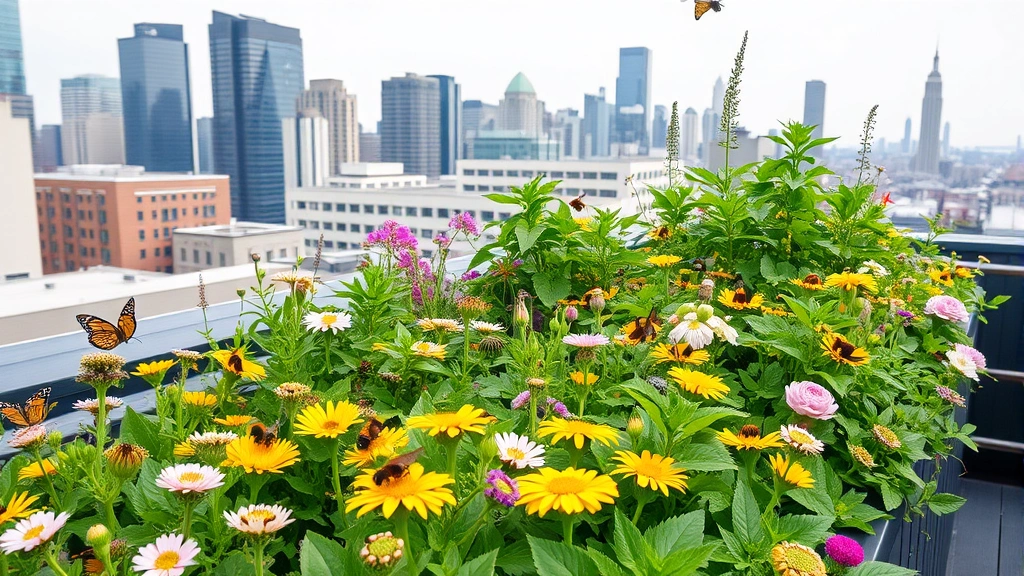
Green infrastructure innovation transforms cities from ecological deserts into productive ecosystems. Green roofs and living walls not only reduce urban heat island effects and stormwater runoff but also provide habitat for pollinators, birds, and other wildlife. Cities implementing extensive green infrastructure networks have documented increases in biodiversity, improved air quality, and enhanced mental health outcomes for residents—outcomes that quantify the value of environment and society integration.
Urban river daylighting projects restore ecological function to waterways buried in concrete pipes. By removing hardened channels and restoring natural floodplain connectivity, cities create space for water infiltration, sediment deposition, and riparian vegetation establishment. These restored streams support fish populations, reduce flooding, improve water quality, and provide recreational and educational opportunities for urban residents. The innovation involves engineering solutions that safely manage stormwater while restoring ecological processes.
Pollinator corridor design using flowering plants, native vegetation, and strategic habitat placement enables cities to support thriving populations of bees, butterflies, and other essential species. Community science initiatives, often enabled by mobile apps and online platforms, engage citizens in monitoring and enhancing these corridors, creating both ecological and social benefits.
Vertical farming and controlled environment agriculture innovation enables food production within cities, reducing transportation impacts, water use, and pesticide application while providing local employment and food security. These systems represent a fundamentally different model of human-environment interaction—one where production occurs within carefully managed ecological systems designed to minimize harm and maximize resource efficiency.
Economic Models Supporting Ecosystem Regeneration
Innovation extends beyond technology to economic systems that incentivize ecosystem regeneration. Payment for ecosystem services programs, carbon markets, and biodiversity finance mechanisms create economic value for conservation, enabling landowners and communities to profit from ecological restoration.
Ecosystem service valuation, supported by sophisticated economic modeling, quantifies benefits previously considered priceless and therefore overlooked in economic decision-making. When wetlands’ water purification capacity, flood buffering, and wildlife habitat provision receive monetary valuation, landowners recognize restoration’s profitability. This innovation in environmental economics has catalyzed millions of hectares of restoration investment worldwide.
Blue carbon finance mechanisms incentivize mangrove, seagrass, and salt marsh restoration by creating revenue streams from carbon sequestration. These coastal ecosystems store carbon at rates 10-40 times higher than terrestrial forests, yet were historically considered wastelands worthy of conversion. Carbon finance innovation has reversed this trajectory, making restoration economically attractive while simultaneously restoring some of Earth’s most biodiverse and productive ecosystems.
Biodiversity credit systems, emerging as counterparts to carbon credits, create markets for ecosystem regeneration. Companies and individuals invest in biodiversity restoration projects, receiving credits representing documented species recovery or habitat enhancement. This innovation channels capital toward conservation while providing measurable accountability for ecosystem outcomes.
The World Bank’s green bonds initiative demonstrates how financial innovation mobilizes capital for ecosystem restoration at unprecedented scales. Green bonds dedicated to environmental projects have raised hundreds of billions of dollars for renewable energy, ecosystem restoration, and climate adaptation—outcomes impossible through traditional conservation financing.
Community-Driven Conservation Through Technology
Innovation democratizes conservation, enabling communities worldwide to participate in ecosystem monitoring, restoration, and management. Community science platforms, mobile applications, and open-source data systems have transformed conservation from an expert-driven enterprise into a collaborative, inclusive endeavor.
Citizen science initiatives leveraging smartphone technology enable millions of people to contribute ecological observations. iNaturalist, eBird, and similar platforms aggregate observations from global participants, generating datasets of unprecedented scale and detail. These community-generated datasets enable scientific discoveries impossible through traditional research approaches while fostering environmental literacy and stewardship among participants.
Local ecological knowledge, accumulated across generations, represents humanity’s most valuable innovation for sustainable ecosystem management. Modern approaches integrate this knowledge with scientific methodology through participatory research frameworks. Indigenous communities managing lands using traditional practices often achieve superior biodiversity outcomes compared to protected areas employing conventional approaches—an innovation in recognizing and supporting indigenous stewardship.
Technology platforms enabling community coordination of restoration efforts multiply impact. Mapping platforms identifying restoration opportunities, project management tools coordinating volunteer efforts, and data systems tracking outcomes enable communities to execute landscape-scale restoration previously requiring large institutional resources. This democratization of restoration capability represents a profound innovation in human-ecosystem relations.
Understanding contemporary conservation approaches increasingly emphasizes community engagement and local benefit distribution. When ecosystem restoration simultaneously improves local livelihoods through employment, enhanced resources, or cultural benefits, communities become invested in long-term ecosystem health rather than viewing conservation as external imposition.
Educational technology innovation builds environmental literacy foundational to long-term conservation success. Virtual reality systems enabling immersive experiences of threatened ecosystems, augmented reality applications revealing ecological relationships invisible to naked eyes, and online learning platforms democratizing access to ecological knowledge create informed constituencies capable of supporting ambitious environmental policies.
FAQ
Can human innovation truly solve environmental problems, or is it a distraction from reducing consumption?
Innovation and consumption reduction represent complementary rather than competing strategies. Reducing harmful consumption remains essential, yet innovation enables production of remaining necessary goods with minimal environmental impact. The optimal approach combines both—innovation improving efficiency and environmental outcomes while society reduces unnecessary consumption. Evidence suggests neither alone suffices; both are necessary for achieving sustainability.
Don’t ecosystem restoration projects sometimes create new problems or fail to restore true ecological function?
Well-designed restoration projects, informed by ecological science and long-term monitoring, generally succeed at restoring core ecological functions. However, poorly designed projects can indeed create problems. Success requires understanding target ecosystem dynamics, addressing root causes of degradation (not just symptoms), and committing to adaptive management based on monitoring results. Failures typically result from insufficient ecological knowledge or inadequate funding, not inherent limitations of restoration approaches.
How do we ensure innovation-driven conservation doesn’t become a tool for corporations to greenwash harmful activities?
Transparency, independent verification, and community oversight provide essential safeguards. Legitimate ecosystem restoration should be measurable, scientifically validated, and independently verified. Communities affected by restoration projects deserve decision-making authority and benefit-sharing arrangements. Regulatory frameworks establishing standards for ecosystem outcomes prevent corporations from claiming credit for marginal improvements while continuing significant environmental harm.
What role should indigenous communities play in innovation-driven conservation?
Indigenous communities should lead rather than merely participate in conservation innovation. Traditional ecological knowledge represents humanity’s most sophisticated understanding of sustainable ecosystem management, refined across millennia. Innovation should integrate this knowledge with modern science, with indigenous communities directing research priorities and retaining authority over traditional territories. This approach produces superior ecological outcomes while respecting rights and supporting indigenous livelihoods.
Can technology-driven ecosystem restoration work at the scale required to address biodiversity loss and climate change?
Scaling innovation requires simultaneous advancement across multiple dimensions: technological capability, financial resources, institutional capacity, and policy frameworks. Current progress demonstrates feasibility—restoration projects are expanding in scale and scope, costs are declining through technological improvements, and international policy increasingly supports ecosystem restoration. However, realizing necessary scales requires accelerating innovation deployment and ensuring equitable distribution of benefits across global communities.


