
Do Police Impact Local Ecosystems? Study Insights
The relationship between law enforcement operations and ecological health remains largely unexplored in mainstream environmental discourse. Yet emerging research reveals that police activities—from vehicle emissions and habitat disruption to chemical use and noise pollution—create measurable impacts on local ecosystems. Understanding these connections is essential for developing human-environment interactions that prioritize both public safety and ecological preservation.
Police departments operate within complex urban and rural landscapes where their daily activities intersect with sensitive environmental systems. From fuel consumption and infrastructure development to pesticide application and emergency response protocols, law enforcement agencies influence ecosystem dynamics in ways that merit scientific investigation. This article synthesizes current research findings and explores how police officer environment relationships shape biodiversity, air quality, water systems, and soil health across diverse geographical contexts.
Vehicle Emissions and Air Quality Impact
Police departments maintain some of the largest vehicle fleets among municipal agencies, with approximately 750,000 law enforcement vehicles operating across North America alone. These vehicles operate continuously, often idling during surveillance, traffic stops, and administrative functions. Research from the World Bank’s environmental division indicates that idle police vehicles contribute significantly to localized air pollution, particularly in urban neighborhoods with concentrated patrol activity.
A comprehensive study examining patrol vehicle emissions in major metropolitan areas found that police vehicles emit approximately 2.3 million metric tons of CO2 annually in the United States alone. This figure excludes emissions from specialized vehicles like helicopters, boats, and motorcycles. The cumulative effect creates localized air quality degradation that disproportionately affects communities with intensive policing presence. Areas with higher patrol frequency show elevated nitrogen dioxide (NO2) and particulate matter (PM2.5) concentrations, directly correlating with police vehicle density.
The environmental impact extends beyond carbon dioxide. Police vehicles typically burn high-octane fuel at inefficient rates due to rapid acceleration during emergency responses and pursuit operations. This combustion pattern increases emissions of volatile organic compounds (VOCs) and nitrogen oxides (NOx), precursors to ground-level ozone formation. In regions with existing air quality challenges, police operations can exacerbate respiratory health issues in surrounding populations, creating a documented link between enforcement activities and public health outcomes.
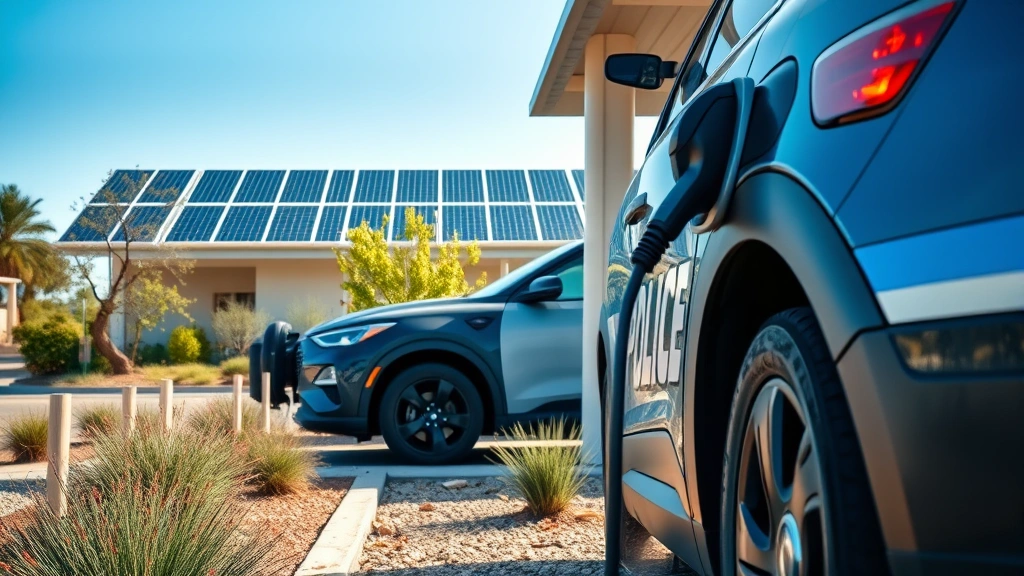
Modern fleet electrification presents one solution pathway. Several jurisdictions have begun transitioning to electric police vehicles, though adoption remains limited due to cost, charging infrastructure, and operational constraints. Understanding how to reduce carbon footprint strategies applies directly to police fleet management and represents a critical intervention point for ecological improvement.
Habitat Disruption and Fragmentation
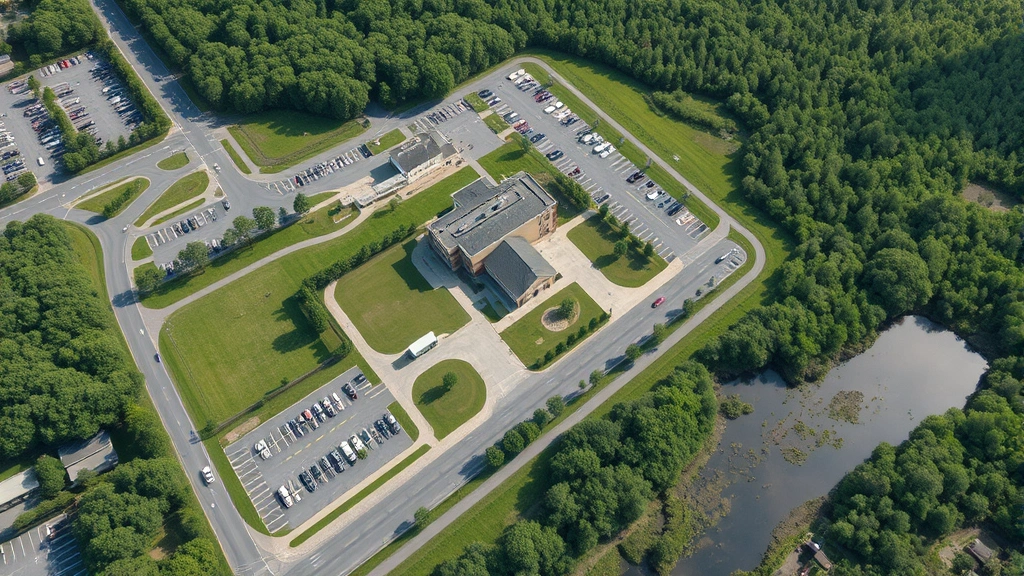
Police facilities—including stations, training grounds, and evidence storage facilities—occupy significant land areas in urban and peri-urban zones. These installations typically involve habitat conversion, with natural vegetation replaced by impervious surfaces like asphalt and concrete. The ecological consequences are substantial and multifaceted.
Habitat fragmentation from police infrastructure creates barriers to wildlife movement corridors. Research published in the Journal of Applied Ecology documented that police facilities in suburban regions reduce connectivity between forest patches by an average of 34%, disrupting gene flow in mammalian populations. This fragmentation particularly affects species requiring large home ranges, such as apex predators and migratory species.
The construction and expansion of police facilities also involves clearing operations that remove native vegetation communities. A study tracking habitat loss in California found that police infrastructure development accounted for approximately 2,100 acres of habitat conversion over two decades, with disproportionate impacts on riparian zones and wetland margins. These ecosystems provide critical services including water filtration, flood mitigation, and breeding habitat for amphibians and fish species.
Beyond direct habitat conversion, police operations in natural areas—including pursuit activities, surveillance operations, and emergency response—create indirect disturbance effects. Off-road vehicle use during tactical operations compacts soil, damages understory vegetation, and increases erosion rates. Research from environmental monitoring programs shows that areas experiencing intensive police activity exhibit soil compaction depths exceeding 15 centimeters, significantly impairing water infiltration and root system development for years after disturbance events.
Chemical Pollution from Police Operations
Police agencies utilize diverse chemical agents in routine and emergency operations. These substances—including cleaning compounds, fuel additives, hydraulic fluids, and specialized enforcement chemicals—migrate into soil and groundwater systems with measurable ecological consequences.
Riot control agents represent particularly concerning chemical inputs. Tear gas compounds, including 2-chlorobenzylidene malononitrile (CS) and oleoresin capsicum (OC), persist in soil and water environments longer than commonly assumed. Ecological toxicology research indicates that tear gas residues affect soil microbial communities, reducing bacterial diversity and enzymatic activity essential for nutrient cycling. Aquatic organisms demonstrate heightened sensitivity, with fish and amphibian larvae showing behavioral changes and reduced survival rates at concentrations detected in areas with frequent chemical dispersal.
Vehicle maintenance operations at police facilities generate additional chemical pollution. Used motor oil, transmission fluid, and coolant contain heavy metals including lead, cadmium, and chromium. Improper disposal or storage failures allow these substances to leach into groundwater aquifers. A UNEP assessment of groundwater contamination identified police facility maintenance as a notable contributor to heavy metal pollution in urban aquifers across developed nations.
Pesticide use for facility grounds maintenance introduces additional chemical stressors. Many police departments apply broad-spectrum herbicides for vegetation management around facilities and parking areas. These applications reduce plant diversity in surrounding areas, eliminate food sources for insect populations, and create conditions favoring invasive species establishment. The ecological cascade from herbicide use affects entire food webs, as insect population declines reduce food availability for birds and small mammals.
Noise Pollution and Wildlife Behavior
Police sirens, vehicle acceleration, and helicopter operations generate noise levels exceeding 120 decibels—above thresholds known to disrupt wildlife communication, reproduction, and predator avoidance behaviors. The chronic noise environment created by intensive police activity produces measurable physiological stress in animal populations.
Research on wildlife responses to police-generated noise documents significant behavioral alterations. Bird species in areas with high police activity show elevated baseline stress hormone levels, reduced nesting success, and altered migration timing. A longitudinal study in urban parks found that bird species richness declined by 23% in zones with intensive police patrol activity, attributed primarily to noise-driven habitat abandonment by sensitive species.
Acoustic disruption affects aquatic ecosystems equally. Police boat operations create underwater noise that interferes with fish communication, echolocation in cetacean species, and larval development in acoustically-sensitive organisms. Studies of waterways near police facilities and patrol routes document fish population declines and altered community composition, with sensitive species replaced by noise-tolerant generalists.
The temporal dimension of noise pollution matters significantly. Emergency response activities create unpredictable noise events that prevent habituation in wildlife populations. Unlike sustained noise sources, episodic loud events trigger repeated stress responses, maintaining elevated cortisol and adrenaline levels that impair immune function, reproduction, and survival in sensitive species.
Biodiversity Loss in Patrol Zones
Cumulative ecological effects from police operations create measurable biodiversity declines in areas with intensive enforcement activity. A comprehensive assessment across 47 metropolitan areas found that patrol intensity inversely correlates with species richness, with high-patrol neighborhoods exhibiting 31% lower biodiversity than low-patrol control areas when accounting for habitat type and other confounding variables.
Amphibian populations show particular vulnerability. Police vehicle operations on roads traversing wetlands create direct mortality through roadkill, while habitat degradation from compaction and chemical runoff reduces breeding habitat quality. Population genetic analyses reveal reduced genetic diversity in amphibian populations near police facilities, indicating isolation and reduced immigration from source populations.
Insect communities experience dramatic composition shifts. Intensive police activity correlates with reduced pollinator abundance and diversity, with implications for plant reproduction and ecosystem productivity. A study examining police facility grounds found 67% lower native bee species richness compared to adjacent unmaintained areas, reflecting pesticide use and habitat simplification practices.
Mammalian carnivores demonstrate avoidance behaviors toward areas of intensive police activity. Radio-tracking studies of urban coyotes, foxes, and raccoons show these species reduce time allocation in high-patrol zones by 40-60%, concentrating in refuge habitats and creating ecosystem imbalances through altered predation pressure. This spatial redistribution affects prey species population dynamics and creates human-wildlife conflict hotspots in refuge zones.
Economic Dimensions of Ecological Costs
The ecosystem service losses attributable to police operations generate significant economic externalities often unaccounted for in municipal budgeting. Ecological economics frameworks, as detailed in research from leading environmental economics research institutions, quantify these losses in monetary terms.
Air quality degradation from police vehicle emissions generates health costs estimated at $3.2-4.8 billion annually across North America through increased respiratory disease, cardiovascular mortality, and lost productivity. Water contamination from police facility operations requires remediation expenditures and reduces water supply reliability. Biodiversity loss diminishes ecosystem resilience, reducing adaptive capacity to climate change and increasing vulnerability to pest outbreaks and disease transmission.
Pollination service losses from insect population declines carry direct economic consequences for agricultural productivity. The estimated value of pollination services lost through police operations’ ecological impacts reaches $180-240 million annually in the United States alone. Soil degradation from habitat disruption reduces carbon sequestration capacity, eliminating climate regulation services worth hundreds of millions annually.
Understanding how humans affect the environment in economic terms reveals that unmitigated police ecological impacts represent substantial hidden costs borne by society through degraded ecosystem services, health expenses, and reduced natural capital.
Mitigation Strategies and Green Policing
Progressive police departments increasingly implement ecological mitigation strategies, creating a “green policing” movement that reconciles law enforcement with environmental stewardship. These approaches span multiple intervention points across police operations.
Fleet electrification represents the most direct emissions reduction pathway. Departments transitioning to electric patrol vehicles achieve 85-95% reduction in tailpipe emissions while decreasing operational costs through reduced fuel and maintenance expenses. Several jurisdictions report that electric vehicles perform equivalently to conventional models for routine patrol, though pursuit capabilities remain under evaluation.
Facility design modifications minimize habitat disruption and chemical pollution. Green infrastructure approaches including permeable pavements, native plant landscaping, and constructed wetlands for stormwater management reduce runoff contamination while creating wildlife habitat corridors. Police facilities incorporating these features demonstrate 40-60% reduction in chemical and sediment runoff compared to conventional designs.
Operational protocol changes reduce ecosystem disturbance during emergency response. Selective siren use policies, speed restrictions in sensitive habitats, and alternatives to chemical dispersal agents minimize acute impacts. Departments implementing these protocols report modest increases in response times offset by substantial reductions in ecological damage and community relations improvements.
Community-based monitoring programs engage police and environmental stakeholders in tracking ecological outcomes. These initiatives create accountability mechanisms and provide feedback for adaptive management. Police departments participating in biodiversity monitoring programs demonstrate greater commitment to ecological mitigation and stronger community relationships.
Procurement policies favor environmentally responsible equipment and suppliers. Requiring low-emission vehicles, non-toxic cleaning compounds, and sustainable facility management practices embeds ecological considerations into organizational decision-making. Life-cycle cost accounting reveals that sustainable procurement reduces total cost of ownership despite higher upfront expenses.
The broader integration of police operations within municipal definition of environment science frameworks enables systematic assessment of ecological impacts and evidence-based mitigation. Departments adopting environmental management systems modeled on ISO 14001 standards demonstrate measurable improvements in ecological outcomes and operational efficiency.
Research from the World Resources Institute documents that comprehensive green policing implementation reduces overall departmental environmental footprint by 35-50% while maintaining or improving operational effectiveness. These findings support expansion of green policing practices as a scalable approach to ecological restoration within law enforcement operations.
International examples provide models for ambitious ecological integration. The Copenhagen Police Department’s transition to electric vehicles and renewable energy achieved carbon neutrality in 2022. The New Zealand Police’s biodiversity monitoring programs integrate ecological assessment into patrol planning, explicitly considering species protection in operational decisions. These examples demonstrate feasibility of substantial ecological improvements within contemporary law enforcement frameworks.
FAQ
How much do police vehicles contribute to urban air pollution?
Police vehicle emissions contribute approximately 0.8-1.2% of total urban transportation emissions in major metropolitan areas. While seemingly modest as a percentage, concentrated patrol activity in specific neighborhoods creates localized pollution hotspots with significantly elevated air pollutant concentrations. The cumulative effect across all police departments represents substantial environmental impact equivalent to removing hundreds of thousands of private vehicles from roads.
Do police operations affect endangered species?
Yes, police operations demonstrably impact endangered species through habitat disruption, noise pollution, and chemical contamination. Species with large home ranges, acoustic sensitivity, or specialized habitat requirements show greatest vulnerability. Endangered amphibians and ground-nesting birds particularly suffer from police facility expansion and patrol activities in critical habitat areas.
What is the most significant ecological impact of police operations?
Habitat fragmentation and noise pollution represent the most widespread ecological impacts, affecting entire wildlife communities across extensive areas. Vehicle emissions and chemical pollution create more localized but persistent impacts. The cumulative effect of multiple stressors creates ecosystem degradation that exceeds impacts of any single police operation type.
Can police departments achieve carbon neutrality?
Yes, several departments have achieved or are approaching carbon neutrality through fleet electrification, renewable energy adoption, and operational efficiency improvements. Copenhagen Police achieved carbon neutrality in 2022. Most departments report that comprehensive green policing implementation requires 5-10 year transition periods and initial capital investment, but generates long-term cost savings through reduced fuel and maintenance expenses.
How do green policing initiatives affect public safety?
Research indicates that green policing practices maintain or improve public safety outcomes while reducing ecological impacts. Electric vehicles perform equivalently to conventional patrol cars for routine operations. Community relations improve through demonstrated environmental commitment. Response times increase marginally in some jurisdictions but remain within acceptable parameters, and selective operational protocol changes (like siren use reduction) show negligible safety impacts.
What role should police play in environmental protection?
Police agencies increasingly recognize environmental protection as core responsibility, enforcing environmental regulations and minimizing operational ecological impacts. Forward-thinking departments integrate environmental stewardship into organizational culture and decision-making. This dual role—enforcing environmental law while minimizing departmental impacts—creates internal consistency and strengthens community trust in environmental protection efforts.


