Abiotic Factors in Ecosystems: A Detailed Overview
Ecosystems function as intricate networks where life thrives through the constant interaction between living organisms and their physical environment. While biotic factors—the plants, animals, and microorganisms—capture our attention, the abiotic factors form the fundamental foundation upon which all life depends. These nonliving physical components of an ecosystem create the conditions that determine where organisms can survive, how they adapt, and ultimately, the health and productivity of entire ecological communities.
Understanding abiotic factors is essential for comprehending ecosystem dynamics, predicting environmental changes, and developing effective conservation strategies. From the sunlight that powers photosynthesis to the soil chemistry that nourishes plant roots, from atmospheric pressure to water availability, abiotic elements orchestrate the rhythm of life itself. This comprehensive exploration examines how these physical components interact, influence biodiversity, and shape the world’s diverse ecosystems.
What Are Abiotic Factors?
Abiotic factors represent the nonliving physical components of an ecosystem that profoundly influence the distribution, abundance, and behavior of organisms. These factors encompass all measurable environmental conditions that affect living things—temperature, light, water, atmospheric gases, soil composition, humidity, wind, and pressure. Unlike biotic factors, which involve biological interactions, abiotic factors operate independently of life itself, though they are continuously shaped by and responsive to biological processes.
The significance of abiotic factors extends beyond simple environmental conditions. They function as limiting factors that determine carrying capacity—the maximum population size an ecosystem can sustain. When abiotic conditions fall outside an organism’s tolerance range, population growth stalls, migration occurs, or extinction becomes inevitable. For instance, desert plants have evolved to thrive in low-water conditions, while rainforest species require high humidity and precipitation. This ecological principle demonstrates that abiotic factors don’t merely influence life; they fundamentally define which organisms can exist in specific locations.
The study of abiotic factors bridges ecology with physical sciences, creating an interdisciplinary understanding of human environment interaction and ecosystem services. Environmental economists increasingly recognize that abiotic factor degradation—such as soil depletion or air pollution—represents a substantial economic cost often externalized by industries and markets.
Light and Solar Radiation
Solar radiation represents the primary energy source for virtually all Earth’s ecosystems, making light perhaps the most fundamental abiotic factor. Photosynthetically active radiation (PAR), spanning wavelengths between 400-700 nanometers, drives primary productivity and forms the foundation of food webs. The intensity and duration of light exposure directly determine photosynthetic rates, influencing plant growth, flowering patterns, and seasonal behaviors.
Light penetration varies dramatically across ecosystems. In terrestrial environments, dense forest canopies create distinct light gradients, with understory plants adapting to low-light conditions through larger leaves and shade-tolerance mechanisms. Aquatic ecosystems experience even more dramatic light attenuation, with the euphotic zone—where sufficient light permits photosynthesis—extending only 200 meters in the clearest ocean waters. Beyond this depth, bioluminescence becomes the primary light source, fundamentally altering ecosystem structure and energy dynamics.
Photoperiodism, the organism’s response to day length changes, regulates crucial biological processes including reproduction, migration, and dormancy. Many temperate species use changing day length as a reliable cue for seasonal transitions. Additionally, light quality influences plant morphology; far-red light ratios signal shade conditions, prompting plants to allocate resources toward stem elongation rather than leaf expansion. Understanding light dynamics proves essential for agricultural productivity and renewable energy integration strategies that must account for seasonal solar variations.
Temperature and Climate Dynamics
Temperature fundamentally governs metabolic rates, enzyme activity, and physiological processes in all organisms. Operating as one of the most critical abiotic factors, temperature influences where species can survive, how rapidly they grow, and their reproductive success. The thermal tolerance range—the temperature span between lethal minimum and maximum—defines an organism’s geographic distribution and niche.
Thermal stratification in lakes creates distinct ecological zones with different temperature regimes, supporting different communities of organisms. Epilimnion (warm surface layer), thermocline (transition zone with rapid temperature change), and hypolimnion (cold deep layer) each support specialized communities adapted to specific thermal conditions. Similarly, ocean temperature gradients create invisible boundaries that marine species rarely cross, effectively partitioning ecosystems into distinct thermal provinces.
Climate change intensifies temperature-related stresses across ecosystems. Rising global temperatures alter growing seasons, shift species distributions, and disrupt predator-prey synchronization. According to research from the World Bank’s environmental initiatives, temperature increases threaten agricultural productivity across vulnerable regions, creating cascading economic consequences. The interaction between temperature and other abiotic factors—particularly water availability—creates complex stress conditions that many organisms cannot tolerate, driving range contractions and extinction risks.
Image placeholder:

Water and Aquatic Systems
Water, the universal solvent, fundamentally shapes ecosystem structure and function. Beyond its role as a nutrient medium, water regulates temperature through its high heat capacity, maintains osmotic balance within organisms, and serves as the primary medium for chemical reactions sustaining life. Water availability represents a critical limiting factor in terrestrial ecosystems, with precipitation patterns determining vegetation type, productivity, and species composition.
Moisture availability creates distinct biomes: deserts with less than 250mm annual rainfall, grasslands with 250-750mm, and forests exceeding 750mm. These precipitation thresholds reflect the physical components of an ecosystem that fundamentally constrain what life forms can persist. In arid regions, water scarcity drives selection for xerophytic adaptations—deep roots, waxy leaf coatings, reduced leaf surface area, and succulent tissues for water storage.
Aquatic ecosystems depend critically on water quality parameters including dissolved oxygen, salinity, pH, and nutrient concentrations. Eutrophication—excessive nutrient loading—disrupts oxygen balance, creating dead zones where aerobic life cannot survive. The economic implications prove substantial; agricultural runoff creates costly hypoxic zones in coastal areas, reducing fishery productivity and requiring expensive remediation. Understanding water as a fundamental abiotic factor becomes increasingly urgent as environment and natural resources management confronts competing demands from agriculture, industry, and human consumption.
Atmosphere and Gases
The atmosphere provides essential gases—oxygen, carbon dioxide, and nitrogen—that organisms require for respiration, photosynthesis, and protein synthesis. Atmospheric composition represents an abiotic factor shaped by both physical processes and biological activity, creating a dynamic feedback system. Oxygen concentrations determine whether ecosystems support aerobic or anaerobic respiration, fundamentally affecting energy yield and organism diversity.
Carbon dioxide availability limits photosynthetic rates in many terrestrial ecosystems, particularly in dense forests where competition for CO₂ intensifies. Rising atmospheric CO₂ concentrations create a fertilization effect for some plant species while simultaneously acidifying aquatic systems, harming calcifying organisms like corals, mollusks, and crustaceans. Ocean acidification represents a critical abiotic stress with profound economic consequences for fisheries and aquaculture industries.
Nitrogen availability often limits primary productivity in terrestrial and aquatic ecosystems. Though nitrogen comprises 78% of the atmosphere, most organisms cannot utilize atmospheric N₂ directly; they depend on nitrogen-fixing bacteria and industrial fertilizer production. This dependency creates economic linkages between ecosystem health and energy-intensive agricultural systems. Air pollution, including ozone, particulates, and sulfur dioxide, further alters atmospheric composition, reducing light penetration and damaging photosynthetic tissues.
Soil Composition and Nutrients
Soil represents one of the most complex abiotic components, integrating mineral particles, organic matter, water, air, and countless microorganisms. Soil texture—determined by sand, silt, and clay proportions—governs water retention, nutrient availability, and root penetration. Clay-rich soils retain nutrients and water effectively but may become waterlogged; sandy soils drain rapidly but offer limited nutrient storage. Loamy soils, with balanced proportions, provide optimal conditions for most plant growth.
Soil chemistry profoundly influences ecosystem productivity and species composition. pH levels determine nutrient solubility; acidic soils (pH <6.5) mobilize aluminum and manganese to toxic levels while reducing phosphorus availability, while alkaline soils (pH >7.5) immobilize iron and other micronutrients. Organic matter content drives nutrient cycling and water-holding capacity, with decomposition processes releasing essential nitrogen, phosphorus, and potassium for plant uptake. Mycorrhizal associations between fungi and plant roots enhance nutrient acquisition, particularly phosphorus uptake in nutrient-poor soils.
Soil degradation through erosion, compaction, and nutrient depletion represents a critical environmental challenge with severe economic consequences. Agricultural productivity declines when soil organic matter drops below sustainable levels, requiring expensive fertilizer inputs to maintain yields. According to UNEP reports on environmental degradation, soil loss costs the global economy an estimated $400 billion annually through reduced productivity and ecosystem service losses.
Pressure and Altitude Effects
Atmospheric and hydrostatic pressure represent often-overlooked abiotic factors with profound ecological consequences. Altitude determines atmospheric pressure and oxygen availability, creating distinct ecological zones on mountains. The treeline—the elevation above which trees cannot survive—marks the boundary where atmospheric pressure and temperature become too limiting for tree growth. Alpine ecosystems support specialized vegetation with low growth forms, enhanced pigmentation for UV protection, and rapid reproductive cycles adapted to short growing seasons.
Aquatic pressure increases dramatically with depth, fundamentally shaping deep-sea ecosystems. At abyssal depths exceeding 4000 meters, pressures reach 400+ atmospheres, requiring specialized adaptations including protein stabilization mechanisms and reduced buoyancy. Pressure-resistant proteins allow deep-sea organisms to function in conditions that would denature enzymes in surface species. This pressure gradient creates distinct ecological zones—epipelagic (sunlit), mesopelagic (twilight), bathypelagic (dark), and abyssal (extreme pressure)—each supporting unique communities.
Altitude and pressure interactions create challenging conditions for human activities. High-altitude agriculture faces shortened growing seasons and reduced oxygen availability affecting both crops and livestock. Conversely, deep-sea ecosystems support chemosynthetic communities around hydrothermal vents, where chemical gradients and pressure conditions create unique energy sources independent of solar radiation.
Abiotic Factors and Biodiversity
Abiotic factors fundamentally determine biodiversity patterns across Earth’s biomes. The highest species diversity concentrates in tropical rainforests where temperature stability, high precipitation, and year-round growing seasons create ideal conditions for specialization. Conversely, extreme environments—deserts, arctic tundra, deep oceans—support lower biodiversity but often contain endemic species uniquely adapted to these harsh conditions.
Niche differentiation depends critically on abiotic heterogeneity. Microhabitat variation in light, moisture, temperature, and soil composition allows multiple species to coexist by specializing in different environmental conditions. Forest canopy gradients support distinct communities from sun-exposed canopy species to shade-tolerant understory species. Similarly, rocky intertidal zones experience extreme variation in moisture and temperature across small vertical distances, supporting remarkable species diversity within narrow spatial scales.
Climate stability correlates strongly with biodiversity; regions experiencing stable temperatures over evolutionary timescales harbor greater species diversity than regions with extreme climate fluctuations. This principle explains why tropical regions, which experience minimal seasonal variation, support approximately 80% of Earth’s species despite occupying only 7% of land area. Conversely, areas with highly variable abiotic conditions support fewer species but may include specialized extremophiles found nowhere else.
Image placeholder:

Economic Implications of Abiotic Factors
Abiotic factors profoundly influence economic systems through their effects on agricultural productivity, resource availability, and ecosystem services. Water availability determines agricultural potential, with ecosystem-focused analysis revealing that irrigation-dependent regions face mounting water stress as precipitation patterns shift. Climate change alters the geographic distribution of favorable abiotic conditions, potentially rendering previously productive agricultural regions unsuitable while opening new areas for cultivation—a redistribution with profound geopolitical and economic consequences.
Soil quality degradation imposes substantial economic costs through reduced agricultural productivity, requiring expensive fertilizer inputs to maintain yields. Nutrient depletion in intensive farming systems creates dependency on synthetic fertilizers, linking ecosystem health directly to petroleum-dependent supply chains. Conversely, regenerative agriculture practices that enhance soil organic matter and abiotic factor resilience reduce input costs while improving long-term productivity.
Ecosystem services dependent on abiotic factors—water purification, climate regulation, pollination support—provide economic value often unaccounted for in market prices. Wetlands purify water through physical and chemical processes, providing ecosystem services worth thousands of dollars per hectare annually, yet are frequently drained for development. Forests regulate temperature and moisture, supporting agricultural productivity in surrounding regions, yet deforestation externalizes these costs onto downstream communities.
Economic adaptation to abiotic factor constraints requires substantial investment. Drought-prone regions must develop water storage and irrigation infrastructure; flood-prone areas require protective structures; regions with poor soils need soil amendment programs. Conversely, understanding abiotic factor distribution allows strategic placement of economic activities—locating water-intensive industries near reliable water sources, positioning agriculture in regions with favorable climate conditions, and protecting natural areas that provide critical ecosystem services.
The concept of ecological carrying capacity—determined by abiotic factor availability—provides a framework for sustainable economic development. Exceeding carrying capacity by over-extracting water, depleting nutrients, or degrading soil creates economic instability as productivity declines. Ecological economics research increasingly emphasizes that long-term economic prosperity depends on maintaining abiotic factor stocks and flows within sustainable limits, requiring fundamental shifts in how economies account for natural capital.
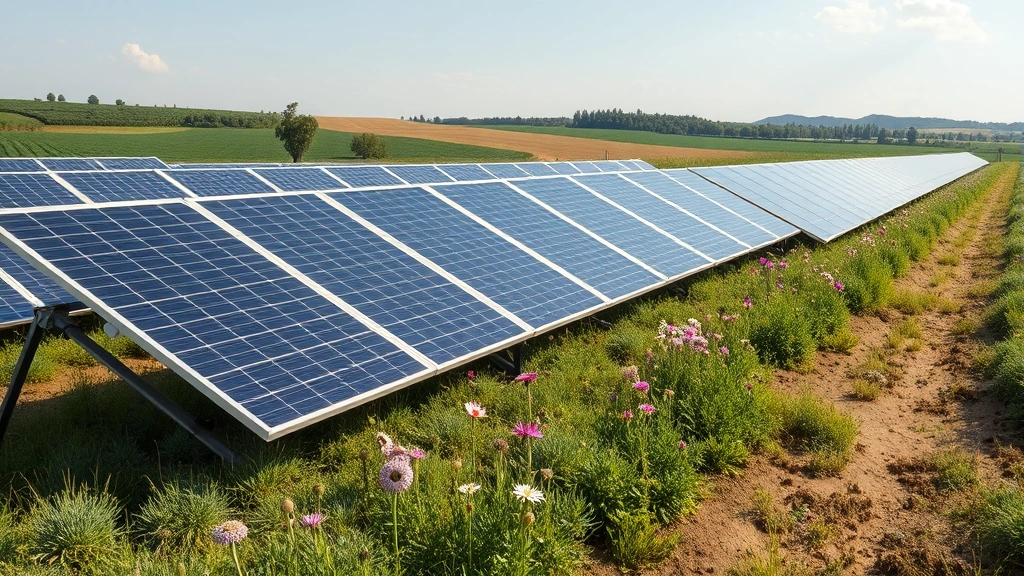
Climate change intensifies abiotic factor variability, creating economic risks through crop failures, water scarcity, and extreme weather events. Insurance industries increasingly recognize climate-related abiotic factor changes as critical risk factors. Adaptation strategies—developing drought-resistant crops, improving water-use efficiency, enhancing soil resilience—require substantial investment but prove economically essential for maintaining agricultural productivity and food security. The economic transition to renewable energy systems, which depend critically on abiotic factors like wind and solar radiation, demonstrates how understanding these physical ecosystem components drives technological and economic innovation.
Recognizing abiotic factors’ economic significance requires integrating ecological principles into economic policy. Ecological economics journals increasingly publish research on ecosystem service valuation, natural capital accounting, and sustainable resource management—frameworks that explicitly acknowledge how abiotic factor quality and availability determine economic capacity. This interdisciplinary approach challenges conventional economics’ treatment of natural systems as infinite resources, instead recognizing biophysical limits that constrain economic activity.
Sustainable development requires understanding that carbon footprint reduction and other environmental improvements depend fundamentally on maintaining abiotic factors within functional ranges. Agricultural systems must preserve soil quality, maintain water availability, and protect atmospheric integrity. Industrial systems must minimize pollution that degrades air and water quality. Economic institutions must value ecosystem services that depend on healthy abiotic conditions. This integration of ecological understanding with economic decision-making represents the essential pathway toward long-term prosperity.
FAQ
What is the difference between abiotic and biotic factors?
Abiotic factors are nonliving physical components including light, temperature, water, soil, and atmosphere, while biotic factors are living elements including plants, animals, fungi, and microorganisms. Both interact continuously to create ecosystem function.
Which abiotic factor is most important for ecosystems?
Water is often considered the most critical abiotic factor as organisms require it for survival, it regulates temperature, and its availability fundamentally determines which ecosystems can exist in specific locations. However, light, temperature, and soil nutrients also prove essential depending on ecosystem type.
How do abiotic factors affect population growth?
Abiotic factors function as limiting factors that determine carrying capacity. When conditions fall outside an organism’s tolerance range—temperature too extreme, water unavailable, nutrients depleted—population growth slows, migration occurs, or populations decline toward extinction.
Can organisms adapt to changing abiotic factors?
Over evolutionary timescales, organisms develop adaptations to abiotic conditions through natural selection. However, rapid abiotic changes from climate change may exceed adaptation rates, causing population declines and range shifts before evolutionary adaptation can occur.
How do abiotic factors influence biodiversity?
Abiotic factor heterogeneity creates diverse niches, allowing multiple species specialization and coexistence. Stable abiotic conditions support high biodiversity through allowing specialization, while variable conditions support fewer species but may include unique extremophiles.