Impact of Human Activities on Ecosystems: Study Insights
Human activities have fundamentally reshaped Earth’s ecosystems over the past century, creating cascading effects that challenge both natural systems and economic structures. The relationship between person in environment dynamics reveals critical insights into how individual and collective actions drive ecosystem degradation, resource depletion, and climate instability. This comprehensive analysis examines empirical evidence from recent ecological and economic research, demonstrating that understanding human environment interaction is essential for developing sustainable economic policies.
The urgency of addressing anthropogenic ecosystem impacts cannot be overstated. Global biodiversity loss accelerates at rates 100 to 1,000 times faster than natural extinction rates, while ecosystem services—valued at approximately $125 trillion annually—face unprecedented degradation. These interconnected crises demand interdisciplinary approaches that integrate ecological science with economic analysis, recognizing that environmental stability underpins all economic activity.

Mechanisms of Human-Driven Ecosystem Disruption
Human activities disrupt ecosystems through interconnected mechanisms that operate across spatial and temporal scales. The primary pathways include habitat destruction, pollution, resource extraction, and climate forcing. Understanding the definition of environment science helps clarify how these mechanisms interact within complex adaptive systems.
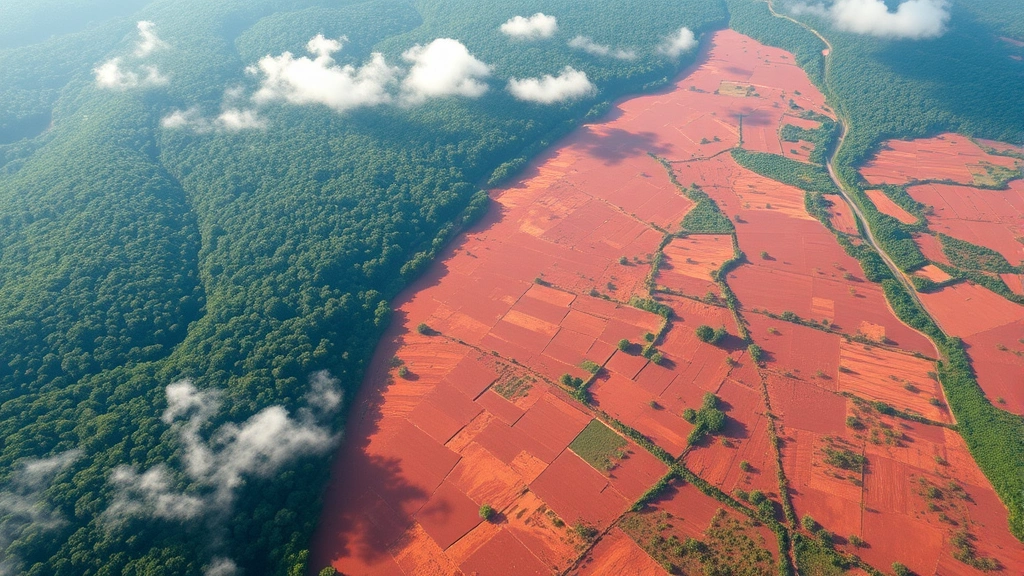
Land-use conversion represents the most direct mechanism of ecosystem disruption. Approximately 68% of wild vertebrate populations have declined since 1970, primarily driven by habitat loss from agricultural expansion, urbanization, and infrastructure development. In tropical regions, deforestation rates exceed 10 million hectares annually, eliminating carbon sinks while destroying biodiversity hotspots that contain disproportionate species richness. These conversions are economically motivated, reflecting market prices that fail to internalize ecosystem service values.
Pollution pathways operate through atmospheric, aquatic, and terrestrial vectors. Industrial agriculture generates nutrient runoff creating hypoxic dead zones in coastal regions—the Gulf of Mexico dead zone spans 6,000-7,000 square kilometers annually. Microplastic contamination now permeates marine food webs, with concentrations in deep-ocean sediments exceeding surface waters, indicating persistent bioaccumulation. Synthetic chemical contamination affects endocrine systems across vertebrate species, reducing reproductive success and population viability across trophic levels.
Resource extraction intensifies ecosystem disruption through both direct removal and associated habitat damage. Global fisheries remove approximately 90 million tons of wild-caught seafood annually, with bycatch comprising 40% of total catches. Mining operations generate acid mine drainage affecting aquatic systems for decades post-closure. Oil extraction and transport create chronic pollution and catastrophic spill risks, exemplified by the Deepwater Horizon disaster that released 4.9 million barrels into the Gulf of Mexico.

Quantifying Environmental Degradation and Economic Costs
Translating ecological damage into economic metrics reveals the staggering costs of environmental degradation. The World Bank estimates that environmental damage costs developing nations 4-5% of annual GDP, while developed economies externalize substantial environmental costs onto poorer regions through trade and resource extraction.
Biodiversity loss alone generates measurable economic impacts through pollination service disruption, pest control reduction, and genetic resource depletion. Global pollination services are valued at $15-20 billion annually, yet wild pollinator populations decline 1-4% per year in intensively managed agricultural regions. Crop failures from pollinator collapse directly threaten food security for populations dependent on insect-pollinated crops, which comprise 35% of global food production by volume.
Water ecosystem degradation imposes substantial costs through reduced freshwater availability, increased treatment expenses, and agricultural productivity losses. The Aral Sea case study demonstrates ecosystem collapse economics: conversion to irrigation agriculture reduced the sea’s surface area by 90%, eliminating a $40 million annual fishing industry while creating environmental health crises affecting 60 million people across Central Asia. Remaining ecosystem services in degraded regions operate at 10-20% of pre-disturbance capacity.
Carbon cycle disruption through deforestation and fossil fuel combustion creates climate-driven economic costs estimated at $2.4 trillion annually by 2025 without mitigation. Ecosystem carbon storage capacity diminishes with each hectare of forest conversion, reducing nature-based climate solutions while accelerating atmospheric CO2 accumulation. Wetland drainage and peatland degradation release stored carbon at rates equivalent to 15% of annual global emissions.
Economic valuation methodologies employ multiple approaches: replacement cost analysis estimates expenses to replace ecosystem services through technological substitutes; contingent valuation surveys human willingness-to-pay for environmental preservation; and avoided cost methods calculate expenses prevented through ecosystem maintenance. These approaches consistently demonstrate that ecosystem preservation costs far less than restoration or technological replacement.
Agricultural Intensification and Soil Ecosystem Collapse
Industrial agriculture exemplifies how do humans affect the environment through systemic ecosystem transformation. Global agricultural systems occupy 37% of ice-free land surface, yet generate only modest productivity gains through intensive input use while degrading soil ecosystem function.
Soil degradation affects 33% of global land area, with erosion rates reaching 24 billion tons annually in severely degraded regions. Industrial monoculture eliminates soil biodiversity—healthy agricultural soils contain 10-20 billion microorganisms per gram, while degraded soils support 1-2 billion per gram. This biodiversity collapse reduces nutrient cycling efficiency, water retention capacity, and disease suppression, creating dependency on synthetic inputs that generate additional environmental costs.
Synthetic pesticide use exemplifies unintended ecosystem consequences. Global pesticide application reaches 4 million tons annually, killing non-target organisms across trophic levels. Neonicotinoid insecticides persist in soil for 6-12 months, affecting arthropod communities essential for nutrient cycling and pollination. Herbicide-resistant crop varieties increase herbicide application intensity, creating selection pressure for resistant weed species while eliminating plant diversity that supports herbivore populations.
Nitrogen and phosphorus fertilizer application generates cascading ecosystem effects. The Haber-Bosch process, which synthesizes 50% of global nitrogen fertilizer, consumes 2% of global energy production while creating reactive nitrogen that disrupts atmospheric chemistry and aquatic systems. Excess nutrient runoff triggers algal blooms that collapse aquatic food webs through hypoxia and toxin production. Freshwater eutrophication affects 35% of lakes globally, reducing ecosystem service provision and increasing water treatment costs.
Livestock production intensification creates concentrated pollution sources and habitat degradation. Global livestock systems occupy 77% of agricultural land while generating 14.5% of anthropogenic greenhouse gas emissions. Concentrated animal feeding operations generate manure management challenges, with waste nitrogen and phosphorus concentrations exceeding treatment facility capacities. Rangeland overgrazing degrades 1.3 billion hectares, reducing vegetation cover and accelerating erosion.
Marine Ecosystem Degradation and Resource Depletion
Ocean ecosystems face unprecedented anthropogenic pressures from overfishing, pollution, acidification, and warming. These stressors interact synergistically, reducing ecosystem resilience and economic productivity simultaneously.
Overfishing reduces fish populations below sustainable yield levels, with 34% of global fish stocks exploited at unsustainable rates. Industrial fishing technologies—bottom trawling, purse seine nets, and longlining—remove target species while generating bycatch mortality affecting non-target organisms. Fish populations exhibit delayed recovery even after fishing cessation due to ecosystem restructuring and predator-prey relationship disruption.
Coral reef ecosystems demonstrate acute climate and pollution sensitivity. Approximately 50% of global coral reefs face severe bleaching risk from temperature increases exceeding 1.5°C above pre-industrial levels. Bleached corals lose symbiotic zooxanthellae, reducing energy acquisition and increasing disease susceptibility. Reef degradation eliminates critical nursery habitat for commercial fish species, reducing fishery productivity while eliminating coastal protection benefits—coral reefs prevent $480 million in annual flood damage through wave attenuation.
Plastic pollution accumulates in marine ecosystems at rates exceeding 10 million tons annually, creating persistent contamination. Microplastic ingestion affects 386 marine species, reducing feeding efficiency and nutrient absorption. Ocean acidification from CO2 absorption reduces carbonate ion availability, impairing shell and skeleton formation in pteropods, mollusks, and crustaceans that form critical food web components.
Dead zone expansion in coastal regions reflects agricultural nutrient runoff combined with thermal stratification. These hypoxic regions eliminate aerobic organism habitat, creating economic losses through fishery collapse. The Gulf of Mexico dead zone eliminates approximately $500 million in annual fishing productivity, while similar zones affect the Baltic Sea, Black Sea, and East China Sea.
Climate Change as Ecosystem Multiplier
Anthropogenic climate change amplifies all ecosystem disruption mechanisms through temperature, precipitation, and extreme weather alterations. This multiplier effect creates non-linear ecosystem responses that exceed additive impacts of individual stressors.
Temperature increases shift species ranges poleward and upward in elevation, disrupting established ecological communities and trophic relationships. Range shift velocities (2-3 kilometers per decade) exceed migration rates for many species, creating population fragmentation and genetic bottlenecks. Alpine and polar ecosystems face particular vulnerability, with limited refuge habitat as temperatures increase.
Phenological mismatches occur when species respond to climate cues asynchronously. Spring leaf-out advances 2-3 weeks earlier than pre-industrial baselines, while insect emergence timing remains relatively fixed, creating temporal misalignment between herbivores and food resources. These mismatches reduce reproductive success across multiple trophic levels, with cascading effects on population dynamics.
Extreme weather intensification increases ecosystem disturbance frequency beyond recovery timescales. Hurricane intensity increases 1-2% per degree Celsius of warming, while drought duration and severity expand. Forests experience reduced recovery time between disturbances, transitioning from forest to grassland or shrubland states with reduced carbon storage and biodiversity.
Ocean warming reduces dissolved oxygen availability while increasing stratification, expanding hypoxic zones. Thermal habitat compression reduces suitable habitat volume for cold-water species, concentrating populations in narrow thermal windows vulnerable to fluctuation. Marine species range shifts disrupt fishing industry economics through stock distribution changes that exceed management framework capacity.
Economic Externalities and Market Failures
Ecosystem degradation reflects fundamental economic market failures where environmental costs remain unpriced. Blog resources examining economic policy demonstrate how externality internalization represents necessary policy intervention.
Environmental externalities occur when production or consumption activities impose uncompensated costs on third parties or ecosystems. Agricultural runoff imposes water treatment costs on downstream users, yet farmers face no pricing mechanism reflecting this cost. Carbon emissions impose climate costs estimated at $51-184 per metric ton of CO2, yet most emissions remain unpriced in market transactions.
Tragedy of the commons dynamics intensify externality problems in shared resource contexts. Open-access fisheries incentivize overharvesting since individual harvesters capture full benefits while costs distribute across all users. This creates predictable overexploitation where aggregate harvest exceeds sustainable yield, reducing long-term economic returns. The collapse of Atlantic cod fisheries demonstrates this dynamic: overfishing reduced stocks below recovery thresholds, eliminating a $200 million annual industry and displacing 30,000 workers.
Discount rate selection in environmental economic analysis profoundly influences cost-benefit conclusions. Standard economic practice applies 3-7% discount rates, which devalue future environmental costs and benefits. Applied to ecosystem services, this discounting implies that environmental preservation provides minimal economic justification since future benefits appear trivial in present value terms. Yet ecological time horizons operate across centuries and millennia, suggesting that standard discounting inappropriately undervalues long-term environmental stability.
Valuation uncertainty regarding ecosystem services creates policy analysis challenges. Replacement cost estimates for pollination services range from $15-20 billion annually, yet willingness-to-pay estimates vary by order of magnitude depending on survey methodology. This uncertainty permits policy makers to select estimates supporting preferred outcomes, undermining evidence-based environmental policy.
Rebound effects reduce efficiency gains from technological improvements. More efficient agricultural production increases food supply, reducing prices and expanding consumption, partially offsetting efficiency gains. Similarly, renewable energy deployment increases electricity availability, potentially increasing total energy consumption rather than reducing emissions proportionally.
Restoration Economics and Regenerative Solutions
Ecosystem restoration economics demonstrates that rehabilitation investments generate positive returns through restored ecosystem service provision. Restoration cost-benefit analyses consistently show that rehabilitation investments recover costs within 20-50 years through restored productivity.
Wetland restoration exemplifies restoration economics. Restored wetlands provide water purification, flood regulation, and wildlife habitat services valued at $5,000-15,000 per hectare annually. Restoration costs range from $1,000-5,000 per hectare, yielding cost recovery within 1-5 years. Additionally, wetland restoration sequesters carbon at rates of 0.5-1.5 tons per hectare annually, providing climate mitigation co-benefits valued at $10-50 per metric ton of CO2.
Forest restoration generates multiple ecosystem service benefits including carbon sequestration, water regulation, and biodiversity recovery. Tropical forest restoration sequesters 5-15 tons of carbon per hectare over 20-year rotations, providing climate mitigation value of $250-750 per hectare. Simultaneously, restored forests reduce erosion, improve water quality, and support wildlife populations that generate ecotourism revenue.
Regenerative agriculture practices restore soil ecosystem function while maintaining productivity. Cover cropping, reduced tillage, and rotational grazing increase soil carbon stocks by 0.5-1.5 tons per hectare annually while reducing synthetic input requirements. These practices reduce production costs by $50-150 per hectare while generating carbon credit revenue of $25-75 per hectare annually.
Nature-based climate solutions leverage ecosystem restoration to provide simultaneous climate mitigation and adaptation benefits. Mangrove restoration provides coastal protection against sea-level rise while sequestering carbon at rates of 1-4 tons per hectare annually. These solutions cost $1,000-5,000 per hectare, significantly less than engineering alternatives while providing co-benefits unavailable through technological approaches.
Economic instruments including payments for ecosystem services (PES) create incentives for ecosystem preservation and restoration. PES schemes compensate land managers for maintaining ecosystem services, internalizing environmental externalities. Costa Rica’s PES program demonstrates effectiveness: $50 payments per hectare annually incentivized forest preservation and reforestation, achieving 99% participation rates while generating $1.2 billion in ecosystem service value annually.
Carbon pricing mechanisms including cap-and-trade systems and carbon taxes create market signals reflecting atmospheric carbon costs. Effective carbon prices of $50-100 per metric ton of CO2 incentivize emissions reductions and ecosystem carbon sequestration investments. However, current carbon prices averaging $5-15 per metric ton remain below estimated social costs of carbon ($51-184), limiting policy effectiveness.
Biodiversity credit markets emerging in developed economies create financial mechanisms for ecosystem conservation. These markets enable developers to offset habitat impacts by purchasing credits from restoration projects. While market mechanisms show promise, ensuring additionality—that conservation occurs only due to market incentives—remains challenging, potentially creating perverse outcomes where marginal conservation receives payment while essential preservation lacks support.
FAQ
How do human activities impact ecosystem biodiversity?
Human activities reduce biodiversity through habitat destruction, pollution, overexploitation, and climate change. These mechanisms operate synergistically, with combined impacts exceeding additive effects. Habitat loss remains the primary driver, accounting for 68% of global vertebrate population declines. Pollution and climate change amplify habitat loss impacts by reducing ecosystem resilience and survival rates for remaining populations. Overexploitation of wild species reduces population sizes below viable breeding thresholds, creating extinction risk through genetic bottleneck effects.
What economic value do ecosystems provide?
Global ecosystem services are valued at approximately $125 trillion annually, comprising provisioning services (food, water, genetic resources), regulating services (climate regulation, water purification, pollination), supporting services (nutrient cycling, soil formation), and cultural services (recreation, aesthetic value). These values represent conservative estimates based on replacement costs and avoided expenses, with actual values potentially much higher. Ecosystem service values exceed global GDP, indicating that environmental preservation provides superior economic returns compared to conversion for direct economic production.
Can degraded ecosystems recover without human intervention?
Ecosystem recovery capacity depends on degradation severity and remaining ecosystem components. Moderately degraded ecosystems often recover naturally through ecological succession, though recovery timescales extend 20-100 years depending on ecosystem type. Severely degraded ecosystems frequently fail to recover without active restoration due to alternative stable state transitions where new ecosystem configurations become self-reinforcing. Restoration interventions accelerate recovery by 5-10 fold compared to passive recovery, reducing return time to functional ecosystem status from centuries to decades.
How can economic policies address ecosystem degradation?
Effective policies internalize environmental externalities through pricing mechanisms including carbon taxes, pollution fees, and payments for ecosystem services. Command-and-control regulations establishing environmental standards complement market mechanisms by establishing minimum environmental protection floors. Subsidy reform eliminating perverse incentives for ecosystem-degrading activities (agricultural subsidies, fossil fuel subsidies, fishing fleet subsidies) reduces degradation drivers. Investment in ecosystem restoration and sustainable production systems creates economic opportunities while regenerating environmental capacity. International cooperation addressing transboundary ecosystem issues including climate change and migratory species protection remains essential for comprehensive environmental governance.
What role do individual choices play in ecosystem preservation?
Individual consumption choices aggregate to significant ecosystem impacts through food system selection, energy consumption, and material consumption patterns. Dietary shifts toward plant-based proteins reduce agricultural land requirements by 75-90% compared to meat-intensive diets, reducing habitat destruction and pollution. Renewable energy adoption reduces fossil fuel extraction and combustion impacts. Reduced consumption of material goods decreases extraction pressure and waste generation. However, individual choices remain insufficient without systemic policy changes, as individual action typically reduces environmental impact by 20-30% while systemic transformation achieves 70-80% reduction. Effective environmental protection requires combining individual behavior change with policy-driven systemic transformation.


