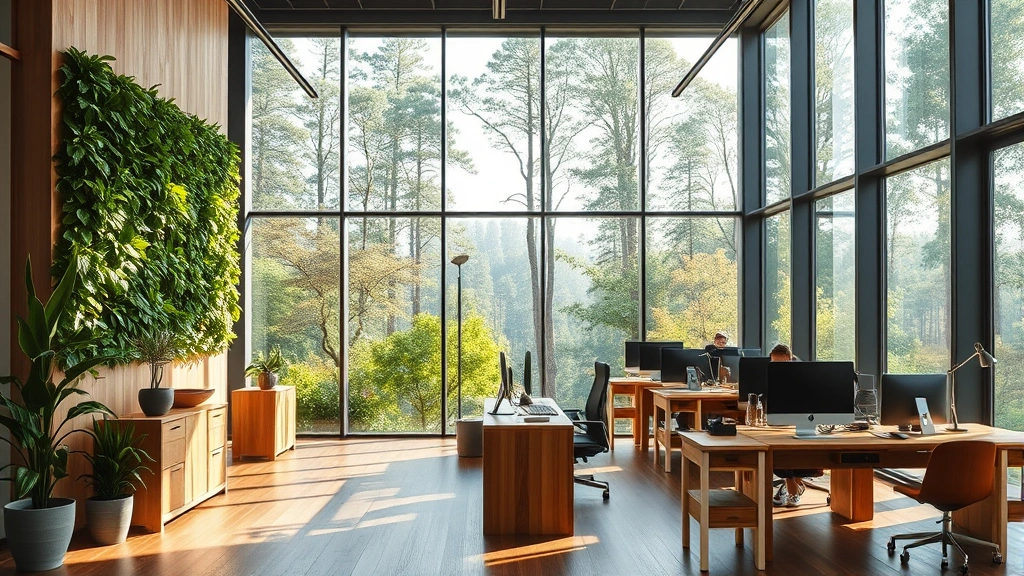
Sustainable Office Design: Expert Insights for Modern Workplaces
The modern workplace stands at a critical juncture where environmental responsibility intersects with operational efficiency and employee wellbeing. Sustainable office design represents far more than an aesthetic choice or marketing initiative—it embodies a fundamental shift in how organizations approach their physical environments and their relationship with natural systems. As businesses increasingly recognize that human activities significantly impact environmental systems, the demand for office spaces that minimize ecological footprints while maximizing productivity has grown exponentially.
Office environments inc and similar organizations have become laboratories for testing innovative sustainability strategies that extend beyond simple green certifications. Expert practitioners in sustainable office design now integrate principles from ecological economics, environmental science, and workplace psychology to create spaces that serve multiple purposes simultaneously: reducing operational costs, enhancing employee satisfaction, lowering carbon emissions, and contributing to broader organizational sustainability goals. This comprehensive approach recognizes that human-environment interaction occurs continuously within workplace settings, making office design decisions consequential for both individual wellbeing and planetary health.
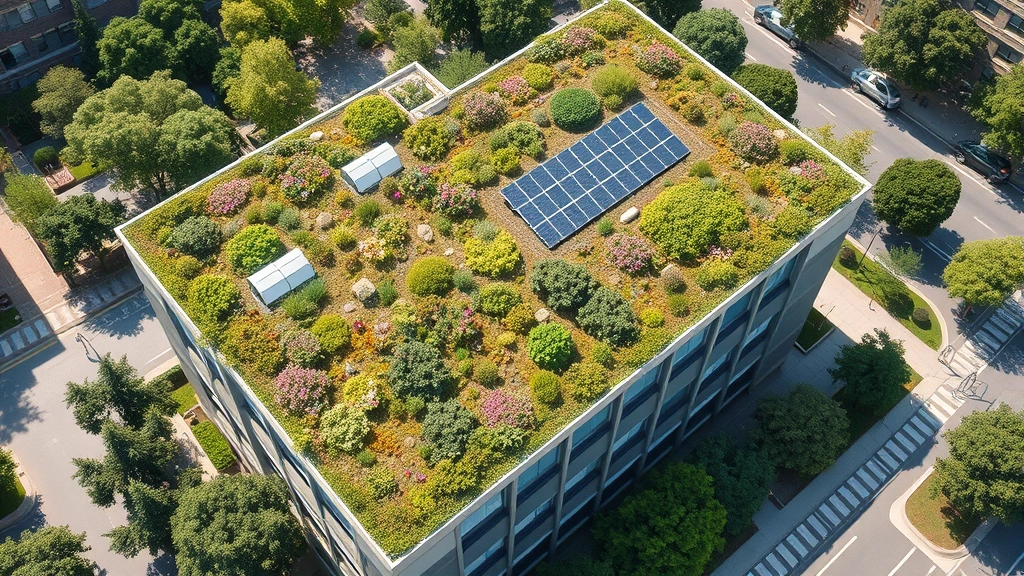
Energy Efficiency and Building Systems
The foundation of sustainable office design rests upon sophisticated energy management systems that dramatically reduce consumption while maintaining or improving operational comfort. Modern sustainable offices employ integrated building management systems that monitor and optimize heating, cooling, and lighting in real-time, responding to occupancy patterns, weather conditions, and natural daylight availability. According to research from the World Bank, commercial buildings account for approximately 30 percent of global energy consumption and 8 percent of carbon dioxide emissions, making energy efficiency improvements in office environments a critical leverage point for climate action.
LED lighting systems represent one of the most straightforward yet impactful interventions in sustainable office design. When compared to traditional fluorescent or incandescent fixtures, LED technology reduces energy consumption by 50-80 percent while improving light quality and reducing heat generation. Expert designers now specify dynamic lighting systems that adjust color temperature and intensity throughout the day, aligning artificial illumination with circadian rhythms and enhancing employee alertness and wellbeing. Motion sensors and daylight harvesting technology ensure that energy consumption corresponds precisely to actual occupancy and available natural light, eliminating waste from empty spaces or daytime artificial lighting.
Heating and cooling systems in sustainable offices increasingly utilize ground source heat pumps, which extract thermal energy from the earth’s relatively stable subsurface temperature, achieving efficiency ratios of 300-600 percent compared to conventional air-source systems. Radiant heating and cooling systems distribute thermal comfort through building surfaces rather than forced air, reducing energy demand by 20-40 percent while providing superior comfort control and eliminating the air quality problems associated with traditional HVAC systems. Advanced insulation, triple-glazed windows, and thermal mass design principles work synergistically to minimize temperature fluctuations, reducing the heating and cooling load that mechanical systems must manage.
Renewable energy integration has become increasingly feasible and economically attractive in office design. Building-integrated photovoltaic (BIPV) systems now function as structural and aesthetic elements rather than afterthoughts, with solar panels incorporated into skylights, facades, and canopy structures. Wind turbines, small-scale hydroelectric systems, and thermal solar collectors provide additional on-site generation capacity. These systems frequently achieve net-zero or net-positive energy performance, where buildings generate as much or more energy than they consume annually, fundamentally transforming offices from energy consumers to energy producers.
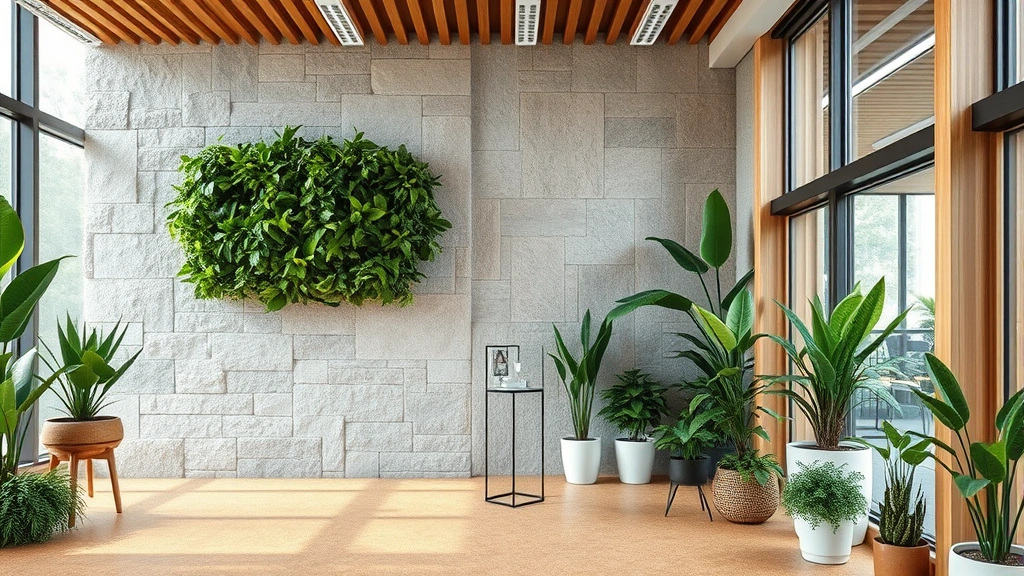
Biophilic Design and Indoor Environmental Quality
The integration of natural elements into office environments represents a paradigm shift grounded in growing scientific evidence that environmental design principles profoundly influence human physiology and psychology. Biophilic design—the intentional incorporation of nature, natural materials, natural light, and natural patterns into built environments—has demonstrated measurable impacts on employee productivity, stress reduction, and cognitive function. Research published in peer-reviewed environmental psychology journals documents that employees working in offices with natural light exposure, views of vegetation, and biophilic design elements report 15-25 percent higher productivity levels, reduced absenteeism, and improved mental health outcomes.
Living walls and interior plantings serve multiple functions beyond aesthetic appeal. These green surfaces actively improve indoor air quality by removing volatile organic compounds (VOCs) through phytoremediation, a process where plants metabolize airborne pollutants. Studies from environmental science research institutions indicate that strategic plant placement can reduce airborne toxins by 30-50 percent while increasing oxygen production and humidity regulation. Green roofs, which replace conventional roofing materials with vegetation layers, provide thermal insulation, reduce urban heat island effects, manage stormwater runoff, and create habitats for pollinators and other organisms, transforming building surfaces into functional ecosystems.
Natural material selection—wood, stone, cork, bamboo, and other minimally processed materials—connects occupants to natural systems while reducing the chemical off-gassing associated with synthetic materials. Sustainably harvested timber sourced from responsibly managed forests serves as a renewable building material that sequesters carbon throughout its lifecycle. Exposed wooden beams, natural stone finishes, and cork flooring create sensory connections to natural environments while performing structural and functional roles.
Daylighting design represents a sophisticated science that extends beyond simply installing windows. Expert designers employ strategies to reduce operational carbon footprints through optimized window placement, light shelves that reflect daylight deep into building interiors, and automated shading systems that manage glare and heat gain while maintaining visual connection to outdoor environments. Access to natural light correlates strongly with employee satisfaction, circadian rhythm regulation, and vitamin D synthesis, making daylighting a critical component of sustainable office design.
Material Selection and Circular Economy Principles
The material composition of office environments carries significant environmental implications extending far beyond the immediate site. Sustainable office design incorporates comprehensive environmental considerations throughout material supply chains, evaluating embodied carbon, manufacturing impacts, transportation distances, durability, and end-of-life scenarios. Life cycle assessment (LCA) methodology, endorsed by environmental economics research institutions, quantifies the total environmental impact of materials from extraction through manufacturing, transportation, use, and disposal.
Circular economy principles increasingly guide material selection in sustainable office design. Rather than the traditional linear take-make-dispose model, circular approaches prioritize materials that can be reclaimed, remanufactured, or safely returned to biological cycles. Modular furniture systems designed for disassembly and reconfiguration extend product lifecycles and enable offices to adapt to changing spatial needs without generating waste. Manufacturers increasingly employ take-back programs where end-of-life office materials return to production facilities for remanufacturing into new products.
Certified sustainable materials—wood bearing Forest Stewardship Council (FSC) certification, flooring from rapidly renewable sources like bamboo and cork, recycled content products, and locally sourced materials—minimize environmental impact while supporting responsible supply chains. Manufacturers providing transparent environmental product declarations (EPDs) enable designers to make informed choices based on quantified environmental data rather than marketing claims. Low-VOC paints, adhesives, sealants, and finishes reduce indoor air pollution while maintaining performance specifications.
Waste reduction during construction and renovation represents a significant opportunity for environmental benefit. Sustainable office projects increasingly achieve 75-90 percent waste diversion from landfills through careful material planning, selective demolition that preserves reusable components, and coordination with material recovery and recycling facilities. Design for disassembly principles ensure that future renovations can reclaim valuable materials rather than generating demolition waste.
Water Management and Resource Conservation
Water stewardship in office design encompasses both consumption reduction and quality improvement. Low-flow fixtures—faucets delivering 0.5 gallons per minute, toilets using 1.28 gallons per flush, and waterless urinals—reduce potable water consumption by 50-75 percent compared to conventional fixtures while maintaining user satisfaction and hygiene. Sensor-activated faucets and automatic flush systems eliminate waste from left-running water and prevent overuse.
Rainwater harvesting systems capture precipitation from roofs and other surfaces, storing it for irrigation, toilet flushing, and other non-potable applications. In appropriate climates, these systems can supply 40-60 percent of non-potable water demand, reducing dependence on municipal supplies and lowering water utility costs. Greywater systems recycle water from sinks, showers, and laundry for landscape irrigation and toilet flushing, further reducing potable water demand.
Stormwater management in sustainable office design prioritizes infiltration and natural treatment rather than conventional pipe-and-pond approaches. Permeable pavements, bioswales, rain gardens, and green infrastructure features allow precipitation to percolate through soil layers, recharging groundwater aquifers while naturally filtering pollutants. These approaches reduce stormwater runoff volumes and peak flows, mitigating flooding impacts and protecting receiving water bodies from pollution.
Workplace Culture and Behavioral Change
Technical sustainability features require complementary behavioral and cultural initiatives to achieve their full potential. Sustainable office design succeeds when employees understand environmental systems and recognize their personal agency in reducing impacts. Educational signage, consumption tracking dashboards, and regular communications help occupants understand energy consumption patterns, waste generation, and resource use associated with their daily activities.
Workplace policies aligned with sustainable design goals—such as remote work options that reduce commuting impacts, incentives for public transportation and carpooling, and waste reduction programs—amplify the benefits of physical infrastructure improvements. Occupant engagement in sustainability decision-making, from material selection to operational practices, builds ownership and commitment to environmental goals.
Recognition of human-environment interactions within workplace settings acknowledges that employees spend substantial portions of their lives in office environments, making these spaces consequential for both individual and collective environmental impact. Designing offices that support healthy, sustainable lifestyles—with facilities for active commuting, healthy food options, and opportunities for connection with nature—creates positive feedback loops where environmental design reinforces sustainable behavior.
Economic Valuation and Return on Investment
Sustainable office design increasingly demonstrates strong financial returns, addressing historical concerns that environmental performance requires cost premiums. Research from environmental economics research institutions and corporate sustainability studies documents that green buildings command rental premiums of 3-15 percent, experience lower vacancy rates, attract and retain talent more effectively, and generate operational cost savings that typically exceed initial investment premiums within 5-7 years.
Energy cost reductions represent the most quantifiable financial benefit, with sustainable offices typically achieving 30-50 percent reductions in utility expenses compared to conventional buildings. These savings compound over decades of building operation, creating substantial cumulative value. Water cost reductions, waste management savings, and reduced maintenance expenses from durable, high-quality materials contribute additional financial benefits.
Productivity improvements attributable to superior indoor environmental quality, natural light access, and biophilic design elements generate substantial economic value that often exceeds energy savings. Studies indicate that employees in high-performance office environments take fewer sick days, demonstrate improved cognitive function, and report higher job satisfaction, translating to reduced turnover costs and improved output quality. The United Nations Environment Programme has documented that green building investments generate economic returns through multiple channels simultaneously.
Resilience benefits from sustainable office design—reduced vulnerability to energy price fluctuations, climate impacts, and resource scarcity—provide long-term financial protection. Buildings designed for resilience with on-site renewable energy, water independence, and adaptive capacity maintain operational continuity during disruptions that might compromise conventional facilities. Insurance premiums often decrease for buildings demonstrating reduced environmental and climate risks.
Valuation methodologies from ecological economics increasingly incorporate natural capital accounting, recognizing that environmental benefits—carbon sequestration, habitat creation, water filtration, pollination services—carry genuine economic value. When offices incorporate green roofs, living walls, and surrounding landscape improvements, they generate ecosystem services that would otherwise require expensive infrastructure or external procurement. This perspective transforms sustainability from a cost center into an asset-generating investment.
Leading organizations implementing sustainable office design report that environmental performance becomes a competitive advantage in talent recruitment and retention, customer relationships, and brand value. Investors increasingly evaluate corporate real estate portfolios for environmental performance, sustainability risk, and climate resilience, making sustainable office design a factor in corporate valuation and cost of capital. Ecological Economics journals have published extensive research demonstrating that environmental investments in commercial real estate generate positive financial returns while reducing ecological impact.
Implementation frameworks for sustainable office design typically employ internationally recognized certification systems—LEED, BREEAM, WELL, Fitwel, and others—that provide structured pathways for environmental performance improvement while creating accountability and third-party verification. These systems establish baseline standards, guide design decisions, and communicate environmental performance to stakeholders, customers, and investors.
FAQ
What makes office environments inc representative of sustainable design practices?
Office environments inc exemplifies sustainability leadership through integrated implementation of energy efficiency, renewable energy integration, biophilic design, circular material practices, water conservation, and occupant engagement strategies. Their approach demonstrates that comprehensive environmental performance and business success are mutually reinforcing rather than conflicting objectives.
How much does sustainable office design cost compared to conventional approaches?
Initial construction costs for sustainable offices typically range from 0-10 percent premium over conventional buildings, depending on specific features and local market conditions. However, operational cost savings and productivity improvements typically recover this premium within 5-7 years while generating superior long-term financial performance.
Can existing offices be retrofitted with sustainable features?
Absolutely. Retrofit projects can incorporate energy efficiency improvements, renewable energy systems, water conservation measures, biophilic design elements, and material upgrades. Phased retrofit approaches allow organizations to implement improvements systematically while managing costs and operational disruption.
What indoor air quality improvements result from sustainable office design?
Sustainable offices achieve superior indoor air quality through increased outdoor air exchange rates, low-VOC materials, biophilic design elements that naturally filter air, humidity regulation, and elimination of chemical off-gassing from conventional materials. These improvements reduce respiratory problems, allergies, and sick building syndrome symptoms.
How do sustainable offices support employee wellbeing?
Sustainable office design enhances wellbeing through natural light access that regulates circadian rhythms, biophilic elements that reduce stress and improve mood, superior indoor air quality, thermal comfort optimization, acoustic performance, and workplace layouts that encourage movement and social interaction. These factors combine to improve physical and mental health outcomes.
What role does technology play in sustainable office operations?
Building management systems, occupancy sensors, smart lighting controls, energy monitoring dashboards, and IoT devices optimize resource consumption in real-time. These technologies enable data-driven operational improvements while providing feedback that influences occupant behavior toward sustainability.


