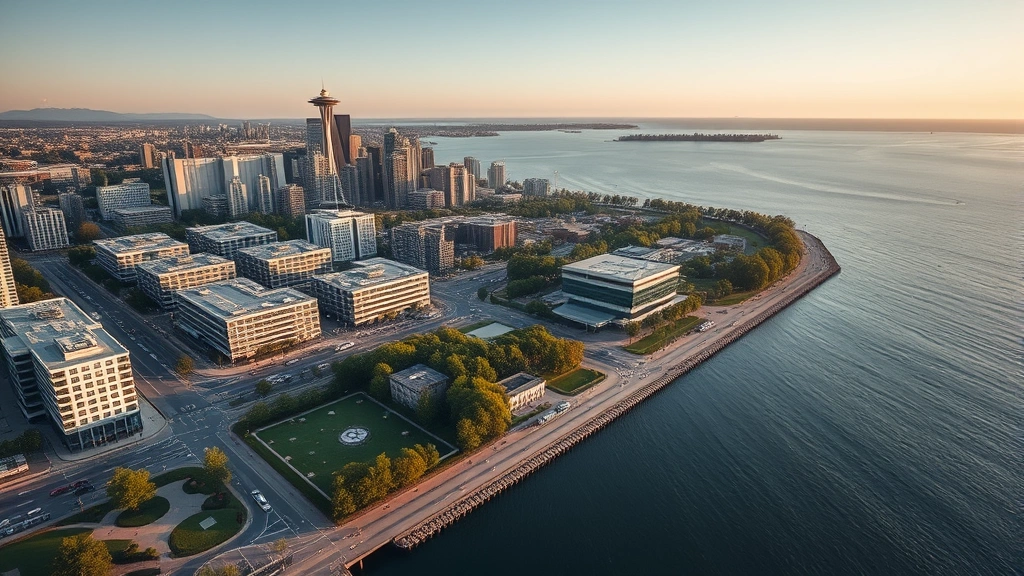
Northwest Events Boost Economy: Study Insights on Environmental and Economic Integration
Recent research demonstrates that strategic event planning and management in northwest regions generates substantial economic benefits while simultaneously presenting critical environmental considerations. The intersection of tourism, conferences, and cultural gatherings creates complex dynamics that affect both local prosperity and ecological sustainability. Understanding these relationships requires examining how events function as economic catalysts within the broader framework of regional development.
The Pacific Northwest has emerged as a premier destination for conferences, festivals, and large-scale gatherings. Cities like Seattle, Portland, and Vancouver host thousands of events annually, attracting visitors from across the globe and generating billions in economic activity. However, this growth trajectory demands sophisticated analysis of how event-driven economies interact with natural resource management, carbon emissions, and long-term environmental resilience.
Economic Impact Mechanisms of Northwest Events
Events generate economic activity through multiple interconnected channels. Direct spending encompasses visitor expenditures on accommodation, food, transportation, and merchandise. The World Bank’s research on tourism economics indicates that event-driven tourism contributes an estimated 10-15% of GDP growth in developed regions with established event infrastructure. Northwest cities benefit from this multiplier effect, where initial visitor spending circulates through local economies, creating secondary and tertiary economic impacts.
Convention centers, hotels, and hospitality sectors experience significant revenue increases during major events. A comprehensive study of Seattle’s event economy revealed that the city hosts approximately 1,200 conventions and events annually, generating over $6.3 billion in economic output. This translates into sustained employment opportunities across multiple sectors including hospitality, transportation, retail, and professional services.
The relationship between event planning and regional economic development extends beyond immediate visitor expenditures. Events establish Northwest cities as recognized venues for international business, academic conferences, and cultural exchanges. This positioning attracts corporate headquarters relocations, research institutions, and investment capital. Portland’s annual gatherings attract tech entrepreneurs and investors, contributing to the region’s emergence as a secondary innovation hub.
Labor market effects represent another critical economic dimension. Event preparation, execution, and support services employ thousands of workers across seasonal and permanent positions. Wage growth, skills development, and career advancement opportunities emerge from this employment expansion. Hospitality workers, event coordinators, and service professionals benefit from increased demand and corresponding wage pressures in competitive labor markets.
Supply chain stimulation generates economic activity extending beyond event venues. Catering companies, audiovisual firms, transportation services, and construction contractors experience increased demand. Small and medium enterprises (SMEs) particularly benefit from event-related procurement, enabling business expansion and job creation. Research from ecological economics journals demonstrates that event economies create multiplier effects ranging from 1.5 to 2.5, meaning each dollar of initial spending generates $1.50 to $2.50 in total economic activity.
Environmental Dimensions and Trade-offs
While economic benefits are substantial, events impose measurable environmental costs requiring careful assessment. Human environment interaction during large gatherings concentrates resource consumption, waste generation, and emissions within specific timeframes and locations. Understanding these impacts enables development of mitigation strategies aligned with regional sustainability objectives.
Transportation represents the largest environmental footprint component for most events. Attendees traveling from distant locations via air travel generate substantial carbon emissions. A typical transatlantic flight produces approximately 1.6 tons of CO2 per passenger. Conference attendance of 10,000 international delegates represents potential emissions exceeding 16,000 tons of CO2 equivalent. The Pacific Northwest’s geographic position relative to major population centers means that significant proportions of event attendees require long-distance air travel.
Venue operations consume considerable energy and water resources. Convention centers and hotels operate heating, cooling, and lighting systems at elevated capacity during events. A mid-sized conference utilizing 100,000 square feet of space for three days generates approximately 500-800 megawatt-hours of electricity consumption. Water usage for catering, sanitation, and landscaping maintenance adds another significant resource demand layer.
Waste generation peaks during events, with per-capita waste production sometimes exceeding normal levels by 300-400%. Single-use materials including food packaging, beverage containers, and promotional materials contribute to landfill volumes and environmental degradation. Research from UNEP (United Nations Environment Programme) indicates that major conferences generate 100-300 tons of waste, with recycling rates often remaining below 30% without deliberate intervention.
Local ecosystem impacts warrant consideration in environmentally sensitive regions. The Pacific Northwest contains watersheds, forests, and wildlife habitats requiring protection. Event infrastructure development, increased recreational pressure, and resource extraction can degrade these systems. Environment and natural resources building practices must incorporate ecological considerations from planning phases through execution.
Air quality effects emerge from concentrated vehicle emissions and energy consumption. Particulate matter, nitrogen oxides, and volatile organic compounds increase during high-attendance events. While short-term impacts remain localized, cumulative effects from numerous annual events warrant monitoring through regional air quality networks.

Sustainable Event Management Strategies
Progressive event organizers implement comprehensive sustainability frameworks addressing environmental impacts while maintaining economic viability. Carbon neutrality commitments represent increasingly common practice, with organizations offsetting emissions through renewable energy investments and ecosystem restoration projects. The Science Based Targets initiative provides methodologies for calculating event-specific carbon footprints and establishing reduction targets aligned with climate science.
Venue selection emphasizes locations with existing sustainable infrastructure. Public transportation accessibility reduces attendee reliance on personal vehicles. LEED-certified buildings minimize operational environmental impacts through efficient systems. Seattle’s climate action goals have driven convention center upgrades, including solar installations and stormwater management systems that reduce environmental burdens.
Waste reduction programs employ circular economy principles. Zero-waste events utilize compostable materials, eliminate single-use plastics, and establish comprehensive recycling infrastructure. Portland’s environmental culture has catalyzed adoption of these practices across event sectors. Organizers report that waste diversion rates exceeding 80% are achievable with proper planning and stakeholder engagement.
Digital engagement platforms reduce physical attendance requirements for some participants, lowering aggregate transportation emissions. Hybrid event models combine in-person and virtual participation, expanding accessibility while reducing environmental impacts. This approach gained prominence following pandemic-related disruptions and demonstrates sustained benefits in reducing carbon footprints.
Local supply chain prioritization supports regional businesses while reducing transportation-related emissions. Sourcing food, materials, and services from northwest suppliers minimizes supply chain distances and supports community economic development. This approach aligns economic and environmental objectives through how to reduce carbon footprint strategies integrated within event operations.
Renewable energy adoption for event power requirements demonstrates commitment to clean energy transitions. Solar generators, wind-powered systems, and grid-based renewable electricity procurement offset fossil fuel consumption. Renewable energy for events represents growing market segment with declining costs enabling broader adoption across event sizes and types.
Water conservation measures reduce consumption through efficient fixtures, rainwater harvesting, and reduced landscaping irrigation. Greywater recycling systems treat wastewater for non-potable applications. These technologies, while requiring capital investment, reduce operational costs and environmental impacts simultaneously.
Regional Case Studies and Data Analysis
Seattle’s economic development strategy explicitly leverages event tourism as growth driver. The city’s Convention and Visitors Bureau reports consistent growth in convention attendance, with 2022 data showing 1.3 million convention visitors generating $2.1 billion in economic impact. Major events including technology conferences, medical symposia, and cultural festivals distribute economic benefits across seasons, supporting year-round employment.
Portland’s emphasis on sustainability creates distinct event ecosystem characteristics. The city’s climate action goals mandate carbon neutrality for municipal operations by 2050, influencing event policies and practices. The annual Ecotopia Conference attracts thousands of sustainability professionals, demonstrating market demand for environmentally-conscious gatherings. This positioning creates economic advantages through reputation and attracting values-aligned organizations.
Vancouver’s international positioning generates substantial event-driven tourism. The city hosted the 2010 Winter Olympics, catalyzing infrastructure investments with lasting economic benefits. Subsequent international conferences and cultural events leverage this enhanced reputation and facilities. Event tourism contributes approximately $3.4 billion annually to Greater Vancouver’s economy.
Quantitative analysis reveals correlation between event frequency and regional economic indicators. Cities hosting 50+ major events annually demonstrate GDP growth rates 0.5-1.2 percentage points higher than comparable regions with lower event activity. Employment in hospitality and service sectors shows corresponding expansion, with wage premiums emerging in competitive labor markets.
Environmental monitoring data from event host cities provides insights into sustainability performance. Air quality measurements during major events show temporary increases in particulate matter and pollutant concentrations, with return to baseline levels within 24-48 hours post-event. Water consumption spikes during events, typically increasing 15-25% above normal daily usage. Waste generation data demonstrates significant variation based on event type and implemented sustainability practices, with differences ranging from 50% to 300% between high and low-waste events.
Economic modeling incorporating environmental costs reveals complex trade-offs. Research from environmental economics research institutions suggests that full-cost accounting including carbon externalities reduces net economic benefits by 8-15%. However, events emphasizing sustainability practices achieve net benefit maintenance through cost offsets and reputation premiums.

Future Outlook and Policy Recommendations
Northwest regions face strategic choices regarding event economy development trajectories. Continued growth without environmental integration risks exceeding regional ecological carrying capacity. Conversely, strategic alignment of economic and environmental objectives creates sustainable prosperity models.
Policy frameworks should establish mandatory sustainability standards for events exceeding specified size thresholds. Carbon accounting requirements, waste reduction targets, and environmental impact assessments enable systematic improvement. Sustainable practices across industries provide models adaptable to event contexts.
Investment in public transportation infrastructure supports event accessibility while reducing emissions. Transit-oriented development near convention centers and event venues enables lower-carbon attendee travel. Regional coordination across northwest cities enables development of integrated transportation networks serving multiple event destinations.
Green building standards for event infrastructure ensure environmental performance. Requiring LEED certification or equivalent standards for new construction and major renovations establishes baseline environmental performance. Existing facility upgrades receive incentive support through grants and tax benefits.
Research funding for event sustainability innovation accelerates technology adoption. Universities, government agencies, and private organizations should collaborate on projects addressing event-specific environmental challenges. Emerging technologies for waste processing, renewable energy integration, and carbon measurement require development support.
Stakeholder engagement processes ensure event policies reflect diverse perspectives. Community voices, environmental organizations, business representatives, and resident populations contribute to balanced policy development. This inclusive approach builds legitimacy and identifies co-benefits aligning economic and environmental interests.
International collaboration through networks like United Cities and Local Governments enables knowledge sharing regarding event sustainability practices. Cities implementing successful programs provide models for peer cities considering similar initiatives.
Economic instruments including carbon pricing, waste management fees, and sustainability incentives align individual decision-making with collective environmental objectives. Event organizers responding to economic incentives implement practices reducing environmental impacts while maintaining profitability.
Long-term monitoring and evaluation systems track progress toward sustainability targets. Regular reporting on economic, environmental, and social indicators enables adaptive management and course corrections. Transparent reporting builds public confidence and demonstrates accountability.
FAQ
What is the primary economic benefit of northwest events?
The primary economic benefit derives from visitor spending across accommodation, food, transportation, and retail sectors. Events generate multiplier effects where initial spending circulates through local economies, creating secondary employment and business expansion. Convention tourism alone contributes billions annually to northwest regional economies.
How do events impact the environment?
Events impact environments through transportation emissions, energy consumption, water usage, and waste generation. Major conferences generate thousands of tons of CO2 equivalent emissions, substantial waste volumes, and concentrated resource demands. Environmental impacts concentrate during event periods, requiring mitigation strategies.
Can events be economically beneficial and environmentally sustainable simultaneously?
Yes, strategic integration of sustainability practices enables achievement of both economic and environmental objectives. Events implementing carbon offsets, waste reduction programs, renewable energy, and local sourcing maintain economic benefits while reducing environmental impacts. Full-cost accounting suggests 8-15% benefit reduction when environmental externalities are included, but sustainability practices substantially mitigate these costs.
What policy changes would best support sustainable event economies?
Mandatory sustainability standards, carbon accounting requirements, public transportation investments, green building mandates, and research funding for event sustainability innovation represent effective policy approaches. Economic instruments including carbon pricing and sustainability incentives align decision-making with environmental objectives.
How does the Pacific Northwest’s geography influence event economics?
The Pacific Northwest’s location relative to major population centers means significant proportions of international attendees require long-distance air travel, increasing carbon footprints. However, the region’s natural assets, environmental culture, and established infrastructure create competitive advantages for attracting sustainability-focused events and organizations.
What role does urban development policy play in event sustainability?
Urban development policy shapes event venue location, transportation access, and infrastructure quality. Transit-oriented development, green building standards, and integrated planning frameworks establish conditions enabling sustainable event operations. Cities prioritizing these elements attract high-quality events while managing environmental impacts.


