Can Aquatic Ecosystems Boost the Economy? Study Insights
Aquatic ecosystems—from freshwater rivers and lakes to coastal mangroves and coral reefs—represent far more than scenic natural landscapes. Recent economic research reveals that these water-based environments generate substantial financial returns through ecosystem services, employment, and resource provisioning. The relationship between aquatic biodiversity and economic prosperity has become increasingly clear: degraded waterways cost economies trillions annually, while restored and protected aquatic systems deliver measurable economic gains.
A growing body of scientific literature demonstrates that aquatic ecosystems function as natural infrastructure, supporting industries ranging from fisheries and agriculture to tourism and pharmaceutical development. When we examine the financial metrics, the evidence becomes compelling. Studies from the World Bank and various ecological economics journals indicate that investments in aquatic ecosystem restoration often yield returns exceeding 10:1 over two decades. This article synthesizes current research on how aquatic environments contribute to economic development while exploring the mechanisms through which natural systems create measurable economic value.
Understanding these dynamics becomes essential as climate change, pollution, and overexploitation threaten aquatic resources globally. Decision-makers in government, business, and development sectors must recognize that protecting aquatic ecosystems is not merely an environmental imperative—it represents sound economic policy.
Ecosystem Services and Economic Valuation
Aquatic ecosystems deliver multiple categories of ecosystem services that generate direct and indirect economic benefits. These services include provisioning services (fish, freshwater, medicinal compounds), regulating services (water purification, flood control, climate regulation), supporting services (nutrient cycling, primary production), and cultural services (recreation, spiritual value, scientific knowledge).
The economic valuation of these services has advanced significantly over the past decade. Researchers at leading environmental economics institutions have developed methodologies to quantify ecosystem service value in monetary terms. A comprehensive study published in Nature Sustainability estimated that global aquatic ecosystems provide approximately $1.5 trillion annually in economic benefits. This figure includes direct use values (such as fish harvests worth $150 billion annually) and indirect values (such as water filtration services that reduce treatment costs).
When examining living environment economics, researchers increasingly employ payment for ecosystem services (PES) schemes. These market-based mechanisms assign monetary value to environmental benefits, creating financial incentives for conservation. Wetland restoration projects in Southeast Asia, for example, have generated carbon credits worth $2-5 per ton of CO2 sequestered, while simultaneously improving fish habitat and reducing flood risk.
The challenge in ecosystem service valuation lies in capturing non-market values. How do we price the biodiversity benefits of a healthy river system? What is the economic value of maintaining genetic diversity in aquatic species for future pharmaceutical development? Economists employ several approaches: contingent valuation (asking consumers what they would pay), hedonic pricing (inferring value from market transactions), and benefit transfer (applying values from similar ecosystems). Each method has limitations, but collectively they demonstrate that aquatic ecosystem services represent substantial economic assets.
Fisheries, Food Security, and Livelihoods
Global fisheries directly employ over 60 million people and provide primary protein sources for approximately 3 billion individuals. The economic value of wild capture fisheries exceeds $90 billion annually, while aquaculture—which depends on healthy aquatic environments for water quality and feed production—represents an additional $150 billion industry. These figures underscore how aquatic ecosystem health directly translates into economic security and food sovereignty for vulnerable populations.
Sustainable fisheries management depends fundamentally on maintaining aquatic ecosystem integrity. Overfishing, habitat degradation, and water pollution have caused global fish stocks to decline by approximately 30% since 1990, according to UNEP assessments. This degradation costs the global economy an estimated $80-100 billion annually in lost productivity and increased management costs. Conversely, fisheries that operate within ecological limits demonstrate improved long-term profitability and resilience to market fluctuations.
The human environment interaction in fishery-dependent communities reveals complex economic relationships. When aquatic ecosystems degrade, rural and indigenous communities experience disproportionate economic hardship, as they typically lack alternative income sources. Investments in ecosystem restoration in the Mekong River Delta, for instance, have increased fish catches by 15-20% while creating 50,000 new jobs in sustainable aquaculture and restoration management.
Emerging research demonstrates that ecosystem-based fisheries management—which prioritizes habitat protection and species diversity—yields higher economic returns than industrial extraction approaches. A meta-analysis of 50 fisheries found that those implementing ecosystem-based management experienced 4.5% average annual productivity increases, compared to 2% for conventional approaches. This finding challenges the assumption that maximum extraction maximizes economic returns.
Tourism and Recreation Industries
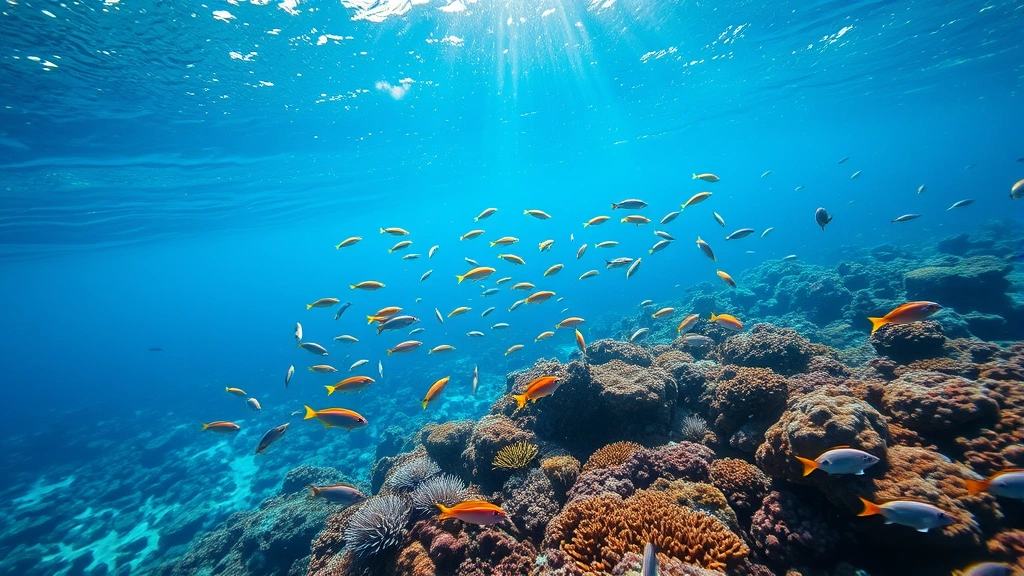
Aquatic ecosystems generate substantial tourism revenues through recreational fishing, diving, boating, and wildlife viewing. Global aquatic tourism expenditures exceed $80 billion annually, with coral reef tourism alone valued at $36 billion yearly. These industries depend entirely on ecosystem health: degraded reefs, polluted rivers, and depleted fish populations directly reduce tourist spending and employment.
The economic multiplier effects of aquatic tourism are particularly significant in developing nations. When international tourists spend money on reef diving or river cruises, these expenditures circulate through local economies, supporting hotels, restaurants, guide services, and transportation. Research from the World Bank indicates that each dollar of direct aquatic tourism spending generates 2-3 additional dollars in indirect economic activity within local communities.
However, tourism creates its own ecosystem pressures. Unmanaged tourism can degrade the very aquatic systems it depends upon through water pollution, habitat disruption, and overuse. Sustainable tourism models that limit visitor numbers, implement user fees, and invest in ecosystem management have proven economically superior long-term. The Palau Marine Tourism Strategy, which restricts daily visitor numbers and requires environmental education, maintains tourism revenues at 90% of pre-restriction levels while significantly improving ecosystem health metrics.
Recreation-based economies also generate employment in ecosystem monitoring, environmental education, and restoration work. Kayaking guides, diving instructors, and nature photographers represent a growing workforce that depends on aquatic ecosystem quality. These jobs typically offer higher wages than extractive industries and provide greater economic stability.
Water Purification and Agricultural Productivity
Aquatic ecosystems—particularly wetlands, riparian zones, and floodplain forests—provide critical water purification services that reduce treatment costs and improve agricultural productivity. Wetlands remove nutrients, sediments, and contaminants through natural biogeochemical processes, functioning as natural treatment systems. The economic value of these services is substantial: replacing wetland water purification capacity with engineered treatment systems costs $3,000-4,000 per hectare annually.
Agricultural productivity depends on water quality and availability, making aquatic ecosystem health directly relevant to food production economics. Rivers and wetlands that maintain ecological integrity provide consistent water supplies with lower treatment costs, reducing agricultural input expenses. In the Everglades, restoration efforts that enhance water purification capacity have improved water supply reliability for South Florida agriculture and urban areas, generating estimated benefits of $500 million annually.
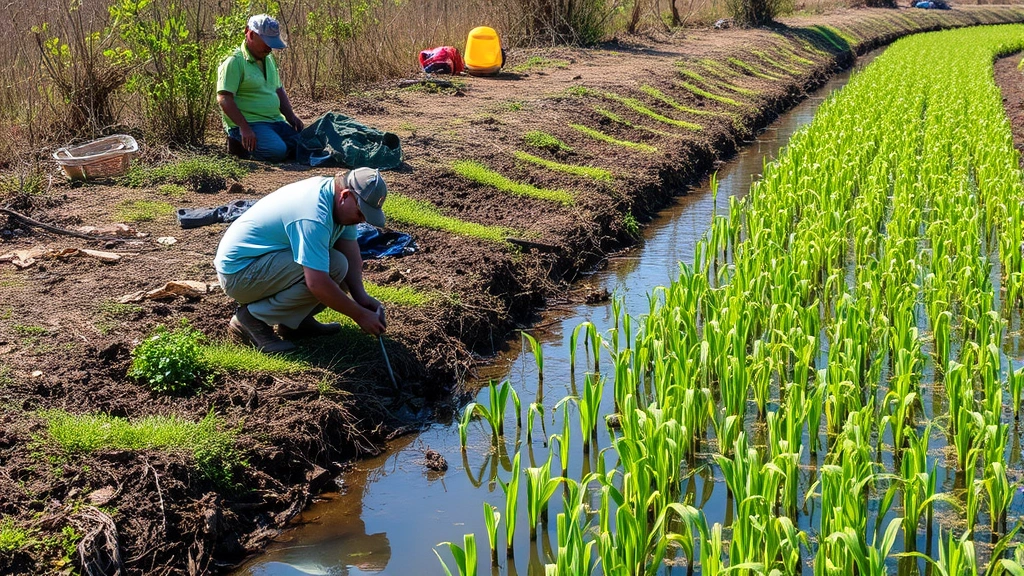
The intersection of water quality and agricultural economics becomes particularly critical in developing regions where treatment infrastructure remains limited. In Bangladesh and Vietnam, maintaining mangrove wetlands provides water filtration services while simultaneously supporting fisheries and protecting coastal communities from storm surge. Integrated economic analyses demonstrate that preserving these multifunctional ecosystems generates higher net economic value than converting them to monoculture aquaculture or agriculture.
Groundwater recharge represents another critical aquatic ecosystem service with direct economic implications. Wetlands and riparian forests enhance aquifer recharge rates, improving water security during drought periods. Valuation studies estimate this service worth $500-1,500 per hectare annually in regions with water scarcity. As climate change increases water stress globally, this ecosystem service becomes increasingly economically valuable.
Carbon Sequestration and Climate Mitigation
Aquatic ecosystems—particularly mangroves, salt marshes, seagrass beds, and freshwater wetlands—sequester carbon at rates 10-40 times higher than terrestrial forests. These “blue carbon” ecosystems store carbon in both biomass and sediments, with some deposits remaining sequestered for thousands of years. The economic value of this climate mitigation service has become increasingly significant as carbon pricing mechanisms expand globally.
Mangrove forests, covering only 0.1% of ocean area, store approximately 10 gigatons of carbon. If valued at current carbon market prices ($15-50 per ton), this represents $150-500 billion in climate mitigation value. Beyond carbon markets, the climate mitigation benefits provide economic value through reduced climate impacts: avoided agricultural losses, reduced extreme weather damage, and decreased climate adaptation costs.
Blue carbon projects have emerged as a new economic sector, attracting investment capital and generating revenue through carbon credit sales. Restoration of mangrove forests in Indonesia has created 10,000+ jobs while generating $20 million in carbon credit revenues. These projects demonstrate that climate mitigation and economic development can align when aquatic ecosystems are prioritized.
The emerging relationship between aquatic ecosystem protection and climate finance represents a significant economic opportunity. International climate funds increasingly support aquatic ecosystem restoration, recognizing the carbon mitigation co-benefits. This funding stream offers developing nations opportunities to finance conservation while generating employment and strengthening climate resilience.
Regional Case Studies and Economic Outcomes
The Danube River Basin: Integrated river basin management across 10 European nations has generated substantial economic returns. Restoration of floodplain wetlands has reduced flood damage by 30-40%, generating estimated savings of $2-3 billion annually. Simultaneously, improved water quality has increased tourism revenues by 15% and reduced water treatment costs by $200 million yearly. These benefits exceed restoration investment costs by approximately 8:1.
Lake Victoria, East Africa: Ecosystem degradation in this critical freshwater system threatened the livelihoods of 30 million people dependent on fisheries and water supply. Economic analyses revealed that degradation costs exceeded $500 million annually through fish stock collapse, water quality deterioration, and disease transmission. Regional investment in ecosystem restoration—totaling $150 million—has begun reversing these trends, with fish productivity increasing 20% and water quality improving measurably. Projected economic returns exceed $2 billion over 20 years.
The Mekong Delta: This region exemplifies how aquatic ecosystem economics intersect with food security and poverty reduction. The delta produces 30% of Vietnam’s rice exports and supports 17 million people. However, unsustainable water extraction, pollution, and ecosystem conversion have reduced productivity. Economic modeling demonstrates that ecosystem-based management approaches—combining sustainable agriculture with wetland restoration—would increase net economic returns by 15-20% while improving resilience to climate impacts.
Coral Triangle Initiative: This region encompasses the world’s most biodiverse marine ecosystems, supporting 600 million people and generating $2.4 trillion in ecosystem services annually. Economic research shows that sustainable management of these ecosystems generates 5-10 times higher long-term economic value than exploitative approaches. Countries implementing ecosystem-based management have experienced tourism revenue increases of 25-30% while maintaining fisheries productivity.
Challenges in Monetizing Natural Value
While ecosystem service valuation has advanced significantly, substantial challenges remain in translating ecological value into economic policy and decision-making. One fundamental challenge involves the “invisibility” of ecosystem services in conventional economic accounting. Unlike harvested fish or tourism receipts, water purification or carbon sequestration rarely appear on balance sheets, making their economic significance underappreciated by policymakers.
The temporal mismatch between ecosystem service provision and economic returns creates another challenge. Many aquatic ecosystem benefits accrue over decades or centuries, while economic decision-making emphasizes short-term returns. Mangrove restoration requires 15-20 years to reach full carbon sequestration capacity, while developers can generate profits from conversion within 2-3 years. Unless policy frameworks value long-term ecosystem services appropriately, short-term extraction remains economically dominant.
Uncertainty in ecosystem service valuation also complicates policy implementation. Different valuation methodologies can yield dramatically different economic estimates for identical ecosystems. This variability provides ammunition for those opposing conservation policies, as they can selectively cite low-value estimates. Developing standardized, transparent valuation protocols represents an important research frontier.
The distribution of ecosystem service benefits and costs creates equity challenges. While ecosystem degradation may generate short-term profits for specific industries or actors, the economic costs are borne broadly by society. Conversely, ecosystem restoration generates diffuse benefits while imposing concentrated costs on those profiting from exploitation. Addressing these distributional challenges requires policy mechanisms that ensure ecosystem conservation benefits translate into equitable economic outcomes.
Policy Frameworks for Aquatic Economic Development
Translating aquatic ecosystem economic value into policy requires comprehensive frameworks that align conservation incentives with economic interests. Payment for ecosystem services (PES) schemes represent one approach, creating direct financial rewards for ecosystem stewardship. These programs have shown promise in wetland conservation, watershed protection, and fisheries management across diverse contexts.
Natural capital accounting represents another critical policy framework. By incorporating ecosystem assets into national accounting systems—following guidance from the United Nations Environment Programme—policymakers gain visibility into the economic importance of aquatic resources. Countries implementing natural capital accounting have made more informed decisions about ecosystem conservation, recognizing that degradation represents economic loss equivalent to depleting mineral reserves.
Ecosystem-based adaptation (EbA) policies integrate aquatic ecosystem protection with climate resilience and economic development. These frameworks recognize that healthy aquatic systems provide flood protection, water security, and food production resilience—services increasingly valuable as climate impacts intensify. Investments in mangrove protection, wetland restoration, and river connectivity yield simultaneous benefits for conservation, climate adaptation, and economic development.
Blue economy frameworks—emerging primarily in small island developing states—integrate aquatic ecosystem conservation with sustainable economic development. These comprehensive approaches balance fisheries, tourism, renewable energy, and ecosystem protection within ecosystem carrying capacity limits. Countries implementing blue economy frameworks have achieved economic growth rates comparable to conventional approaches while improving ecosystem health metrics.
Strengthening connections between environmental economics research and policy requires enhanced communication between scientists, economists, and policymakers. Technical ecosystem service valuations must translate into accessible policy guidance and economic indicators that influence decision-making. The emerging field of ecological economics provides frameworks for integrating biophysical and economic analysis in ways that support evidence-based policy development.
International cooperation frameworks—including transboundary river basin agreements and marine spatial planning initiatives—enable coordinated management of aquatic ecosystems that cross political boundaries. These frameworks internalize economic benefits and costs that would otherwise generate conflicts between jurisdictions. The European Water Framework Directive, for example, has generated substantial economic benefits through coordinated watershed management across multiple nations.
Recognizing that economic development and environmental protection need not conflict, contemporary policy frameworks increasingly pursue integrated approaches. The connection between carbon footprint reduction and aquatic ecosystem protection exemplifies this integration: restored wetlands and mangroves sequester carbon while simultaneously providing fisheries, flood protection, and water purification benefits. Similarly, renewable energy development can integrate with aquatic ecosystem protection through careful siting and design that minimizes ecological impacts while generating clean energy.
The emerging understanding of circular economy principles also connects to aquatic ecosystem economics. Rather than extracting resources linearly, circular approaches maintain material and nutrient cycling within ecological systems. In aquaculture, integrated multi-trophic approaches that combine fish farming with seaweed and shellfish production mimic natural ecosystem cycling while improving economic returns per unit water input. These systems generate 20-30% higher productivity than monoculture approaches while reducing pollution and maintaining ecosystem health.
Corporate engagement with aquatic ecosystem economics has expanded as businesses recognize both risks and opportunities. Supply chain vulnerabilities related to water availability and quality create economic incentives for ecosystem protection. Consumer demand for sustainable products—including certified sustainable seafood—creates market premiums that reward ecosystem-friendly production. These market mechanisms increasingly align private economic interests with ecosystem conservation objectives.

Youth engagement in aquatic ecosystem economics represents an emerging opportunity. Young professionals increasingly pursue careers in ecosystem restoration, sustainable aquaculture, blue carbon projects, and environmental consulting. This workforce development creates economic opportunities while building human capital for long-term ecosystem management. Educational initiatives that connect environmental science with economic analysis prepare professionals to implement integrated approaches that achieve simultaneous environmental and economic objectives.
The future of aquatic ecosystem economics depends on overcoming remaining barriers to ecosystem service valuation, policy integration, and equitable benefit distribution. As climate change intensifies water stress globally, the economic value of healthy aquatic ecosystems will increase. Nations that invest in ecosystem protection now will gain competitive advantages in food security, water availability, and climate resilience. The evidence increasingly demonstrates that protecting aquatic ecosystems represents not merely environmental ethics but sound economic policy aligned with long-term prosperity.
FAQ
What specific economic benefits do aquatic ecosystems provide?
Aquatic ecosystems generate provisioning services (fisheries, freshwater), regulating services (water purification, flood control, climate regulation), supporting services (nutrient cycling), and cultural services (tourism, recreation). Global annual value exceeds $1.5 trillion, with significant variation by ecosystem type and geographic context.
How do ecosystem service valuations influence policy decisions?
Ecosystem service valuations provide economic justification for conservation policies, enable cost-benefit analyses comparing conservation against development alternatives, support payment for ecosystem services schemes, and facilitate natural capital accounting integration into national economic systems. However, policy influence remains inconsistent across jurisdictions and sectors.
Can aquatic ecosystem protection and economic development coexist?
Yes. Emerging evidence demonstrates that ecosystem-based management often generates higher long-term economic returns than exploitative approaches. Blue economy frameworks, sustainable fisheries management, and ecosystem-based adaptation policies successfully integrate conservation with economic development when properly designed and implemented.
What role do carbon markets play in aquatic ecosystem economics?
Blue carbon projects generate revenue through carbon credit sales while providing co-benefits including fisheries improvement, water quality enhancement, and community employment. Current carbon prices ($15-50/ton) make mangrove and wetland restoration economically competitive with alternative land uses, though policy support remains essential for project viability.
How can developing nations access aquatic ecosystem economic benefits?
Developing nations can leverage international climate finance, payment for ecosystem services schemes, sustainable tourism development, and ecosystem-based adaptation funding. Capacity building in ecosystem service valuation, sustainable management, and benefit distribution mechanisms enables developing nations to capture economic value while improving resilience and food security.
What are the main barriers to ecosystem service monetization?
Key barriers include invisibility of ecosystem services in conventional accounting, temporal mismatches between service provision and economic returns, valuation uncertainty, inequitable benefit distribution, and institutional gaps in policy implementation. Overcoming these barriers requires technical innovation, policy reform, and enhanced communication between scientists and decision-makers.


