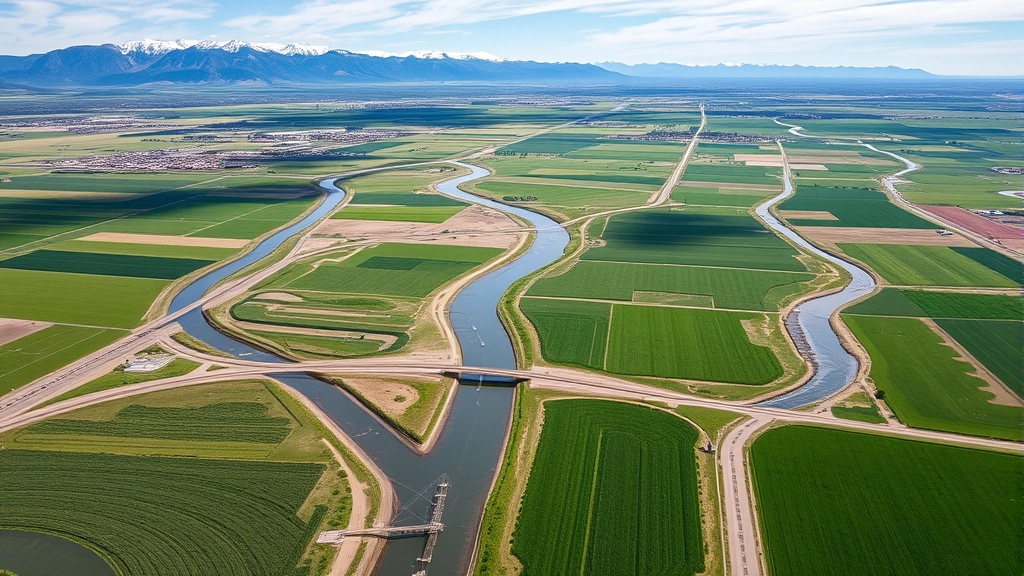
Montana’s Water Impact on Economy: MWEA Insights
Montana’s water systems represent one of the most economically significant natural resources in the American West, generating billions in annual economic activity while simultaneously facing unprecedented pressures from climate change, agricultural demands, and industrial development. The Montana Water Environment Association (MWEA) has emerged as a critical voice in understanding the intricate relationship between water quality, ecosystem health, and economic prosperity across the state. This analysis examines how water resources drive Montana’s economy, the challenges threatening this relationship, and the evidence-based solutions that organizations like MWEA advocate for sustainable management.
Water is not merely a commodity in Montana—it is the foundational infrastructure upon which agriculture, energy production, recreation, and municipal services depend. The state’s water systems support approximately 1.1 million residents while generating economic activity across multiple sectors. Understanding human environment interaction in the context of water management reveals how economic decisions cascade through ecosystems, affecting everything from fish populations to groundwater availability to downstream communities in neighboring states.
Montana’s Water-Dependent Economy: Sectoral Analysis
Montana’s economy is fundamentally structured around water availability and quality. The state receives approximately 15 million acre-feet of precipitation annually, with significant variation across regions. The Rocky Mountains capture most moisture, creating a geographic disparity that has shaped settlement patterns, agricultural development, and industrial location for over a century. Understanding definition of environment science provides essential context for how economists measure water’s role in production systems.
The agricultural sector alone consumes approximately 80 percent of Montana’s developed water resources, with irrigation supporting roughly 1.8 million acres of cropland. This sector generates $4.7 billion annually in agricultural output, making it the largest water-dependent industry. However, this figure represents only direct agricultural production—when accounting for food processing, transportation, storage, and related services, the total economic impact approaches $8 billion annually.
Mining and energy production represent the second-largest water-dependent sector, consuming approximately 15 percent of developed water supplies. Coal mining operations, thermal power plants, and increasingly, mineral extraction for battery production all depend on reliable water access. The economic contribution of these industries exceeds $3 billion annually, though this figure has declined significantly since the early 2000s due to coal market dynamics.
Municipal water systems serve growing urban centers including Billings, Missoula, Great Falls, and Bozeman, supporting population growth and economic diversification. These systems require approximately 5 percent of developed water supplies but serve the fastest-growing economic sectors, including technology, healthcare, and education. The quality and reliability of municipal water supplies directly influence regional competitiveness in attracting knowledge-based industries.
Agricultural Water Use and Economic Output
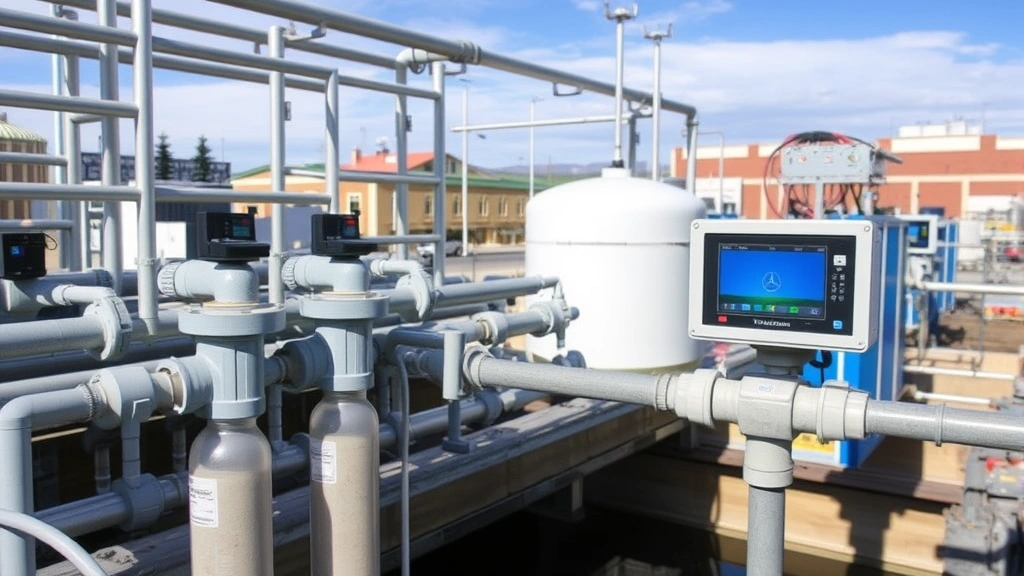
Montana’s agricultural economy rests on irrigation infrastructure developed over the past 130 years. The state’s irrigation districts manage water through an intricate system of dams, canals, and reservoirs that distribute seasonal flows to meet crop demands. This system, while economically productive, creates significant ecological challenges that MWEA has extensively documented.
Irrigated agriculture in Montana produces high-value crops including sugar beets, malting barley, wheat, and hay. The economic productivity of irrigated land exceeds non-irrigated land by a factor of 3-4, justifying the substantial investment in water infrastructure. However, irrigation systems also generate negative externalities including stream dewatering, groundwater depletion, and degraded water quality from agricultural runoff.
The Montana Water Environment Association has documented how irrigation practices affect downstream water availability. During peak growing season (June-August), many Montana rivers experience severe flow reductions as water is diverted for irrigation. The Yellowstone River, for example, experiences diversions totaling 35-40 percent of its flow during summer months. This has profound economic implications for downstream communities in North Dakota and Wyoming, creating interstate water conflicts that require complex legal and economic arrangements.
Water efficiency improvements in agricultural irrigation present significant economic opportunities. Precision irrigation technologies, including soil moisture sensors and variable-rate sprinkler systems, can reduce water consumption by 15-25 percent while maintaining or increasing crop yields. The economic return on these investments typically ranges from 3-7 years, yet adoption rates remain below 30 percent due to capital constraints and information gaps. MWEA advocacy has focused on developing financing mechanisms and technical assistance programs to accelerate adoption.
Energy Production and Water Resources
Montana’s energy sector demonstrates the complex relationships between water resources and economic development. Thermal power plants account for approximately 45 percent of the state’s electricity generation, with coal plants concentrated in the Powder River Basin and around the Yellowstone River system. These facilities require substantial cooling water, typically 25-40 gallons per kilowatt-hour generated.
Hydroelectric generation represents Montana’s second-largest electricity source, accounting for approximately 35 percent of in-state generation. The state operates 61 major dams that generate approximately 11,000 gigawatt-hours annually, valued at roughly $800 million in wholesale electricity. These facilities also provide crucial services including flood control, irrigation water storage, and recreational opportunities. However, dam operations frequently conflict with fisheries management and ecosystem restoration objectives, creating economic trade-offs that require careful analysis.
The transition toward renewable energy is reshaping Montana’s water-economy relationship. Wind energy development, while not water-intensive during operation, requires water for manufacturing and construction. Solar energy development presents minimal water demands, potentially reducing future water consumption in electricity generation. However, these transitions create stranded assets in coal and coal-dependent communities, requiring substantial economic adjustment assistance.
Natural gas production in Montana has grown substantially over the past two decades, with the Bakken Shale formation emerging as a major economic driver. Hydraulic fracturing requires significant water volumes—typically 2-5 million gallons per well—raising concerns about groundwater depletion and contamination risks. MWEA has advocated for stronger water quality monitoring and disclosure requirements in oil and gas development permits.
Recreation and Tourism: Water’s Hidden Economy
Montana’s recreational economy, heavily dependent on water resources, generates approximately $7.4 billion annually in direct spending and supports over 67,000 jobs. Fishing, boating, swimming, and water-based tourism represent some of the highest-value uses of water on a per-acre-foot basis, yet these values are frequently underrepresented in water allocation decisions.
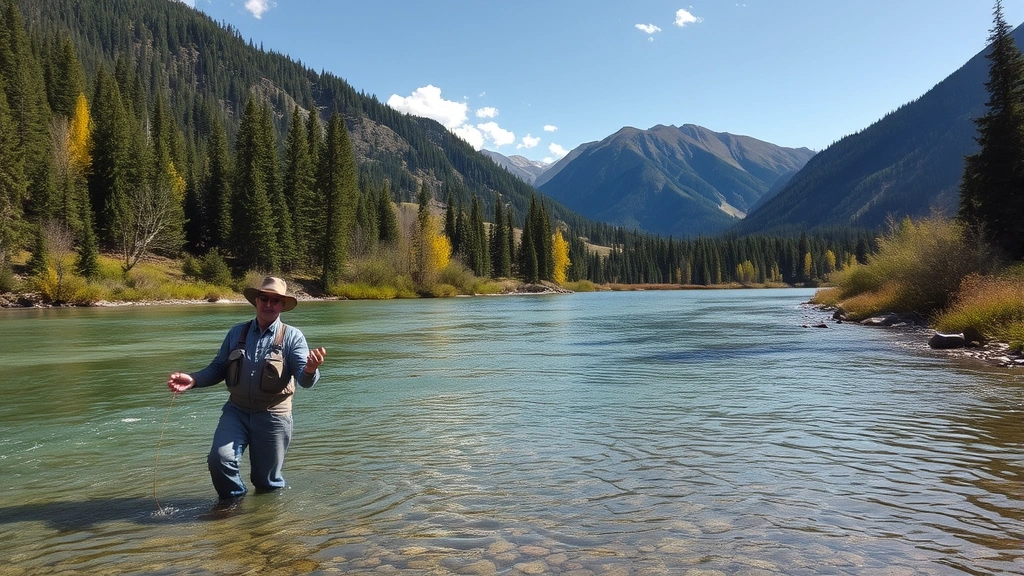
Fly-fishing alone generates an estimated $1.2 billion annually in Montana’s economy. The state’s world-renowned fisheries—including the Yellowstone River, Madison River, and Missouri River systems—attract anglers from around the globe. These fisheries depend on specific environmental conditions including cold water temperatures, adequate minimum flows, and high water quality. Climate change and irrigation demands threaten these conditions, creating potential economic losses that extend far beyond the fishing industry itself.
Whitewater rafting, kayaking, and other adventure tourism activities generate an additional $400-500 million annually. These activities require specific flow conditions and water quality standards. The economic value of recreation often exceeds the value of water used for irrigation or energy production on a per-acre-foot basis, yet water rights frameworks typically prioritize senior agricultural and industrial claims.
Lake-based recreation, including boating and beach activities, generates substantial economic activity around Montana’s reservoirs. The Montana Power Company’s dam system, for example, creates recreational opportunities valued at approximately $200 million annually. However, reservoir management for hydroelectric generation frequently conflicts with recreational demands, particularly regarding water level fluctuations that affect beach access and boating safety.
MWEA’s Role in Economic-Environmental Integration
The Montana Water Environment Association, founded in 1972, has evolved into the state’s primary organization addressing the intersection of water quality, environmental protection, and economic sustainability. With over 2,000 members including engineers, scientists, planners, and environmental professionals, MWEA provides technical expertise, research, and advocacy on water-related issues.
MWEA’s work demonstrates how how do humans affect the environment through water management decisions. The organization has pioneered research on the economic costs of water pollution, quantifying how industrial and agricultural pollutants reduce property values, increase treatment costs, and diminish recreational opportunities. This research has influenced policy decisions regarding wastewater treatment standards and agricultural best management practices.
The association’s technical committees focus on specific water challenges including stormwater management, wastewater treatment, water supply planning, and watershed protection. Their work on environment and natural resources building practices has influenced municipal development standards across Montana, reducing stormwater pollution and improving water quality in urban areas.
MWEA’s advocacy has been particularly influential in promoting integrated water management approaches that balance economic and environmental objectives. The organization has supported legislation establishing water quality standards, protecting instream flows for fisheries, and requiring environmental impact assessments for water development projects. These efforts reflect a growing recognition that water quality and ecosystem health are essential for long-term economic prosperity.
The association’s annual conference attracts over 1,000 participants and has become a forum for discussing emerging water challenges and innovative solutions. Recent conferences have focused on climate adaptation, emerging contaminants, and the economic implications of water scarcity in the West.
Climate Change Threats to Water Availability
Climate change represents the most significant long-term threat to Montana’s water-dependent economy. Scientific research indicates that warming temperatures are fundamentally altering precipitation patterns and snowpack dynamics across the state. Average temperatures have increased 1.8°F since 1950, with projections suggesting additional warming of 2.5-3.5°F by 2050 under moderate emissions scenarios.
These temperature changes have profound hydrological implications. Snowpack in the Rocky Mountains has declined by approximately 15-20 percent since 1950, with projections suggesting further declines of 30-40 percent by 2050. This shift changes water availability timing, with peak flows occurring 2-3 weeks earlier in spring. This mismatch between water availability and crop irrigation demands threatens agricultural productivity across much of the state.
Stream temperatures have increased measurably, with implications for cold-water fisheries. Montana’s iconic trout populations depend on water temperatures below 68°F during summer months. Climate change is pushing many streams toward unsuitable temperatures, particularly in lower elevation areas. The economic implications are substantial—if Montana’s cold-water fisheries decline significantly, the state could lose $200-400 million annually in direct recreation spending.
Drought frequency and severity are increasing, with the 2000-2007 drought demonstrating the economic vulnerability of water-dependent sectors. That drought reduced agricultural production by approximately 15-20 percent, decreased hydroelectric generation by 25-30 percent, and required emergency water conservation measures in several municipalities. Climate projections suggest similar or more severe droughts could occur with increasing frequency.
MWEA has advocated for proactive climate adaptation strategies including water conservation investments, reservoir management modifications, and agricultural transition support. The economic cost of these adaptations is substantial but appears modest compared to the costs of unmanaged climate impacts.
Water Quality Degradation and Economic Costs
Water quality degradation imposes substantial economic costs that are frequently underestimated in policy discussions. Pollution from agricultural runoff, industrial discharge, and urban stormwater reduces water’s economic value across multiple sectors.
Agricultural nonpoint source pollution represents Montana’s largest water quality challenge. Runoff containing sediment, nutrients, and pesticides degrades water quality downstream, increasing treatment costs for municipalities and reducing recreational value. The economic cost of agricultural water pollution in Montana exceeds $150 million annually when accounting for treatment expenses, lost recreational value, and ecosystem damages.
Industrial water pollution, while declining due to regulatory improvements, remains significant in certain regions. Mining operations, petroleum refineries, and timber processing facilities have historically generated substantial water quality impacts. MWEA’s monitoring data indicates that water quality has improved substantially since the 1980s due to stricter regulations, but legacy contamination remains in several river systems.
Urban stormwater pollution has emerged as an increasingly significant economic problem as Montana’s cities expand. Impervious surfaces including roads, parking lots, and rooftops prevent rainfall infiltration, causing rapid runoff that carries pollutants into streams. This pollution reduces recreational value, increases water treatment costs, and harms aquatic ecosystems. The economic cost of urban stormwater pollution in Montana’s largest cities exceeds $50 million annually.
Emerging contaminants including pharmaceuticals, personal care products, and industrial chemicals are increasingly detected in Montana’s water supplies. These contaminants require specialized treatment technologies that substantially increase water treatment costs. The economic implications of widespread emerging contaminant contamination could be severe, potentially requiring hundreds of millions in additional treatment infrastructure investment.
Policy Solutions and Economic Incentives
Addressing Montana’s water challenges requires integrated policy approaches that balance economic and environmental objectives. MWEA has advocated for several key policy solutions supported by economic analysis.
Water pricing reform represents a crucial policy lever. Current water pricing in Montana frequently fails to reflect scarcity value or environmental costs, creating economic incentives for inefficient water use. Implementing scarcity-based pricing while providing transition assistance to affected communities could reduce water consumption by 10-15 percent while generating revenue for conservation investments.
Conservation incentive programs have demonstrated strong economic returns. The Natural Resources Conservation Service and state cost-share programs have funded over 2,000 irrigation efficiency projects in Montana, achieving water savings of approximately 200,000 acre-feet annually. The economic return on these investments, measured in terms of water saved per dollar invested, ranges from 2-5 dollars of economic benefit per dollar invested.
Water markets and trading mechanisms offer potential for improving water allocation efficiency. By allowing water rights transfers between agricultural, energy, and recreational users, markets can direct water toward highest-value uses. Montana’s water rights system has gradually become more flexible, though significant regulatory barriers to trading remain. Economic analysis suggests that removing these barriers could increase overall economic efficiency by 5-10 percent.
Ecosystem service valuation represents an emerging policy approach that assigns economic value to water-dependent ecosystem functions. Recognizing that healthy fisheries, wildlife habitat, and water quality provision have substantial economic value can justify investment in environmental protection. MWEA has pioneered ecosystem service valuation methodologies that are increasingly influencing water management decisions.
Integrated water resource management (IWRM) approaches coordinate water allocation across sectors while considering environmental constraints. These approaches require sophisticated data systems and collaborative governance structures. Montana has made progress toward IWRM through watershed-based planning initiatives and interstate compact negotiations, though implementation remains incomplete.
Investment in water infrastructure modernization offers significant economic benefits. Aging water delivery systems experience substantial losses through leakage—estimates suggest that 15-20 percent of diverted water is lost before reaching beneficial use. Modernizing these systems could recover substantial water supplies for reallocation toward environmental or economic uses.
FAQ
What is the Montana Water Environment Association and what does it do?
The Montana Water Environment Association is a professional organization founded in 1972 that addresses water quality, environmental protection, and sustainable water management. MWEA provides technical expertise, conducts research, advocates for water-related policies, and facilitates collaboration among engineers, scientists, and environmental professionals. The organization has been instrumental in shaping Montana’s water quality standards and promoting integrated water resource management approaches.
How much of Montana’s economy depends on water resources?
Approximately 25-30 percent of Montana’s gross state product depends directly or indirectly on water resources. This includes agriculture ($4.7 billion), energy production ($3+ billion), recreation and tourism ($7.4 billion), and municipal services. When accounting for indirect economic effects through supply chains and employment, water-dependent sectors account for an even larger share of economic activity.
What are the primary threats to Montana’s water resources?
The primary threats include climate change (reducing snowpack and altering precipitation patterns), increasing water demand from population growth, water quality degradation from agricultural and industrial pollution, and competing demands among agricultural, industrial, recreational, and environmental users. Groundwater depletion in certain regions also poses significant challenges.
How does water quality affect Montana’s economy?
Water quality affects the economy through multiple pathways: increased water treatment costs for municipalities, reduced recreational value and tourism spending, diminished agricultural productivity from contaminated irrigation water, and ecosystem damage that reduces fisheries and wildlife value. The total economic cost of water quality degradation in Montana exceeds $200 million annually.
What economic incentives could improve water conservation in Montana?
Effective incentives include water pricing reform to reflect scarcity value, conservation cost-share programs, water markets allowing trades between users, ecosystem service payments for environmental water protection, and infrastructure investment in efficient delivery systems. Economic analysis suggests these mechanisms could reduce water consumption by 15-25 percent while maintaining economic productivity through more efficient allocation.
How is climate change affecting Montana’s water resources and economy?
Climate change is reducing snowpack by 15-40 percent, shifting peak water availability 2-3 weeks earlier, increasing stream temperatures harmful to cold-water fisheries, and increasing drought frequency and severity. These changes threaten agricultural productivity, hydroelectric generation, and recreational opportunities, potentially imposing economic costs exceeding $500 million annually by 2050 without adaptation measures.
What role do water rights play in Montana’s water management?
Montana’s water rights system, based on prior appropriation doctrine, determines how water is allocated among users. Senior water rights holders (primarily agricultural users with historical claims) have priority during scarcity periods. While this system provides certainty for water users, it can create inefficiencies by preventing reallocation toward higher-value uses. MWEA has advocated for modernizing water rights frameworks to improve flexibility while protecting existing users.


