
Monster Hunter’s Economy: Ecosystem Insights from Virtual Hunting to Real-World Conservation
The Monster Hunter franchise, particularly with the upcoming Monster Hunter Wilds, presents a fascinating paradox: a video game series centered on harvesting creatures from pristine ecosystems offers unexpected lessons about ecological economics, resource management, and the delicate balance between human exploitation and environmental sustainability. While the game’s premise involves hunting monsters for materials and profit, its intricate ecosystem mechanics mirror real-world economic principles that govern how societies extract value from natural systems.
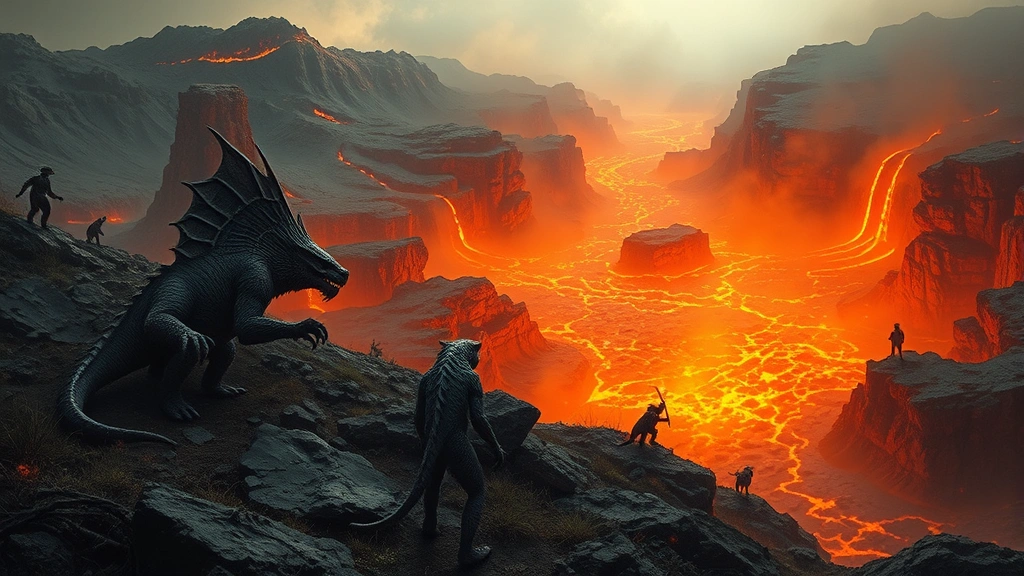
Monster Hunter Wilds environment design reflects sophisticated ecological thinking. Players navigate diverse biomes—from lush forests to volcanic regions—where monster populations interact with environmental conditions, food chains, and resource availability. This virtual ecosystem demonstrates fundamental concepts of ecological economics: carrying capacity, resource scarcity, and the consequences of unsustainable harvesting. By examining how the game balances predator-prey dynamics with player resource extraction, we can extract meaningful insights about real-world environmental economics and the importance of sustainable resource management.
Ecological Economics in Monster Hunter Wilds
Monster Hunter Wilds environment mechanics embody core principles of ecological economics—a transdisciplinary field examining relationships between economic activity and natural systems. Unlike conventional economics that treats nature as an infinite resource, ecological economics recognizes biophysical limits, entropy, and the impossibility of infinite growth within finite systems.
The game’s world-building demonstrates this reality through dynamic ecosystems where monster populations fluctuate based on environmental conditions, food availability, and predation pressure. When players hunt extensively in specific regions, monster populations decline, forcing hunters to explore new areas or wait for populations to recover. This mechanic mirrors real-world fisheries management, where overharvesting leads to stock collapse, as documented extensively in World Bank fisheries research.
The economic framework underlying Monster Hunter reflects what ecological economists call “optimal resource depletion theory.” Players must decide: harvest maximum materials now, or preserve monster populations for sustained long-term yields? This directly parallels debates in environmental science fundamentals regarding intergenerational equity and sustainable yield management.
Monster Hunter Wilds environment design includes environmental feedback loops. Depleting herbivore populations reduces available prey for carnivorous monsters, disrupting food webs and affecting ecosystem stability. This interconnectedness reflects the concept of ecosystem services—the benefits humans derive from natural systems—which economic research values at trillions annually.

Resource Extraction and Carrying Capacity
Carrying capacity—the maximum population size an environment can sustain indefinitely—represents a fundamental ecological constraint absent from traditional economic models. Monster Hunter Wilds implements carrying capacity through environmental resource limitations. Each region contains finite populations of monsters and gathering resources; exceeding sustainable harvest levels causes visible ecosystem degradation.
This mechanic directly addresses what ecological economists identify as the “tragedy of the commons.” When resources belong to no one (or everyone), individual incentives favor maximum exploitation, leading to collective ruin. In Monster Hunter Wilds, if hunters collectively overharvest, monster populations crash, reducing everyone’s future opportunities. This teaches the economic principle that unregulated access to common resources produces suboptimal outcomes.
Real-world examples validate this principle. The Atlantic cod fishery collapse in the 1990s, studied extensively by UNEP environmental programs, demonstrates how ignoring carrying capacity destroys both ecosystems and economies. Fishers, facing individual pressure to maximize catch, collectively depleted stocks below reproductive capacity. The fishery that sustained 30,000 jobs collapsed, causing economic devastation across Atlantic Canada.
Monster Hunter Wilds environment systems incorporate adaptive management—adjusting harvest regulations based on population monitoring. Players learn that sustainable yields require restraint: harvesting 60-70% of sustainable population levels maintains both ecosystem function and long-term economic returns. This aligns with fisheries management best practices, where selective harvest protocols preserve reproductive capacity.
The game quantifies this through material scarcity mechanics. Rare monster parts become increasingly difficult to obtain as populations decline, naturally increasing their market value. This price signal incentivizes players toward more efficient harvesting and encourages exploration of alternative resource sources—exactly how real economies should respond to resource scarcity.
The Ecosystem Services Model
Ecosystem services—the functions natural systems perform that benefit human economies—constitute the foundation of ecological economics. Monster Hunter Wilds environment design illustrates four major service categories: provisioning (materials from monsters), regulating (climate, water cycling), supporting (nutrient cycling, soil formation), and cultural (aesthetic value, recreational opportunities).
The game’s provisioning services are obvious: monsters provide materials for weapons, armor, and trade goods. But regulating services receive subtle implementation. Environmental conditions directly affect monster behavior and availability. Volcanic regions produce different species than temperate forests; seasonal changes alter migration patterns and breeding cycles. This reflects how real ecosystems regulate climate, water, and nutrient cycles—services worth an estimated $125 trillion annually according to UNEP ecosystem assessment data.
Supporting services appear through food web dynamics. Herbivores consume vegetation; carnivores hunt herbivores; decomposers process waste. This cyclical system maintains soil fertility and nutrient availability—services invisible to hunters but essential for ecosystem persistence. When players disrupt these relationships through excessive harvesting, ecosystem collapse becomes visible through environmental degradation.
Cultural services include the intrinsic value of experiencing pristine wilderness. Monster Hunter Wilds environment aesthetics aren’t merely graphical choices; they represent the psychological and spiritual value humans derive from natural beauty. Economic research increasingly recognizes these cultural services, with ecosystem-based tourism generating $600 billion annually globally.
Market Economics and Monster Materials
Monster Hunter Wilds implements sophisticated market economics through its material trading system. Different materials possess different values based on scarcity, demand, and difficulty of acquisition. This reflects real-world commodity markets where prices signal resource scarcity and allocate goods efficiently.
The game demonstrates how market prices incentivize sustainable behavior or encourage overexploitation, depending on institutional frameworks. Rare materials command premium prices, creating incentives for hunters to pursue high-value targets. Without regulations, this produces selective overhunting of valuable species—precisely what occurs in real wildlife markets, where endangered species commanding high prices face extinction risk.
However, Monster Hunter Wilds environment mechanics include implicit regulations preventing tragedy. As monster populations decline, materials become harder to obtain, prices rise further, but absolute supply decreases. Eventually, the economic incentive to hunt shifts toward sustainable alternatives. This demonstrates how environmental constraints ultimately enforce resource limits, though often destructively.
The game’s economy also illustrates specialization and comparative advantage. Different hunters develop expertise with specific monster types and materials, creating interdependent supply chains. Specialist hunters trade surplus materials for items they don’t produce, increasing overall economic efficiency. This mirrors real-world economic systems where specialization and trade increase productivity and welfare.
Price volatility in Monster Hunter Wilds reflects real commodity market dynamics. Seasonal monster migrations, random environmental events, and competing hunters’ activities create supply fluctuations that drive price changes. Players must make investment decisions under uncertainty—buying materials when prices are low, selling when prices spike. This teaches fundamental economic principles about markets, information, and risk management.
Biodiversity and Specialization
Monster Hunter Wilds environment contains remarkable biodiversity. Dozens of monster species occupy distinct ecological niches: herbivores, omnivores, apex predators, scavengers, and parasites. This biodiversity isn’t merely aesthetic; it directly affects gameplay and economic opportunities.
Ecological economics emphasizes biodiversity’s instrumental value: diverse ecosystems provide more reliable ecosystem services, greater resilience to disturbances, and more adaptability to environmental change. Monster Hunter Wilds demonstrates this principle. Diverse monster populations mean hunters have multiple material sources; if one species declines, alternatives remain available. Conversely, simplified ecosystems with few dominant species create economic vulnerability.
This reflects real-world biodiversity economics, where genetic and species diversity represents irreplaceable economic assets. Agricultural systems relying on single crop varieties face catastrophic failure if pests or diseases emerge; diverse farming systems prove more resilient. Similarly, economies dependent on single resource exports (oil, timber, minerals) face boom-bust cycles, while diversified economies demonstrate greater stability.
Monster Hunter Wilds environment design shows how human-environment interaction shapes ecological structure. Hunters’ activities select for species with high reproduction rates and short lifespans—exactly what occurs in real ecosystems under harvesting pressure. Long-lived, slow-reproducing species face extinction, while r-selected species (high reproduction, short lifespan) proliferate. This represents an economic loss: apex predators and large, long-lived species typically provide higher-value materials, but become unavailable under unsustainable harvesting.
Environmental Impact Assessment
Monster Hunter Wilds environment systems incorporate environmental impact assessment—evaluating how activities affect ecosystem health. As hunters harvest resources, visible environmental changes occur: vegetation regrows or depletes, water quality changes, air quality shifts. These environmental indicators represent ecosystem health metrics.
Real-world environmental impact assessment uses similar metrics: biodiversity indices, water quality parameters, soil health indicators, air quality measures, and carbon accounting. These assessments quantify externalities—costs imposed on ecosystems and future generations not reflected in market prices. Ecological economics emphasizes that ignoring externalities creates market failures and suboptimal resource allocation.
Monster Hunter Wilds forces players to confront externalities. Harvesting creates short-term personal gains (materials, profit) but long-term collective costs (ecosystem degradation, reduced future opportunities). This perfectly illustrates why unregulated markets fail to protect environmental commons. Individual rationality (maximize personal harvest) produces collective irrationality (ecosystem collapse).
The game suggests solutions through institutional design. Regions with hunting regulations, seasonal restrictions, and harvest limits maintain healthier ecosystems and support larger hunter populations long-term. This validates ecological economics’ emphasis on institutions: property rights, regulations, and governance structures that align individual incentives with collective sustainability.
Understanding Monster Hunter Wilds environment mechanics provides valuable perspective on real environmental challenges. Climate change, biodiversity loss, and resource depletion all reflect failures to account for ecological constraints and externalities in economic decision-making. By experiencing these dynamics through gameplay, players develop intuition about how economies must incorporate carbon footprint reduction and resource conservation.
The franchise demonstrates that sustainability isn’t merely environmental concern—it’s economic necessity. Societies that deplete natural capital face eventual economic collapse, regardless of short-term financial gains. Monster Hunter Wilds environment design teaches this principle through engaging gameplay, making abstract economic concepts concrete and memorable.
Applying these insights requires recognizing that human economies operate within ecological boundaries. Just as Monster Hunter Wilds cannot exceed its ecosystem’s carrying capacity, real economies cannot indefinitely extract resources faster than they regenerate or emit waste faster than systems can absorb it. Transitioning toward genuine sustainability requires institutional reforms incorporating these ecological limits into economic decision-making.
FAQ
How does Monster Hunter Wilds environment design reflect real ecological economics?
Monster Hunter Wilds implements carrying capacity, resource scarcity, ecosystem services, and feedback loops—core ecological economics concepts. The game demonstrates how resource extraction must respect environmental limits or face ecosystem collapse, mirroring real-world resource management challenges. Players experience firsthand how ignoring carrying capacity destroys both ecosystems and long-term economic opportunities.
What economic lessons does Monster Hunter Wilds teach about resource management?
The game illustrates optimal resource depletion theory, the tragedy of the commons, and sustainable yield management. Players learn that maximum short-term extraction produces worse long-term outcomes than restrained, sustainable harvesting. This principle applies directly to real fisheries, forestry, agriculture, and mineral extraction industries.
How does Monster Hunter Wilds demonstrate ecosystem services value?
Through diverse monster populations, environmental conditions affecting gameplay, and interconnected food webs, the game shows how ecosystem functions provide economic value. Biodiversity supports more reliable resource availability; ecosystem degradation reduces hunter opportunities. This teaches that nature’s economic value extends beyond direct resource extraction.
Why does specialization matter in Monster Hunter Wilds economy?
Specialization increases efficiency: hunters focusing on specific monsters develop expertise, produce surplus materials, and trade for items they need. This demonstrates comparative advantage and how interdependence creates mutual benefits. Real economies operate identically, with specialization driving productivity and trade enabling welfare gains.
How can Monster Hunter Wilds insights apply to real environmental policy?
The game validates ecological economics’ emphasis on institutional design: property rights, regulations, and governance structures that align individual incentives with sustainability. Successful regions implement hunting regulations, seasonal restrictions, and harvest limits—policies that real environmental management should adopt. Understanding these principles helps citizens evaluate environmental policies more critically.
What does Monster Hunter Wilds reveal about biodiversity economics?
The game demonstrates that diverse ecosystems provide more reliable services and greater resilience than simplified systems. This reflects real-world biodiversity economics: agricultural, ecological, and economic systems all benefit from diversity. Monocultures and specialized economies prove vulnerable; diversity builds stability.


