
Koala Habitats: Impact on Australia’s Economy
Australia’s koalas represent far more than iconic wildlife symbols; they embody a complex economic relationship between ecosystem health and national prosperity. The decline of koala populations and their habitats triggers cascading economic consequences that ripple through tourism, agriculture, property values, and ecosystem services worth billions of dollars annually. Understanding the definition of environment and environmental science becomes essential when evaluating how habitat degradation affects economic systems dependent on natural capital.
The koala environment crisis reflects a broader economic paradox: short-term resource extraction and land conversion generate immediate profits, while long-term habitat preservation sustains far greater economic value through ecosystem services, tourism revenue, and biodiversity insurance. Australia faces critical decisions about reconciling development pressures with conservation needs, particularly as climate change intensifies threats to eucalyptus forests that koalas depend upon for survival.
Economic analyses increasingly recognize that koala habitat protection represents not merely environmental stewardship but essential economic infrastructure. The relationship between koala populations and economic outcomes demonstrates how ecological decline directly undermines economic resilience, workforce productivity, and intergenerational wealth accumulation.
Koala Habitat Degradation and Economic Value Loss
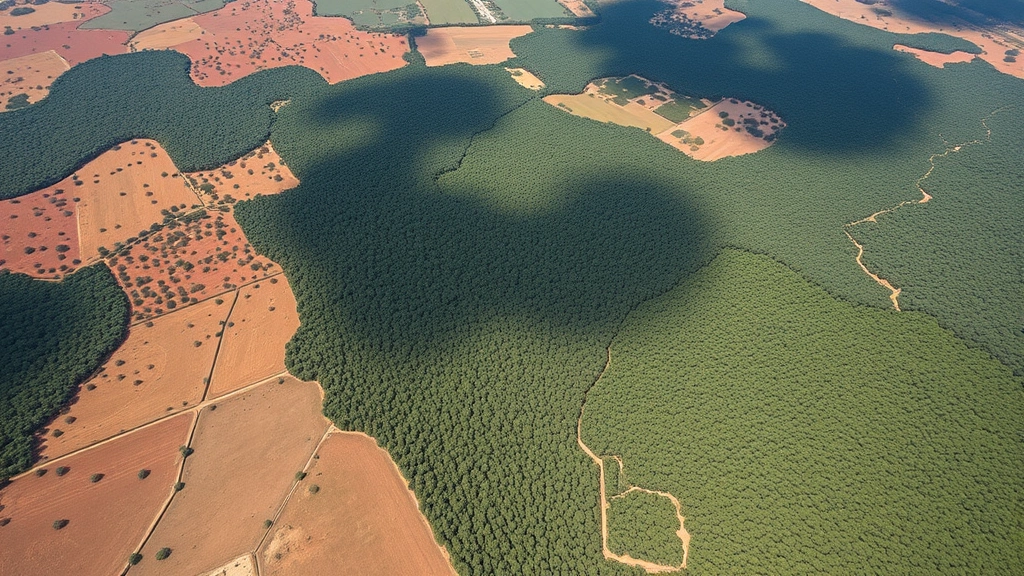
Koala habitat loss accelerates at alarming rates, with approximately 30% of koala habitat destroyed or severely degraded over the past two decades. This degradation directly correlates with quantifiable economic losses measured through multiple valuation frameworks. The World Bank emphasizes that ecosystem service loss represents a significant drag on economic growth, particularly in resource-dependent economies like Australia.
Habitat fragmentation creates economic inefficiencies beyond simple biodiversity loss. When eucalyptus forests become fragmented into isolated patches, koala populations experience increased mortality, reduced genetic diversity, and vulnerability to disease outbreaks. Each population decline necessitates expensive rescue and rehabilitation programs, diverting public resources from productive investments. Queensland alone spends millions annually on koala rescue operations, wildlife hospitals, and emergency interventions that could be prevented through proactive habitat preservation.
The economic concept of natural capital depreciation applies directly to koala habitats. Just as manufactured capital loses value through deferred maintenance, natural capital deteriorates when ecosystems receive inadequate investment in preservation. Australia’s national accounts increasingly incorporate natural capital accounting, revealing that habitat degradation represents genuine wealth destruction comparable to infrastructure decay.
Property owners in koala-adjacent regions face economic uncertainty. Land parcels known to contain koala populations experience regulatory restrictions limiting development, reducing market value compared to unrestricted properties. This creates distributional conflicts where individual landowners bear conservation costs while broader society captures ecosystem service benefits, generating economic inefficiencies and political resistance to protection measures.
Tourism Revenue and Koala-Dependent Industries
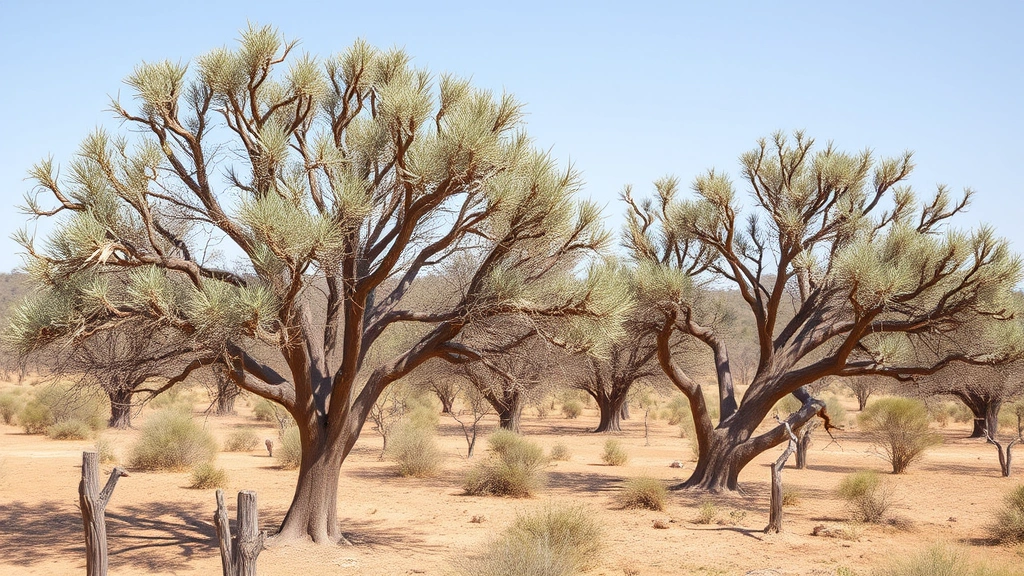
International tourism generates approximately AU$45 billion annually for Australia, with wildlife viewing representing a significant component. Koalas rank among Australia’s most recognizable animals, driving substantial tourism expenditure in Queensland, New South Wales, and Victoria. Regional economies dependent on wildlife tourism experience measurable revenue impacts as koala populations decline and visitor experiences diminish.
Wildlife tourism creates employment across multiple sectors: hospitality, transportation, retail, and specialized wildlife education services. Koala-specific attractions like zoos, sanctuaries, and guided nature experiences employ thousands of workers. The Australian Tourism Commission estimates that koala encounters contribute directly to 15-20% of domestic wildlife tourism revenue. As populations decline, these employment opportunities contract, affecting regional economies with limited alternative income sources.
The economic multiplier effect amplifies tourism impacts throughout regional economies. A tourist visiting a koala sanctuary spends money on accommodation, dining, transportation, and retail purchases. Economic modeling suggests each dollar of direct tourism spending generates AU$1.50-2.00 in total economic activity. Declining koala populations reduce this multiplier effect, constraining regional economic growth.
International visitor demand specifically for koala experiences creates premium pricing opportunities. Tourists willingly pay substantial fees for wildlife encounters, with some sanctuaries charging AU$30-50 per person for koala interaction experiences. This pricing power depends entirely on koala availability and welfare. Disease outbreaks or population collapses eliminate this premium revenue source, forcing facilities to reduce operations or close entirely.
The relationship between human environment interaction and economic outcomes becomes particularly evident in tourism contexts. Unsustainable visitor management practices damage habitats while generating short-term revenue, eventually destroying the resource base that tourism depends upon.
Property Values and Real Estate Markets
Koala habitat designation creates complex property value dynamics in Australian real estate markets. Properties containing or adjacent to koala populations experience regulatory constraints limiting development intensity, land clearing, and resource extraction. These restrictions reduce development potential and market value, sometimes by 20-30% compared to unrestricted comparable properties.
However, properties in regions known for healthy koala populations attract premium prices in certain market segments. Affluent homebuyers and investors value proximity to pristine natural areas, wildlife viewing opportunities, and environmental quality. This creates a paradoxical market: development-restricted properties lose value to developers while gaining value for conservation-minded purchasers.
Regional property markets reflect habitat quality through pricing variations. Areas experiencing koala population growth command higher real estate premiums than regions with declining populations. Real estate agents increasingly market properties based on wildlife viewing opportunities and ecosystem health indicators, recognizing that environmental quality influences buyer preferences and willingness to pay.
The economic concept of hedonic pricing quantifies how environmental attributes influence property values. Empirical studies of Australian real estate markets demonstrate that koala presence increases property values by 5-15% in certain suburbs, while habitat degradation reduces values by equivalent percentages. These capitalized environmental values represent billions of dollars in property wealth dependent on habitat preservation.
Development pressures create short-term conflicts with long-term property value interests. Developers seeking to maximize near-term returns through habitat clearing may inadvertently destroy the environmental amenities that sustain long-term property values for surrounding communities. This temporal misalignment between development incentives and property value preservation generates economic inefficiencies.
Ecosystem Services and Monetary Valuation
Eucalyptus forests supporting koala populations provide ecosystem services worth billions annually. Carbon sequestration, water filtration, air quality improvement, soil stabilization, and biodiversity support represent quantifiable economic benefits. Ecological economics research increasingly applies monetary valuation methodologies to these services, revealing that habitat preservation generates economic returns exceeding alternative land uses.
UNEP (United Nations Environment Programme) emphasizes that ecosystem service valuation must incorporate carbon sequestration benefits, particularly relevant for climate change mitigation. Mature eucalyptus forests sequester 2-5 tonnes of carbon dioxide annually per hectare, providing climate regulation services valued at AU$40-100 per tonne depending on carbon pricing mechanisms. A 1 million hectare koala habitat forest sequesters carbon worth AU$40-500 million annually.
Water provisioning services deserve particular attention in drought-prone Australia. Eucalyptus forests enhance water infiltration, reduce evaporation, and maintain groundwater recharge. These hydrological functions provide water security worth AU$200-500 per hectare annually to downstream communities and agricultural operations. Habitat degradation reduces water availability, imposing costs on farmers, municipalities, and industrial users.
Biodiversity support represents another critical ecosystem service. Koala habitats contain thousands of interdependent species providing pollination, pest control, and nutrient cycling services. Economic valuation of these services ranges from AU$500-2,000 per hectare annually. When habitat loss triggers species extinctions, these service flows cease permanently, representing irreversible economic losses.
The concept of natural capital accounting integrates ecosystem services into national economic accounts, revealing that Australia’s natural capital is depreciating faster than manufactured capital accumulates. This unsustainable depletion trajectory implies declining long-term economic welfare despite measured GDP growth.
Agricultural Impacts and Land Use Economics
Koala habitat protection affects agricultural economics through land use competition and ecosystem service provision. In regions like southeastern Queensland and northern New South Wales, agricultural enterprises compete with conservation interests for the same land parcels. Restricting agricultural expansion to preserve koala habitat imposes opportunity costs on farming operations.
However, eucalyptus forests provide substantial benefits to adjacent agricultural lands. Shelter belts reduce wind damage to crops, increase pollinator populations, and improve water retention in surrounding soils. These positive externalities create economic value for farming operations estimated at AU$100-300 per hectare annually. Habitat removal eliminates these benefits, forcing farmers to invest in artificial alternatives like windbreaks and irrigation infrastructure.
Livestock operations benefit from habitat preservation through disease vector management and parasite control. Diverse native vegetation reduces populations of ticks, flies, and other parasites that impose significant costs on grazing enterprises. Habitat degradation increases disease pressure, requiring greater veterinary spending and reducing livestock productivity. Economic analyses suggest these costs exceed AU$50 per animal annually in affected regions.
Soil conservation represents another agricultural benefit of intact koala habitats. Native vegetation prevents erosion, maintains soil structure, and preserves long-term soil productivity. Habitat clearance accelerates soil degradation, reducing agricultural productivity by 10-20% over 20-30 year periods. These cumulative productivity losses represent substantial economic impacts on farming enterprises dependent on soil quality.
The economic principle of integrated land management suggests that habitat preservation and agricultural productivity represent complementary rather than conflicting objectives when properly implemented. Silvopasture systems combining native vegetation preservation with livestock grazing generate higher net economic returns than simplified agricultural monocultures while maintaining koala habitat quality.
Climate Change Interactions with Koala Habitats
Climate change intensifies koala habitat threats through temperature increases, drought frequency, and fire severity. These climate impacts create economic costs that compound habitat degradation effects. Rising temperatures stress eucalyptus trees, reducing nutritional quality for koalas and increasing disease susceptibility. Drought reduces water availability for both koalas and dependent ecosystems, triggering mortality events requiring expensive emergency interventions.
Bushfire frequency and intensity have increased dramatically, destroying millions of hectares of koala habitat. The 2019-2020 Australian bushfire season burned approximately 3 million hectares, killing an estimated 3 billion animals and destroying critical koala populations. Economic losses from this single fire season exceeded AU$100 billion when accounting for property damage, lost productivity, and ecosystem service disruption.
Climate change creates economic feedback loops accelerating habitat degradation. Stressed vegetation becomes more flammable, increasing fire frequency. More frequent fires prevent forest regeneration, converting habitats to grasslands unsuitable for koalas. This positive feedback loop represents an economic tipping point where initial climate impacts trigger irreversible ecosystem shifts with permanent economic consequences.
Insurance and risk management sectors increasingly incorporate koala habitat health into economic risk assessments. Property insurers adjust premiums in fire-prone regions with degraded vegetation, reflecting elevated risk. This risk capitalization increases costs for property owners and developers, creating economic incentives for habitat restoration and fire prevention investments.
Adaptation costs to climate-driven koala habitat loss represent substantial future economic burdens. Assisted migration programs, captive breeding initiatives, and intensive habitat restoration require public investment estimated at AU$500 million to AU$2 billion over 20-30 years. These adaptation costs could be substantially reduced through proactive climate mitigation and habitat preservation.
Conservation Costs Versus Economic Benefits
Economic analysis comparing conservation costs with benefits demonstrates that habitat preservation generates favorable economic returns. Comprehensive cost-benefit analyses suggest that protecting 1 hectare of koala habitat generates net economic benefits of AU$2,000-5,000 annually through ecosystem services, tourism, and property value appreciation. Conservation costs typically range from AU$500-1,500 per hectare annually, implying benefit-cost ratios of 2:1 to 10:1 depending on habitat quality and location.
Public investment in koala conservation generates employment and economic stimulus comparable to other public spending programs. Conservation job creation focuses on regional economies with limited alternative employment opportunities, providing targeted economic development benefits. Studies estimate that each AU$1 million invested in koala conservation creates 8-12 direct jobs plus 15-20 indirect jobs through supply chain effects.
The temporal distribution of costs and benefits creates economic tension. Conservation costs concentrate in present periods while benefits accrue over decades, creating political pressure to defer conservation spending. Discounting future benefits at typical economic discount rates (3-5% annually) substantially reduces the present value of long-term ecosystem service benefits, making conservation appear economically suboptimal from short-term perspectives.
However, ecological economics emphasizes that standard economic discounting inappropriately undervalues ecosystem services with long time horizons. Intergenerational equity principles suggest that future generations should receive equivalent ecosystem service flows as current populations, implying lower discount rates (0-2%) for environmental assets. Using lower discount rates substantially increases the economic case for koala habitat conservation.
The insurance value of habitat preservation deserves particular emphasis in economic analysis. Intact ecosystems provide resilience against climate impacts, disease outbreaks, and other disturbances. This resilience value—the option to preserve ecosystem functioning when unexpected changes occur—represents genuine economic value not captured in standard benefit-cost analyses. Preserving habitat diversity maintains adaptive capacity for future conditions, providing insurance against unknown future needs.
Future Economic Scenarios and Policy Options
Economic modeling of future koala habitat scenarios reveals divergent trajectories depending on policy choices. Business-as-usual scenarios projecting current degradation rates forward suggest koala habitat loss of 60-80% by 2070, reducing populations to remnant levels confined to protected areas. This scenario generates cumulative economic losses exceeding AU$50 billion through lost tourism, ecosystem services, and property value depreciation.
Alternative conservation scenarios implementing comprehensive habitat protection, climate mitigation, and restoration investments project stabilized or expanding koala populations by 2070. These scenarios require public investment of AU$2-4 billion over 50 years but generate net economic benefits exceeding AU$100 billion through preserved ecosystem services, sustained tourism, and avoided adaptation costs. The economic case for proactive conservation is compelling when evaluated using appropriate time horizons and valuation methodologies.
Policy options for improving koala habitat economics include expanding protected area networks, implementing habitat connectivity corridors, and integrating koala conservation into agricultural land management. Each policy option presents different cost-benefit profiles and distributional consequences. Protected areas concentrate costs on restricted landowners while distributing benefits broadly, creating political resistance requiring compensation mechanisms or regulatory mandates.
Market-based mechanisms including conservation easements, biodiversity offsets, and payment for ecosystem services programs can improve economic efficiency by aligning private incentives with conservation objectives. Landowners receiving payments for habitat preservation gain income while society captures ecosystem service benefits. These programs require careful design to ensure additionality—ensuring that payments fund conservation that would not occur otherwise—and to prevent perverse incentives encouraging habitat degradation before enrollment.
The concept of how to reduce carbon footprint intersects with koala habitat economics through forest preservation benefits. Protecting eucalyptus forests prevents carbon emissions from deforestation while maintaining carbon sequestration services, providing dual climate benefits. Integrating koala conservation with climate change mitigation strategies creates synergies that improve economic returns for both objectives.
Economic instruments including carbon pricing, ecosystem service markets, and ecological tax reform can redirect economic incentives toward habitat preservation. Carbon pricing internalizes climate benefits of forest preservation, increasing the economic value of habitat protection. Ecological tax reform shifting tax burdens from income and investment toward resource extraction and pollution can reduce habitat degradation incentives while funding conservation programs.
International economic frameworks increasingly recognize that biodiversity protection represents global public goods requiring coordinated policy responses. Convention on Biological Diversity commitments obligate Australia to maintain biodiversity, creating international economic pressure for habitat preservation. Trade agreements incorporating environmental provisions can leverage market access to encourage conservation-compatible economic development.
Institutional reforms including improved natural capital accounting, ecosystem service valuation in infrastructure planning, and long-term economic forecasting can improve policy decisions by making environmental economic values visible in economic decision-making. When ecosystem services are properly valued and incorporated into economic accounts, habitat preservation consistently emerges as economically optimal compared to conversion alternatives.
FAQ
How much economic value do koala habitats provide to Australia?
Comprehensive valuation studies estimate koala habitat ecosystem services at AU$2,000-5,000 per hectare annually, translating to AU$30-50 billion annually across remaining habitat. Adding tourism revenue and property value benefits increases total economic value to AU$50-100 billion annually depending on valuation methodologies employed.
What are the main economic costs of koala habitat loss?
Primary economic costs include lost ecosystem services (carbon sequestration, water filtration), reduced tourism revenue, declining property values in affected regions, increased agricultural costs from lost ecosystem benefits, and escalating adaptation and rescue program expenses. Cumulative costs of continued habitat loss exceed AU$50 billion over 50 years.
How does koala conservation affect employment?
Conservation investments create employment in habitat restoration, wildlife management, research, and tourism sectors. Economic analyses suggest that AU$1 billion invested in koala conservation generates approximately 8,000-12,000 direct jobs plus 15,000-20,000 indirect jobs through supply chain multiplier effects, primarily benefiting regional economies.
Can koala habitat protection coexist with agricultural development?
Yes, integrated land management approaches combining habitat preservation with sustainable agriculture can generate higher net economic returns than either specialized approach alone. Silvopasture systems, habitat connectivity corridors, and ecosystem service payments enable simultaneous achievement of conservation and agricultural production objectives.
What policy options best improve koala habitat economics?
Most effective policies combine protected area expansion, payment for ecosystem services programs, carbon pricing mechanisms, ecological tax reform, and improved natural capital accounting. Market-based approaches aligning private incentives with conservation objectives demonstrate superior economic efficiency compared to regulatory mandates alone.
How does climate change affect koala habitat economic value?
Climate change increases koala habitat economic value by intensifying ecosystem service scarcity while simultaneously threatening habitat preservation through temperature stress, drought, and increased fire frequency. This creates urgent economic incentives for climate mitigation and habitat adaptation investments to prevent economic losses from ecosystem collapse.


