Kentucky’s Energy Economy: Cabinet Insights and Strategic Direction
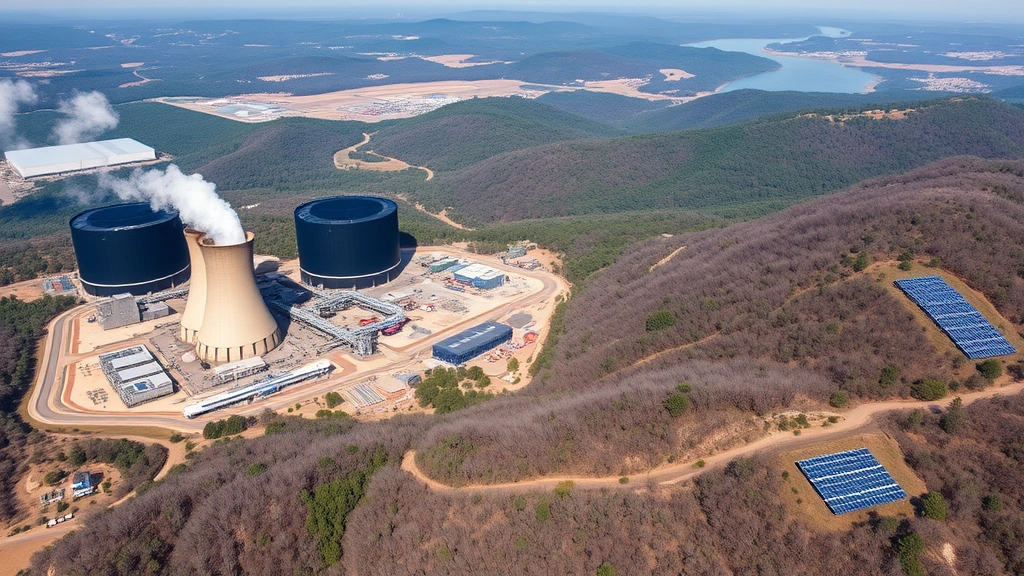
Kentucky stands at a critical juncture in its economic evolution, where traditional energy sectors intersect with emerging environmental imperatives. The Kentucky Energy and Environment Cabinet represents the state’s institutional response to balancing robust economic growth with ecological stewardship, managing one of America’s most complex energy portfolios. This cabinet-level body oversees policies affecting millions of residents while navigating the tension between coal heritage, natural gas expansion, renewable energy adoption, and environmental protection.
The commonwealth’s energy economy generated approximately $42 billion in direct economic output in 2023, employing over 95,000 workers across extraction, generation, distribution, and related sectors. Understanding the cabinet’s role requires examining how Kentucky’s institutional framework addresses energy production, environmental regulation, and economic diversification in an era of unprecedented climate consciousness and technological transformation.
Kentucky Energy and Environment Cabinet: Institutional Framework
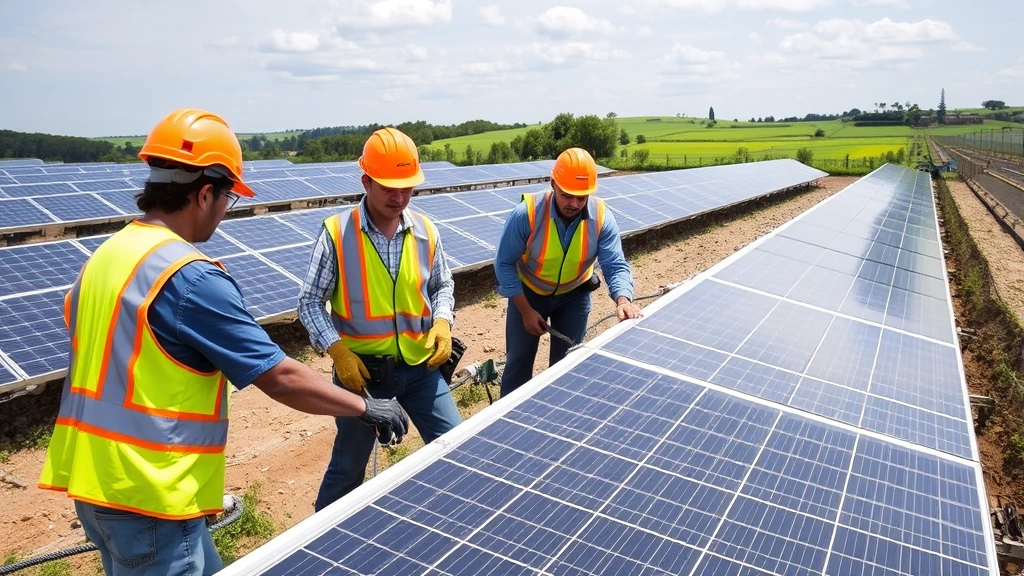
The Kentucky Energy and Environment Cabinet functions as the state’s primary regulatory and policy-making body for energy systems and environmental protection. Established through consolidation of multiple agencies, this cabinet integrates formerly separate departments addressing energy, environmental quality, and natural resources. This structural integration reflects contemporary understanding that energy policy and environmental outcomes remain fundamentally interconnected—a principle supported by research from the World Bank’s energy sector initiatives.
The cabinet’s organizational structure includes the Department for Energy Development and Independence, the Department for Environmental Protection, and the Department for Natural Resources. This tripartite arrangement enables coordinated approaches to energy infrastructure development while maintaining environmental compliance standards. The cabinet secretary, appointed by the governor, reports directly to executive leadership and coordinates with legislative committees overseeing energy and environmental matters.
Within this institutional framework, the cabinet manages permitting processes for energy facilities, enforces environmental regulations, oversees workforce training programs, and develops strategic energy policy. The cabinet also coordinates with federal agencies including the Environmental Protection Agency, Department of Energy, and Mine Safety and Health Administration, ensuring Kentucky’s policies align with national standards while preserving state autonomy in energy decision-making.
Coal Industry Legacy and Economic Transition
Coal extraction and combustion have defined Kentucky’s economy for over a century, generating wealth, employment, and infrastructure development across eastern and western regions. The commonwealth ranks among America’s top coal-producing states, with historical production exceeding 600 million tons annually at peak capacity. However, structural market shifts have fundamentally altered this landscape. Coal-fired electricity generation declined from 94 percent of Kentucky’s electricity mix in 2005 to approximately 68 percent by 2023, reflecting both technological advancement and regulatory changes.
The cabinet addresses coal industry challenges through multiple policy mechanisms. The Kentucky Coal Development Office, operating under cabinet authority, funds research into clean coal technologies, carbon capture and storage applications, and coal-to-chemical conversions. These initiatives attempt to sustain coal’s economic relevance while reducing environmental impacts. Simultaneously, the cabinet implements regulations requiring emissions reductions from coal-fired power plants, supporting the transition toward lower-carbon electricity generation.
Economic data reveals the human dimension of this transition. Eastern Kentucky coal regions experienced employment losses exceeding 40 percent between 2012 and 2022, with per capita incomes declining relative to state and national averages. The cabinet coordinates with the Governor’s Office for Economic Opportunity to develop regional economic diversification strategies, though results remain modest. Understanding how human economic activities affect environmental systems proves essential for designing effective transition policies.
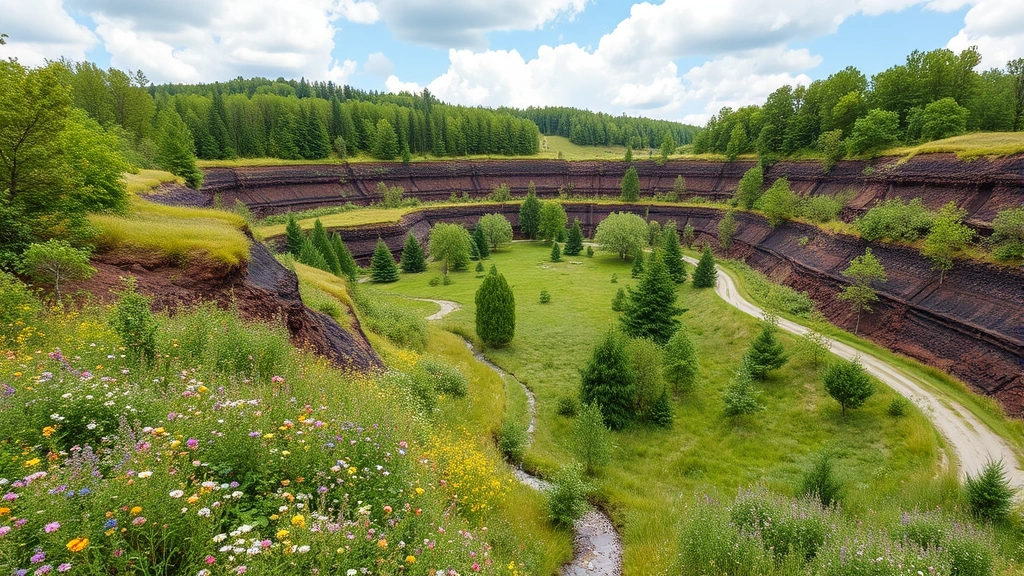
The Appalachian Regional Commission has invested over $200 million in Kentucky coal region diversification projects since 2010, focusing on tourism infrastructure, small business development, and workforce retraining. The cabinet participates in these efforts through environmental remediation projects, particularly abandoned mine reclamation programs that simultaneously address environmental degradation and create employment opportunities.
Natural Gas Development and Infrastructure
Natural gas represents Kentucky’s fastest-growing energy resource, with production and consumption both expanding significantly over the past two decades. The Marcellus and Utica shale formations underlie portions of eastern Kentucky, creating opportunities for natural gas extraction through hydraulic fracturing technologies. The cabinet manages permitting and environmental oversight for these operations while balancing energy development with water quality protection and seismic safety concerns.
Kentucky’s natural gas infrastructure includes transmission pipelines, distribution networks, and storage facilities. The Mountain Valley Pipeline project, currently under construction, would transport Appalachian natural gas to southeastern markets, potentially generating substantial economic benefits through construction employment and long-term operational jobs. The cabinet coordinates environmental reviews and permits for such infrastructure projects, ensuring compliance with federal pipeline safety standards and state environmental regulations.
Natural gas-fired electricity generation has grown from 3 percent of Kentucky’s generation mix in 2005 to approximately 18 percent in 2023. This transition reflects natural gas advantages including lower carbon emissions compared to coal, reduced air pollution, and operational flexibility supporting renewable energy integration. However, natural gas infrastructure development raises environmental concerns including potential groundwater contamination, induced seismicity, and methane emissions throughout production and distribution chains.
The cabinet addresses these concerns through regulations governing hydraulic fracturing operations, requiring baseline water quality monitoring and establishing setback distances from water sources. Natural gas storage facilities undergo rigorous environmental assessments, and distribution networks must meet safety standards preventing methane leaks. These regulatory frameworks attempt to balance energy development benefits against environmental and public health risks.
Renewable Energy Integration Strategy
Kentucky’s renewable energy portfolio remains relatively underdeveloped compared to national trends, with renewables comprising approximately 8 percent of the state’s electricity generation as of 2023. However, strategic initiatives suggest accelerating renewable integration. Solar energy represents the most promising near-term opportunity, with Kentucky’s solar resource averaging 4.2 kilowatt-hours per square meter daily, sufficient for economically viable utility-scale and distributed generation.
The cabinet supports renewable development through multiple mechanisms. The Kentucky Public Service Commission, operating under cabinet oversight, has approved renewable energy procurement targets for regulated utilities, requiring increasing percentages of electricity from renewable sources. These targets create market demand supporting solar and wind project development. Additionally, the cabinet administers renewable energy tax incentives and investment credits, reducing financing costs for solar installations and wind facilities.
Wind energy development faces geographic constraints in Kentucky, as the state lacks the consistent high-wind resources characterizing Great Plains and coastal regions. However, ridge-top wind resources in eastern Kentucky could support limited utility-scale wind farms, and distributed wind systems provide opportunities for agricultural landowners. The cabinet has commissioned wind resource assessments and supports pilot wind projects demonstrating technology viability.
Hydroelectric power from the state’s dam system provides approximately 5 percent of Kentucky’s electricity generation, representing mature renewable infrastructure with limited expansion potential. However, optimizing existing hydroelectric operations through modernization and efficiency improvements remains viable. The cabinet coordinates with the U.S. Army Corps of Engineers regarding dam operations and environmental flow requirements supporting ecosystem health.
Battery energy storage technology enables greater renewable integration by addressing intermittency challenges. The cabinet has begun permitting utility-scale battery storage projects, recognizing their essential role in high-renewable electricity systems. These projects require environmental reviews addressing manufacturing waste, chemical hazards, and end-of-life recycling, areas where the cabinet develops regulatory frameworks.
Environmental Regulation and Cabinet Authority
The cabinet’s environmental protection mandate derives from federal environmental statutes including the Clean Air Act, Clean Water Act, Resource Conservation and Recovery Act, and Comprehensive Environmental Response, Compensation, and Liability Act. Kentucky operates authorized state programs for air quality, water quality, waste management, and contaminated site remediation, with EPA oversight ensuring federal standard compliance. This delegated authority grants the cabinet substantial regulatory power over energy sector environmental impacts.
Air quality regulation represents a primary cabinet responsibility, particularly regarding emissions from coal-fired power plants and natural gas facilities. The cabinet implements the State Implementation Plan, a comprehensive strategy for attaining and maintaining EPA air quality standards. Recent regulations require significant emissions reductions from power plants, particularly nitrogen oxides and sulfur dioxide, driving technological upgrades and fuel switching away from coal.
Water quality protection intersects with energy development across multiple dimensions. The cabinet regulates wastewater discharges from power plants and natural gas operations, requiring treatment before environmental release. Mining operations, including coal extraction and mountaintop removal, generate substantial runoff affecting stream quality. The cabinet establishes and enforces effluent limitations and stormwater management requirements addressing these impacts.
Wetland protection under the Clean Water Act requires cabinet permits for energy infrastructure development affecting wetlands. Kentucky’s wetlands provide critical ecosystem services including water purification, flood mitigation, and wildlife habitat. The cabinet balances energy development needs against wetland preservation through permit conditions requiring mitigation for unavoidable impacts.
The cabinet also manages remediation of legacy contamination from historical energy operations. Abandoned coal mines create acid mine drainage affecting stream chemistry across eastern Kentucky. The cabinet coordinates funding from state, federal, and private sources to address these problems through treatment systems and source control. Similarly, orphaned oil and gas wells require plugging to prevent groundwater contamination and methane emissions, representing ongoing cabinet priorities.
Economic Diversification Initiatives
Recognizing energy sector volatility and long-term structural changes, the cabinet supports economic diversification reducing regional dependence on single energy sources. This strategy acknowledges that human-environment interactions shape economic possibilities, and sustainable prosperity requires environmental stewardship alongside economic development. The cabinet coordinates with regional development organizations and educational institutions to identify and support emerging economic opportunities.
Advanced manufacturing represents a key diversification target. Kentucky’s energy infrastructure, transportation networks, and workforce provide competitive advantages for manufacturing facilities requiring substantial electricity. The cabinet works with the Cabinet for Economic Development to attract manufacturing operations in energy-intensive sectors including battery production, electric vehicle components, and renewable energy equipment manufacturing.
The emerging battery manufacturing sector offers particular promise. Kentucky’s geographic position between major automotive manufacturing centers and proximity to mineral resources positions the state advantageously for battery production. The cabinet supports workforce training programs preparing workers for battery manufacturing employment, recognizing these jobs offer comparable wages to traditional energy sector positions.
Technology and innovation sectors receive cabinet support through research partnerships with universities and incentives for clean energy startups. The University of Kentucky and University of Louisville conduct research in energy storage, grid modernization, and renewable energy technologies. The cabinet facilitates knowledge transfer from academic research to commercial applications, supporting economic development through innovation.
Tourism development, particularly in eastern Kentucky, offers diversification opportunities. Environmental remediation projects, including abandoned mine reclamation, create opportunities for recreational development. The cabinet coordinates with regional tourism organizations to develop trails, parks, and outdoor recreation facilities on reclaimed mine sites, generating employment while addressing environmental degradation.
Workforce Development and Just Transition
The cabinet recognizes that energy transition policies impose substantial costs on workers and communities historically dependent on coal and related industries. Addressing these impacts through just transition policies represents both moral imperative and practical necessity for policy success. The cabinet administers programs supporting worker retraining, income support, and community development in transition regions.
The Governor’s Office of Employment and Training, coordinating with cabinet agencies, provides workforce development funding for programs retraining coal workers for emerging energy sectors and other occupations. These programs include classroom instruction, apprenticeships, and on-the-job training combining technical skills development with supportive services including childcare and transportation assistance. Program participants transition to employment in renewable energy installation, grid modernization, energy efficiency retrofitting, and other growing sectors.
Income support programs provide temporary assistance to workers experiencing job losses from coal plant closures and mine consolidations. These programs, funded through state and federal sources, help workers bridge employment gaps while completing retraining programs. Additional assistance programs support early retirement for older workers and displaced worker adjustment assistance.
Community development initiatives address impacts of energy transition on local economies. The cabinet coordinates with regional development organizations and local governments to diversify economic bases through infrastructure investment, business development support, and workforce attraction initiatives. The definition of environment in contemporary science includes human communities and their economic systems, requiring integrated approaches to environmental and economic challenges.
Federal support through programs including the Appalachian Regional Commission, Department of Labor workforce development funding, and Department of Energy clean energy workforce initiatives supplements state resources. The cabinet coordinates applications for these federal resources, ensuring Kentucky communities access available support.
Federal Policy Alignment
Kentucky’s energy policy operates within federal frameworks established through legislation and regulatory action. The Inflation Reduction Act of 2022 provides substantial federal investment in clean energy deployment, energy efficiency, and workforce development. The cabinet coordinates with federal agencies to maximize Kentucky’s access to these resources while aligning state policies with federal incentive structures.
Federal tax credits for renewable energy, energy storage, and electric vehicles shape market incentives for private investment. The cabinet coordinates with state tax authorities to ensure Kentucky policies complement federal incentives rather than creating conflicts. State renewable energy procurement requirements, established by the Public Service Commission under cabinet oversight, align with federal clean energy deployment targets.
Environmental regulations established through EPA rulemaking require state implementation through delegation programs. The cabinet ensures Kentucky’s regulatory framework meets federal requirements while exercising discretion in implementation approaches. This balance proves challenging when federal requirements impose significant costs on energy producers and consumers, requiring cabinet leadership to manage political tensions while maintaining regulatory compliance.
The cabinet participates in regional initiatives including the Regional Greenhouse Gas Initiative discussions and multistate collaboration on electricity market design and environmental standards. These collaborative efforts recognize that energy markets and environmental impacts transcend state boundaries, requiring coordinated policy approaches.
Federal research funding through the Department of Energy supports Kentucky institutions’ work on energy innovation. The cabinet facilitates partnerships between state universities and federal laboratories, positioning Kentucky institutions to access research funding supporting clean energy and energy efficiency advancement.
The cabinet also engages federal agencies on natural gas infrastructure development. Federal Energy Regulatory Commission oversight of interstate pipelines requires coordination with state environmental protection efforts. The cabinet participates in federal permitting processes for major infrastructure projects, ensuring environmental reviews address state concerns and that state environmental requirements receive consideration in federal decision-making.
Recognizing the complexity of energy transition, the cabinet examines strategies for reducing carbon footprints across economic sectors, implementing policies aligned with national climate commitments while respecting Kentucky’s energy heritage and economic interests.
FAQ
What is the primary role of Kentucky’s Energy and Environment Cabinet?
The cabinet serves as Kentucky’s primary energy policy and environmental protection authority, managing energy development, regulating environmental impacts, overseeing workforce programs, and coordinating federal-state energy initiatives. The cabinet integrates energy development with environmental stewardship through permitting, enforcement, and strategic policy development.
How does Kentucky balance coal industry preservation with renewable energy development?
The cabinet pursues diversified energy strategy combining continued coal operation with renewable expansion and natural gas transition. Clean coal technology research, emissions reduction requirements, and renewable energy procurement targets reflect this balanced approach. Economic diversification initiatives support affected workers and communities through transition assistance and new employment opportunities.
What environmental regulations does the cabinet enforce?
The cabinet implements federal environmental statutes including the Clean Air Act, Clean Water Act, and Resource Conservation and Recovery Act through delegated state programs. Cabinet regulations address power plant emissions, mining impacts, natural gas operations, wetland protection, waste management, and contaminated site remediation.
How does the cabinet address climate change through energy policy?
The cabinet implements emissions reduction requirements, supports renewable energy integration, encourages energy efficiency improvements, and coordinates with federal climate initiatives. These policies aim to reduce greenhouse gas emissions from the energy sector while maintaining economic competitiveness and reliable electricity supply.
What workforce development programs does the cabinet support?
The cabinet administers programs retraining coal workers for renewable energy, energy efficiency, grid modernization, and other emerging sectors. Programs include classroom instruction, apprenticeships, income support, and community development assistance. The cabinet coordinates state and federal workforce development resources for transition regions.
How does Kentucky’s renewable energy potential compare to other states?
Kentucky’s renewable resources remain limited compared to high-wind and high-solar states. However, solar resources, limited wind potential in eastern regions, and existing hydroelectric infrastructure provide foundation for renewable expansion. Battery storage technology enables greater renewable integration despite intermittency challenges.
What is the cabinet’s role in natural gas development?
The cabinet permits natural gas extraction, production facilities, and infrastructure development while enforcing environmental and safety standards. Cabinet regulations address hydraulic fracturing operations, wastewater management, methane emissions, and pipeline safety, balancing energy development with environmental protection.
How does federal policy influence Kentucky’s energy strategy?
Federal legislation, tax incentives, environmental regulations, and research funding substantially shape Kentucky’s energy landscape. The cabinet coordinates state policies with federal initiatives, ensuring Kentucky maximizes available federal resources while maintaining regulatory compliance. Interstate collaboration on electricity markets and environmental standards reflects federal policy influence.


